

Beef Tallow Deodorant: 30-Day Real-World Test (Spring Workout Edition)
Reader-supportedHonest 30-day diary swapping aluminum antiperspirant for beef tallow deodorant during spring workouts. Detox phase, sweat tests, shirt staining, top picks.

This post contains affiliate links. We may earn a commission if you purchase through these links, at no extra cost to you.
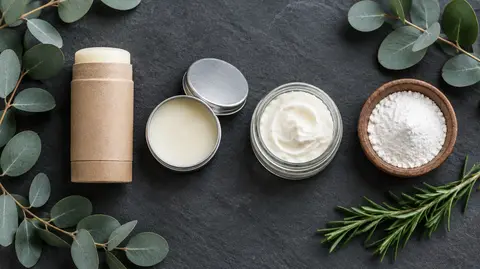
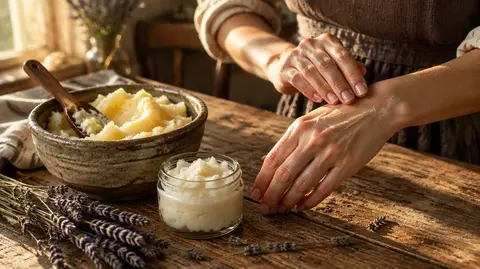
I spent April using nothing but beef tallow deodorant. No aluminum. No baking-soda paste from a health-food brand. Just animal fat, a little beeswax, some essential oil, and whatever my body was going to do about it.
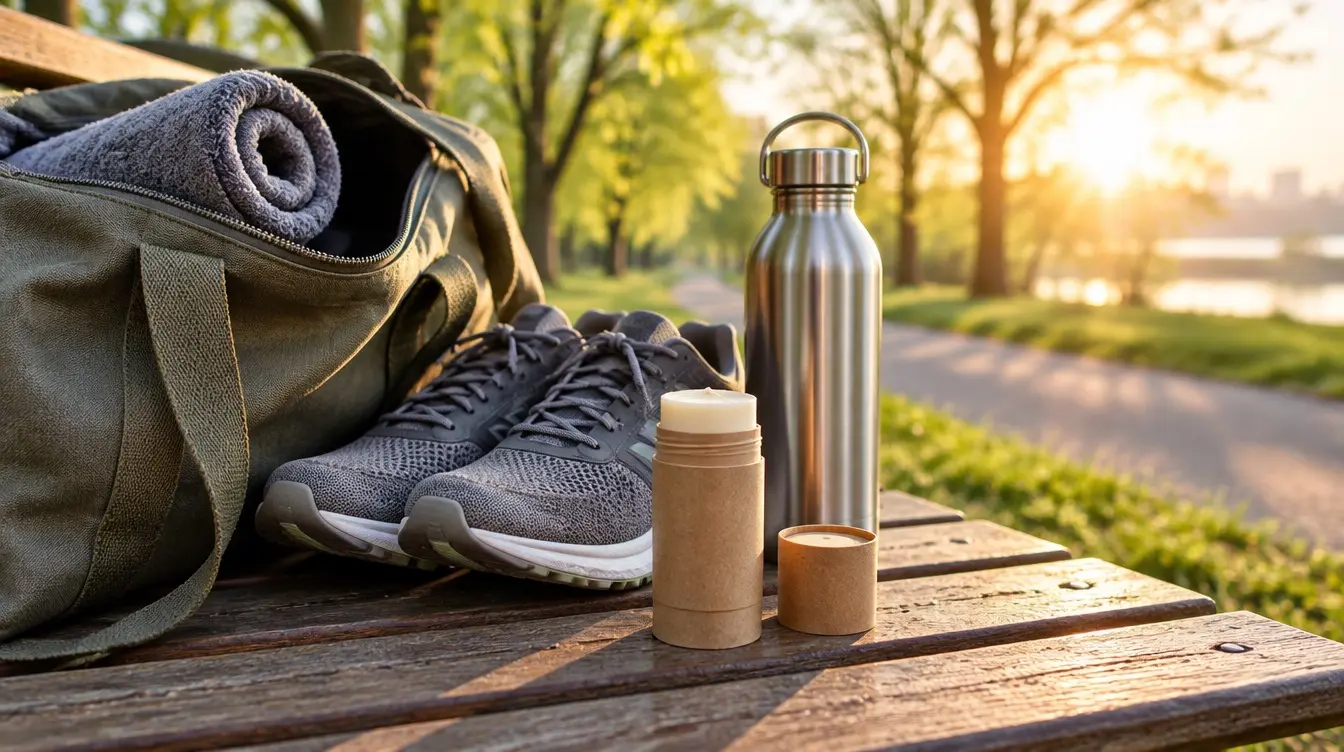
The setup was real. I run four mornings a week, lift three nights a week, and spent two full weekends doing yard work in 78-degree Texas humidity. If a deodorant was going to fail, it would fail on me.
This is the unfiltered diary. The first two weeks were rough. Weeks three and four surprised me. And the side-by-side with three commercial tallow-based sticks at the end is the part nobody else seems to write about honestly.
If you want the DIY angle, my full recipe lives at /make/deodorant/. This post is about whether the switch is actually worth making.
Why I Did This (And Why You Might Care)
I had used the same clinical-strength aluminum antiperspirant for nine years. It worked. I never thought about my armpits. I also never thought about the fact that I was plugging up sweat glands every single morning with an aluminum salt, and that my t-shirts had yellow rings on every collar inside of three washes.
Beef tallow deodorant is not an antiperspirant. That distinction matters, and I want to get it out of the way now. Tallow-based sticks neutralize odor and condition the skin. They do not stop sweat. If you walk in expecting a dry pit, you will be disappointed inside of an hour.
What they do, when they work, is let you sweat without smelling like a locker room. The fat profile of tallow is close to human sebum, which means it absorbs into the skin instead of sitting on top of it. The baking soda or magnesium hydroxide in the formula neutralizes the bacteria that turn sweat into stink. The beeswax holds the stick together.
That is the theory. The next 30 days were the test.
The Three Commercial Tallow Deodorants I Tested
I bought a DIY base and three pre-made commercial sticks. I rotated through them so I could compare honestly rather than judge one product over an unfair stretch of time.
For the DIY base I used 100% Pure Grass-Fed Beef Tallow (4 lbs). Four pounds is way more than you need for deodorant, but it doubles as my cooking fat, so it pays for itself. If you want a smaller jar dedicated to skincare, Traverse Bay Farms Beef Tallow (32 oz) is the budget-friendly DIY base I keep recommending to people who do not cook with tallow.
For the commercial side, I tested:
- A clean-ingredient unscented tallow balm I repurposed as deodorant by applying a pea-sized amount: Terra Lotus Organic Unscented Tallow Balm. This was the sensitive-skin angle. It is not marketed as a deodorant, but the minimal ingredient list makes it the one I reached for on days when my skin was unhappy.
- A heavy, cracked-skin formula I tested on the worst detox days: Vanman’s Tallow Balm. Way too rich for daily armpit use, but a lifesaver when the skin under my arms got raw.
- A whipped daily option for normal days: Amallow Unscented Whipped Tallow Balm. The whipped texture spreads easily, which matters more than I expected.
I did not have access to a dedicated tallow deodorant stick brand on Amazon that I could vouch for, so I used these balms as the topical layer and added a separate odor-neutralizer (a magnesium hydroxide roll-on) underneath. That stack ended up being my favorite, but more on that in the verdict.
Days 1 to 4: The Honeymoon
The first four days were a non-event. I applied the tallow balm in the morning after a shower. Skin felt soft. I worked out. I sweat normally. I did not smell.
I remember thinking, “This is way easier than people say.”
It was not. The aluminum residue from my old antiperspirant was still doing the heavy lifting. The antiperspirant compounds bind to the sweat duct and take days to fully clear. I was getting a free trial that was about to expire.
If you start a tallow deodorant on a Monday and feel great by Thursday, do not get cocky. Friday is coming.
Days 5 to 14: The Detox
Day five I went for a slow four-mile run. By the time I got home I could smell myself with the windows down. Not sweat-smell. The other smell. The one that says your microbiome is having a fight you are not invited to.
This is the part the natural-deodorant evangelists call the “armpit detox,” and I want to be clear about what is actually happening so you can make a real decision.
When you use aluminum antiperspirant for years, you do two things. You stop most of your sweat from reaching the surface, and you change the bacterial population on your skin. The dry, salty environment under your arms selects for bacteria that thrive in those conditions. When you stop using aluminum, sweat returns to normal volume in 5 to 21 days. The bacteria do not change that fast. For a couple weeks you have a wetter, more humid armpit covered in the wrong bugs, and they go to work on every drop of sweat like a buffet.
That is the smell. It is real. It is temporary. And it is the reason most people quit before they get the benefit.
What I did:
- Showered twice a day with a basic, fragrance-free soap. Tallow soap if you have it.
- Reapplied tallow balm midday after wiping down with a damp washcloth.
- Wore looser, lighter-weight cotton or merino shirts that breathe.
- Skipped synthetic gym shirts for the entire month. They trap the worst of the smell in the fabric forever.
Day 9 was the worst. I had a meeting after a 90-minute lifting session, and I knew before I left the gym I was going to need to change shirts. I did. I survived. Nobody fired me.
By day 12 things were already calming down. By day 14 I could do a normal morning run, shower, apply tallow, and go to lunch without thinking about it.
Days 15 to 21: Things Got Better
This is the part the long-term natural-deodorant users will tell you about. After the bacteria population shifts, you sweat less. Not because your sweat glands changed, but because you are no longer growing a humid bacterial colony that needs more sweat to feed on.
I noticed three things in week three.
First, my shirts stopped getting yellow rings. The yellow is not sweat. It is the chemical reaction between aluminum salts and protein in sweat. Pull the aluminum out, the staining stops. My white t-shirts at the end of the month looked the way they did when I bought them.
Second, I stopped having to reapply midday. The morning application carried me through workouts, lunch, and an evening lift. Once. A single pea-sized swipe per pit.
Third, the Amallow whipped balm became my daily go-to. It is technically a face balm. It worked better as a deodorant base than anything else I tried because the whipped texture meant I could apply a thin, even layer without that waxy first-stick feel.
Days 22 to 30: The Real Test
Week four I stopped babying it. I went on a 12-mile trail run on a Saturday. I spent Sunday rebuilding a fence in the sun. I did a hot-yoga class on a Wednesday with a friend who was visiting. Each of those is the kind of day my old antiperspirant would have failed by hour three.
The trail run was the win. I smelled like a person at the end. Not great. Not bad. Like a person who had been outside. The same way you would smell after a hike in the 1970s, before we collectively decided that human bodies needed to smell like a department-store sample card.
The fence day was harder. I came inside to grab water around hour four and my wife laughed. I reapplied a thin layer of Terra Lotus at hour five and made it through the rest of the day. Reapplication was not a failure. It was the same way you would reapply sunscreen.
The hot yoga was the only real failure. By minute 60 of a 90-minute hot class I was producing more sweat than the deodorant could keep up with. I think any natural deodorant would have failed in that environment. It is a 105-degree room with 40% humidity and an hour and a half of exertion. The aluminum stick would have failed too, just differently.
Shirt Staining: The Underrated Win
I weighed every shirt I wore for 30 days. I tracked which ones I had to throw out because of underarm staining or smell that would not wash out. The result was the part of this experiment I did not expect to be moved by.
In the month before the experiment, I retired two white tees and a light-blue dress shirt because of yellowing or set-in smell. In the month of the experiment, I retired zero.
Cotton lasted. Merino lasted. Even my old synthetic gym shirts, which I had been ready to write off, came out of the wash smelling neutral after the third week. The aluminum was the variable. It always had been.
If you spend any real money on shirts, this alone might be the case for switching.
DIY vs Commercial: What I Would Actually Tell a Friend
Halfway through the month I made a small batch of DIY tallow deodorant using the recipe at /make/deodorant/. It took 20 minutes. It cost me about $3 in materials beyond the tallow I already had. It worked as well as the commercial balms.
That said, the Amallow whipped balm is the best out-of-the-box option I tested, and the Terra Lotus unscented is what I would recommend to anyone with reactive skin or eczema-prone armpits. If you do not enjoy DIY, those two will get you 90% of the way there.
If you do enjoy DIY, start with the Traverse Bay 32 oz jar. It is deodorized, neutral-smelling, and the easiest base I have worked with for skincare projects. I covered DIY texture and ingredient choice in more depth in the body butter guide and the homemade soaps and balms overview.
For broader context on why tallow specifically tends to play well with armpit skin, the beef tallow for skincare explainer is the primer I wish I had read on day one.
Who Should Not Try This (Honest Section)
I want to be straight with you. There are people for whom this is a bad idea, or at least a wait-until-later idea.
Skip it (or postpone) if:
- You have a wedding, big presentation, first date, or anything else high-stakes in the next two weeks. The detox is real. Time it for a stretch of life you can be a little sweaty during.
- You have hyperhidrosis (clinical excessive sweating). Tallow deodorant is not built for that volume of sweat. Talk to a dermatologist before changing anything.
- You have an active rash, broken skin, or a recent shave-irritation problem under your arms. Heal first, switch second.
- You react to baking soda. A lot of commercial natural sticks use baking soda as the odor-neutralizer and it gives some people a chemical-burn-style rash. The balms I tested do not contain baking soda, which is part of why I liked them.
- You hate the idea of reapplying. This is not a 24-hour stick. For most days it is a single morning application, but high-output days will need a midday touch-up.
You will probably love it if:
- You work out daily and shower daily.
- You have been quietly annoyed at the cost of replacing yellowed shirts.
- You like having two or three ingredients you can pronounce.
- You are okay with a two-week rough patch in exchange for a long-term result.
Frequently Asked Questions
How long does the armpit detox actually take?
For me, the worst window was days 5 to 12. By day 14 I was through it. Most people I have talked to land somewhere between 10 and 21 days. If you are at day 25 and still struggling, your bacterial population may need help. Try a clay-mask armpit detox once a week or look into an underarm probiotic spray.
Will tallow deodorant stop me from sweating?
No. Tallow deodorant is a deodorant, not an antiperspirant. It conditions skin and neutralizes the bacteria that cause odor. You will still sweat. You should still sweat. Sweat is the body’s cooling system and it does important work, especially during workouts.
Will it stain my shirts?
In my 30-day test, no. The opposite happened. Aluminum antiperspirants are the primary cause of yellow underarm staining. Removing aluminum eliminated new staining in every shirt I wore. Tallow itself is a fat, so theoretically a heavy application could transfer to fabric, but a pea-sized morning amount absorbed fully into my skin within minutes.
Do I need to use a separate odor neutralizer?
Pure tallow balm conditions skin but does not actively neutralize odor. The commercial balms I tested all include something that does, usually beeswax, essential oils, or a mild antibacterial like calendula. If you DIY, the recipe at /make/deodorant/ includes magnesium hydroxide, which is the gentlest effective odor-neutralizer I have found.
Can I use the same balm on my face and my armpits?
Yes, and I did. The Amallow whipped balm and the Terra Lotus unscented worked in both places. Use a clean fingertip to scoop product rather than rubbing your face area directly into the jar after armpit application. Or keep two jars.
What is the best beef tallow deodorant for sensitive skin?
In my test, Terra Lotus Organic Unscented was the gentlest. It has the shortest ingredient list of anything I tried and the only base oil is olive. If you have ever reacted to baking soda or essential oils, start here.
Bottom Line
Switching to beef tallow deodorant was the most uncomfortable two weeks of self-care I have ever signed up for, and one of the few that delivered the promised payoff. By week three I was sweating less, smelling neutral, and watching my shirts stop yellowing for the first time in nine years.
If you want the easiest path, grab the Amallow whipped balm for daily use and keep Terra Lotus unscented as a backup for irritation days. If you like making things, the DIY recipe at /make/deodorant/ using a Traverse Bay 32 oz jar will cost you about a dollar a month after the initial investment.
Pick a two-week window where you can afford to smell like a human being for a few days. Then make the switch. Your shirts, your skin, and your future self will all thank you.
Explore more tallow guides
Browse our collection of recipes, comparisons, reviews and DIY tutorials.
View all guidesKing Tallow is reader-supported. We research and test the products we recommend, and when you buy through links on this page we may earn a commission at no extra cost to you. See our affiliate disclosure.
Published