Will tallow candles smell like meat when burning? ▼
No, properly rendered leaf-fat tallow has a faint warm-baking aroma when lit, not a meat smell. The flame burns at ≈ 1,400 °C, far above the smoking point of any residual protein, so anything organic is fully vaporized to CO₂ and water before it reaches your nose. If your candle smells beefy, the fat was rendered with connective tissue still attached, re-render through cheesecloth or buy cosmetic-grade tallow.
Are tallow candles better than soy candles? ▼
They're different tradeoffs. Soy is mostly GMO-monocultured, hexane-extracted, and has to be hydrogenated to be solid at room temperature; soy candles are real but the supply chain is industrial. Tallow is a byproduct of the existing beef food system, no land or hexane used. Both burn dramatically cleaner than paraffin. If you eat meat, tallow is the more whole-system circular choice; if you don't, beeswax is the cleanest natural alternative.
Why is my tallow candle smoking? ▼
Three causes, in order of frequency: (1) wick is over ¼ inch long, trim it; (2) wick is too large for the container, the next batch needs a smaller wick size; (3) the tallow has gone rancid, fat oxidation products burn black. Smell the cold candle: fresh smells faint and warm, rancid smells sharp like crayons or wet cardboard.
How long does an 8 oz tallow candle burn? ▼
Approximately 35-50 hours with a correctly sized CD-14 cotton wick. The 90/10 tallow-beeswax blend lands at 45-50 hours; pure tallow runs 35-42 hours. Burn time depends heavily on wick size, a wick one size up cuts burn time by 20%.
Can I use these candles for emergency lighting? ▼
Yes, and historically, this is what tallow candles were for. A 4 oz jar candle gives 18-25 hours of usable light, enough for a multi-day power outage. The 100% pure-tallow variant is even closer to historical 'rushlights' that lit homes for centuries before electricity. Stockpile 3-4 candles per person for power-outage preparedness.
Why is mine softer than store-bought tallow candles? ▼
Pure tallow's melt point is 104 °F. The commercial candles you've seen likely use a tallow-beeswax or tallow-stearic blend (75/25 or 50/50) for shelf rigidity. Add 10% beeswax to your batch and the candle will hold shape on a warm shelf without sacrificing burn quality.
Do I need a special wick for tallow? ▼
Not 'special,' but you do need cotton (not paper-cored), pre-tabbed, sized to the container width. The CD and HTP series sold by candle suppliers are tested for natural-fat blends. Avoid zinc-cored wicks (banned for indoor use in the US since 2003) and avoid wood wicks for pure-tallow candles, they need a higher-melt fuel like beeswax.
Can I scent tallow candles with essential oils? ▼
Yes. Add 1 oz of essential oil per pound of fat at 160 °F (not higher, most oils flash off above 170 °F). Higher flash-point oils give better hot throw: cedarwood, patchouli, vetiver, sandalwood. Citrus oils give better cold throw than hot throw. Synthetic 'fragrance oils' work but reintroduce petrochemicals.
What's the difference between tallow and beeswax candles? ▼
Beeswax burns slightly cleaner, has a higher melt point (145 °F vs 104 °F), and produces a faint honey aroma. Tallow burns nearly as cleanly and costs ⅓ as much per pound. The 90/10 tallow-beeswax blend is the sweet spot, it captures most of beeswax's structural benefits at a quarter of the price.
Can I use bacon grease or cooking lard? ▼
Cooking-residue grease has water, salt, and burned protein in it, it will spit, smoke, and smell terrible when burned. Lard (rendered pork fat) makes a usable candle but is softer than beef tallow and has a more noticeable scent. Stick to leaf-fat or kidney-fat beef tallow for the best result.
How do I pour tallow candles without sinkholes? ▼
Three rules: (1) pour at 140 °F, not above 150 °F; (2) cool at room temperature, not in the fridge; (3) reserve 2-3 oz of melted fat for a top-up second pour at 145 °F to fill the inevitable small depression around the wick.
Will tallow candles attract animals or pests? ▼
Sealed and unburned, no, the fat is fully solid and indistinguishable to a dog or rodent from any other wax. While burning, the warm fat aroma can attract pets to investigate. Keep burning candles where pets can't reach them, both for fire safety and for the same reason you wouldn't leave a hot pan unattended.
Is tallow candle smoke safe to breathe? ▼
When properly wicked and burned, tallow candles produce CO₂ and water vapor with trace particulate well below paraffin levels. Indoor-air studies of natural-wax candles show particulate emissions in the same range as cooking on a gas stove. Ventilate normally; don't sleep with any candle burning.
Can I make taper candles by dipping? ▼
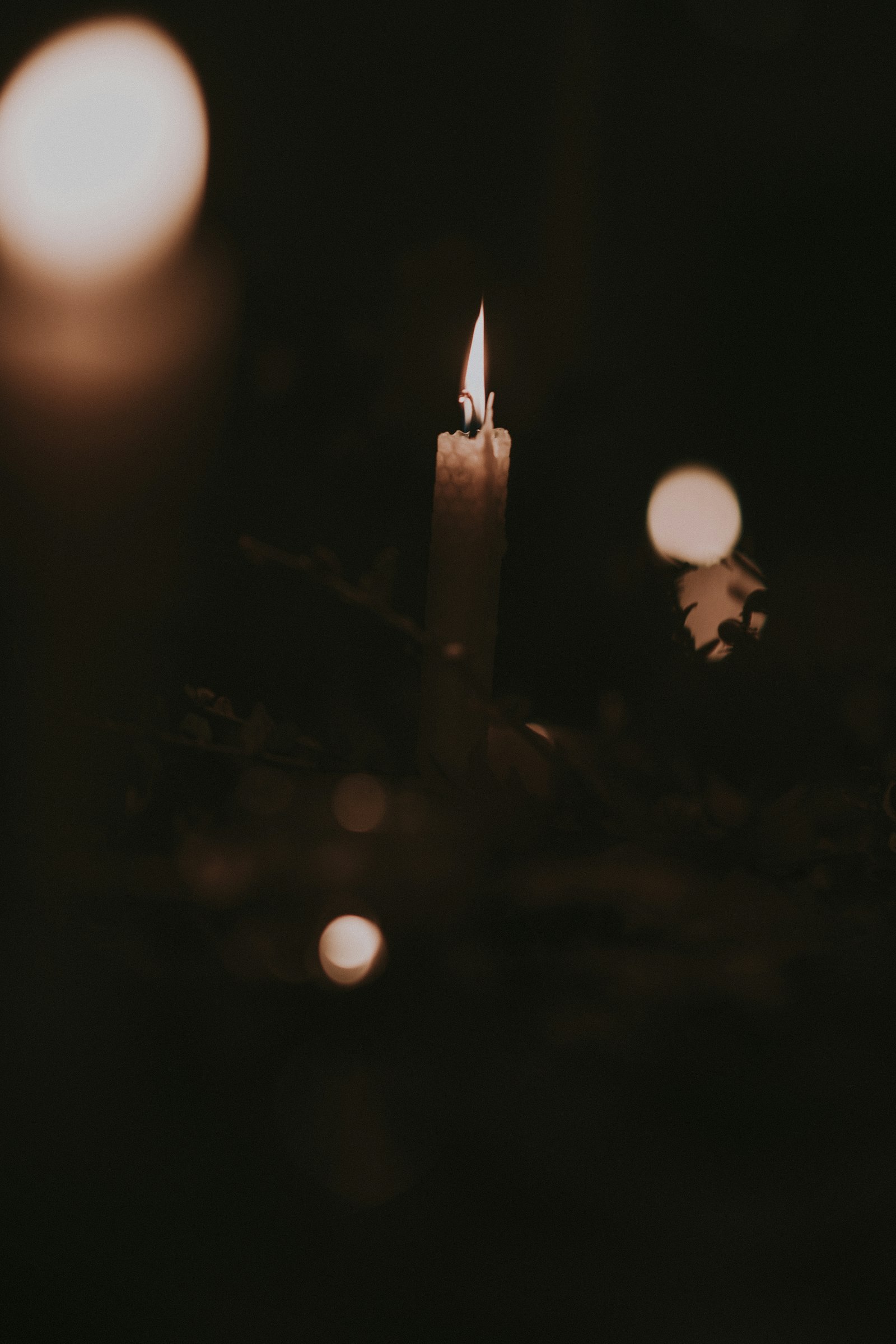
Yes, this is the original technique. Hang a length of cotton wick vertically, weighted at the bottom, and dip slowly into a tall narrow vessel of 150 °F tallow. Lift, let the layer cool 60 seconds, dip again. 30-40 dips builds a usable taper. Pure tallow tapers slump above 80 °F; use a 75/25 tallow-beeswax blend for room-stable tapers.
Why does my candle have a yellow ring on the side after a few months? ▼
Surface oxidation of the unsaturated fatty acid fraction, usually caused by light exposure. Cosmetic only; the candle still burns fine. To prevent: store finished candles in a closed cabinet, or add 2-4 drops of rosemary CO₂ extract per pound at the cooling step as a natural antioxidant.
How do I make a beeswax-style taper without dipping? ▼
Use a seamed aluminum taper mold with a wicking pin. Pour the 75/25 tallow-beeswax blend at 150 °F, cool 4 hours, demold by pushing from the base. The pure-tallow ratio is too soft for a freestanding taper, beeswax is structurally required for shape.
Are tallow candles vegan-friendly? ▼
No, tallow is rendered beef fat. The closest natural-wax vegan equivalent is a soy-coconut blend (look for hexane-free / expeller-pressed soy) or pure beeswax (which is animal-derived but not from slaughter). Carnauba and candelilla waxes are fully plant-based but harder to wick correctly without commercial additives.