

Beef Tallow Skincare Spring Cleaning: Swap Out These 7 Products
Reader-supportedMid-April is the right time to ditch winter-heavy skincare. Here are 7 specific beef tallow swaps for a lighter spring routine that still feeds your skin.

This post contains affiliate links. We may earn a commission if you purchase through these links, at no extra cost to you.
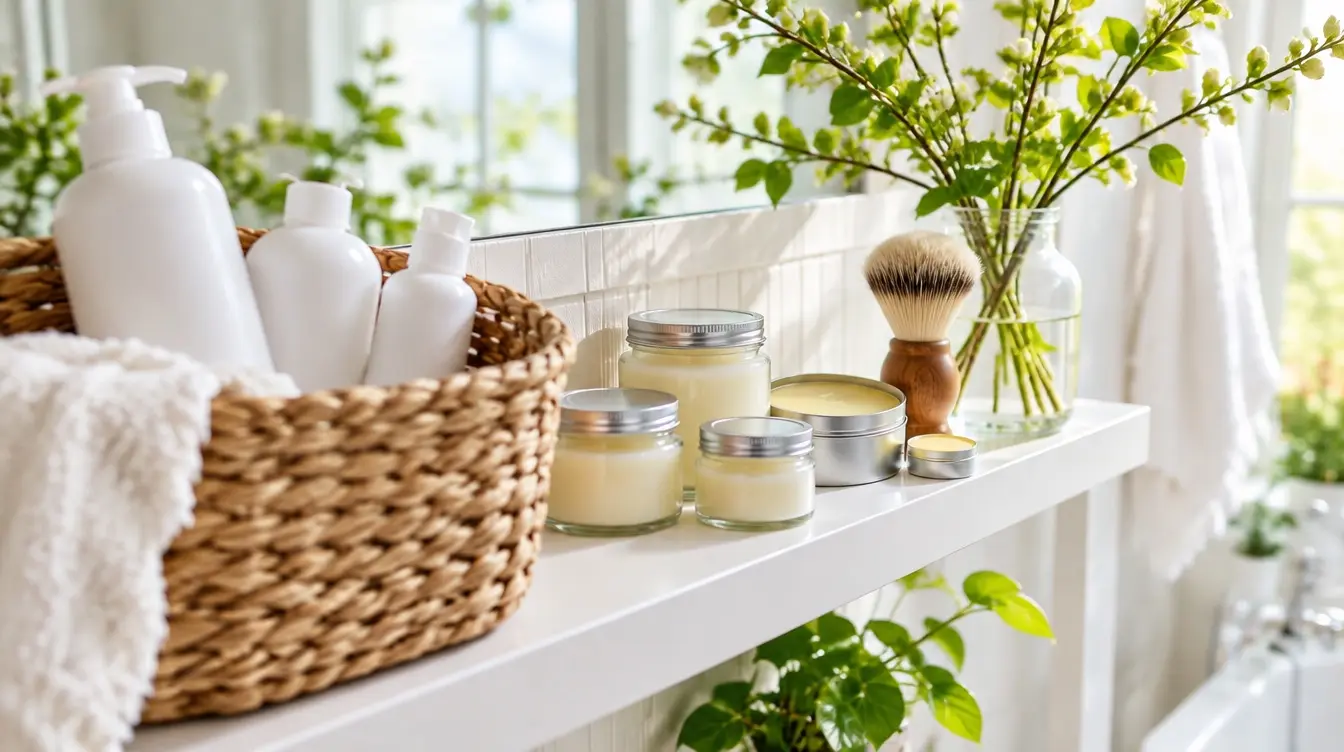
Mid-April is the awkward stretch where your bathroom shelf is still set up for January. The thick night creams that saved your face in February now sit greasy on your pillow. The dense foot balm that fixed cracked heels is overkill once you stop wearing wool socks. Pollen is up, humidity is climbing, and your skin needs less occlusion and more breathability.
This is the spring cleaning that actually matters. Not the kitchen drawer. The skincare lineup.
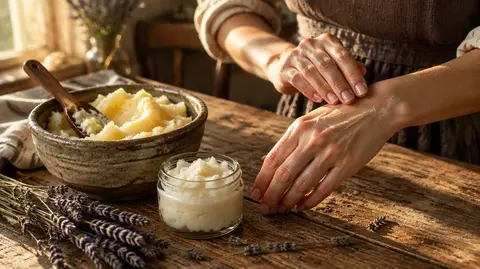
The goal here is not to throw everything away. It’s to swap heavier winter products for lighter spring versions that still respect your skin barrier. Beef tallow makes that swap easy because it scales: whipped tallow is light enough for a humid May morning, while dense tallow balm still has a place on a sunburn in July.
Below are the seven swaps I make every April. Each one trades a winter-heavy or chemical-loaded product for something lighter, cleaner, and tallow-based.
Why Swap Products in Spring at All?
Your skin barrier behaves differently season to season. In winter, low indoor humidity and forced-air heat pull water out of your stratum corneum, so you reach for thick occlusives. In spring, humidity rises, sweat returns, and your sebaceous glands wake back up. Layering January’s heavy night cream over that is a fast way to clog pores, trap pollen, and trigger breakouts.
The fix is not “use less product.” It’s “use different product.” Lighter texture, faster absorption, fewer occlusive layers, and no synthetic fragrance that can interact with elevated pollen on your skin.
Tallow works well across seasons because you can change the texture without changing the lipid profile. Whipped tallow has the same palmitoleic acid and vitamin A as a dense balm, just with air folded in.
Swap 1: Heavy Winter Night Cream → Lighter Whipped Tallow Balm
The winter problem: thick night creams loaded with shea butter, dimethicone, and mineral oil that sit on your face until morning.
The spring fix: a whipped tallow balm that gives you the same lipid replenishment with a fraction of the weight.
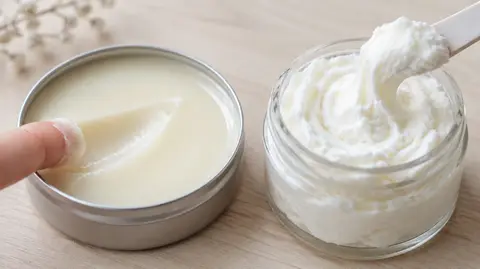
Whipped tallow absorbs in roughly two minutes. Dense balm can take ten. In April, with pollen drifting onto your pillow and warmer nights, two minutes is what you want.
My pick for this swap is Amallow Unscented Whipped Tallow Balm. The texture is genuinely light, it doesn’t fight back when you spread it, and there’s no fragrance to argue with whatever else you’re using. If you want something even airier, Amallow Clean Cloud Whipped Tallow goes a step further toward mousse territory.
How to use it: pea-sized amount on damp skin after washing. If your face still feels tight after three minutes, add a second pea. Most people don’t need to.
Swap 2: Foam Shaving Cream → Tallow Shaving Cream
The winter problem: aerosol foam shaving creams full of propellants, SLS, and synthetic fragrance that strip your skin every morning.
The spring fix: a tallow-based shaving cream that lubricates the razor and feeds the skin underneath at the same time.
I’ve been making my own with the recipe at /make/shaving-cream/ for a couple of years. Three ingredients, ten minutes, and a jar that lasts most of a season. The shave is closer because the tallow lets the blade glide instead of skipping, and there’s no post-shave burn because nothing in the jar is stripping your acid mantle.
The base you want is rendered, clean grass-fed tallow. 100% Pure Grass-Fed Beef Tallow (4 lbs) is the workhorse I keep on hand for this and three other recipes. If you only want a small batch, Traverse Bay Farms Beef Tallow (32 oz) is the budget pick.
Don’t want to DIY? A heavy tallow balm like Vanman’s Tallow Balm works as a pre-shave on dry patches if you’re not ready to switch your whole shaving routine.
Swap 3: Commercial Body Lotion → DIY Whipped Tallow Body Butter
The winter problem: drugstore body lotion that’s mostly water, with a long list of preservatives and fragrance to mask the smell of cheap base oils.
The spring fix: whipped tallow body butter you can actually make in twenty minutes.
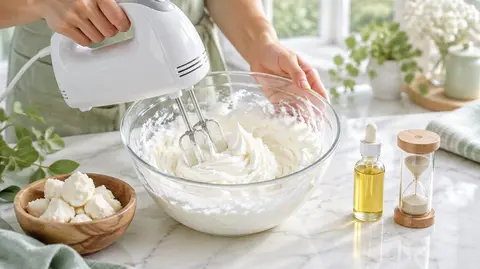
The recipe lives at /make/body-butter/. The texture you get from whipping warm tallow with a hand mixer is the closest a homemade product gets to a luxury body butter, and the per-ounce cost is roughly one-fifth of what you’d pay at Sephora.
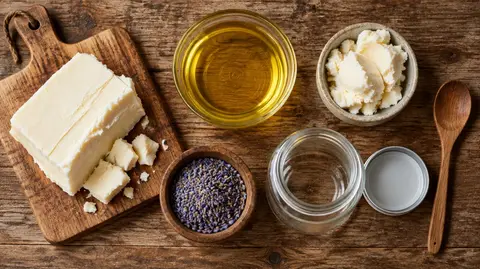
Start with 100% Pure Grass-Fed Beef Tallow (4 lbs). Add a tablespoon of jojoba or sweet almond oil per cup if you want it even lighter for spring. Whip cold, store in a wide-mouth jar, use within three months.
If DIY isn’t happening this month, the commercial alternative is Amallow Unscented Whipped Tallow Balm used as body lotion. Yes, it’s marketed for face. Yes, it works fine on arms and legs.
Swap 4: Aluminum Antiperspirant → Tallow Deodorant
The winter problem: aluminum-based antiperspirants that plug your sweat ducts, plus synthetic fragrance that’s now amplified by warmer weather.
The spring fix: a tallow-based deodorant that controls odor without stopping sweat.
Sweat is not the problem. Bacteria metabolizing sweat is the problem. Tallow deodorant uses baking soda and arrowroot powder to absorb moisture and shift pH, plus tallow as a carrier that doesn’t irritate skin the way coconut oil bases can.
Full recipe is at /make/deodorant/. The base again is 100% Pure Grass-Fed Beef Tallow (4 lbs). One batch fills two deodorant tubes and lasts roughly four months of daily use.
A note: give your armpits two weeks to adjust. The first week you’ll feel like the deodorant isn’t working. By day ten, your skin microbiome has rebalanced and you stop noticing.
Swap 5: Petroleum Lip Balm → Tallow Lip Balm
The winter problem: petroleum jelly and paraffin lip balms that you keep needing to reapply because they don’t actually moisturize, they just seal.
The spring fix: a tallow lip balm that delivers fat-soluble vitamins straight into chapped tissue.
The recipe at /make/lip-balm/ takes ten minutes and makes about six tubes. Tallow plus beeswax plus a drop of vitamin E. That’s it. The vitamin A and K2 in grass-fed tallow are exactly what dry lip tissue is asking for.
If you want a commercial option, Vanman’s Tallow Balm doubles as a heavy-duty lip treatment, especially overnight. Santa Cruz Paleo Beef Tallow Moisturizer is the cleaner, minimalist pick for daytime.
For more on the lip use case specifically, see /tallow-for/chapped-lips/.
Swap 6: Chemical Sunscreen → Tallow Plus Zinc
The winter problem: you weren’t wearing sunscreen daily because the chemical filters in your bottle gave you breakouts.
The spring fix: a thin layer of tallow balm under a mineral zinc oxide sunscreen.
This is not a recommendation to skip sunscreen. UV exposure in April climbs fast, especially on cloudy days when people think they’re safe. The swap is from chemical filters (avobenzone, octinoxate, oxybenzone) to mineral zinc oxide on top of a tallow base.
Why the tallow layer underneath? Two reasons. First, it gives the zinc something to glide on, which means you can use less and skip the white cast. Second, it replaces the lipids that physical sunscreens can leave feeling stripped after a long day.
The base layer can be anything light: Organic Tallow Skin (4 oz) or Terra Lotus Organic Unscented Tallow Balm both work. Apply a thin layer, wait three minutes, then layer zinc sunscreen on top. Reapply the sunscreen every two hours outdoors, not the tallow.
For a deeper comparison of tallow against other base oils for layering, see /compare/tallow-vs-coconut-oil/.
Swap 7: Toner → Just Tallow Plus Rosehip
The winter problem: alcohol-based toners that strip whatever oil your skin managed to produce overnight.
The spring fix: skip the toner entirely. After cleansing, press a few drops of rosehip seed oil into damp skin, then seal with a thin layer of tallow.
This is the simplest swap on the list because it removes a product instead of replacing one. Toner was never doing what the bottle promised. Rosehip provides retinoic acid precursors and linoleic acid your skin can convert. Tallow seals everything in with a lipid profile your skin already knows how to use.
The tallow layer here needs to be minimal. Amallow Clean Cloud Whipped Tallow or Organic Tallow Skin (4 oz) are both light enough. A jar lasts three or four months at this usage rate.
For more on tallow paired with botanical oils, /tallow-for/dry-skin/ goes deeper on the layering order.
Putting the Routine Together
Here’s what my spring routine looks like after these seven swaps:
Morning: rinse with water, thin layer of Amallow Clean Cloud on damp face, zinc sunscreen on top. Tallow deodorant. Out the door.
Evening: cleanser, rosehip oil pressed into damp skin, pea-sized whipped tallow on top. Lip balm on the nightstand for overnight.
As needed: DIY body butter on arms and legs after showering. Tallow shaving cream on shave days.
Total products: five, down from twelve in February. Total cost over the season: roughly half of what the drugstore lineup ran me, and the ingredient list fits on one notecard.
What to Do With the Winter Products You’re Retiring
Don’t throw away the heavy balms. Move them to a different use:
- Heavy tallow balm goes to the bedside drawer for hands and feet at night
- Dense body butter moves to the gardening kit for post-yard-work hand repair
- Thick foot balm gets tucked in the gym bag for after long runs
- Petroleum lip balm goes in the toolbox for lubricating zippers and stuck hardware (genuinely the best use)
Tallow products in particular don’t expire fast. Sealed in a cool, dark cabinet they hold for six to twelve months easily. By October you’ll want the heavy stuff back.
Frequently Asked Questions
Can I use the same tallow balm year-round?
You can, but you probably won’t want to. The lipid profile is the same, but the texture matters in spring and summer. A dense winter balm feels heavy in 70-degree humid weather. A whipped balm feels too light in a January cold snap. Owning one of each costs less than $40 and covers the whole year.
How long do I need to wait for whipped tallow to absorb before sunscreen?
Three to five minutes on damp skin. If you apply sunscreen on top of tallow that hasn’t sunk in, the sunscreen pills and you lose protection. Wash hands, brush teeth, then apply SPF.
Does tallow deodorant stain clothing?
A properly emulsified tallow deodorant should not stain. If you see yellow marks on white shirts, the tallow-to-arrowroot ratio is off. Increase the arrowroot powder in the recipe at /make/deodorant/ by one tablespoon per batch and re-whip.
Is whipped tallow really different from regular tallow, or is it marketing?
The lipid content is identical. The difference is air, which changes absorption rate and spreadability. Whipped sinks in about three times faster than dense balm. For face use in spring, that matters. For deep heel cracks in February, dense wins.
Will tallow under sunscreen reduce SPF effectiveness?
No, as long as you wait for the tallow to absorb before applying sunscreen. Mineral sunscreens sit on the skin’s surface and reflect UV. The tallow layer underneath doesn’t interfere with that, it just gives the sunscreen something smoother to sit on.
Can I do all seven swaps at once or should I phase them in?
Phase them in. Your skin microbiome takes about two weeks to adjust to any major routine change, especially the deodorant swap. Do swaps 1, 4, and 5 in week one. Add swaps 2 and 3 in week two. Finish with swaps 6 and 7 by the end of the month.
Bottom Line
Spring skincare is about lighter texture, not less care. Swap your heavy winter balms for whipped tallow, ditch the chemical filler products for tallow-based versions, and your skin will thank you by June. Start with the night cream and deodorant swaps. The other five fall into place once you see how the first two land.
Explore more tallow guides
Browse our collection of recipes, comparisons, reviews and DIY tutorials.
View all guidesKing Tallow is reader-supported. We research and test the products we recommend, and when you buy through links on this page we may earn a commission at no extra cost to you. See our affiliate disclosure.
This article is for general information and is not medical advice. Patch test new skincare and talk to a dermatologist or doctor about persistent skin conditions.
Published