Earth Day 2026: Why Beef Tallow Is the Lowest-Waste Skincare Ingredient
Reader-supportedEarth Day 2026 deep-dive: how beef tallow beats shea, coconut, olive oil, and petroleum jelly on waste, water, and carbon per ounce of skincare.

This post contains affiliate links. We may earn a commission if you purchase through these links, at no extra cost to you.
Most “sustainable” skincare on shelves this Earth Day is built on ingredients that travel thousands of miles, drain aquifers, push back forests, or rely on fossil fuels. Beef tallow does none of that. It is a byproduct that already exists, in volumes most consumers do not see, sitting one decision away from a landfill or a rendering pit.
This is the case for tallow as the lowest-waste skincare ingredient on the planet right now, with the math to back it up.
The Waste Stream Problem Most Skincare Brands Ignore
Every cow processed for beef yields somewhere between 80 and 110 pounds of suet and trim fat. The U.S. processes around 33 million cattle a year. That is roughly 3 billion pounds of beef fat generated annually as a coproduct of meat production already happening.
Some of that fat becomes industrial tallow for biofuel and soap. A meaningful share gets sent to rendering facilities where the energy and water cost of processing it is significant. A portion is simply discarded.
Skincare that uses this existing waste stream does not require a single new acre, a single new crop, a single new irrigation pump, or a single new shipping lane. It uses what is already there.
Compare that to almost any other moisturizing fat on a label today.
Tallow vs Shea Butter: Deforestation Is the Hidden Cost
Shea butter has a beautiful story attached to it. The reality of industrial shea is rougher. Shea trees grow across the Sahel from Mali to Uganda. As demand has grown, wild shea parklands have been converted, and tree mortality has climbed in regions where the nuts are harvested too aggressively or where surrounding land is cleared for cocoa and cashew.
Shea also requires multi-stage processing: cracking, roasting, grinding, kneading, boiling, and refining. That uses fuel, water, and time. The finished butter then crosses an ocean.
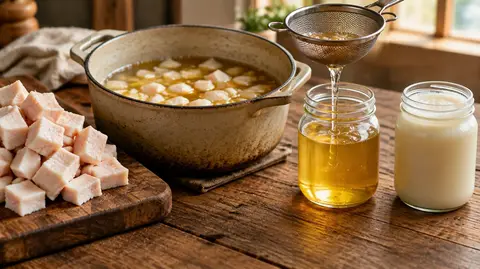
Tallow rendered from local cattle requires one step: melt and strain. A 1-pound jar of grass-fed tallow that travels 200 miles instead of 6,000 miles carries a fraction of the embedded fuel of imported shea.
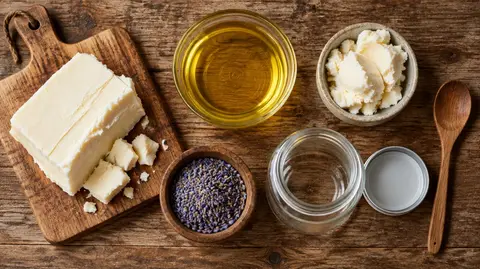
A 4-pound tub of 100% Pure Grass-Fed Beef Tallow is enough to make about 30 to 40 two-ounce balm jars at home. That single purchase replaces dozens of small plastic-packaged commercial moisturizers.
Tallow vs Coconut Oil: The Palm-Adjacent Problem
Coconut oil is marketed as the clean alternative to palm. The supply chain tells a more complicated story. Many coconut plantations operate on land that was previously rainforest or wetland, particularly across the Philippines, Indonesia, and parts of India. Coconut yields per acre are also low compared to palm, which means more land is needed for the same volume of oil.
There is also the cold-press water cost and the long-haul shipping from the equator to every other market on earth.
Beef tallow yield per acre, when you count tallow as a coproduct of beef the cattle were already raised for, is effectively bonus output. The land was not added. The water was not added. The fat was already there.
For minimal-ingredient skincare without any tropical oils at all, Santa Cruz Paleo Beef Tallow Moisturizer keeps the ingredient list to three things: tallow, beeswax, honey. No coconut, no palm derivatives, no fragrance carriers.
Tallow vs Olive Oil: Mediterranean Water Stress Is Real
Olive oil is one of the most water-intensive crops in the dry belt where it grows. A single liter of olive oil takes roughly 4,400 to 14,000 liters of water depending on the region and method. Mediterranean aquifers are stressed. Spain, the world’s largest olive producer, has had multi-year drought emergencies that directly affect olive yields and prices.
Skincare brands love olive squalane and olive-derived emollients because they sound clean. They are also drawing from one of the most water-fragile food systems in the world.
Tallow’s water footprint exists, because cattle exist. But you are not adding water cost when you choose tallow over olive oil for skincare, because the fat is a byproduct of beef that was already produced. The water has already been counted.
Tallow vs Petroleum Jelly: Fossil Versus Renewable
Petroleum jelly is a refined fossil-fuel byproduct. It works fine as an occlusive barrier. It is also literally crude oil residue. It will not biodegrade meaningfully in your skin or in a landfill. Every jar represents a small extraction of carbon that took 100 million years to form, used once, then discarded.
Tallow biodegrades. A spilled scoop of tallow on soil breaks down in weeks. Petroleum jelly persists.
For people switching away from petroleum-based balms, a budget entry point is Organic Tallow Skin (4 oz). It gets you the biggest tallow jar for the lowest price per ounce, with no fossil-derived ingredients on the label.
The Plastic Packaging Multiplier
Even when the ingredients in a moisturizer are reasonable, the packaging often is not. Commercial skincare lives in airless plastic pumps, multilayer tubes, and lids with embedded plastic gaskets that cannot be recycled. The average consumer goes through 7 to 12 plastic skincare containers a year.
Tallow balm sold in glass jars (most artisan brands use them) and bulk tallow sold in resealable tubs both cut that plastic count significantly. Bulk tallow in a single 4 lb tub displaces 10 to 15 small commercial jars of cream.
This is one of the underrated wins of DIY skincare. If you make your own balms using guides like how to make a tallow lip balm or how to make tallow lotion bars, you can reuse the same glass jars for years.
The Cow-to-Jar Math: How Far One Animal Goes
Here is the rough sustainability arithmetic, run conservatively.
A single beef cow yields about 90 pounds of suet that can be rendered into roughly 65 to 75 pounds of finished tallow. At 2 ounces per skincare jar, that is between 520 and 600 jars of balm from one animal.
Put differently: one cow’s suet, used purely for skincare, could supply a typical user (one 2 oz jar every 2 months) for more than 80 years.
The point is not that one cow should supply 80 years of one person’s moisturizer. The point is that the waste-stream volume is enormous compared to skincare demand. Tallow is not a scarce resource being stretched. It is a surplus resource looking for use.
What “Grass-Fed” Adds to the Sustainability Story
Grass-fed cattle live on pasture for most or all of their lives. Well-managed pasture can sequester carbon in soil, support pollinators, and require less external feed input than confined feedlot systems. The grass-fed tallow that comes from these animals carries a smaller net carbon footprint per pound than grain-finished alternatives.
Not every grass-fed claim is equal. Look for sourcing transparency, U.S. or regional origin if you are in North America, and a clear statement that the tallow is rendered from grass-fed animals (not just “natural” or “premium”). The 4-pound grass-fed tallow we keep recommending is one of the more transparent options at that price point.
A Realistic Low-Waste Tallow Skincare Routine
Here is what a genuinely lower-waste tallow routine looks like in practice, without the marketing varnish.
Face: One Jar, Reused
Buy one quality face balm in a glass jar. Use it. When it empties, wash the jar, dry it, and refill it from a bulk tallow tub blended with a few drops of carrier oil. You have now turned one $20 jar into a year of skincare with one plastic-free reload cycle.
Body: Bulk Tallow, DIY Whip
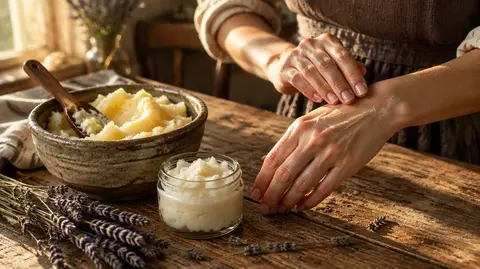
A KitchenAid or even a hand mixer turns rendered tallow into whipped body butter in five minutes. One pound of bulk tallow makes about 6 to 8 four-ounce containers of whipped body butter. The unit cost lands well under most drugstore lotions, and the packaging is whatever you already own.
Lips: Refillable Tubes
Empty lip balm tubes are sold in packs of 50. Melt tallow with a tiny amount of beeswax, pour, cool, cap. You will not buy another commercial lip balm tube for years. See our lip balm guide for ratios.
Travel: Solid Bars
Lotion bars made from tallow and beeswax need no packaging beyond a small tin. They survive checked bags and carry-on bags without leaking. Walk through the math in our lotion bar guide.
What Tallow Does Not Solve
Honesty matters here. Tallow does not erase the climate cost of cattle. Beef production has real methane and land impacts. The argument for tallow is not that cattle are environmentally free. The argument is that as long as beef is being produced at current scale, using the fat coproduct for skincare is dramatically lower-impact than growing, shipping, and refining a new crop for the same purpose.
If you eat no beef and avoid all animal products, tallow may not align with your values, and that is a different conversation. If you eat beef or are surrounded by people who do, the fat already exists. Using it is the lower-waste decision.
How to Vet a “Sustainable” Tallow Brand
A few quick filters that separate real sourcing from greenwashing.
- They state the country and region of origin.
- They specify grass-fed or grass-finished, not just “natural.”
- They use glass jars or metal tins, not airless plastic.
- The ingredient list has fewer than 8 items.
- They do not add palm-derived emulsifiers or petroleum-based ingredients.
- They render in small batches rather than buying bulk industrial tallow.
Santa Cruz Paleo and Terra Lotus Unscented both meet most of these tests. For raw bulk tallow, the 4-pound grass-fed option is the most-sustainable affordable choice in the U.S. market right now.
Frequently Asked Questions
Is beef tallow really more sustainable than plant-based oils?
When tallow is treated as a byproduct of beef already in production, yes. You are using fat that would otherwise enter the rendering or waste stream. Plant oils require new acreage, irrigation, processing, and shipping that did not have to exist.
Does grass-fed tallow have a smaller carbon footprint than grain-fed?
Generally yes, especially when the pasture is well-managed. Soil carbon sequestration and lower external feed inputs reduce the net footprint per pound of tallow produced.
What is the most plastic-free way to use tallow skincare?
Buy bulk tallow in a single large tub, store in glass jars at home, and refill small containers you already own. A guide to home rendering and storage is on our body butter make page.
Is tallow biodegradable?
Yes. Pure rendered tallow biodegrades in soil and compost. Petroleum jelly and many synthetic emollients do not.
How does tallow compare to beeswax for sustainability?
Beeswax is also a byproduct, in this case of honey production. Both rank well. Tallow has higher per-animal yield and broader availability. Many of the best low-waste balms combine both.
Can I make a whole skincare routine from one tub of bulk tallow?
Yes. A 4 lb tub of grass-fed tallow is enough for face balm, body butter, lip balm, lotion bars, and a few jars to gift, with leftovers for cooking.
Bottom Line
Beef tallow is the lowest-waste skincare ingredient available because it is already produced, already abundant, locally renderable, biodegradable, and packageable in reusable glass. No other moisturizing fat clears all those bars at once. This Earth Day, the highest-impact swap most people can make is replacing one petroleum or imported plant oil product with one jar of grass-fed tallow balm.
Explore more tallow guides
Browse our collection of recipes, comparisons, reviews and DIY tutorials.
View all guidesKing Tallow is reader-supported. We research and test the products we recommend, and when you buy through links on this page we may earn a commission at no extra cost to you. See our affiliate disclosure.
This article is for general information and is not medical advice. Patch test new skincare and talk to a dermatologist or doctor about persistent skin conditions.
Published