
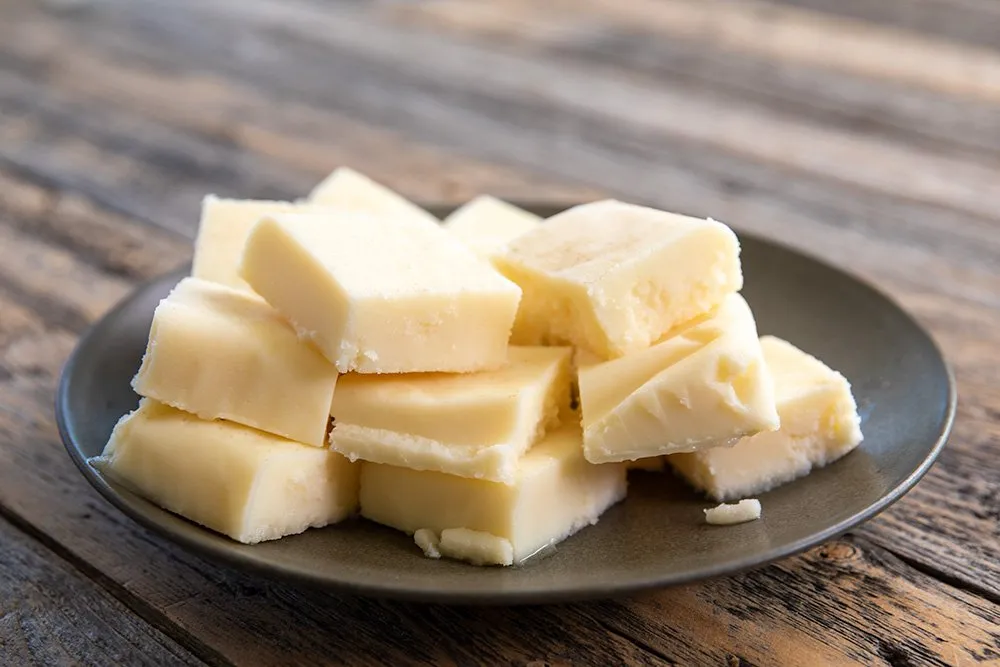
Cooking Fat Comparison
Beef Tallow vs Palm Oil
Palm oil is the world's most used vegetable oil, but its environmental impact has made many consumers look for alternatives. How does it compare to beef tallow?
Tallow Smoke Point
400°F
Palm Oil Smoke Point
450°F
Our Verdict
Beef Tallow Wins
Side-by-Side Comparison
Factor
Beef Tallow
Palm Oil
Smoke Point
400°F
450°F
Flavor Profile
neutral, savory
neutral to earthy
Best For
frying, roasting, baking
commercial frying, processed foods
Saturated Fat
50%
49%
Shelf Life
1-2 years
2+ years
When to Use Each Fat
Choose Beef Tallow When...
- You need high-heat cooking (frying, searing, roasting)
- You want a neutral to savory flavor profile
- You're avoiding industrially processed seed oils
- You want a stable fat that can be reused for frying
Choose Palm Oil When...
- You specifically need commercial frying, processed foods
- You want the neutral to earthy flavor profile
- You're following a recipe that specifically calls for it
Our Verdict
The Bottom Line
Beef tallow wins for environmentally conscious cooks. Local, grass-fed tallow has a far lower environmental footprint than tropical palm oil with its deforestation concerns.
Frequently Asked Questions
Is beef tallow better than Palm Oil for cooking? ▼
Beef tallow wins for environmentally conscious cooks. Local, grass-fed tallow has a far lower environmental footprint than tropical palm oil with its deforestation concerns.
What is the smoke point of beef tallow vs Palm Oil? ▼
Beef tallow has a smoke point of 400°F, while Palm Oil has a smoke point of 450°F.
Can I substitute beef tallow for Palm Oil? ▼
Yes, in most cooking applications beef tallow can substitute for Palm Oil. Beef tallow is best for frying, roasting, baking, while Palm Oil excels at commercial frying, processed foods.
Want to learn more about beef tallow?
Read our step-by-step guide to rendering beef tallow at home.
View Rendering Guide →