


Beef Tallow Calories and Macros: Complete Nutritional Breakdown
Reader-supportedBeef tallow calories per tablespoon, teaspoon, cup, and pound. Full macro breakdown, fatty acid split, and side-by-side with butter, lard, coconut and olive oil.

This post contains affiliate links. We may earn a commission if you purchase through these links, at no extra cost to you.
This is the post I wish I had bookmarked the first time I started cooking with tallow. If you are tracking macros, planning a keto week, or just trying to figure out how many calories ended up in your skillet, the table below is where you start.
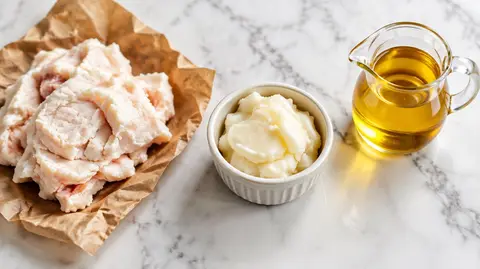
All values are pulled from the USDA FoodData Central entry for beef tallow (FDC ID 173025), cross-checked against the generic “Beef, Edible Suet” entry (FDC ID 169448). The numbers are stable across sources because rendered tallow is one of the simpler foods on the planet. It is fat. Almost all of it.
Quick Reference: Beef Tallow Calories by Serving
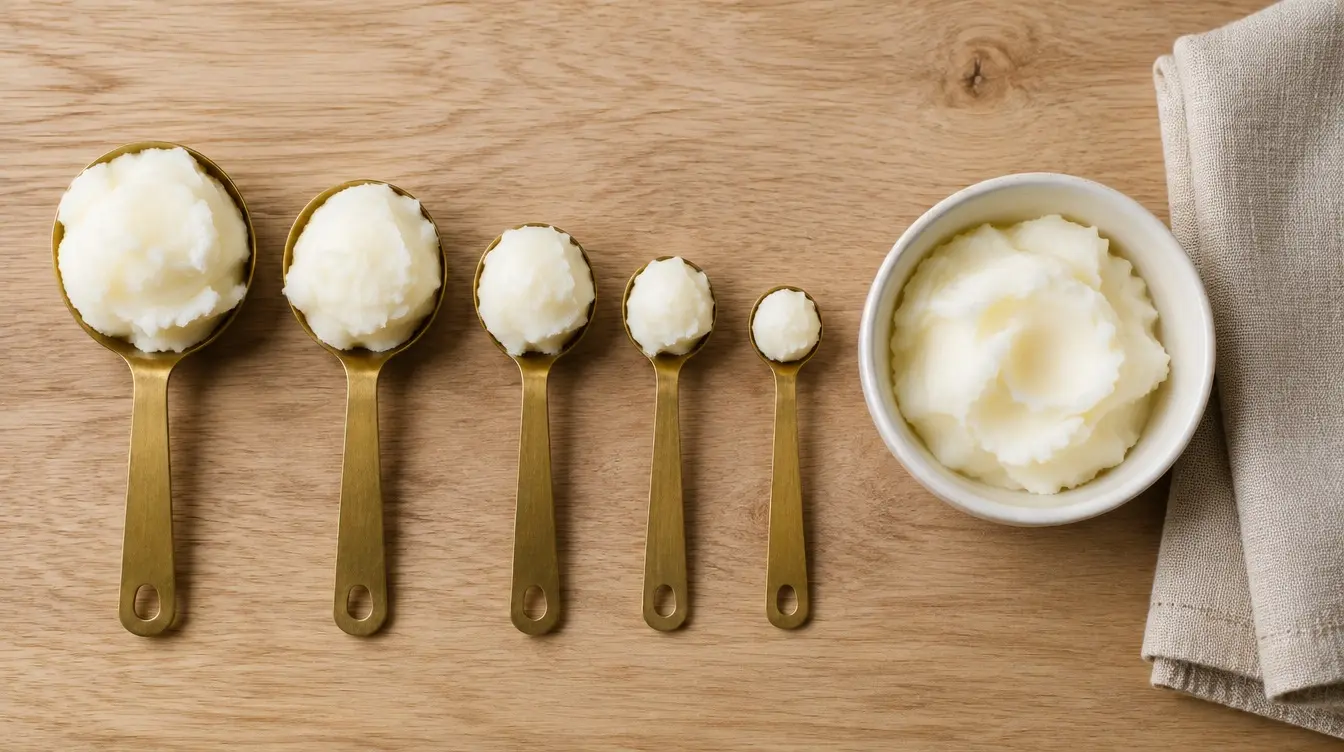
| Serving | Calories | Total Fat | Carbs | Protein |
|---|---|---|---|---|
| 1 teaspoon (4.5 g) | 38 | 4.3 g | 0 g | 0 g |
| 1 tablespoon (12.8 g) | 115 | 12.8 g | 0 g | 0 g |
| 1 fluid ounce (28 g) | 251 | 28 g | 0 g | 0 g |
| 1/4 cup (51 g) | 460 | 51 g | 0 g | 0 g |
| 1 cup (205 g) | 1,849 | 205 g | 0 g | 0 g |
| 1 pound (454 g) | 4,094 | 454 g | 0 g | 0 g |
A tablespoon of beef tallow is roughly 115 calories. That is the number to memorize. Every other figure in the table follows from it.
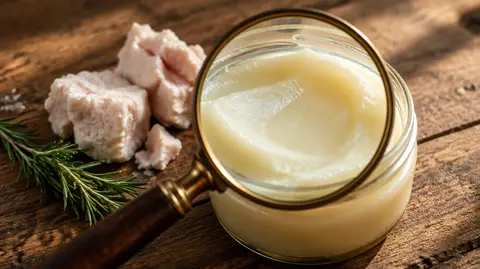
Tallow has zero carbs and zero protein. That is not a marketing claim, it is what happens when you render the muscle and water out of beef fat and end up with pure triglyceride. If your nutrition app shows a non-zero number for either, the app is wrong or your tallow is contaminated.
I cook out of a 4-pound jar of 100% Pure Grass-Fed Beef Tallow and I use a kitchen scale. Volume measurements for solid fat are notoriously unreliable. A “tablespoon” of cold scooped tallow can weigh anywhere from 11 to 15 grams depending on how packed it is. If macros matter to you, weigh it.
The Macro Split: Why Tallow Is Almost All Fat
Per 100 grams of beef tallow, USDA reports:
| Nutrient | Amount |
|---|---|
| Calories | 902 |
| Total fat | 100 g |
| Saturated fat | 49.8 g |
| Monounsaturated fat | 41.8 g |
| Polyunsaturated fat | 4.0 g |
| Trans fat (naturally occurring) | 4.0 g |
| Cholesterol | 109 mg |
| Vitamin E | 2.7 mg |
| Vitamin K | 1.0 mcg |
| Choline | 2.2 mg |
That polyunsaturated number is the one most people misread. Tallow is often described as “mostly saturated,” and the saturated portion is the biggest single category, but monounsaturated fat is right behind it. Oleic acid (the same fatty acid that makes olive oil famous) makes up roughly 43% of the fat in tallow. Stearic and palmitic acids handle most of the saturated portion.
For more on the heart-health side of those numbers, my nutrition science deep dive covers what the meta-analyses actually say versus what the headlines say.
Beef Tallow Calories vs Other Cooking Fats
Most people are surprised by this table. Calorie density across pure fats is almost identical because they are all 9 calories per gram. The differences show up in the macro split and the smoke point, not the calorie count.
| Fat (1 tbsp) | Calories | Sat fat | Mono fat | Poly fat |
|---|---|---|---|---|
| Beef tallow | 115 | 6.4 g | 5.4 g | 0.5 g |
| Lard | 115 | 5.0 g | 5.8 g | 1.4 g |
| Butter | 102 | 7.3 g | 3.0 g | 0.4 g |
| Coconut oil | 121 | 11.2 g | 0.8 g | 0.3 g |
| Olive oil | 119 | 1.9 g | 9.8 g | 1.4 g |
| Avocado oil | 124 | 1.6 g | 9.9 g | 1.9 g |
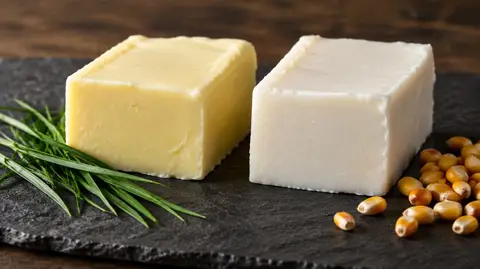
Butter clocks in slightly lower because it is about 16% water and milk solids by weight. Pure rendered tallow has neither, so it packs more calories into the same volume. Coconut oil has the highest saturated fat percentage. Olive and avocado are the monounsaturated leaders.
If you are swapping tallow for butter in a recipe, use 85% of the butter weight to land in roughly the same calorie zone. If you are swapping for olive oil, use a 1 to 1 weight ratio. I covered substitution ratios in more detail in the cooking with tallow primer.
Vitamins and Micronutrients
Tallow is not a vitamin powerhouse and I do not want to oversell it. The fat-soluble vitamins that show up (A, D, E, K) are present but in small amounts and they vary heavily by what the cattle ate. Grass-finished beef produces tallow with measurably higher levels of beta carotene, vitamin K2, and conjugated linoleic acid (CLA) than grain-finished. That is the actual nutritional argument for grass-fed, not a meaningful difference in macros.
If micronutrient profile matters to you, source matters. I have used the Traverse Bay Farms 32 oz jar when I need a deodorized, neutral baseline, and the 4-pound grass-fed bulk jar for everyday cooking.
Practical Cooking Math
A few numbers I use weekly:
- One tablespoon to grease a cast iron skillet: 115 calories.
- Two tablespoons to fry a steak: 230 calories of fat, much of which stays in the pan.
- A quarter cup for a tray of roasted potatoes: 460 calories, distributed across 4 servings means 115 per portion.
- One pound of tallow used to confit a pork shoulder: 4,094 calories of fat, but a small fraction actually ends up in the meat you eat.
When you fry or sear, count the fat that lands on the plate, not the fat in the pan. For deep-frying, food typically absorbs 5 to 10% of its weight in fat. So 12 ounces of fries cooked in tallow pick up roughly 1 to 1.2 ounces of fat, or about 250 to 300 added calories per pound of fries.
Frequently Asked Questions
How many calories are in a tablespoon of beef tallow?
115 calories per tablespoon (12.8 grams). That comes directly from USDA FoodData Central entry 173025. Round to 120 for menu math.
Does beef tallow have any carbs or protein?
Zero of either. Tallow is rendered fat, which means the protein and water have been cooked out and strained. If your jar lists carbs or protein on the label, it is either rounding artifacts or impurities.
Is beef tallow keto-friendly?
Yes. Pure tallow is 100% fat by macronutrient breakdown, which puts it squarely in keto territory. It is also one of the better high-heat keto cooking fats because of its smoke point near 400 degrees Fahrenheit.
Is tallow higher in saturated fat than butter?
Per gram, no. Butter is roughly 51% saturated and tallow is roughly 50%. The bigger difference is mono- and polyunsaturated content. Tallow has more monounsaturated fat than butter does.
How does grass-fed tallow differ nutritionally?
Calorie count is identical. The differences are micronutrients: more conjugated linoleic acid, more vitamin K2, more beta carotene, and a slightly higher ratio of omega-3 to omega-6. Whether those differences matter depends on how much tallow you eat per week.
Bottom Line
Beef tallow is 115 calories per tablespoon, all of it fat, with a roughly 50-42-4 split between saturated, monounsaturated, and polyunsaturated. Zero carbs, zero protein, and a small but real vitamin K and E content that gets a bump if the source is grass-fed.
If you want a cooking jar to work from, the 4-pound grass-fed tub is what I use weekly. If you want a smaller, deodorized starter, the Traverse Bay 32 oz is the budget pick. For the full health context behind these numbers, the tallow nutrition science post and the grass-fed sourcing guide are the next reads.
Explore more tallow guides
Browse our collection of recipes, comparisons, reviews and DIY tutorials.
View all guidesKing Tallow is reader-supported. We research and test the products we recommend, and when you buy through links on this page we may earn a commission at no extra cost to you. See our affiliate disclosure.
Published