

This post contains affiliate links. We may earn a commission if you purchase through these links, at no extra cost to you.
A restaurant friend of mine called me last spring to ask about switching his fryer from soybean oil to beef tallow. He runs a 60-seat burger spot in Austin with two open fryers and goes through about 200 gallons of oil a month. The math he had been quoted by a tallow supplier looked worse than seed oil on a per-gallon basis, and he wanted to know if I thought it was worth the switch anyway.
Six months later, his cost per pound of finished fries was lower than it had been on seed oil. Not because the tallow itself was cheaper. Because the tallow lasted three times as long in the fryer before it needed to be replaced, the customer count went up, the burger plates were going out at higher attachment, and the labor cost of oil changes dropped by two-thirds.
The bulk tallow conversation for restaurants is a different conversation than the home cooking one. The sourcing channels are different, the volume considerations are different, the food safety requirements are different, and the ROI math is genuinely complicated. This post is for restaurant operators, food service buyers, and anyone evaluating a switch to commercial tallow at scale.
If you want the home-cook angle on why tallow performs so well in a fryer, the beef tallow frying guide covers the cooking side. For the cultural and historical context on commercial tallow use, the old McDonald’s fries story is the famous case. This post is the operator-focused B2B angle.
Volume Tiers: How Bulk Tallow Actually Ships
Bulk tallow comes in four standard formats, and which one you buy depends on your weekly volume.
5-gallon pail (35 to 40 pounds). This is the entry tier for small restaurants and food trucks. A single pail is roughly one fryer change. Pails ship via standard pallet freight and store easily in a dry cool room. Cost per pound is the highest at this tier, but you avoid storage challenges.
50-pound cube or block. Mid-tier for restaurants doing 200 to 500 pounds a week. Often shipped as a paperboard cube containing a poly-lined bag. Reduce price per pound by 10 to 15% compared to pails. Storage requires a clean, cool, dry area away from any food contamination sources.
1,000-pound tote. Standard for high-volume operations and multi-unit chains. The tote is reusable, the per-pound price drops another 8 to 12%, and refills can be scheduled on a regular delivery cadence. Requires forklift access.
Tanker truck (7,500 to 8,000 gallon, approximately 55,000 to 60,000 pounds). This is the commissary tier. Multi-unit chains, central commissary kitchens, and large food manufacturers buy at tanker volume. The product is delivered liquid (kept above the melting point of around 113 degrees Fahrenheit during transit) and pumped directly into storage tanks. Per-pound cost is the lowest by 25 to 35% compared to pails. Requires significant infrastructure: heated storage tank, transfer pump, food-grade piping, and a maintenance schedule.
Most independent restaurants land in the pail or cube tier. Multi-unit operations move into totes by year two or three. Tanker is for vertically integrated kitchens.
Food-Safe Grade Requirements
Not all rendered tallow is food grade. For commercial kitchen use, you need product from a USDA-inspected facility, with documentation. Here is what to look for:
- USDA inspection. The rendering facility must be USDA-inspected and the establishment number should appear on the bulk packaging or shipping documentation. The “USDA Inspected and Passed” shield matters.
- HACCP plan compliance. The supplier should have a Hazard Analysis and Critical Control Points plan that addresses the specific risks of tallow rendering (cross-contamination, temperature control during render, microbial control during cooling and packaging).
- Free fatty acid (FFA) specification. A quality bulk tallow should have FFA below 1.0% for fresh product. Higher FFA indicates degradation. Ask the supplier for a Certificate of Analysis.
- Peroxide value specification. Should be below 5.0 mEq/kg for fresh product. Higher values indicate oxidation.
- Moisture content. Below 0.5% for properly rendered bulk product. Higher moisture promotes microbial growth and reduces shelf life.
- No antioxidant additives unless specified. Some bulk tallow has BHA or BHT added for shelf stability. If you are running a “clean label” brand, ask for additive-free product.
- Allergen control documentation. Beef-derived product is itself an allergen for some consumers; the facility should also have a clean record on cross-contamination with other allergens.
A reputable bulk supplier will provide a Certificate of Analysis (COA) with every shipment. If they will not, find a different supplier. The COA is your record-keeping foundation for food safety audits.
Case Studies: Who Uses Tallow Commercially
A few examples that have shaped current restaurant-industry thinking.
Five Guys (national chain). Five Guys has used 100% peanut oil since founding, not tallow, but the chain is mentioned in this context because their commitment to a single, premium fryer fat is the model that tallow-curious operators copy. The lesson is that fryer fat consistency is a marketing asset.
Buffalo Wild Wings. Buffalo Wild Wings switched from a beef tallow blend to soybean oil in the 1990s and has stayed there since. The reverse switch (back to tallow) is being discussed in operator circles now that the seed oil concerns have entered mainstream consumer awareness.
McDonald’s (1955 to 1990). The famous case. McDonald’s used a 93% beef tallow, 7% cottonseed oil blend in their fryers from the chain’s founding until 1990, when they switched to vegetable oil under public health pressure. The original fries were widely considered the best fast-food fries ever produced. Multiple independent operators have rebuilt the original formula and consistently report customer feedback that matches the historical reputation.
Steak houses (industry-wide). Most premium steak houses use beef tallow for steak searing and many use it as the fryer fat for French fries and onion strings. The flavor profile is widely considered superior for steak-house menus.
Local burger chains (regional). Operators like In-N-Out (uses sunflower oil), Whataburger (canola), and Shake Shack (canola/sunflower) have stayed with seed oils. The opening for a tallow-based regional burger brand is a frequent topic in industry trade publications.
New tallow-forward concepts. Several US-based smash burger and traditional-fryer concepts have launched in the past 36 months specifically built around 100% beef tallow frying. Early customer-acquisition numbers have been strong, particularly among the “real food” demographic that drives ancestral nutrition content online.
ROI Analysis
This is where the conversation gets interesting. Per-pound, beef tallow is roughly 1.5 to 2.5 times the cost of soybean oil at bulk pricing. That is the sticker shock that stops most operators at the first call with a tallow supplier. The actual operating math is different.
Fryer life: Soybean oil in a typical restaurant fryer is changed every 5 to 7 days due to free fatty acid buildup, polymerization, and flavor degradation. Beef tallow in the same fryer can run 14 to 21 days before requiring change. This is consistently observed in restaurant-trade reporting and has been documented in food science literature on fryer fat polymerization rates.
Labor cost of oil changes: A typical fryer change takes 45 to 60 minutes of labor. At 4 changes per month on seed oil versus 1.5 changes per month on tallow, the labor savings on a single fryer are substantial. Multiply across multiple fryers and the savings scale.
Disposal cost: Used fryer oil disposal has a cost (or in some markets, a small revenue from rendering buy-back). Tallow generates less waste per pound of food produced because of the longer fryer life.
Food cost per portion: The relevant number is not cost per pound of fat. It is cost per pound of finished food. When fryer life triples, cost per finished portion falls. A typical operator switching from soybean oil to tallow sees finished cost per portion drop by 8 to 15% after the math settles.
Menu pricing and customer perception: Tallow-fried menu items command higher menu prices in concepts that market the fryer fat. A burger menu that calls out beef tallow fries can typically charge $1 to $2 more per plate than the same plate fried in seed oil. This is the marketing lever that turns the tallow switch from cost-neutral to genuinely profitable.
The full math depends on your specific volume, fryer configuration, menu, and pricing power. The summary is that the cost per pound of the fat itself is the wrong number to focus on. Fryer life, labor savings, disposal economics, and menu pricing power are the levers that matter.
HACCP and Storage Considerations
Bulk tallow at scale needs storage infrastructure that the average kitchen does not have on day one.
Temperature control during storage. Solid tallow at room temperature is stable. Liquid tallow (in tanker storage or heated supply lines) requires temperature monitoring. Hold at 130 to 140 degrees Fahrenheit for liquid storage. Above 160 degrees accelerates degradation. Below the melting point of 113 degrees causes solidification in lines and pumps.
Tank design for liquid storage. Stainless steel construction. Insulated jacket for temperature control. Bottom drain with a sediment trap. Vapor venting to prevent moisture buildup. Inspection port for monthly visual inspection.
Pump and supply line specifications. Food-grade stainless or food-grade plastic. Heat-traced or insulated lines if running across an unheated space. Quick-disconnect fittings for cleaning. Monthly cleaning protocol documented.
Cross-contamination prevention. Tallow handling equipment should be dedicated and labeled. Cross-contact with seed oils, dairy, or allergens should be controlled by physical separation and cleaning protocols.
Receiving inspection. Every delivery should be inspected for product condition (no signs of oxidation, off odors, or contamination), checked against the Certificate of Analysis, and logged in your receiving records. Temperature of liquid delivery should be verified.
Documentation. Maintain COAs for every shipment, receiving logs, fryer change logs, oil quality test results (a simple TPM meter for total polar materials is the industry standard), and disposal records. This documentation supports both internal quality control and external food safety audits.
Recommended Suppliers
I do not have direct affiliate relationships with bulk tallow suppliers, and I cannot recommend specific commercial sources with the same confidence I have in the retail products I have tested personally. What I can tell you is what to look for in a supplier.
Established renderers with USDA certification. Long-established American renderers with USDA-inspected facilities are the foundation of bulk supply. Names like Darling Ingredients, Baker Commodities, and Sanimax operate at industrial scale and supply most of the food-service market either directly or through distributors.
Regional specialty renderers. Smaller, regional rendering facilities often produce premium grass-fed bulk tallow for the specialty restaurant market. Search “USDA inspected tallow renderer” in your region and call directly. Many small renderers sell B2B without a website presence.
Food service distributors. Sysco, US Foods, and Performance Food Group all stock bulk beef tallow in their food service catalogs. The product moves slowly enough that you may need to special-order or commit to a minimum case quantity. Pricing is usually higher than buying direct from a renderer but the delivery logistics are simpler.
Co-op buying programs. Some regional restaurant associations and culinary co-ops have negotiated bulk pricing programs for member operators. Worth asking your local restaurant association.
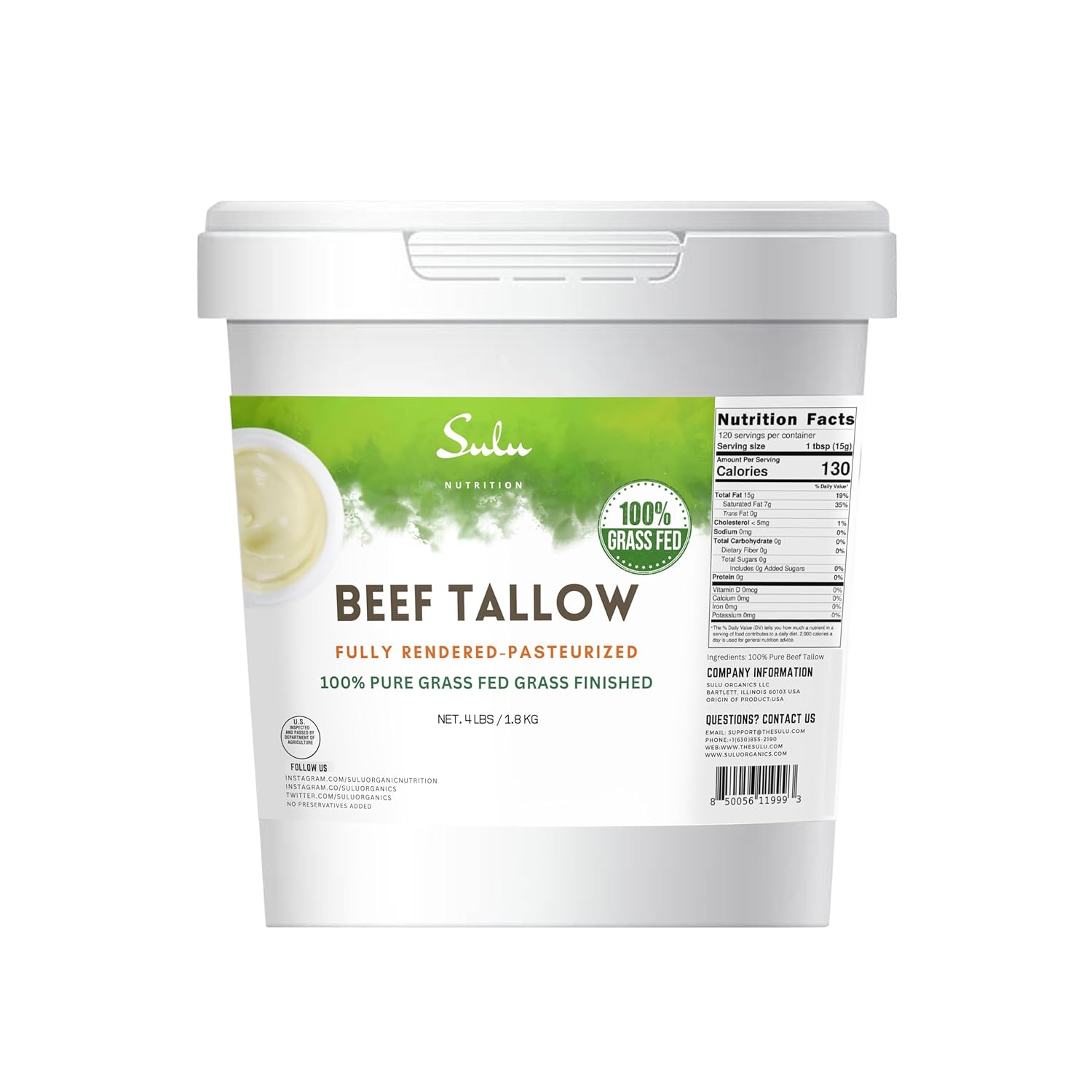
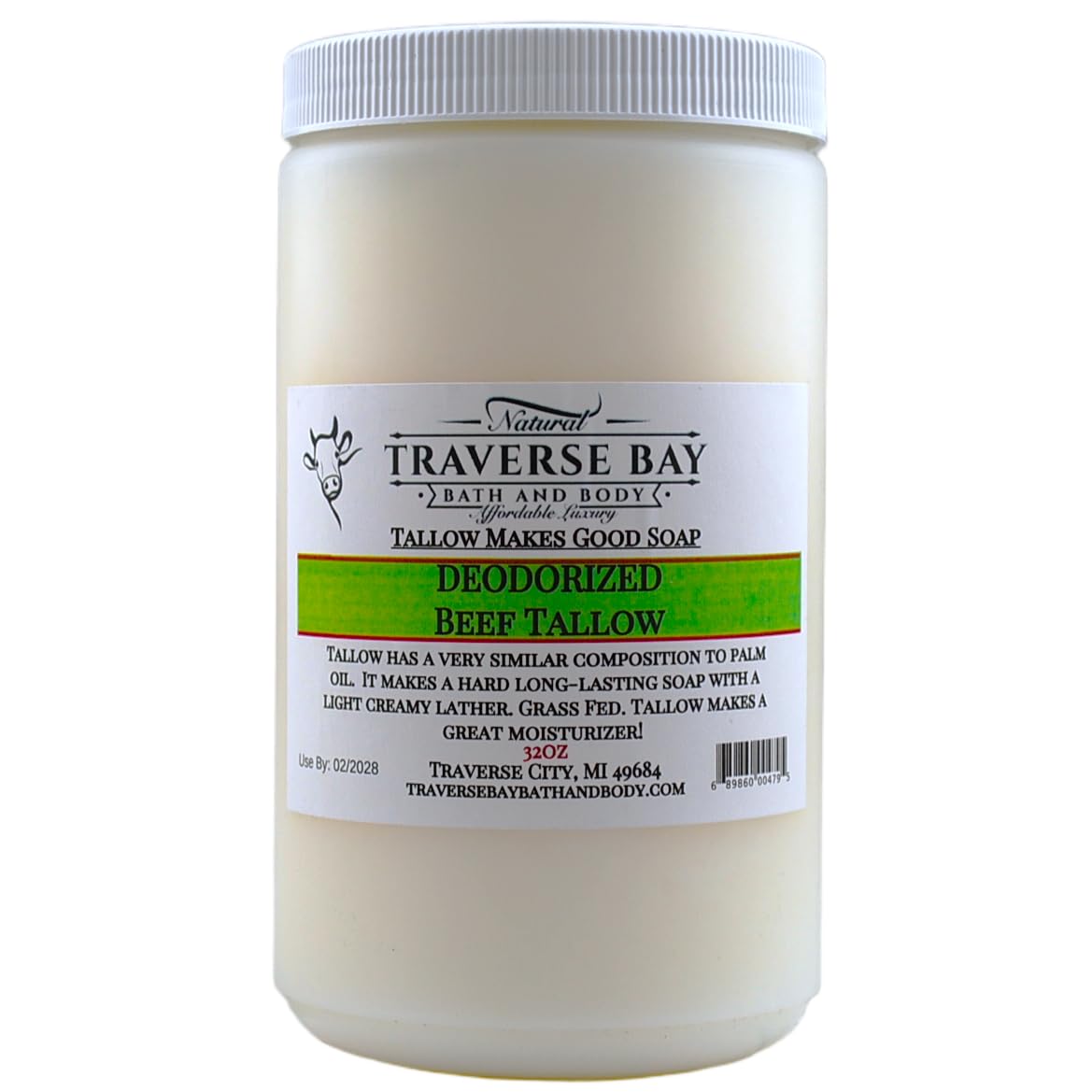
For a sense of the small-batch end of the market (relevant for tasting comparisons, recipe development, and small concepts in pilot phase), the 4-pound grass-fed bucket is a good benchmark product. The Traverse Bay 32 oz is another reasonable benchmark. Use either to confirm the quality you want before committing to a 1,000-pound tote.
Common Pitfalls in the Transition
A few things go wrong when restaurants switch from seed oil to bulk tallow. Avoid these and the conversion goes smoothly.
Underestimating storage requirements. Solid tallow at room temperature is stable, but storing 1,000 pounds of solid fat requires real square footage. Many restaurants do not have the dry storage room. Plan space before ordering.
Confusing flash-fry temperature behavior. Tallow holds heat better than seed oil. Drop a basket of frozen fries into 350-degree tallow and the fat recovery is faster than your line cooks may expect. Adjust cook times slightly downward and train staff on the new behavior.
Skipping the customer-communication step. Customers notice the change. Most love it. Some who are unfamiliar with tallow or have specific dietary requirements (kosher, halal, vegetarian) need to know. Update your menu, train your staff, and put a small note on the website.
Not adjusting filtration schedule. Tallow benefits from daily filtration to extend life. Most restaurants filter seed oil daily anyway, so this is not a new step, but the importance increases. Skip a day and you cut tallow life by 30 to 40%.
Disposal handoff confusion. Used tallow has a different disposal pathway than used seed oil in many markets. Some rendering companies will buy back used tallow at a small per-pound rate. Set up the disposal vendor before your first oil change.
Frequently Asked Questions
Is bulk beef tallow allergen-friendly?
Beef itself is an allergen for some consumers. The tallow is not dairy, gluten, soy, or nut, so it is friendlier than many cooking fats. Vegetarians and vegans cannot consume it. Kosher and halal certifications exist for some specialty bulk tallow suppliers if your concept requires.
How long does bulk tallow last in storage?
Properly stored solid tallow lasts 12 months minimum from production date with no quality degradation. Liquid tallow in temperature-controlled tank storage lasts 6 to 9 months. Always rotate stock first-in-first-out and check Certificate of Analysis dates on receipt.
Can I blend tallow with seed oil to reduce cost?
You can, and some operators do. A 70/30 tallow/canola blend captures most of the flavor benefit and most of the fryer-life benefit at a lower per-pound cost. The marketing story gets harder if you are explicitly calling out tallow.
What about beef tallow shortages?
Tallow supply tracks beef supply. Beef production volumes are predictable and bulk tallow has not had significant supply disruptions in recent decades. Pricing fluctuates with cattle markets. Establishing a long-term contract with a renderer can lock in pricing for 6 to 12 months at a time.
How do I evaluate a sample before committing to a tote or tanker order?
Request a 5-gallon sample pail. Run it in one fryer for one full cycle (14 to 21 days). Measure cost per finished portion. Get customer feedback. Decide based on real operating data, not on the sticker price.
Are there regulatory issues with serving tallow-fried food in certain states?
There are no current US regulations restricting beef tallow as a food service fat. Some local jurisdictions have considered nutritional labeling requirements that may apply. Check with your local health department. Internationally, regulations vary; European and Australian markets have specific requirements you would need to research.
Bottom Line
Switching a commercial kitchen to bulk beef tallow is a real operational decision with real economics behind it. The per-pound cost looks worse than seed oil at first glance. The cost per finished portion, factored against fryer life and labor savings, often looks better. The customer perception lift, in a market that has woken up to seed oil concerns, can be the lever that turns the math from break-even into a meaningful margin gain. For an operator considering the switch, start with a sample pail from a USDA-certified supplier, run it through one full fryer cycle, measure the real numbers, and decide from there. The chains that figured this out in the 1950s built empires on the result. The chains figuring it out again in 2026 are positioned for the same kind of run.