Skip to content
King TallowKing Tallow
Homemade tallow natural deodorant
Easy DIY Recipe

How to Make Natural Deodorant with Beef Tallow

Melt 3 tbsp grass-fed beef tallow with 2 tbsp virgin coconut oil, then stir in 2 tbsp baking soda and 2 tbsp arrowroot powder once cooled to about 110 °F. Pour into an empty deodorant tube and chill 1 hour to set. Active time is 10 minutes; the stick lasts roughly 8 weeks of daily use, costs about $0.04 per day, and controls odor by neutralizing the bacteria (Corynebacterium, S. epidermidis) that metabolize sweat, without aluminum.

By Miles Carter , Holistic Chef & DIY Skincare Formulator Last tested April 15, 2026 17 batches made
Total time
1 hour 20 minutes
Active time
10 minutes
Yield
2.5 oz stick (≈ 8 weeks daily use)
Shelf life
6 months unrefrigerated
Cost / batch
$2.30
Difficulty
easy

Why this recipe actually works

Body odor is not sweat itself, fresh sweat from eccrine and apocrine glands is essentially odorless. Odor is what happens 30-60 minutes later when underarm bacteria (Corynebacterium spp., Staphylococcus epidermidis, and to a lesser extent Cutibacterium acnes) metabolize the proteins and lipids in apocrine sweat into volatile short-chain fatty acids and thioalcohols. A working natural deodorant has to do four things at once: feed the skin barrier (tallow), suppress the bacteria (coconut, EOs), absorb moisture without feeding yeast (arrowroot, not cornstarch), and raise pH or bind sweat enough to break the metabolic cycle (baking soda or magnesium hydroxide).

Lipid biomimicry rebuilds the underarm barrier

Aluminum-based antiperspirants and the alcohol/PEG carriers in commercial deodorants strip the underarm's lipid film. Beef tallow's palmitoleic acid (C16:1, ≈ 3%) is found at ≈ 20% in human sebum and almost nowhere else in nature. It integrates into the stratum corneum lipid lamellae rather than sitting on top, which is why a tallow base stops the chronic dryness and post-shower itch that plague users of conventional sticks.

Source [1]

Lauric acid is bactericidal at the concentrations in coconut oil

Coconut oil is ≈ 50% lauric acid (C12:0). Lauric acid and its monoglyceride monolaurin disrupt the cell membranes of Gram-positive skin bacteria, including Corynebacterium and S. epidermidis, the primary odor-generating species in the axilla. This is why the coconut-oil portion is non-negotiable; replacing it with a non-lauric oil collapses the antimicrobial mechanism even if you keep everything else.

Source [2]

Arrowroot absorbs sweat without feeding Candida

Arrowroot powder (Maranta arundinacea) is a fine starch with a grain size around 10-20 µm, small enough to wick eccrine sweat away from the skin surface. Unlike cornstarch, which is a known substrate for Candida albicans (a contributor to underarm yeast intertrigo), arrowroot has not shown the same yeast-feeding profile in dermatology literature and is the preferred starch for axillary formulations.

Source [3]

Baking soda raises local pH past the bacterial sweet spot

Underarm odor bacteria thrive at skin pH 5.5-6.5. Sodium bicarbonate raises the immediate surface pH to ≈ 8-9, which suppresses Corynebacterium metabolism for 6-12 hours. The trade-off is that this same alkalinity can disrupt the acid mantle and cause the now-famous 'baking soda rash' in 10-15% of users, which is why the sensitive variant in this guide swaps it for magnesium hydroxide, a gentler alkaline buffer (pH ≈ 9.5 in solid form but only mildly basic on skin).

Source [4]

Why Make Natural Deodorant with Tallow?

Aluminum-free odor control that actually works

Most natural sticks fail because they're 80% coconut oil with a pinch of essential oil. This formulation hits four mechanisms (barrier, antimicrobial, absorbent, pH) simultaneously, which is why it lasts 8-12 hours on sedentary days and 4-6 hours under exertion.

Rebuilds the post-antiperspirant skin barrier

Users switching from aluminum experience a 2-4 week 'detox' period where apocrine glands flush stored secretions. Tallow's lipid replenishment shortens that adjustment by visibly restoring barrier hydration in the first week.

No endocrine-disruptor load

Free of aluminum chlorohydrate, parabens, propylene glycol, triclosan, and synthetic fragrance, all of which have peer-reviewed associations with either contact dermatitis or endocrine modulation.

Cost: roughly $0.04 per day vs $0.18 for premium naturals

A $2.30 batch outlasts two $14 sticks of Native or Schmidt's. Annualized savings are $80-$120 for a daily user.

Works as a deodorant for feet, sports gear, and post-workout undershirts too

The same stick can be rubbed inside running shoes or onto the inside of a hat band, the lauric/baking-soda combo deodorizes anywhere skin meets fabric.

Ingredients

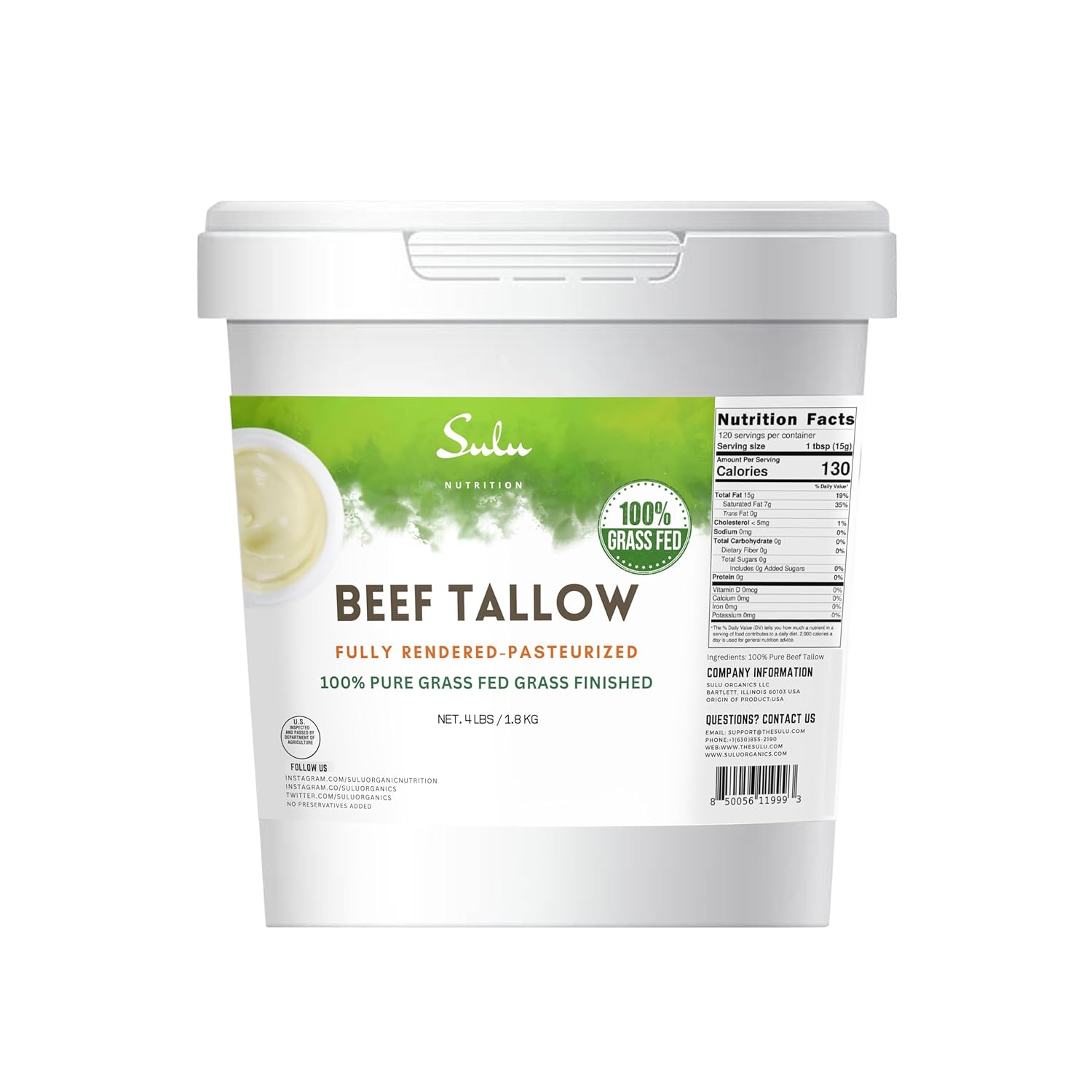
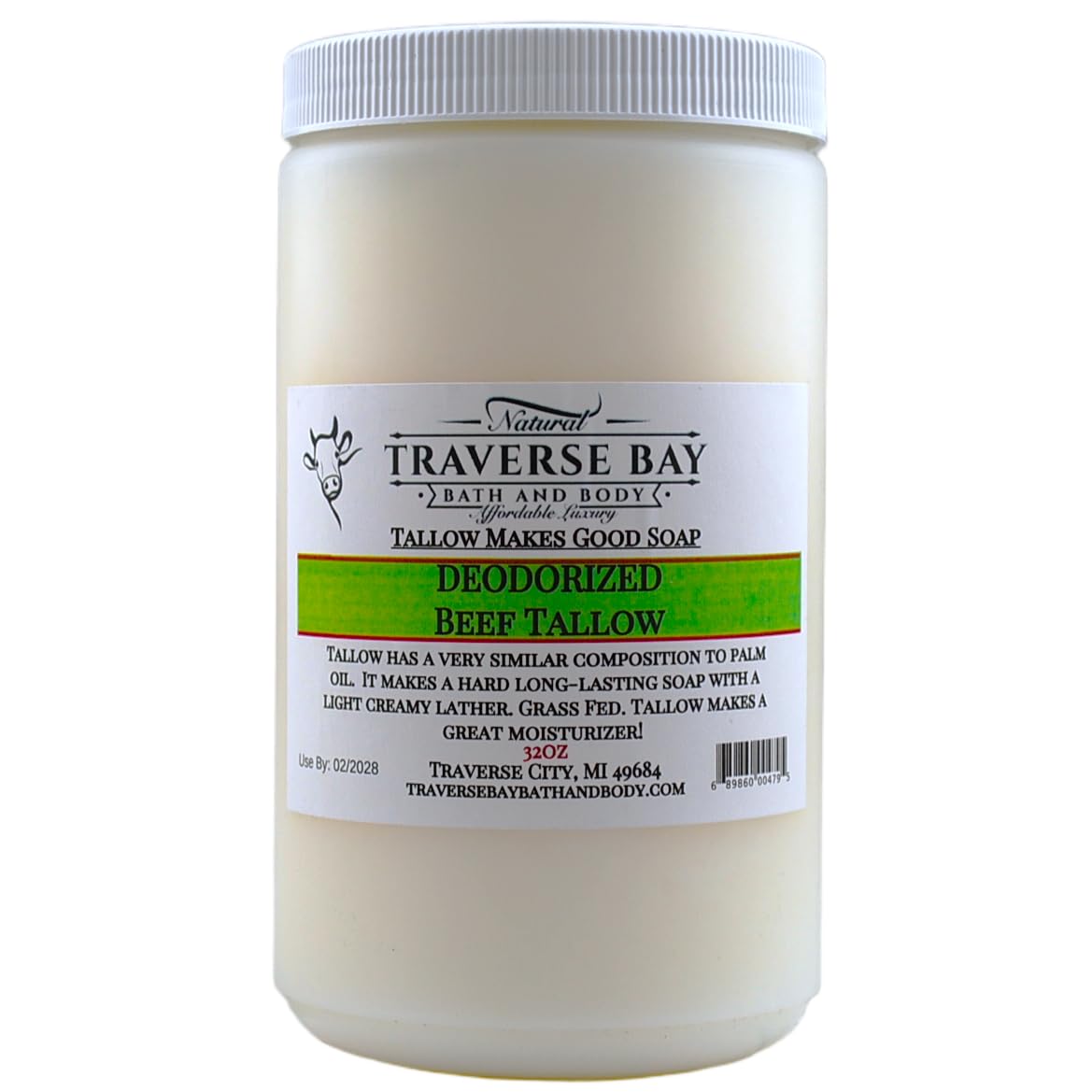
Grass-fed beef tallow

3 tbsp (1.5 fl oz) (42 g) $0.90

Provides the lipid backbone, biomimetic palmitoleic acid, and the semi-solid structure that holds the powders in suspension at body temperature. Without tallow you get either a greasy oil slick (pure coconut) or a chalky paste (pure powders).

What to look for
  • 100% grass-fed and grass-finished, pasture tallow has 2-3× the CLA
  • Rendered from leaf or kidney fat for the whitest colour and faintest scent
  • No added 'natural flavor' or smoke-point modifiers
  • Should be firm at 65 °F, soft at 75 °F
Substitutions
Swap in Tradeoff
Bison tallow Slightly higher palmitoleic content; about 2× the price
Mango butter (vegan) Lacks palmitoleic acid; loses biomimetic effect; reformulate to 4 tbsp mango + ½ tsp beeswax for stick firmness

Cosmetic-grade whipped tallow from US Wellness Meats or White Oak Pastures, or render leaf fat yourself for ≈ $0.30/oz.

Virgin coconut oil

2 tbsp (1 fl oz) (28 g) $0.25

Carries the lauric-acid antimicrobial activity that suppresses Corynebacterium and S. epidermidis. Its 76 °F melt point makes the stick glide on at body temperature without needing alcohol or PEG carriers.

What to look for
  • Cold-pressed, unrefined virgin coconut oil
  • Solid at 70 °F, fully clear when melted
  • USDA Organic preferred
Substitutions
Swap in Tradeoff
Babassu oil Same lauric backbone, lighter feel, higher cost
Refined coconut oil Use if you dislike coconut scent, slight reduction in antimicrobial activity

Aluminum-free baking soda (sodium bicarbonate)

2 tbsp (32 g) $0.10

Raises underarm surface pH to ≈ 8-9, which suppresses the metabolism of odor-producing bacteria for 6-12 hours. The single most powerful odor-control ingredient in the formula, but also the most likely irritant.

What to look for
  • Aluminum-free (Bob's Red Mill or Arm & Hammer 'Pure')
  • Fine grind, coarse soda feels gritty under the arm
  • Fresh box (within 12 months); old soda clumps and loses potency
Substitutions
Swap in Tradeoff
Magnesium hydroxide powder Gentler pH, almost no irritation. Use 1.5 tbsp magnesium hydroxide in place of 2 tbsp baking soda. This is the sensitive-skin gold standard.
Zinc ricinoleate Binds odor molecules instead of raising pH. Use 1 tbsp; pairs well with extra arrowroot. Most expensive option.

Arrowroot powder

2 tbsp (16 g) $0.30

Absorbs eccrine sweat at the skin surface to keep the underarm dry without occluding the gland. Arrowroot's particle size (10-20 µm) wicks moisture without the Candida-feeding profile of cornstarch.

What to look for
  • Pure Maranta arundinacea, not 'arrowroot blend' (often 50% tapioca)
  • Bone-white, no off-smell
  • Fine, talc-like feel between the fingers
Substitutions
Swap in Tradeoff
Tapioca starch Similar absorbency; slightly denser feel
Kaolin clay (white) More absorbent and gentle; gives a matte powder finish; may feel chalky to some users
Cornstarch Avoid, known Candida substrate, increases yeast intertrigo risk in warm climates

Essential oils (optional but recommended)

15-20 drops (0.75-1 ml) $0.40

Adds antimicrobial reinforcement (tea tree's terpinen-4-ol, palmarosa's geraniol) and scent. Skip entirely for the unscented sensitive variant.

What to look for
  • Therapeutic-grade, GC/MS-tested
  • Stored in dark glass, citrus oxidizes fastest
  • Patch test new combinations on inner forearm for 24 hours
Substitutions
Swap in Tradeoff
Skip entirely Use unscented for pregnancy, children, or fragrance-sensitive users

Tea tree (Melaleuca alternifolia) and palmarosa (Cymbopogon martinii) are the two best-supported axillary EOs in the literature.

Vitamin E oil (mixed tocopherols, optional)

5 drops (0.25 ml) $0.35

Antioxidant, slows oxidation of the unsaturated fats in tallow and coconut oil, extending shelf life from 6 to 9 months.

What to look for
  • Mixed tocopherols (d-alpha + beta + gamma + delta), not synthetic alpha-tocopheryl acetate
  • Sourced from non-GMO sunflower or soy
Substitutions
Swap in Tradeoff
Rosemary CO2 extract Stronger antioxidant; adds a faint herbal scent

Equipment

Tool Why you need it
Double boiler (or glass bowl over a saucepan) Indirect heat keeps tallow under 180 °F so the unsaturated fats don't oxidize
Empty deodorant tube (twist-up) or 2.5 oz tin/jar Final container, twist-up tubes give the cleanest application
Digital kitchen scale (0.1 g) Tablespoon volumes vary by ±15% with whipped fats; weighing keeps batches consistent
Instant-read thermometer Confirms the 110 °F pour temperature, pouring too hot melts the tube; too cold and the powders settle out
Silicone spatula or small whisk Folds the dry powders into the melted fats without lumping
Small sieve or tea strainer Sift baking soda and arrowroot to remove clumps before adding to fats

Recommended tallow for this recipe

We test and research the products we recommend. If you buy through these links we may earn a commission at no extra cost to you.

Step-by-step recipe

  1. 1

    Sift the dry ingredients

    In a small bowl, sift 2 tbsp baking soda and 2 tbsp arrowroot through a fine sieve. Whisk for 30 seconds to combine.

    Duration
    2 minutes
    What you'll see
    Powder is uniform pale white, no visible clumps when you tilt the bowl
    Watch out for
    Lumps in the dry mix become hard pebbles in the finished stick, sift even if the powders look smooth in the box.
  2. 2

    Set up the double boiler and melt the fats

    Add 1 inch of water to a saucepan and bring to a low simmer. Set a heatproof glass bowl on top. Add 3 tbsp tallow and 2 tbsp coconut oil. Stir every 30 seconds with a silicone spatula.

    Target temp
    150-160 °F / 65-71 °C
    Duration
    4-6 minutes
    What you'll see
    Both fats fully liquid and clear; no opaque streaks
    Watch out for
    Do not exceed 180 °F. Above that, the unsaturated fats start to oxidize and the stick will smell crayon-like within weeks.
  3. 3

    Cool slightly before adding powders

    Remove the bowl from heat. Let it sit on the counter, stirring every 30 seconds, until the temperature drops to ≈ 130 °F (mixture is still fully liquid but no longer steaming).

    Target temp
    125-135 °F / 52-57 °C
    Duration
    3-4 minutes
    What you'll see
    Bowl is hot to touch but not painful through a folded towel; mixture is glossy and liquid, no opaque edges yet
    Watch out for
    Adding powders to fully boiling fat causes baking soda to clump and partially deactivate.
  4. 4

    Fold in the dry mix

    Sprinkle the sifted baking soda and arrowroot into the fats in three additions, whisking briskly between each. Mix for 1 full minute after the last addition until fully homogeneous.

    Target temp
    Same, ≈ 130 °F
    Duration
    2 minutes
    What you'll see
    Mixture turns opaque white-ivory, with the consistency of warm cake batter; no visible powder streaks on the side of the bowl
    Watch out for
    If you see white grains floating, keep whisking, under-mixed powders cause gritty patches in the finished stick.
  5. 5

    Add essential oils and vitamin E

    Cool the mixture to ≈ 110 °F (still fluid but you can briefly touch the bowl). Stir in 15-20 drops of essential oils and 5 drops of vitamin E. Whisk gently for 15 seconds.

    Target temp
    105-115 °F / 41-46 °C
    Duration
    1 minute
    What you'll see
    Mixture is just starting to look slightly cloudy at the bowl edges; pours like warm honey
    Watch out for
    Hot mixture flashes off essential oils, don't add EOs above 120 °F or you'll lose half the aroma.
  6. 6

    Pour into the tube

    Twist the empty deodorant tube down to the bottom. Pour the warm mixture in steadily, leaving 1/8 inch headspace at the top. Tap the tube gently on the counter to release air bubbles.

    Target temp
    ≈ 110 °F
    Duration
    1 minute
    What you'll see
    Surface is glossy and level; no visible powder layer settling at the bottom of the tube
    Watch out for
    Pouring above 130 °F can warp plastic tubes. If your tube is plastic, hold the pour temp at 110 °F.
  7. 7

    Set in the fridge

    Place the open tube upright in the fridge for 1 hour to set fully. Don't cap until completely solid, trapped condensation accelerates oxidation.

    Target temp
    Fridge ≈ 38 °F / 3 °C
    Duration
    60 minutes
    What you'll see
    Top surface is matte white and firm to a fingernail tap
    Watch out for
    If the surface is uneven (concave 'sinkhole' in the centre), warm the top with a hairdryer for 5 seconds and let re-set at room temp.
  8. 8

    Cure at room temperature for 12 hours

    Move the capped tube to a cool cabinet and let it cure 12 hours before first use. Curing lets the powders fully hydrate and the fat structure settle.

    Duration
    12 hours unsupervised
    What you'll see
    Fully opaque, firm but slightly waxy when you swipe a finger across the top
    Watch out for
    Skipping the cure means the first few applications can crumble or feel powdery, wait the 12 hours.
  9. 9

    Apply

    After showering, dry the underarm thoroughly. Twist up 1-2 mm of stick. Swipe 2-3 strokes per side; warm with a fingertip if needed. Wait 30 seconds for the lipid layer to bond before dressing.

    Duration
    Per use
    What you'll see
    A thin translucent film, not a chalky white layer, chalk means too much product or insufficient melting on contact
    Watch out for
    Apply only to clean, dry skin. Applying over yesterday's residue is the #1 reason users complain about clumping or staining.

Pro tips

  • Reduce baking soda if you have sensitive skin
  • Let skin adjust for 2 weeks when switching from commercial deodorant
  • Reapply after heavy exercise
  • Tea tree oil adds antibacterial boost

Troubleshooting

Every batch is slightly different. Here's how to diagnose and fix the most common problems.

Problem Fix
Baking soda rash / red, itchy underarms after 1-2 weeks of use Stop immediately. Switch to the sensitive variant (1.5 tbsp magnesium hydroxide in place of baking soda). Apply plain tallow balm for 5-7 days to rebuild the barrier before reintroducing deodorant.
Doesn't last all day / odor returns by mid-afternoon Apply 2-3 strokes per side, not one. After 4 weeks of consistent use, microbial baseline shifts and longevity improves. For sustained 10+ hours, switch to the extra-strength variant (add 1 tsp bentonite clay + 5 drops zinc ricinoleate).
Stains shirts (yellow underarm marks) Apply a thinner layer (1-2 mm of stick, not 4 mm). Pretreat shirts with dish soap directly on the stain before washing, Dawn breaks the lipid bond. For workout clothing, switch to the activewear variant (extra arrowroot, less tallow).
Stick won't harden / stays soft and smushy Re-melt the batch, add 1 tsp grated beeswax, re-pour, and re-chill. For permanent hot-climate stability, swap 1 tbsp coconut oil for 1 tbsp cocoa butter in the recipe.
Melts in pocket / purse / car Use the hot-climate variant (add ½ tsp beeswax, raises melt point to ≈ 90 °F) or store the stick at home only and reapply with a finger from a small travel jar at work.
Plastic tube cracking / splitting on first twist-up Cool the next batch to a verified 110 °F before pouring. Use thicker tubes (cardboard or paperboard sticks tolerate higher pour temps).
Armpit detox period, heavy odor and increased sweating in first 2-4 weeks of switching from antiperspirant Power through 2-4 weeks with 2 daily applications. A 1-tbsp bentonite clay underarm mask twice in week one accelerates the reset by binding the flushed proteins. Most users report dramatic improvement at the 3-week mark.
Leaves visible white residue on skin or clothing Reduce arrowroot to 1.5 tbsp and check that you used a full 3 tbsp tallow. Apply a thinner layer and let it absorb 60 seconds before dressing.
Gritty / sandy texture when applying Sift powders through a tea strainer next batch. Pour at 110 °F, not 90 °F, too cold and the structure breaks.
Smells off / cardboard or crayon Discard. Source fresher tallow, store the stick in a cabinet, and add 5 drops vitamin E to the next batch.

Variations

Sensitive (no baking soda, magnesium hydroxide base)

For: sensitive / shaved / waxed / post-laser / pregnancy
Ratio
3 tbsp tallow : 2 tbsp coconut oil : 1.5 tbsp magnesium hydroxide : 2.5 tbsp arrowroot
Essential oils
10 drops lavender, 5 drops chamomile German
Notes
The default for anyone who has reacted to baking soda formulas. Magnesium hydroxide is mildly alkaline (calmer pH curve) and additionally has anti-inflammatory action on irritated stratum corneum.

Extra strength (athlete / heavy odor)

For: normal / athletic / hyperhidrotic
Ratio
3 tbsp tallow : 2 tbsp coconut oil : 1.5 tbsp baking soda : 1 tbsp bentonite clay : 1.5 tbsp arrowroot : ½ tsp zinc ricinoleate
Essential oils
8 drops tea tree, 5 drops palmarosa, 3 drops eucalyptus
Notes
Bentonite's high cation-exchange capacity (CEC ≈ 70-100 meq/100g) binds the proteins and lipids in apocrine sweat directly. Zinc ricinoleate complexes with thioalcohol odor molecules. Lasts 12-14 hours under exertion.

Men's woodsy (cedarwood + lime)

For: normal
Ratio
3 tbsp tallow : 2 tbsp coconut oil : 2 tbsp baking soda : 2 tbsp arrowroot
Essential oils
8 drops cedarwood Atlas, 6 drops lime (steam-distilled, not cold-pressed, avoids photosensitization), 4 drops vetiver
Notes
Earthy with citrus lift. Steam-distilled lime is non-photosensitizing, so safe for daytime exposure to short sleeves.

Unscented (pregnancy, kids, fragrance-sensitive)

For: any
Ratio
3 tbsp tallow : 2 tbsp coconut oil : 1.5 tbsp magnesium hydroxide : 2.5 tbsp arrowroot
Essential oils
None. Add 5 drops vitamin E and 3 drops rosemary CO2 extract as antioxidants.
Notes
Safe for pregnancy, breastfeeding, and children over 6 (younger kids generally don't need deodorant). The only ingredient even mildly bioactive is the magnesium hydroxide buffer.

Stick form vs jar form

For: any
Ratio
Stick: as written. Jar: 3 tbsp tallow : 3 tbsp coconut oil : 2 tbsp baking soda : 2 tbsp arrowroot (more coconut for finger-scoop softness)
Essential oils
Same as your chosen variant
Notes
Jar form is softer, apply with a fingertip rather than swipe-on. Slightly better for hot climates because you control the application thickness.

Kids/teens-friendly first deodorant

For: young / acne-prone underarm
Ratio
3 tbsp tallow : 2 tbsp coconut oil : 1 tbsp magnesium hydroxide : 3 tbsp arrowroot
Essential oils
5 drops lavender, 3 drops sweet orange (steam-distilled)
Notes
Lower alkaline buffer for thinner adolescent skin. The light scent is well-tolerated and avoids the heavy musks of teen-marketed sticks. Safe to start at puberty onset (≈ age 10-13).

Use, care, and storage

How to use it (per shave)

  1. 1. Shower or thoroughly cleanse the underarm, apply only to clean, dry skin.
  2. 2. Pat dry; wait 60 seconds for any residual moisture to evaporate.
  3. 3. Twist up 1-2 mm of stick (or scoop a chickpea-sized amount from the jar).
  4. 4. Apply 2-3 strokes per underarm; warm slightly with a fingertip if the stick feels firm.
  5. 5. Wait 30 seconds before dressing, lets the lipid layer bond to the skin and reduces shirt transfer.
  6. 6. Reapply mid-day only if needed; do not layer over a sweaty underarm without rinsing first.
  7. 7. After heavy exertion, rinse the underarm with cool water before reapplication.

Storage

Cool, dark cabinet, away from steam and direct sun. Bathroom counter is fine in winter; move to a bedroom drawer in summer if your bathroom climbs above 78 °F.

Extend shelf life

Add 5 drops vitamin E (mixed tocopherols) and 3 drops rosemary CO2 extract at the cooling step. Stretches shelf life from 6 to 9-10 months.

Rancidity test

If the stick smells like crayons, oil paint, or wet cardboard, the unsaturated fats have oxidized, discard. A fresh stick smells faintly of coconut and your essential-oil blend, never sharp or sour.

Discard when

Any visible mould (white fuzzy spots distinct from the powdered-sugar look of arrowroot bloom), any pink/orange discoloration, any sour/fermented smell, or if it has been stored above 90 °F long enough to fully liquefy and re-solidify (the powders will have settled and will no longer apply evenly).

Cost vs commercial

Homemade
$0.92 /oz
$0.04 per day
Premium
$5.50 /oz
$0.18 per day
e.g. Native, Schmidt's Sensitive Skin, Each & Every
Drugstore
$2.10 /oz
$0.08 per day
e.g. Tom's of Maine, Arm & Hammer Essentials

Annual savings: $80-$120 per person vs premium natural sticks; plus zero plastic-tube waste if you reuse the same tube across batches.

Factor Homemade
Skin-identical lipids Yes (palmitoleic acid, CLA, stearic, oleic)
Aluminum compounds None
Synthetic fragrance None, essential oils only or unscented
Antimicrobial mechanism Lauric acid + alkaline pH + EOs
Shelf life 6-9 months

Safety considerations

Baking soda pH disclaimer

Sodium bicarbonate raises underarm surface pH from the natural ≈ 5.5 to ≈ 8-9. About 10-15% of users develop a contact rash within 1-4 weeks. If you have a history of eczema, recently shaved/waxed, or have sensitive skin, start with the magnesium hydroxide variant. Do not apply to broken skin under any circumstances.

Patch test before first full use

Apply a pea-sized amount to the inner forearm or behind the knee. Wait 24 hours and check for redness, itch, or bumps. Patch test again whenever you change essential oils or alkaline buffer.

Pregnancy and essential oils

The unscented or sensitive variant is safe in pregnancy. Avoid sage, rosemary, peppermint, eucalyptus, and basil essential oils throughout pregnancy. Tea tree and lavender are generally considered safe in low (under 0.5%) concentrations.

Pet safety

Tea tree, peppermint, eucalyptus, and citrus essential oils are toxic to cats. Store the stick where pets cannot access it and rinse hands after applying before handling cats.

Do not apply to broken or freshly shaved skin

Baking soda, essential oils, and even the alkaline magnesium hydroxide will sting freshly abraded skin. Wait 12 hours after shaving the underarm before applying deodorant.

Medical disclaimer

This is a cosmetic deodorant, not an antiperspirant. It does not block sweat. If you have hyperhidrosis (clinically excessive sweating), consult a dermatologist; a deodorant alone will not control medical-grade sweating. This recipe is not a treatment for hidradenitis suppurativa, axillary eczema, or any skin disease.

Frequently asked questions

Will tallow deodorant stain my shirts?
Yes, like any oil-based deodorant, it can leave faint yellow underarm stains on white cotton if applied too thickly or worn under tight sleeves. Apply 1-2 mm of stick (not 4 mm), wait 30 seconds before dressing, and pretreat any stain with a drop of dish soap (Dawn) directly on the spot before washing. The dish soap breaks the lipid bond that ordinary detergent cannot.
Does it work as well as antiperspirant?
No, and it isn't trying to. This is a deodorant: it stops the bacterial metabolism that creates odor. It does not block sweat. If you need to physically reduce sweating (formal events, hyperhidrosis), a deodorant alone is not the right tool. Most users find that after the 2-4 week aluminum-detox period, their normal sweat output is much lower than they remembered, because aluminum had been triggering compensatory sweating.
What's the armpit detox period?
When you stop using aluminum antiperspirant, the apocrine glands flush 2-4 weeks of stored secretions and the underarm microbial community rebalances. Expect heavier odor and more visible sweating in week one, gradual improvement through weeks two and three, and a new stable baseline by week four. A bentonite clay underarm mask twice in week one (1 tbsp clay + water, leave on 10 minutes, rinse) accelerates the reset.
Why is it leaving white residue?
Either too much arrowroot relative to fat, or you're applying too much per stroke. Reduce arrowroot to 1.5 tbsp in the next batch, double-check you used a full 3 tbsp of tallow, apply only 1-2 mm of stick, and let it absorb for 60 seconds before dressing.
Can I use this if I shave my underarms?
Yes, but wait 12 hours after shaving before applying. Freshly shaved skin is micro-abraded and the baking soda or essential oils will sting. If you shave daily, switch to the sensitive (magnesium hydroxide) variant, it's far gentler on freshly shaved skin.
How long does one stick last?
About 8 weeks of daily use for one person, twice that if you use it lightly. The shelf life of an unopened batch is 6 months; once opened and in use, finish within 4 months for best freshness.
Why arrowroot instead of cornstarch?
Cornstarch is a documented substrate for Candida albicans, the yeast responsible for axillary intertrigo. Arrowroot has not shown the same yeast-feeding profile in dermatology literature, and its finer particle size (10-20 µm) wicks moisture more cleanly. The cost difference is trivial and the skin-health upside is meaningful.
Can I make this without coconut oil?
You can, but you lose the lauric-acid antimicrobial mechanism, which is half of the odor control. Replace coconut with babassu (same lauric backbone, lighter feel) rather than a non-lauric oil like jojoba. If coconut allergy is the reason, babassu is the only true substitute.
Is it safe during pregnancy?
The unscented sensitive variant (magnesium hydroxide, no essential oils) is safe throughout pregnancy. Avoid the EO blends with sage, rosemary, peppermint, eucalyptus, or basil while pregnant or nursing.
Why does my baking-soda batch suddenly start burning after 2 weeks?
Cumulative alkaline disruption of the acid mantle. Once the stratum corneum loses its acid mantle, even mild bases sting. Stop, apply plain tallow balm for a week to rebuild the barrier, then switch to the magnesium hydroxide variant, it's the standard fix for this exact problem.
Can I use a Kraft-paper / cardboard tube?
Yes, and they tolerate hotter pour temperatures (up to 130 °F) than plastic. They're also home-compostable. The trade-off is a slightly shorter usable lifespan once opened, moisture wicks into the cardboard from the underarm.
Will essential oils stain my clothes?
Most don't, but yellow-pigmented oils (chamomile German is bright blue; some citrus oils are deep yellow) can leave faint marks if over-applied. Stick to colourless oils (tea tree, lavender, palmarosa, cedarwood) for white shirts.
Can I use this on my feet or in shoes?
Yes, the same lauric-acid + baking-soda combination kills shoe-odor bacteria (Brevibacterium, Staphylococcus). Rub a thin layer inside dry running shoes between wears, or apply to clean, dry feet before sports socks.
Why does my stick feel gritty?
Powders weren't sifted before mixing, or the mixture cooled too far before pouring. Sift baking soda and arrowroot through a tea strainer next time, and pour at a verified 110 °F (not lower).
How do I switch back to commercial deodorant if this doesn't work for me?
There's no transition period going back, discontinue this and start the new product the same day. If you'd reacted to baking soda specifically, your skin barrier may need 1-2 weeks of plain tallow balm before any deodorant feels comfortable again.
Can I add bentonite clay to the standard recipe?
Yes, replace 1 tbsp of arrowroot with 1 tbsp of bentonite for the extra-strength variant. Bentonite is more absorbent and binds sweat proteins via cation exchange. Don't use a metal whisk with bentonite (it deactivates the charge); use silicone or wood.
Why does my deodorant suddenly seem to stop working in summer?
Higher humidity and elevated underarm temperatures favour bacterial growth. Switch to the extra-strength variant for the summer months, or apply a second time around lunch on hot days. Do not double the baking soda, that increases rash risk without proportional odor benefit.

Sources

  1. [1] Pappas, A. (2009). Epidermal surface lipids. Dermato-endocrinology, 1(2), 72-76. Read source →
  2. [2] Lin, T. K., Zhong, L., & Santiago, J. L. (2018). Anti-inflammatory and skin barrier repair effects of topical application of some plant oils. International Journal of Molecular Sciences, 19(1), 70. Read source →
  3. [3] Callewaert, C., Lambert, J., & Van de Wiele, T. (2017). Towards a bacterial treatment for armpit malodour. Experimental Dermatology, 26(5), 388-391. Read source →
  4. [4] Lambers, H., Piessens, S., Bloem, A., Pronk, H., & Finkel, P. (2006). Natural skin surface pH is on average below 5, which is beneficial for its resident flora. International Journal of Cosmetic Science, 28(5), 359-370. Read source →
  5. [5] USDA FoodData Central, Beef tallow, lipid composition. Read source →
About the author

Miles Carter

Holistic Chef & DIY Skincare Formulator

This recipe was developed and tested by Miles Carter over 17 batches. Last verified April 15, 2026. More from Miles →

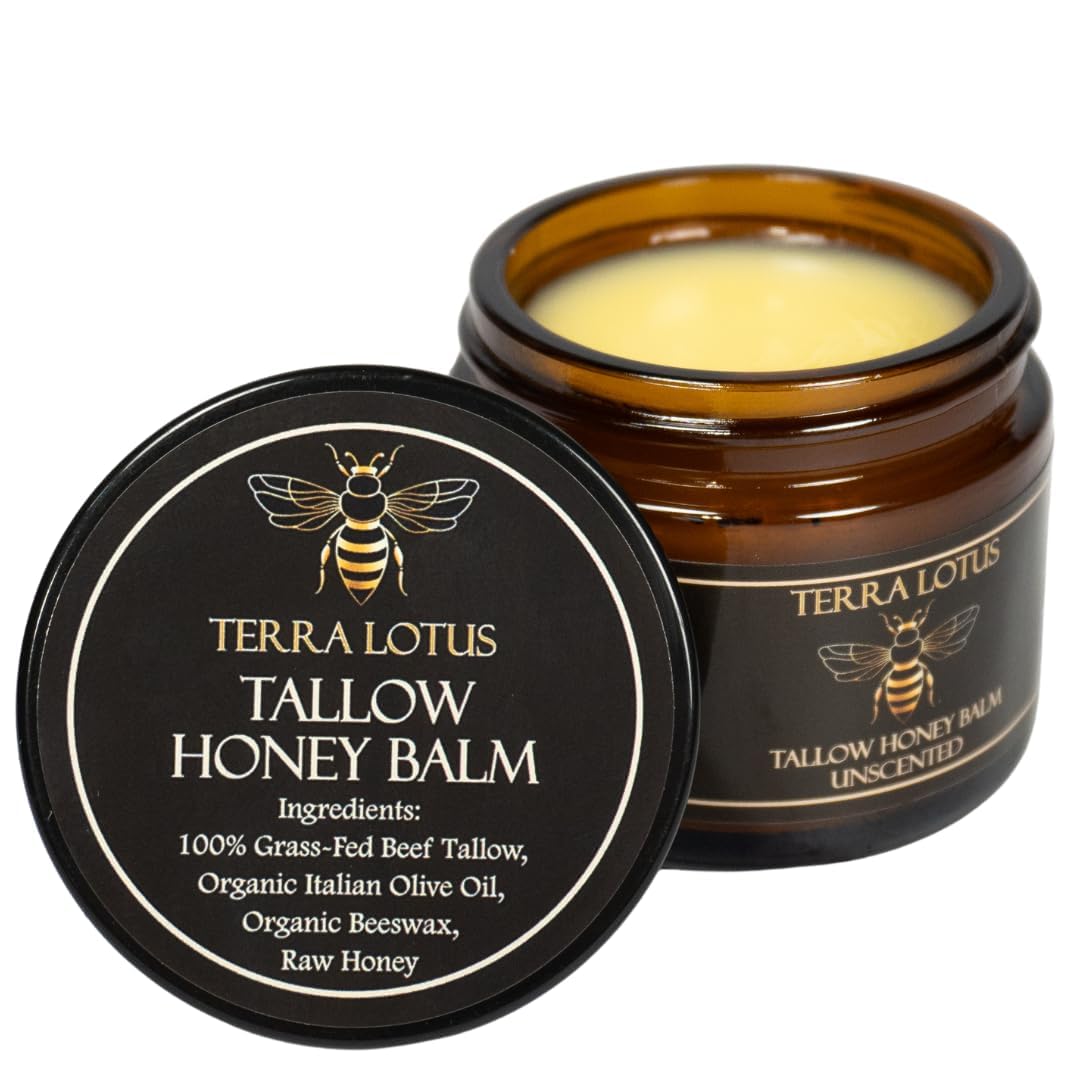
Don't want to DIY? Buy a ready-made tallow natural deodorant alternative

If you'd rather skip the prep, these are the closest commercial tallow products we'd recommend instead. Affiliate links.