Skip to content
King TallowKing Tallow
Homemade tallow working hands cream
Easy DIY Recipe

How to Make Working Hands Cream with Beef Tallow

Melt 3 tablespoons grass-fed beef tallow with 1 tablespoon medical-grade lanolin and 1/2 tablespoon white beeswax pellets at 160 °F. Stir off heat with 1/4 teaspoon mixed-tocopherol vitamin E and 10 drops lavender essential oil. Pour into a 4 oz tin and let it set. Active time is 10 minutes; the cream lasts 6 months and out-performs glycerin-based 'working hands' creams because lanolin's wool wax alcohols are the most occlusive natural barrier known to dermatology, while tallow rebuilds the lipid layer that constant hand-washing destroys.

By Miles Carter , Holistic Chef & DIY Skincare Formulator Last tested April 15, 2026 15 batches made
Total time
25 minutes
Active time
10 minutes
Yield
4.5 fl oz (≈ 80 applications)
Shelf life
6 months unrefrigerated
Cost / batch
$6.20
Difficulty
easy

Why this recipe actually works

Hands face conditions no other skin on the body endures: 30+ washes a day, hot water, soap surfactants, sanitizer alcohol, sun exposure, friction, abrasion, and cold-air dehydration. A glycerin-based hand cream draws water in but evaporates within an hour. A working-hands cream has to deposit a lipid film that survives the next hand-wash. Tallow plus lanolin plus beeswax is the most occlusive natural barrier system available without prescription, and it heals damage rather than just covering it.

Lanolin is the most occlusive natural ingredient known

Lanolin is wool wax, the lipid sebum sheep produce to waterproof their fleece. It is structurally a complex blend of wool wax alcohols (cholesterol, isocholesterol, sterols), aliphatic alcohols, and fatty acid esters. Lanolin holds up to 200% of its weight in water and reduces trans-epidermal water loss more effectively than petrolatum in head-to-head studies, without petroleum's microplastic concerns.

Source [1]

Tallow rebuilds the lipid layer soap strips

Standard hand soap (sodium lauryl sulfate, sodium laureth sulfate) emulsifies the natural lipid layer on the skin and rinses it down the drain. Each wash leaves a measurable lipid deficit. Tallow's palmitoleic acid (C16:1) and stearic acid (C18:0) profile is biomimetic to human sebum and integrates into the lamellar lipids of the stratum corneum, direct replacement of what hand-washing removes.

Source [2]

Beeswax forms the breathable seal

Beeswax contributes long-chain fatty alcohols and esters that solidify the cream and form a semi-occlusive film on skin. Unlike petrolatum the film is breathable, gas exchange continues, sweat escapes, but water-loss rate drops by 40-60%. This is what makes the cream survive a hand-wash and continue working underneath.

Source [3]

Vitamin E protects the unsaturated fats and the skin

Mixed tocopherols scavenge peroxyl radicals attacking lipid bonds. A quarter teaspoon per batch (more than face cream because hands are larger and more exposed) extends shelf life to 6 months and adds antioxidant defense to skin facing daily UV exposure on backs of hands.

Why Make Working Hands Cream with Tallow?

Survives the next hand-wash

Beeswax + lanolin film resists soap and water for 60-90 minutes after application, typical glycerin lotions wash off in seconds. This is the defining feature of a true working-hands cream.

Heals existing cracks

Lanolin's water-binding capacity (200% of its weight) plus tallow's biomimetic lipids close fissures within 3-5 nights of overnight cotton-glove application. Documented results for nurses, dishwashers, and winter-dry hands.

Cuticle and nail conditioning

Same formula works on cuticles. Massage into nail beds nightly; lanolin's penetration restores flexibility, reduces hangnails, and supports nail-plate hydration.

Eczema-friendly base

No fragrance (in unscented variant), no preservatives, no surfactants, meets the criteria for steroid-sparing barrier therapy in mild atopic eczema. Many users report remission of hand eczema within 2-3 weeks.

Cost

About $0.08 per application versus $0.30-$1.20 for premium hand creams (L'Occitane, Aesop) and $0.05-$0.15 for drugstore equivalents that lack lanolin and tallow's lipid match.

Ingredients

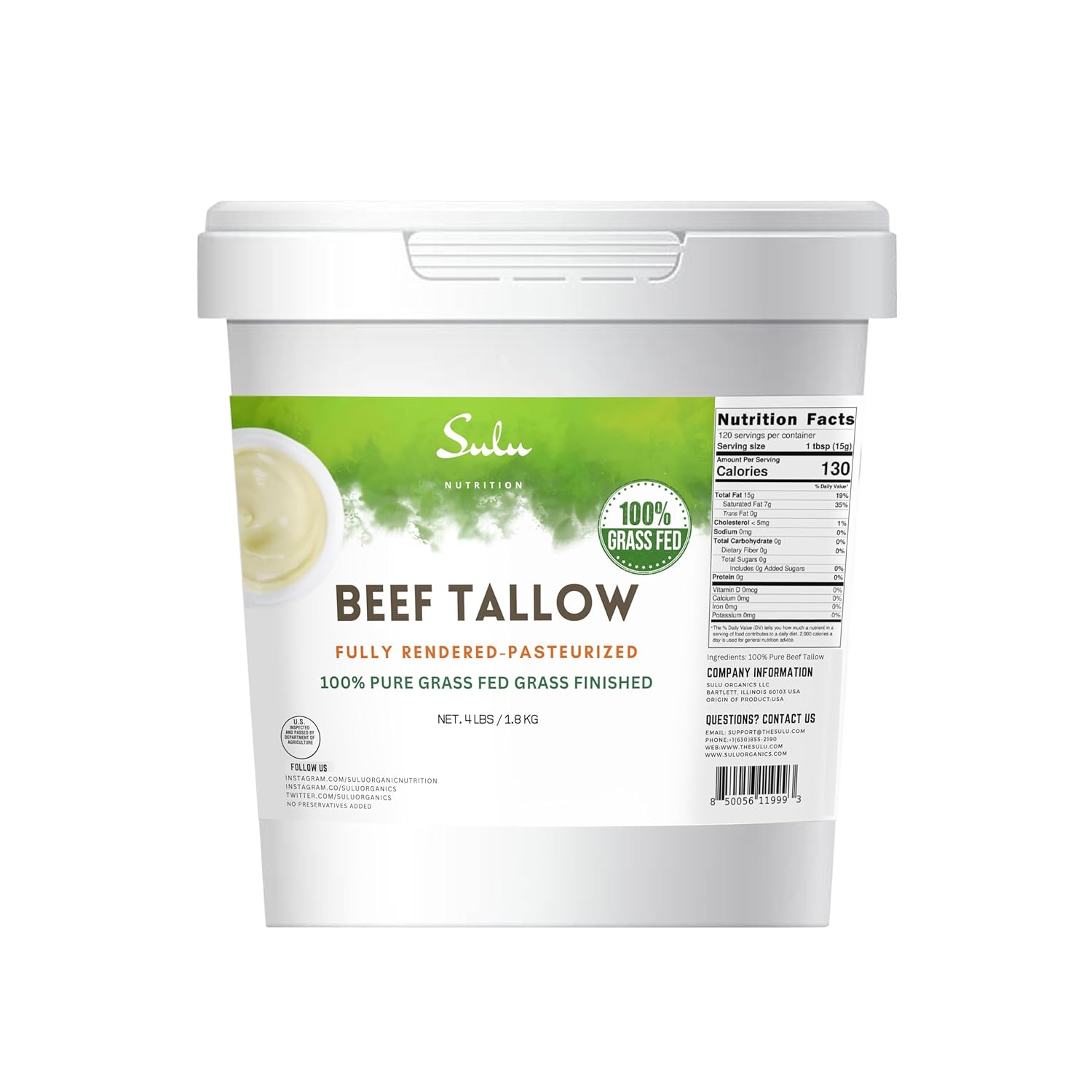
Grass-fed beef tallow

3 tbsp (1.5 fl oz) (42 g) $1.80

Biomimetic lipid base. Provides palmitoleic acid (C16:1, ≈ 3%), stearic acid (C18:0, ≈ 24%), and oleic acid (C18:1, ≈ 36%) for direct sebum supplementation to skin stripped repeatedly by surfactant cleansers.

What to look for
  • 100% grass-fed and grass-finished, pasture tallow has 2-3× the CLA
  • Rendered from leaf or kidney fat for whitest color and mildest scent (not strictly necessary on hands but pleasant)
  • Cosmetic-grade or self-rendered through cheesecloth
  • Pale ivory; firm in fridge, soft at room temp
Substitutions
Swap in Tradeoff
Suet tallow (any cut) Cheaper; slightly more rendered-meat scent (masked by essential oils)
Mango butter (vegan) No palmitoleic acid; loses biomimicry but still moisturizes; reduce beeswax slightly

Search 'grass-fed beef tallow' on Amazon, Etsy, regenerative ranches, or render your own from butcher trim for ≈ $0.30/oz.

Medical-grade anhydrous lanolin

1 tbsp (½ fl oz) (13 g) $1.40

The single most occlusive natural ingredient available. Wool wax alcohols (cholesterol esters, isocholesterol, lanosterol) hold up to 200% water by weight and form a semi-occlusive barrier that survives hand-washing.

What to look for
  • Medical-grade or USP-certified, non-medical lanolin can contain pesticide residues from non-organic wool
  • Anhydrous (no added water) for shelf stability and concentration
  • Lansinoh and Medela brands (sold for nipple care during breastfeeding) are reliable cosmetic sources
  • Should be a pale yellow, soft-paste consistency
Substitutions
Swap in Tradeoff
Vegan: equal parts shea + cocoa butter Loses lanolin's wash-resistance; cream washes off in 1 wash instead of 3-5; reformulate with extra beeswax for occlusivity
Hydrous lanolin (with water) Already partly emulsified; reduces shelf life to 3 months and requires more beeswax for set

White beeswax pellets

1/2 tbsp (≈ 7 g) (7 g) $0.30

Solidifies the cream, raises melt point so it doesn't liquefy in summer pockets, and forms the breathable semi-occlusive film that defines a barrier-style hand cream.

What to look for
  • White (filtered) beeswax for cosmetic appearance, unfiltered yellow beeswax also works but tints the cream
  • Pellet form melts evenly; block form must be grated first
  • Sourced from organic apiaries when possible, beeswax can concentrate pesticide residues from agricultural areas
Substitutions
Swap in Tradeoff
Candelilla wax (vegan) Use 2/3 the amount, candelilla is harder; gives a stiffer cream
Carnauba wax (vegan) Even harder; reduces to 1/2 the amount; very firm, balm-like result

Mixed-tocopherol vitamin E oil

1/4 tsp (1.2 ml) $0.80

Antioxidant. Protects the unsaturated fats in tallow and lanolin from rancidity, and protects skin from oxidative load of UV exposure on backs of hands (one of the highest-UV-exposure skin areas on the body).

What to look for
  • Mixed tocopherols (d-alpha, d-gamma, d-delta), NOT synthetic dl-alpha-tocopheryl acetate
  • Sourced from non-GMO sunflower or rice bran
  • Amber color; faint grassy scent
Substitutions
Swap in Tradeoff
Rosemary CO2 extract (5 drops) Stronger antioxidant; adds faint herbal note

Lavender essential oil (or your choice)

10 drops (0.5 ml) $0.40

Scent and mild antibacterial action. Lavender's linalool soothes; cedarwood/sandalwood adds a more masculine scent; tea tree boosts antimicrobial action for healthcare/food workers.

What to look for
  • Therapeutic-grade, GC/MS-tested
  • Stored in dark glass
  • Patch test new combinations on the inner forearm 24 hours first
Substitutions
Swap in Tradeoff
Skip entirely (unscented) Required for fragrance-free workplaces, sensitive skin, or healthcare workers handling patient food
Cedarwood + bergamot bergaptene-free Spa-style scent; bergamot must be bergaptene-free or it photosensitizes hands

Calendula CO2 extract (optional, for gardener's variant)

10 drops (0.5 ml) $0.50

Anti-inflammatory and mild wound-healing. Particularly useful for gardeners, mechanics, or anyone with minor abrasions and scrapes. Adds a slight golden tint.

What to look for
  • CO2-extracted (full-spectrum) calendula in jojoba carrier
  • Or dried calendula petals slow-infused into olive oil for 4-6 weeks (homemade alternative)
Substitutions
Swap in Tradeoff
Skip if not needed Calendula is a bonus active, not essential to the formula's wash-resistance

Equipment

Tool Why you need it
Double boiler (or glass bowl over saucepan) Indirect heat melts beeswax fully (melts at 145 °F) without scorching tallow
Small whisk or silicone spatula Combines beeswax fully with the fats, under-mixed beeswax causes pellet streaks in the finished cream
4 oz tin or wide-mouth glass jar Storage; tin is preferred for hand cream because metal won't break if dropped on workshop floor
Digital scale (0.1 g), optional Beeswax ratio is finicky; weighing is more accurate than volume for the wax
Instant-read thermometer Confirms beeswax fully melted at ≈ 160 °F before pouring

Recommended tallow for this recipe

We test and research the products we recommend. If you buy through these links we may earn a commission at no extra cost to you.

Step-by-step recipe

  1. 1

    Set up the double boiler

    Add 1 inch (2.5 cm) of water to a saucepan and bring to a low simmer. Set a heatproof glass or stainless bowl on top.

    Target temp
    Water: ≈ 200 °F / 93 °C
    Duration
    3 minutes
    What you'll see
    Steady wisps of steam, no rolling bubbles
    Watch out for
    Don't let the bowl bottom touch the water
  2. 2

    Melt tallow, lanolin, and beeswax together

    Add 3 tbsp tallow, 1 tbsp lanolin, and 1/2 tbsp beeswax pellets. Stir every 30 seconds with a silicone spatula.

    Target temp
    150-165 °F / 65-74 °C, must reach beeswax melt point of 145 °F
    Duration
    5-7 minutes
    What you'll see
    Mixture is fully liquid, clear gold, with no specks of un-melted wax
    Watch out for
    Beeswax is the slowest to melt, if you pour with even tiny pellets remaining, you'll get gritty streaks in the cream. Hold at 160 °F until completely smooth
  3. 3

    Remove from heat and cool slightly

    Lift the bowl off the saucepan and set on a folded towel. Wait 90 seconds.

    Target temp
    Drops to about 140 °F / 60 °C
    Duration
    90 seconds
    What you'll see
    Mixture still fully liquid; bowl is too hot to grip without towel
    Watch out for
    Adding essential oils above 130 °F flashes off the volatile aromatic compounds
  4. 4

    Stir in vitamin E

    Add 1/4 tsp mixed-tocopherol vitamin E. Stir 10 seconds.

    Target temp
    ≈ 130-140 °F
    Duration
    10 seconds
    What you'll see
    Vitamin E disappears uniformly; mixture takes on a slight amber tint
    Watch out for
    Vitamin E is heat-stable so this step is forgiving
  5. 5

    Add essential oils

    Add 10 drops lavender (or your chosen blend). Stir 5 seconds.

    Target temp
    Below 120 °F / 49 °C
    Duration
    5 seconds
    What you'll see
    Faint lavender scent rises from the bowl
    Watch out for
    Hot mixture flashes off top notes, wait until you can hold the bowl bottom for 3 seconds
  6. 6

    Pour into tin

    Pour into a clean 4 oz tin, leaving 1/4 inch headspace. Tap the tin gently on the counter to settle and release air bubbles.

    Target temp
    Around 110-115 °F (still pourable)
    Duration
    30 seconds
    What you'll see
    Surface is glossy and uniform; no visible bubbles
    Watch out for
    If you wait too long the mixture sets in the bowl. If that happens, return to gentle heat for 30 seconds and stir
  7. 7

    Let set undisturbed

    Leave the tin uncovered at room temperature for 4 hours. Do not refrigerate (rapid cooling causes a gritty texture).

    Target temp
    Room temperature
    Duration
    4 hours unsupervised
    What you'll see
    Surface goes from glossy to matte; cream is fully solid but takes a fingerprint at light pressure
    Watch out for
    Sealing while warm traps condensation; let it set fully open first, then cap
  8. 8

    Use

    Scoop a chickpea-sized amount, warm between palms, and massage into hands, cuticles, and forearms. Best applied after the last hand-wash of the day; cotton gloves overnight for an intensive treatment.

    Duration
    Per use
    What you'll see
    Cream goes on opaque, becomes translucent within 60 seconds of warming on skin
    Watch out for
    Don't apply right before handling tools or paperwork, the lipid film makes grips slippery for the first 5 minutes

Pro tips

  • Wear cotton gloves overnight for intense treatment
  • Great for gardeners, mechanics, anyone with rough hands
  • Lanolin makes it extra healing but can be omitted
  • Warm between palms before applying

Troubleshooting

Every batch is slightly different. Here's how to diagnose and fix the most common problems.

Problem Fix
Cream is greasy on application and won't absorb fast Use less, a chickpea-sized amount is enough for both hands. Massage for 30 seconds. The first 5 minutes feel rich; absorption completes by minute 10.
Cream feels gritty / sandy Re-melt the entire tin to 165 °F, hold for 2 minutes (this dissolves the seed crystals and incorporates the wax fully), then let cool slowly at room temp, never in the fridge.
Cream is too hard to scoop in winter Warm the tin between palms for 30 seconds before scooping. Or remake with 1/3 tbsp beeswax instead of 1/2 tbsp for a softer winter version.
Cream melts to liquid in summer / hot car Move the tin to indoor storage. The cream re-solidifies as it cools but may have a slightly grainy texture; re-melt and slow-set if needed.
Smells off / cardboard / crayon after a few months Discard. Source fresher tallow; store the tin in a cabinet or work drawer; double the vitamin E to 1/2 tsp on the next batch.
Yellow stain on white cuffs or pillowcases Wear darker-color cotton gloves overnight. Stains wash out in hot water with regular detergent; pre-treat with a touch of dish soap.
Hands feel itchy after applying Stop use immediately. Re-test with a vegan version (replace lanolin with 1 tbsp shea butter). If still itchy, the essential oils are the cause, make unscented.
Cream washes off after one hand-wash Check that you used real anhydrous lanolin (not a lotion containing lanolin) and that beeswax was fully melted. Both are non-negotiable for the working-hands character.
Tin smells beefy when first opened Source cosmetic-grade leaf-fat tallow next batch. Re-render existing tallow through cheesecloth twice. Lavender or cedarwood essential oil at 12-15 drops fully masks any residual scent.
Cream cracked in the tin (surface fissures) Cosmetic only; doesn't affect performance. Re-melt the surface with a hair dryer on low for 30 seconds and let it re-set slowly at room temp.

Variations

Gardener's hands (calendula + extra beeswax)

For: abraded / dirt-exposed / scratched
Ratio
3 tbsp tallow : 1 tbsp lanolin : 3/4 tbsp beeswax : 10 drops calendula CO2
Essential oils
5 drops lavender, 3 drops tea tree, 3 drops chamomile
Notes
Extra beeswax for a thicker barrier against soil and abrasion. Calendula's anti-inflammatory triterpenes plus tea tree's terpinen-4-ol address the small cuts and scratches gardeners accumulate. Apply before gloves and again at end of day.

Mechanic / tradesman (heavy-duty barrier)

For: grease-exposed / solvent-exposed / industrial
Ratio
3 tbsp tallow : 1 tbsp lanolin : 1 tbsp beeswax
Essential oils
8 drops cedarwood, 4 drops black pepper, 3 drops vitamin E
Notes
Maximum beeswax for a near-balm consistency that creates a barrier against engine grease, solvents, and metal shavings. Apply before work and reapply at lunch. Removes more easily after work because grease releases from the lanolin film with citrus-based hand cleaner.

Healthcare worker (frequent sanitizer)

For: alcohol-stripped / over-washed / cracking
Ratio
3 tbsp tallow : 1.5 tbsp lanolin : 1/2 tbsp beeswax
Essential oils
None or 5 drops lavender (must be patient-safe in your facility)
Notes
Extra lanolin to compensate for the daily lipid loss from alcohol sanitizer (which strips 3-4× more lipid per use than soap and water). Apply at every break and at end of shift; cotton gloves overnight for crisis weeks.

Chef / food worker (unscented + tea tree)

For: constantly washed / hot-water-exposed
Ratio
3 tbsp tallow : 1 tbsp lanolin : 1/2 tbsp beeswax
Essential oils
5 drops tea tree, no fragrance oils
Notes
Tea tree provides mild antimicrobial benefit for skin constantly exposed to raw protein and produce. No fragrance to interfere with food. Apply between services and overnight.

Sensitive / eczema-prone (no lanolin, no fragrance)

For: lanolin-allergic / atopic / very reactive
Ratio
3 tbsp tallow : 1 tbsp shea butter : 1/2 tbsp beeswax
Essential oils
None, only 1/4 tsp vitamin E
Notes
Replaces lanolin with shea butter for those with lanolin allergy. Loses some wash-resistance but retains barrier function. Excellent for hand eczema; meets criteria for steroid-sparing barrier therapy.

Night treatment (softer formula + retinol or bakuchiol)

For: aging hands / sun-spotted / crepey
Ratio
3 tbsp tallow : 1 tbsp lanolin : 1/3 tbsp beeswax : 1/2 tsp rosehip oil : 1/4 tsp bakuchiol 1% in jojoba
Essential oils
5 drops frankincense
Notes
Reduced beeswax for easier overnight glove use. Rosehip's natural retinoic acid plus bakuchiol target the back-of-hand sun damage and crepey texture that mark age. SPF 30+ on hands daily, they're the most-photographed sign of true age.

Use, care, and storage

How to use it (per shave)

  1. 1. Wash and dry hands so skin is just-damp, not wet, damp skin absorbs lipids 4× faster than fully dry.
  2. 2. Scoop a chickpea-sized amount onto one palm.
  3. 3. Warm between palms for 5 seconds until just liquid.
  4. 4. Massage into the backs of hands first (more sun-exposed, more in need), then palms, then between fingers.
  5. 5. Push down each cuticle and massage the nail bed for 5 seconds per nail.
  6. 6. Continue up the wrist and forearm if those are also dry.
  7. 7. Wait 5 minutes before handling paper or grippy tools, the lipid film is slippery initially.
  8. 8. For overnight intensive: apply double the amount before bed and wear cotton gloves until morning. Hands transformed by morning.

Storage

Sealed tin or jar at room temperature, away from direct sun and away from heat sources (don't leave in a sunny car or near a radiator). Keep one tin at home, one at work, one in your bag.

Extend shelf life

Add 1/2 tsp vitamin E instead of 1/4 tsp. Make smaller batches (2 oz tins) more frequently, fresher cream is always better. The unopened ingredients (tallow, lanolin, beeswax) all last 2+ years; only the finished cream is time-limited.

Rancidity test

Sniff monthly. Fresh cream smells faintly meaty under the lavender top note. Rancid smells like crayons, oil paint, or wet cardboard, that's the unsaturated fats oxidizing into aldehydes. Discard at the first hint.

Discard when

Any visible mould (white, green, pink, or grey spots), a sour or fermented odour, or a color shift to muddy brown. Mould is rare in this anhydrous formula but possible if water (e.g., from wet fingers) was introduced repeatedly. Use a small spatula or dedicated dry spoon, never dip wet fingers.

Cost vs commercial

Homemade
$1.38 /oz
$0.08 per use
Premium
$18.00 /oz
$0.90 per use
e.g. L'Occitane Shea Butter Hand Cream, Aesop Resurrection, Sisley Restorative Hand Cream
Drugstore
$1.80 /oz
$0.10 per use
e.g. O'Keeffe's Working Hands, Eucerin Advanced Repair, Aveeno Skin Relief

Annual savings: $200-$400 vs premium creams for daily use across home and work; significantly fewer applications needed because the cream lasts longer between hand-washes

Factor Homemade
Lanolin (most occlusive natural) Yes, medical-grade
Wash-resistance Survives 2-3 hand-washes
Skin-identical lipids (tallow) Yes (palmitoleic acid, CLA)
Synthetic preservatives None (anhydrous)
Shelf life 6 months

Safety considerations

Patch test 24 hours before regular use

Apply a dime-sized amount to the inner forearm. Wait 24 hours for redness, itch, or hives. This is critical for lanolin specifically, about 1-3% of the population has true lanolin allergy.

Lanolin allergy warning

Lanolin is among the more common contact-dermatitis triggers documented in patch-test clinics. Symptoms include itch, redness, and small bumps within 24-72 hours. If you've reacted to nipple cream or wool clothing, use the lanolin-free variant.

Pregnancy and breastfeeding

The unscented or lavender-only variant is safe in pregnancy and breastfeeding. Anhydrous lanolin is the active ingredient in most nipple creams, so it is well-tolerated for breastfeeding mothers. Avoid clary sage, rosemary, and peppermint essential oils during pregnancy.

Photosensitizing oils

Bergamot, lemon, lime, and grapefruit essential oils can cause sun-damage and discoloration on hands (which receive heavy daytime UV). Use only bergaptene-free citrus oils, or skip citrus entirely.

Pet safety

Tea tree, peppermint, and citrus essential oils are toxic to cats. Wash hands thoroughly after applying before handling cats. The tin should be kept where pets cannot reach it; lanolin's wool origin makes it interesting to pets.

Food safety for chef variant

The unscented chef variant is food-safe in trace amounts (tallow, lanolin, beeswax are all food-grade or food-adjacent). However, it should not contaminate prepared food directly, apply between services, not during, and wash hands once before plating.

Medical disclaimer

This recipe is for cosmetic use only. It is not a treatment for hand eczema, psoriasis, contact dermatitis, or any other diagnosed skin condition. Consult a dermatologist if you have an active condition before changing barrier therapy.

Frequently asked questions

Will hand cream make my hands greasy at work?
For the first 5-10 minutes, yes, this is a rich cream by design. After absorption (usually 10-15 minutes) hands feel smooth and matte, not slick. Apply during breaks rather than right before handling paperwork or precision tools.
How long does the cream last on my hands through hand-washes?
The lanolin-beeswax film survives 2-3 standard hand-washes (with regular soap and water) before reapplication is needed. Alcohol sanitizer is more disruptive, reapply after 1-2 sanitizer uses. Compare to glycerin-based lotions which wash off in a single hand-wash.
Is lanolin safe?
Medical-grade lanolin is safe for the vast majority of users, it's the active ingredient in nipple creams used by millions of breastfeeding mothers. About 1-3% of the population has true lanolin allergy; patch test before regular use. Skip lanolin if you have a known wool sensitivity.
Can I use it on my feet too?
Yes, same formula works on cracked heels and dry feet. For very thick callus or deep cracks, use the dedicated foot balm recipe (more beeswax, tea tree included). For maintenance and mildly dry feet, this hand cream works well.
Does it really heal cracked fingertips?
Yes, with consistent use. Cracks at the fingertips and around nail beds typically close within 3-5 nights of overnight cotton-glove application. Maintain with daily morning and evening application. Severe cracks that don't heal in 2 weeks should be seen by a dermatologist.
Is it okay for nurses and healthcare workers?
Yes, many nurses use this exact formula. The unscented or healthcare variant is fragrance-free for patient-care environments. Apply at every break and especially at end of shift; reapply after sanitizer use. Cotton gloves overnight for crisis weeks.
Will it cause acne if I touch my face?
Tallow scores 2/5 comedogenic and lanolin scores 3/5, both moderate. If you tend to break out from facial contact with rich products, wash hands thoroughly before touching your face, or use the night-only application protocol.
Can I use it as a cuticle cream?
Yes, apply a tiny amount to each cuticle and nail bed nightly. Lanolin's penetration restores cuticle flexibility and reduces hangnails within 1-2 weeks. The 4 oz tin makes a year of cuticle treatment for one person.
Is the vegan version as effective?
It works as a moisturizer and barrier but loses the unique wash-resistance that lanolin provides. The shea butter substitute is good for daily moisturizing; for true working-hands wash-resistance, lanolin is hard to replace.
Will it help old age-spots and crepey skin on hands?
The night-treatment variant (with rosehip and bakuchiol) addresses age-spots and crepey texture over 8-12 weeks. The standard formula maintains hydration and lipid barrier but won't reverse pigmentation alone. SPF 30+ on hands daily is essential.
Why does it stain my white sheets?
Lanolin and tallow can leave faint yellow stains on white fabric during overnight glove use. Wear darker cotton gloves; stains wash out in hot water with regular detergent.
Is it safe to use after applying liquid bandage / cyanoacrylate?
Wait until the bandage has fully cured (5-10 minutes) before applying cream around but not on the sealed area. Lanolin can interfere with adhesive bonding if applied immediately.
Can construction workers and roofers use it under work gloves?
Yes, apply before donning gloves and again at the end of shift. The lipid film inside the glove keeps moisture in despite the dehydrating effect of leather and synthetic glove materials.
How does it compare to O'Keeffe's Working Hands?
O'Keeffe's is glycerin (humectant) plus allantoin in a water-based emulsion with parabens. It pulls water into skin short-term but doesn't replace lipids. This recipe inverts the model: replace lipids first, hydration follows. Side-by-side users typically prefer this for cracked or eczema-prone hands; some prefer O'Keeffe's lighter feel for normal dry skin.
Can I make a smaller pocket-size version?
Yes, halve the recipe and pour into a 1 oz tin. Carry one in your bag, one at your desk, one at home. Smaller tins also stay fresher because exposure per scoop is less.
Is it safe during pregnancy?
Yes, lanolin is the same ingredient in most nipple creams and is considered safe for breastfeeding. Use the unscented or lavender-only version during pregnancy; avoid clary sage, rosemary, and peppermint essential oils.
Can teenagers use it for sport-callused or guitar-finger hands?
Yes. Athletes (climbers, gymnasts, weightlifters) and string-instrument players use this formula to keep callus tissue healthy without softening it so much that the protective layer is lost. Apply at night only; use a thinner moisturizer during practice days.

Sources

  1. [1] Stone, S. P., et al. (1988). Lanolin allergy: a review and update. Contact Dermatitis, 19(3), 169-176. Read source →
  2. [2] Pappas, A. (2009). Epidermal surface lipids. Dermato-endocrinology, 1(2), 72-76. Read source →
  3. [3] Lin, T. K., Zhong, L., & Santiago, J. L. (2018). Anti-inflammatory and skin barrier repair effects of topical application of some plant oils. International Journal of Molecular Sciences, 19(1), 70. Read source →
  4. [4] Loden, M. (2005). The clinical benefit of moisturizers. Journal of the European Academy of Dermatology and Venereology, 19(6), 672-688. Read source →
  5. [5] Kligman, A. M. (1998). The use of lanolin in the treatment of skin disease. Journal of the Society of Cosmetic Chemists, 49, 1-15. Read source →
About the author

Miles Carter

Holistic Chef & DIY Skincare Formulator

This recipe was developed and tested by Miles Carter over 15 batches. Last verified April 15, 2026. More from Miles →

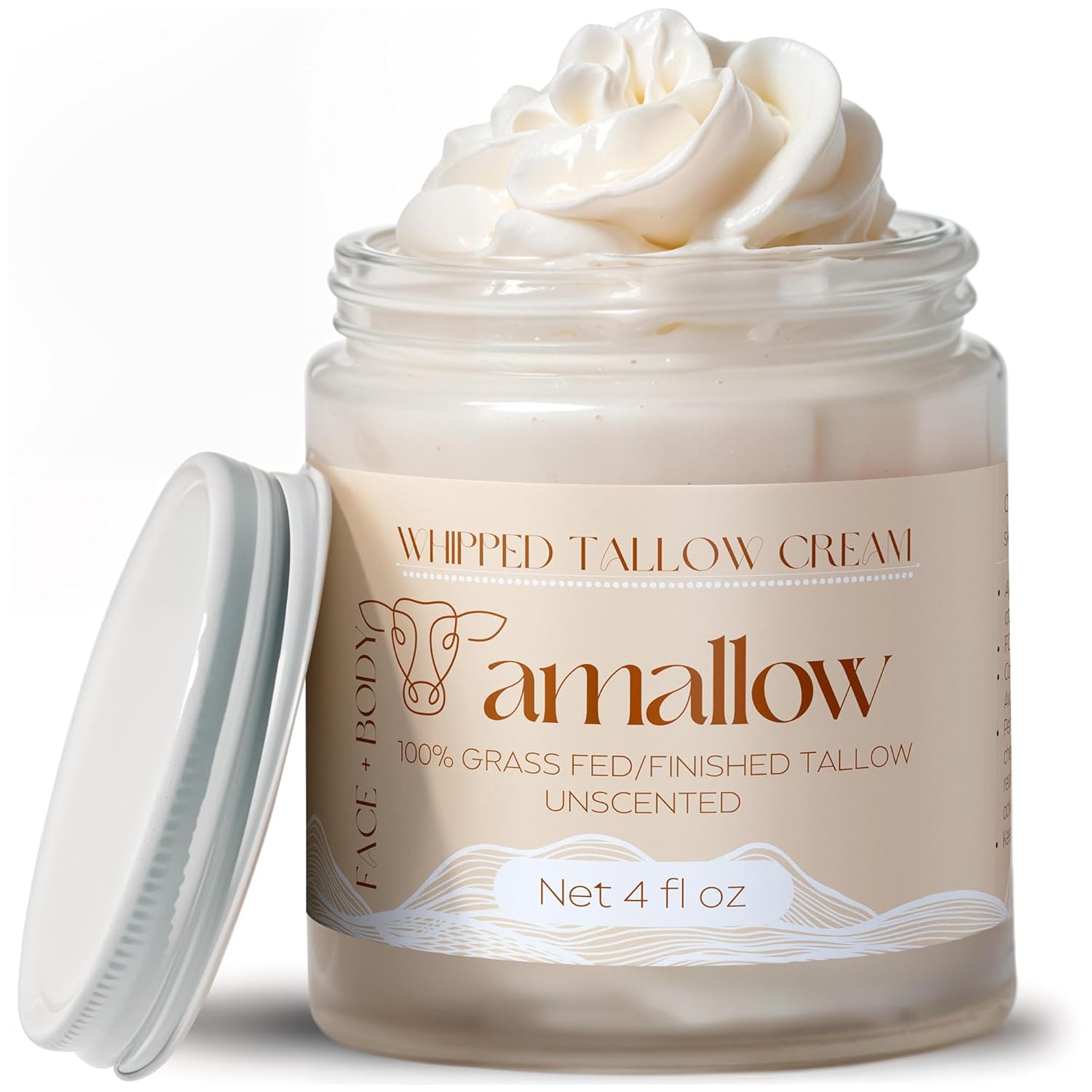
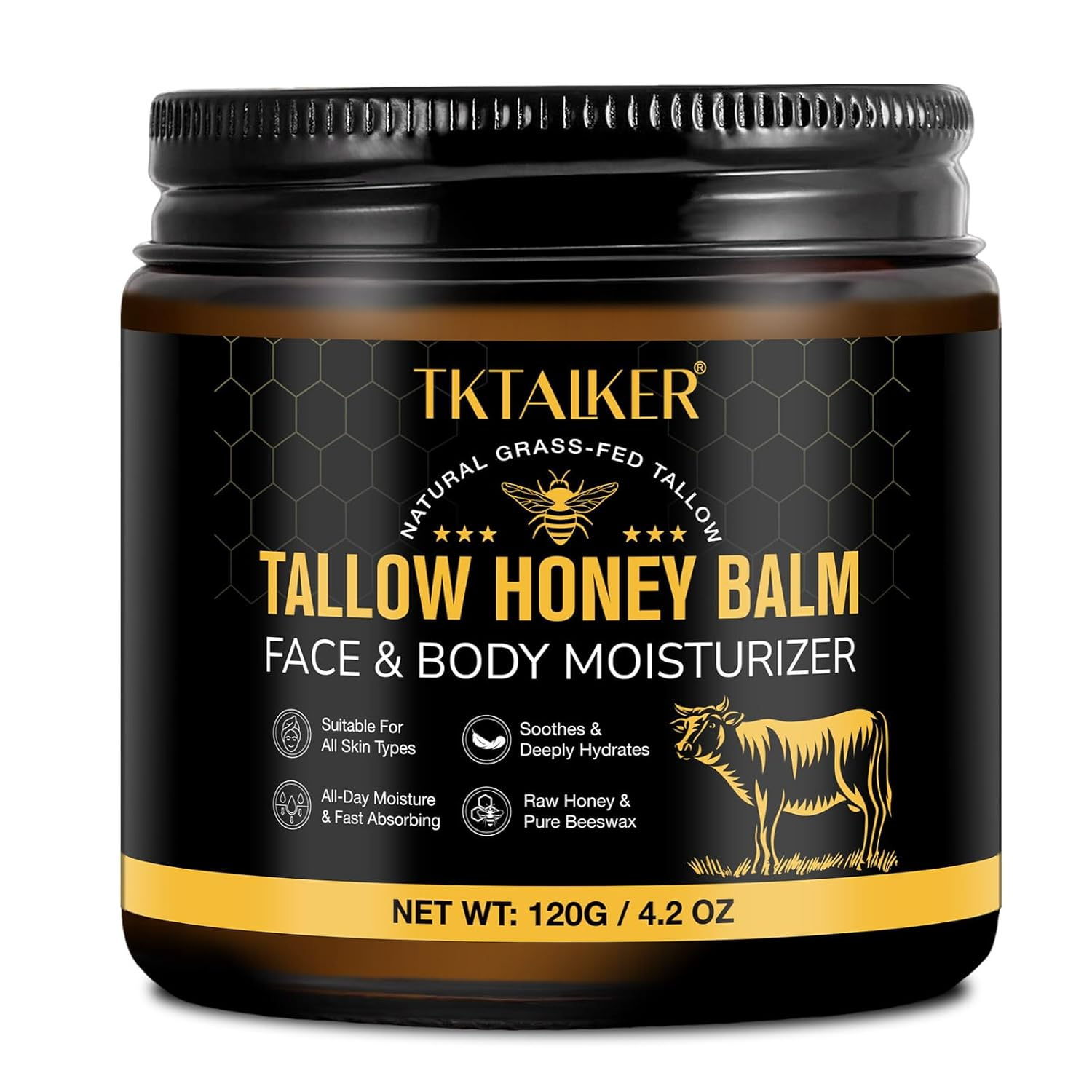
Don't want to DIY? Buy a ready-made tallow working hands cream alternative

If you'd rather skip the prep, these are the closest commercial tallow products we'd recommend instead. Affiliate links.