Is this safe for cutting boards? ▼
Yes, the cutting-board variant (tallow + beeswax only, with NO essential oils) is fully food-safe. Both ingredients are food substances on their own; tallow is rendered beef fat (used in cooking for centuries) and beeswax is recognized by the FDA as a food substance under 21 CFR 184.1973. The skincare variants and furniture variant include essential oils and should NOT be used on cutting boards.
Does it go rancid on a cutting board? ▼
Rare if you re-apply every 3-6 weeks for a board in active use. Each application replaces the small amount stripped by salt, citrus juice, and dishwashing. Rancidity (off smell, yellowish film) means the polish layer is too old, strip with hot soapy water, dry 24 hours, re-apply with fresh polish. Add 5 drops vitamin E per batch to slow oxidation.
Is it better than Howard Feed-N-Wax? ▼
Different priorities. Howard Feed-N-Wax uses food-grade mineral oil + carnauba wax + a small amount of orange oil, it's effective, well-tested, and convenient. Tallow + beeswax is the 'whole-food' alternative: no petroleum, fully food-safe in the unscented variant, deeper saturation in open-pore woods. For furniture, both work; for cutting boards I prefer the tallow formula because it's not petroleum-derived.
Better than mineral oil for cutting boards? ▼
It's a different chemistry. Food-grade mineral oil is liquid petroleum distillate, biologically inert, non-toxic, but not a food substance. Tallow's fatty acids are food. Mineral oil migrates out of the wood within weeks; tallow's saturated fraction stays put longer. Both work. The tallow formula is more 'whole-food' if that matters to you.
Can I use this on outdoor wood? ▼
Yes, use the beeswax-heavy waterproofing variant (1:1 tallow:beeswax + cedarwood essential oil). Reapply every 1-2 months for high-exposure items like garden tool handles or porch railings; every 3-6 months for sheltered outdoor wood. Not as durable as marine varnish or linseed oil for full weather sealing, but it's non-toxic and never spontaneously combusts.
Can I use this on my wooden spoons? ▼
Yes, use the unscented food-safe variant. Wooden spoons dry out faster than cutting boards because they're hand-washed frequently in hot soapy water. Apply monthly: warm the spoon slightly in your hand, rub a thin coat of polish over the head and handle, let absorb 15 minutes, buff.
How often should I polish my cutting board? ▼
Active boards (used 3+ times a week): every 3-4 weeks. Occasional boards: every 6-8 weeks. Brand-new boards: 2 coats in the first week, then standard schedule. Visual cue: when water no longer beads up on the board surface, it's time to re-condition.
Will it work on bamboo cutting boards? ▼
Yes, bamboo is technically a grass, but the surface behaves like a closed-pore wood. The food-safe tallow-beeswax variant penetrates the surface micropores and provides the same water-resistance and sheen as on hardwood boards.
Can I use this on a wooden floor? ▼
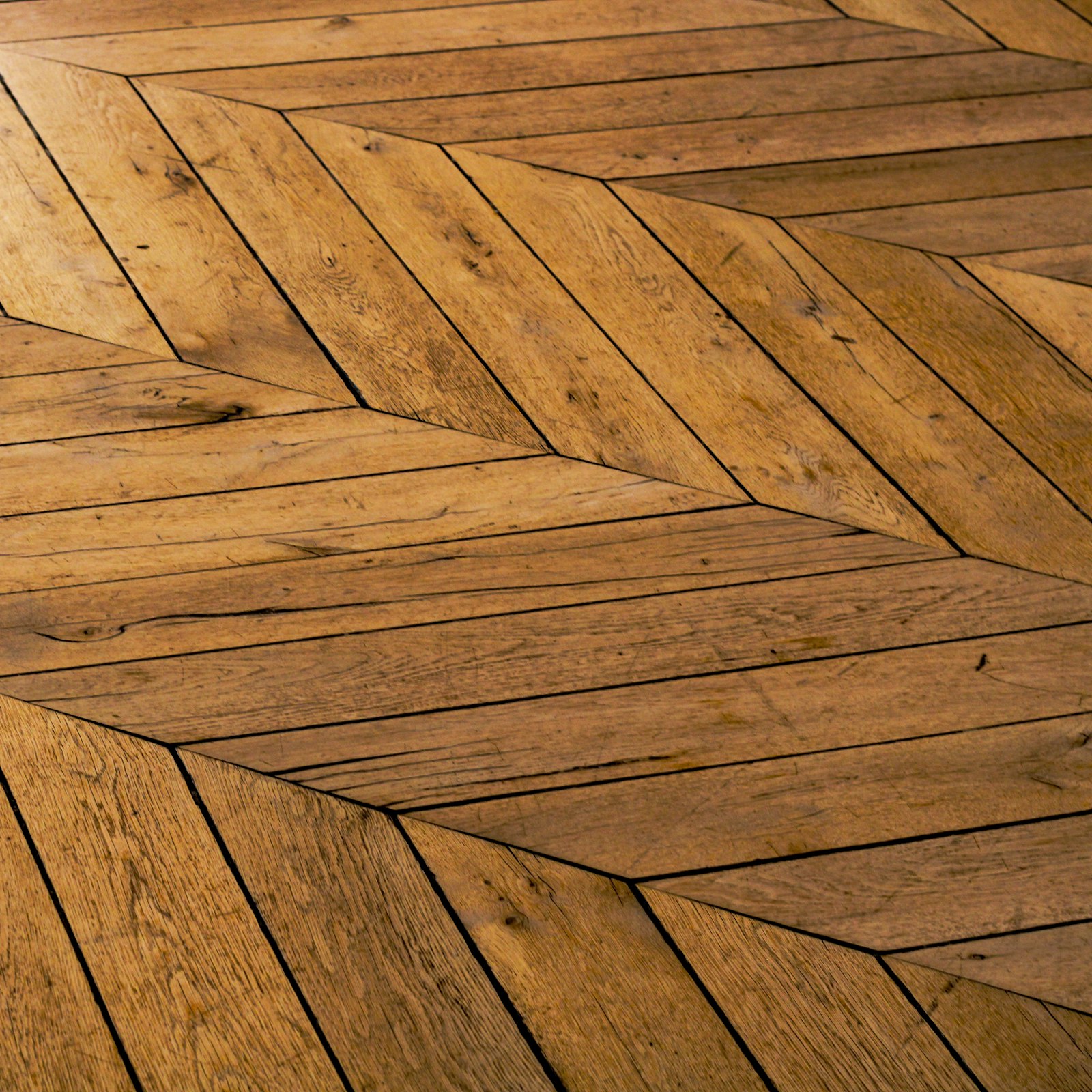
Yes for unfinished or oiled wood floors; NO for polyurethane-sealed or pre-finished floors (the polish sits on the surface and turns sticky). For a large area, work in 4 ft × 4 ft sections; let absorb 30 minutes per section; buff with a polishing pad on a low-speed buffer. Reapply every 6-12 months.
Does this finish 'cure' or harden over time? ▼
No, tallow and beeswax are non-drying, non-curing. They remain soft fats and waxes indefinitely. This is fundamentally different from linseed, tung, walnut, or polymerized oils, which cure into hard films. The trade-off: less abrasion-resistant than a cured finish, but completely non-toxic and re-applicable.
Will the wood smell like beef? ▼
No. Properly rendered leaf-fat tallow has a faint warm-baking aroma when warm, no detectable beef smell when cold. Once polished and buffed, the wood smells faintly of beeswax (honey-like) plus any essential oil added (citrus, in the furniture variant). The cutting-board variant has only the faintest honey aroma.
Can I use this on antique furniture? ▼
Yes, and this is closer to historical wax polishes used by 18th and 19th century English furniture makers than any modern silicone product. Use the antique-restorer variant (3:1 tallow-beeswax + vitamin E) for severely dry pieces; use the standard furniture polish for ongoing maintenance. Test on the back or underside of the piece before treating visible surfaces.
Will it raise the grain of the wood? ▼
Not if applied to dry wood, only water raises grain. If you applied polish to damp wood and the grain raised, lightly sand with 320-grit paper (or 0000 steel wool, NOT on oak, oak tannins react with iron) and reapply to fully-dry wood.
Can I scent the cutting-board variant slightly? ▼
Technically you can use food-grade essential oils (lemon, lime, sweet orange) at very low load (3 drops max per 4 oz batch), but the safer practice is to leave the cutting-board variant unscented. The flavor of food prepared on the board is more important than the polish smell, and any oil load risks transferring to food.
How long does an 8 oz tin last? ▼
For a household with 2-3 cutting boards, a few wooden spoons, and one or two pieces of antique furniture: 1-2 years easily. The polish doesn't 'use up' fast because each application uses a fingertip-sized amount.
Is it safe if my dog licks the cutting board? ▼
Yes, the unscented variant contains only food substances (rendered tallow and beeswax). A dog that licks a polished board ingests trace amounts of beef fat and honey wax, both of which are non-toxic. A dog that licks a freshly polished board may have mild GI upset from the fat load; allow 24 hours' absorption before using treated boards near pets.
Does this work on teak garden furniture? ▼
Yes, but teak is naturally oily and needs less conditioning than other woods. Apply the standard furniture polish (or beeswax-heavy waterproofing variant for outdoor pieces) once per spring. Don't over-apply, teak that's been over-conditioned looks darker and 'tacky' rather than its natural silver-grey patina.
What if my wood is very dry, will one application fix it? ▼
Severely dry wood (untreated old furniture, old cutting boards, raw new wood) usually needs 2-3 applications spaced 24-48 hours apart. Each successive coat penetrates less because the previous coat has filled the larger pores. After the third coat, additional polish just sits on the surface and should be buffed off.