

Beef Tallow Comedogenic Rating: Will It Clog Your Pores?
Reader-supportedBeef tallow has a comedogenic rating of 2 out of 5. Here is what the scale actually means, why tallow ranks low, who still breaks out, and how to test yourself.

This post contains affiliate links. We may earn a commission if you purchase through these links, at no extra cost to you.
first, because it is the only question most people came here to get answered: beef tallow rates a 2 on the 0 to 5 comedogenic scale. That is low to moderate. Most people will not break out from it. Some people will. Here is how to figure out which group you are in, and what to do either way.
The Comedogenic Scale, Explained Honestly
The 0 to 5 scale you see everywhere comes from a rabbit ear test developed in the 1970s and 80s. Researchers, mainly James Fulton and his collaborators, applied cosmetic ingredients to the inner ears of New Zealand rabbits, then biopsied to count the follicular hyperkeratosis (the clogging response). The output of that work is the rating system that gets quoted in skincare blogs forty years later.
The scale runs:
- 0: Will not clog pores in any tested individual
- 1: Very low risk
- 2: Low to moderate
- 3: Moderate
- 4: High
- 5: Very high
There are real limits to this data:
- Rabbit ears are not human faces. Follicle density, sebum output, and skin thickness are all different.
- The studies tested ingredients in isolation, not in finished formulations.
- Individual human variation is huge. An ingredient that rates 0 will still break some people out.
- Most ratings were assigned decades ago and have not been replicated with modern methods.
So when I say “tallow is a 2,” what I am really saying is: in the available comedogenicity data and in the consensus of cosmetic chemists who have evaluated rendered animal fats, tallow falls in the low-to-moderate clogging category. It is not gospel. It is the best estimate we have.
Why Tallow Ranks Low
This is the mechanism that explains the rating. Sebum (the oil your face produces) is a specific mix of triglycerides, wax esters, squalene, cholesterol, and free fatty acids. Beef tallow is a triglyceride blend with roughly 50% saturated, 42% monounsaturated, and a small polyunsaturated fraction. The fatty acid profile, broken down, looks like this:
| Fatty acid | Tallow | Human sebum |
|---|---|---|
| Palmitic (C16:0) | 24% | 23% |
| Stearic (C18:0) | 19% | 3% |
| Oleic (C18:1) | 43% | 26% |
| Palmitoleic (C16:1) | 4% | 17% |
| Linoleic (C18:2) | 3% | 1% |
The profile is not identical to sebum, but it is structurally close, especially in palmitic and oleic content. The “lipid biomimicry” argument is that fats with profiles close to sebum integrate into the existing skin lipid film instead of sitting on top and choking the follicle. That is why tallow tends to behave better than its saturation level would predict.
For comparison, the fats that consistently break people out tend to have one of two problems: very high oleic acid alone with no balance (sweet almond oil, marula oil for some), or short-chain saturated profiles that pack densely into the pore (coconut oil, cocoa butter).
How Tallow Compares to Other Common Oils
| Ingredient | Comedogenic rating | Notes |
|---|---|---|
| Shea butter (refined) | 0 to 1 | Heavy but rarely clogs |
| Jojoba oil | 2 | Closest sebum match, very tolerated |
| Beef tallow | 2 | Low to moderate, biomimetic |
| Argan oil | 0 to 2 | Light, well tolerated |
| Olive oil | 2 | Can clog oilier skin |
| Avocado oil | 2 to 3 | Borderline for acne-prone |
| Lanolin | 4 | Heavy, sticky, clogs many |
| Coconut oil | 4 | Famous pore-clogger |
| Cocoa butter | 4 | Comedogenic for most |
| Wheat germ oil | 5 | Highest of the common picks |
Note the tier tallow lives in. Same neighborhood as jojoba (which is widely considered the safest face oil) and refined olive. Two full tiers below coconut oil. Three tiers below wheat germ.
If you have ever used coconut oil on your face and broken out, that does not mean tallow will do the same thing. Different chemistry, different result.
Who Breaks Out Anyway
A 2 rating is not zero risk. Here is the honest list of people who tend to clog despite the low rating:
- Very oily, very acne-prone skin. If you already produce excess sebum, adding any occlusive layer can tip you over.
- Hormonal cystic acne. This is driven by sebum composition and inflammation, not surface oils. Tallow does not cause it but it does not help it either.
- People sensitive to oleic acid. A subset of acne sufferers have follicular reactivity to oleic acid specifically. They tend to break out from olive oil too.
- Heavy-application users. A pea-sized amount is different from a slathered finger-full. Application thickness matters more than the rating.
- People mixing tallow with other comedogenic ingredients. A balm that is 70% tallow and 30% coconut oil will perform like the worst ingredient in the mix.
If you fit two or more of those categories, start small and go slow.
How to Test Tallow on Your Face Without Wrecking It
The two-week half-face test is the cleanest way to figure out if your skin tolerates tallow. I have walked a few friends through this protocol and it works.
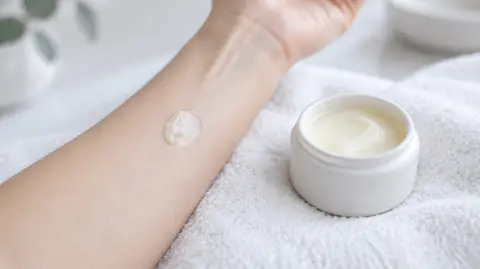
Week 1, days 1 to 3: Apply a pea-sized amount of tallow balm to one cheek only (your choice). Nothing on the other cheek beyond your normal cleanser. Every night.
Week 1, days 4 to 7: Continue the same routine. By day 5, you will start to see whether the test side reacts. Closed comedones (small flesh-colored bumps) are the most common early sign. Cystic spots take longer.
Week 2: If the test side is clear or improving, switch to both sides. If it is breaking out, stop. The test side will recover in about two weeks once you stop applying.
The reason to use one cheek instead of jaw or forehead: cheeks are the most representative tissue for comedogenicity testing on humans. They have moderate sebum output and good follicle density.
For the test, use a minimal-ingredient option. I usually recommend the Santa Cruz Paleo Beef Tallow Moisturizer because the ingredient list is short enough that any reaction is unambiguously the tallow, not a fragrance or extract. The Terra Lotus Organic Unscented is the other clean test option. Both are unscented, both are simple, both let you isolate the variable.
If you want to start from a budget angle, the Organic Tallow Skin 4 oz is the cheapest entry point and works fine for a test.
What to Do If You Break Out
This part is where most blog posts give up. Three things actually help, in order:
1. Cut frequency. Drop from nightly to every other night. A lot of “tallow broke me out” stories resolve at three applications a week instead of seven.
2. Switch to a lighter balm. Whipped tallow balms feel different on the skin than dense balms. The Amallow Clean Cloud Whipped Tallow is the lightest of the whipped balms I have used. Same tallow, but the texture means you apply less per pass.
3. Use it only on dry areas. If your T-zone is oily and your cheeks are dry, only apply to the dry zones. Spot-treat dryness, do not slather.
If none of those help, tallow is not for your face. That is fine. Try it as a body balm, lip balm, or barrier-repair on hands. Skin reacts differently in different body locations.
For background on why pore clogging happens and what does and does not help, the face moisturizer guide and the acne-prone tallow roundup are the next reads. The skin condition page on acne covers the medical context.
Frequently Asked Questions
Is beef tallow non-comedogenic?
Not strictly. A rating of 2 means low risk, not zero risk. “Non-comedogenic” usually refers to ingredients rated 0 or 1. Tallow is one tier above that, in the “well tolerated by most but not all” zone.
Will tallow break out oily skin?
Sometimes. Oily skin already has the sebum coverage that tallow provides. Adding more on top can push some pores over the edge. If you are oily, do the half-face test, apply at half the frequency, and use the lightest whipped balm you can find.
Is tallow safe for acne-prone skin?
Carefully. Tallow does not directly cause acne, but it does not treat it either. If you are in an active acne phase being managed with retinoids, benzoyl peroxide, or other actives, do not add tallow on top of those without a derm conversation. If your skin is mostly clear with occasional breakouts, tallow as a moisturizer at night is usually fine.
How does tallow compare to coconut oil for clogging?
Tallow is roughly two tiers lower on the comedogenic scale than coconut oil. Coconut oil is famous for breaking people out because its short-chain saturated fatty acid profile packs into the pore. Tallow’s longer-chain profile and sebum-mimicking blend does not behave the same way.
Can I use tallow on my whole face if I never get acne?
Yes. If you have a stable, non-reactive face, a pea-sized amount of tallow nightly is one of the simpler skincare routines you can run. Skip the half-face test, but still patch test for three nights.
Bottom Line
Beef tallow rates 2 on the 0 to 5 comedogenic scale. That puts it in the low-to-moderate category alongside jojoba and refined olive, two tiers below coconut oil. The mechanism is lipid biomimicry: tallow’s fatty acid profile is close enough to sebum that it integrates instead of clogs.
For most people, tallow is safe on the face. For very oily or actively acne-prone skin, the half-face two-week test is the way to find out. Start with a minimal-ingredient option like the Santa Cruz Paleo balm or the Terra Lotus unscented for a clean test. If you break out, drop frequency before you drop tallow.
For the wider face-application playbook, the complete face guide and the budget to premium face cream roundup cover product selection in more depth.
Explore more tallow guides
Browse our collection of recipes, comparisons, reviews and DIY tutorials.
View all guidesKing Tallow is reader-supported. We research and test the products we recommend, and when you buy through links on this page we may earn a commission at no extra cost to you. See our affiliate disclosure.
This article is for general information and is not medical advice. Patch test new skincare and talk to a dermatologist or doctor about persistent skin conditions.
Published