



Beef Tallow on Carnivore Diet: How to Use It and How Much to Eat
Reader-supportedPractical guide to beef tallow on the carnivore diet. Daily intake math, best brands, drinking vs cooking, electrolyte tips, and pairing with bone marrow.

This post contains affiliate links. We may earn a commission if you purchase through these links, at no extra cost to you.
The carnivore diet runs on fat. Not protein. Not muscle meat. Fat. If you spend any time in carnivore circles you will hear the same point made a hundred different ways: ribeyes work because they are fatty, lean ground beef stalls people, and anyone who tells you carnivore is a high-protein diet has not been doing it long enough.
Beef tallow is the simplest, most concentrated way to add fat to a carnivore plate. It is pure beef fat, rendered clean, with the same fatty acid signature as the rib cap you already love. No dairy proteins, no plant compounds, no surprises. If you cook on carnivore you should be cooking with tallow. If you are a few weeks into the diet and energy is low, adding tallow is one of the first things to try.
This is the practical guide. Daily intake numbers, brand picks for the volumes carnivore eating requires, how to drink it if you go that route, electrolyte considerations, the transition from keto, and the common mistakes that send people back to the supermarket convinced the diet does not work.
Why Tallow Belongs on a Carnivore Plate
Three reasons make tallow specifically valuable on carnivore.
First, energy density. A tablespoon of tallow is 115 calories and 12.8 grams of fat. On carnivore, where the goal is typically 65 to 80% of calories from fat, you need a lot of fat to hit calorie targets without resorting to lean cuts that leave you hungry. Tallow is the most efficient way to push fat without adding bulk to your plate.
Second, bioavailability of fat-soluble vitamins. Grass-fed tallow contains preformed vitamin A (as retinol), vitamin D3, vitamin E, and vitamin K2 (MK-4). These are exactly the micronutrients that carnivore eating relies on since plant foods are absent. K2 in particular is hard to get from anywhere else in a strict carnivore framework. The tallow nutrition facts complete reference has the detailed numbers.
Third, satiety. Carnivore is harder to overeat than most diets, but a meal of just lean ground beef leaves people unsatisfied and chasing calories two hours later. Adding tallow to that same ground beef pushes the fat ratio up, holds satiety longer, and stops the snacking cycle.
How Much Tallow Per Day
Most carnivore practitioners land in the range of 2 to 4 tablespoons per day. Some eat more. A few eat less. The right number depends on what cuts of meat you eat, what your total calorie target is, and how active you are.
A few sample profiles:
Carnivore on fatty cuts (ribeye, brisket, 80/20 ground beef): Daily tallow: 1 to 2 tablespoons used for cooking. The fat in the meat carries most of the load.
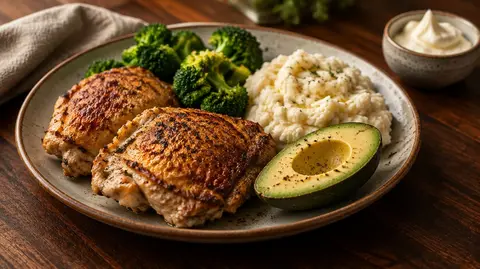
Carnivore on leaner cuts (sirloin, 90/10 ground beef, chicken thigh): Daily tallow: 3 to 5 tablespoons. The cooking fat plus an extra tablespoon stirred into bone broth or eaten with a meal helps hit fat targets.
Carnivore for body composition (caloric deficit): Daily tallow: 1 to 2 tablespoons. You want enough to support hormone production and satiety without overshooting calorie goals.
Carnivore for energy and performance (athletic, high output): Daily tallow: 4 to 6 tablespoons. Energy demands push fat intake up. Tallow is one of the cleanest ways to deliver concentrated calories around training.
The 2 to 4 tablespoon range covers most everyday carnivore eating. If you are below that, your meals are probably too lean. If you are above 6 tablespoons consistently and not very active, you may be overshooting calorie targets without meaning to.
For more on the macros side, see the is beef tallow keto guide, which covers the calorie math that translates to carnivore as well.
Best Brands for Daily Carnivore Eating
You will go through more tallow on carnivore than you would on any other diet. Volume buying matters. Quality matters more than on a standard diet because tallow becomes a primary calorie source rather than a cooking accent.
Workhorse pick: 100% Pure Grass-Fed Beef Tallow (4 lbs). The four-pound tub is the right size for one to two months of daily carnivore use. Grass-fed sourcing delivers more CLA, K2, and fat-soluble vitamins than feedlot tallow, which matters more when tallow is supplying 15 to 25% of your daily calories.
Budget volume pick: Traverse Bay Farms Beef Tallow (32 oz). The 32-oz jar at a lower price point works well for cooking-heavy households or for using tallow in higher volumes. The deodorized neutral flavor makes it more flexible for drinking and stirring into broth.
For more in-depth brand reviews, see best beef tallow keto carnivore diet, best bulk beef tallow, and best beef tallow on Amazon buyers guide.
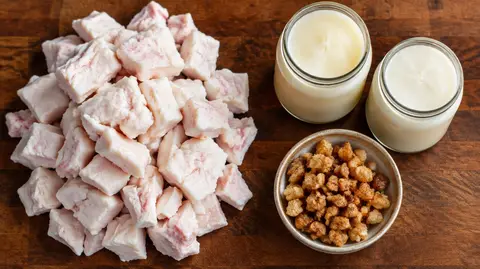
A note on rendering your own. If you live near a butcher who sells suet or grass-fed beef trimmings, rendering tallow at home gets your cost per ounce way down. The render at home guide walks through the method. A pound of suet yields roughly 14 oz of tallow. For carnivore practitioners who go through tallow fast, home rendering can save real money over time.
Drinking Tallow Versus Cooking With It
This is where carnivore practice diverges from regular cooking.
Cooking with tallow is straightforward: melt a tablespoon in a pan, sear meat, eat. The fat ends up partly on the food, partly in the pan. You consume some, lose some. For tracking and intake purposes, the fat that ends up on the steak is what counts toward your daily intake.
Drinking tallow is a different practice. Some carnivore practitioners eat a spoonful of soft tallow directly. Others melt a tablespoon into hot bone broth. Others stir it into coffee. The point is to add concentrated fat without bulking up the meal.
A few practical drinking methods:
Tallow in bone broth. Heat a cup of beef bone broth, stir in 1 to 2 tablespoons of Traverse Bay tallow, salt to taste. The deodorized version blends without overwhelming the broth flavor. This is a clean 200 to 300 calorie liquid meal with full electrolyte profile and concentrated fat.
Coffee with tallow. Hot coffee plus a tablespoon of deodorized tallow plus a stick blender produces a creamy, satiating drink similar to bulletproof coffee but without dairy. Most carnivore practitioners avoid this if they are also avoiding coffee. For the ones who keep coffee, it works.
Direct spoon. A spoonful of soft tallow at room temperature, eaten plain or chased with salt water. This is the lowest-friction way to add fat. It is also the easiest to overdo. A tablespoon is enough.
Tallow on hot meat. Topping a hot steak or ground beef patty with a pat of cold tallow that melts into the meat. This is between cooking and drinking. The fat ends up entirely on the food and contributes meaningfully to satiety.
Electrolyte Considerations
Carnivore eating drops carbohydrate intake to essentially zero. The kidneys respond by excreting more sodium and water. This is the same dynamic that happens on keto but more pronounced on carnivore because there are no plant minerals coming in.
You need to be supplementing electrolytes. Specifically:
- Sodium: 3 to 5 grams per day from salt added to food or salt water
- Potassium: 1 to 2 grams per day, harder to get from meat alone
- Magnesium: 200 to 400 mg per day, usually as a supplement
Tallow itself contains essentially zero electrolytes. The high-fat eating pattern that carnivore promotes can mask electrolyte issues for a while, then suddenly produce headaches, muscle cramps, or fatigue weeks in. Salt your food generously. Drink salt water or bone broth daily. Take a magnesium supplement at night.
This is the single most common reason people quit carnivore in the first month. They are not eating enough sodium. They blame the diet when it is actually an unaddressed electrolyte deficit.
For the broader question of fat and energy on carnivore, the existing is beef tallow good for keto and carnivore post has additional context.
Transition Tips From Keto
Most people come to carnivore after time on keto. The transition is not zero-effort.
Expect a brief energy dip. The first week of strict carnivore often comes with low energy as the body adjusts to even lower carbohydrate intake than keto demanded. This is normal. It passes. Eating more fat (more tallow on meals) accelerates the adaptation.
Drop the leafy greens slowly. A common pattern is to phase out vegetables over a week rather than going zero-plant overnight. This makes the transition easier on digestion.
Increase tallow before you need it. If you were using 1 tablespoon a day on keto, plan on 2 to 3 tablespoons in the first weeks of carnivore as the protein-to-fat ratio in your diet shifts.
Watch hunger. Carnivore tends to suppress appetite. Some people undereat without realizing it and then crash. If you are not hungry, eat anyway. A meal of fatty steak with extra tallow on top is harder to push through than a salad, but you should be hitting your calorie targets.
Salt aggressively. The electrolyte point bears repeating. You will need more salt than you think.
The Tallow Plus Bone Marrow Plus Butter Stack
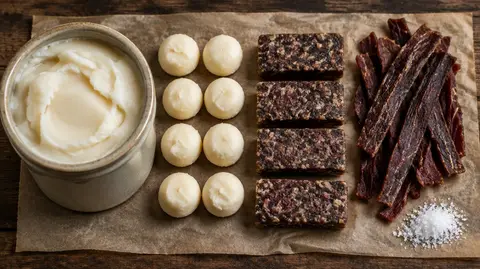
Some carnivore practitioners build meals around three concentrated animal fats: beef tallow, bone marrow, and grass-fed butter (if dairy is included).
Bone marrow is the soft fatty tissue inside long bones. Roasted bone marrow served with salt is a common carnivore-friendly side. It carries B12, iron, and a different fatty acid profile than tallow, with more monounsaturated content and some unique lipid signaling molecules.
Grass-fed butter, if you tolerate dairy, brings butyrate (a short-chain fatty acid that supports gut health) and a third flavor profile to the table.
The stack works like this: tallow as the cooking medium and primary added fat, bone marrow as a side dish or topping for steak, butter as a finishing fat on top of cooked meat. Each one contributes something the others do not.
Strict carnivore that excludes dairy drops the butter and runs tallow plus bone marrow. The tallow can fill the role of finishing fat as well as cooking fat in that case.
What Most People Get Wrong
A few mistakes I see again and again.
Eating too lean. Sirloin, 93/7 ground beef, and chicken breast can put you in a calorie deficit while you feel hungry all the time. Either switch to fattier cuts (ribeye, 80/20 ground beef, chicken thigh) or top lean meat with extra tallow.
Skimping on tallow for cooking. A teaspoon of tallow in a cold pan for a ribeye is not enough. Use a full tablespoon, get the pan ripping hot, sear properly. The food tastes better and the fat ratio works out.
Buying skincare tallow for eating. Several products on Amazon labeled “tallow balm” or “tallow moisturizer” contain essential oils and other additives that are fine on skin and not appropriate for eating. The cooking grade options are unscented, pure rendered fats from food brands. The grass-fed tallow and Traverse Bay tallow are both food grade.
Treating tallow as a “vitamin” rather than a calorie source. Tallow is fat. It carries some fat-soluble vitamins, but the primary point of eating it is energy and satiety. Do not eat tallow specifically for K2 if you are also eating fatty cuts of grass-fed beef, which deliver the same micronutrients.
Ignoring shelf life. A four-pound tub of tallow lasts most carnivore practitioners six to eight weeks. Refrigerate after opening if your kitchen is humid. The storage and shelf life guide has the specifics.
Not adjusting tallow intake during weight loss versus maintenance. When you are trying to lose body fat on carnivore, the calorie load from added tallow matters. When you are in maintenance or trying to gain, push the tallow up. The intake should match the goal.
A Sample Carnivore Day With Tallow
Here is what a high-fat carnivore day looks like in practice for me.
Breakfast: Three eggs fried in 1 tablespoon of tallow, plus a side of breakfast sausage. Salt heavily. Black coffee.
Lunch: Ribeye seared in 1 tablespoon of tallow, basted with a spoonful at the end. The pan drippings drizzled over the steak. A cup of bone broth with another tablespoon of tallow melted in.
Dinner: Smashburger patties cooked in a tablespoon of tallow, topped with bone marrow scooped from a roasted marrow bone. More salt.
Daily tallow used: Roughly 4 tablespoons. Total fat intake from all sources around 200 grams. Total calories around 2800. Macros: 80% fat, 20% protein, 0% carbs.
This is a higher-intake day. Lighter days for me run closer to 2 to 3 tablespoons of added tallow.
Frequently Asked Questions
How much tallow should I eat per day on carnivore?
Most carnivore practitioners use 2 to 4 tablespoons per day. The exact number depends on what cuts of meat you eat (fattier cuts need less added tallow), your activity level, and your calorie goals. Below 2 tablespoons is fine if you are eating very fatty meat. Above 6 tablespoons consistently is unusual unless you are very active.
Can I drink beef tallow straight?
Yes. Carnivore practitioners commonly stir tallow into bone broth, coffee, or hot water as a fat delivery method. Eating a spoonful straight is also done. Use the deodorized Traverse Bay tallow for drinking applications. The grass-fed standard tallow is too beefy for most drink uses.
Is grass-fed tallow worth the price on carnivore?
Yes, more than on any other diet. Carnivore eating means tallow can supply 15 to 25% of daily calories. The CLA, K2, omega-3 ratio, and fat-soluble vitamin advantages of grass-fed sourcing matter more at higher intake levels.
Will tallow help me transition from keto to carnivore?
Yes. Adding 1 to 2 extra tablespoons of tallow per day during the transition supports the higher-fat profile carnivore requires and helps with energy during the adaptation week. Most people coming from keto need to push fat up by 30 to 50% when going strict carnivore.
Can I use tallow for everything on carnivore?
You can. Tallow handles cooking, drinking, and finishing applications. The only carnivore-relevant fat use it does not cover is dairy-based fat (butter, ghee, cream) if you include those. For dairy-free carnivore, tallow plus bone marrow covers all the added fat needs.
Why do I crave tallow after a few weeks on carnivore?
This is common. The body adapts to running on fat and starts signaling specifically for it. Cravings for tallow, butter, or marrow late in a carnivore meal are a sign the diet is working as intended. Listen to the signal but watch the calorie load if you are tracking for body composition.
Bottom Line
Beef tallow is the most efficient way to push fat intake on a carnivore diet without bulking up the plate. Two to four tablespoons per day covers most practitioners, with higher amounts during high-output training or transitions from keto. A four-pound tub of grass-fed tallow lasts a month or two of daily use and delivers the K2 and CLA content carnivore eating relies on. Keep a Traverse Bay deodorized jar on hand for drinking in broth and coffee. Salt your food, mind your electrolytes, and let the fat do the work.
Explore more tallow guides
Browse our collection of recipes, comparisons, reviews and DIY tutorials.
View all guidesKing Tallow is reader-supported. We research and test the products we recommend, and when you buy through links on this page we may earn a commission at no extra cost to you. See our affiliate disclosure.
Published