

This post contains affiliate links. We may earn a commission if you purchase through these links, at no extra cost to you.
yes, beef tallow is keto. It is one of the most keto-friendly fats you can put in your kitchen. Zero carbs, no protein to worry about gluconeogenesis kicking in, dense calories, stable under heat, and a fatty acid profile that supports ketone production rather than fighting it.
The longer answer is more useful. Tallow on keto is not just a swap for butter. It has different cooking behavior, different flavor properties, and a specific role in a few keto-adjacent practices (fat fasting, carnivore, ketogenic carnivore) where it outperforms almost every other option. This is the practical guide.
The Macro Case
Per tablespoon of tallow:
- 115 calories
- 12.8 g fat (5.0 saturated, 5.4 monounsaturated, 0.5 polyunsaturated)
- 0 g carbohydrates
- 0 g protein
- 0 g fiber
That zero carb count is what makes tallow unconditionally keto. There is no version of the diet, no matter how strict, that excludes pure animal fat on macro grounds. You can use it in standard ketogenic (50 to 75% fat by calories), high-protein ketogenic, cyclical ketogenic, or therapeutic ketogenic eating without ever burning a carb count.
Per cup, tallow delivers 1849 calories and 205 grams of fat. For people doing fat fasting (an intentional period of high-fat, low-calorie intake to push ketosis deeper), that calorie density matters. A few tablespoons of tallow stirred into bone broth delivers a substantial fat load with zero metabolic disruption.
For the full breakdown of every macro and micronutrient in tallow, see the tallow nutrition facts complete reference.
Why Tallow Specifically Supports Ketosis
Three properties matter for ketogenic eating.
First, the high saturated and monounsaturated content. Saturated and monounsaturated fats are metabolized through pathways that support ketone production. Polyunsaturated fats, especially industrial seed oils, have a different metabolic signature. Tallow at 50% saturated and 42% monounsaturated lands almost perfectly in the range that ketogenic eating prefers.
Second, the absence of insulinogenic load. Some fats trigger small insulin responses. Tallow does not. No protein, no carbs, no whey, no sugars. The hormonal background stays quiet. Insulin stays low. Ketones keep flowing.
Third, satiety. Tallow is dense, slow-digesting, and satiating in a way that liquid oils are not. Cooking eggs in tallow versus cooking eggs in olive oil produces a meal that holds you longer. For people using keto for appetite control or weight management, this is a real practical advantage.
Best Brands for Keto Cooking
Not all tallow is created equal for daily keto use. The two factors that matter most are sourcing (grass-fed if possible, for the better fatty acid profile and K2 content) and packaging size (you will go through it faster on keto than on a standard diet).
For daily cooking: 100% Pure Grass-Fed Beef Tallow (4 lbs) is the workhorse. A four-pound tub is enough for two months of daily keto cooking. The grass-fed sourcing means you get more CLA, more K2, and more fat-soluble vitamins than feedlot tallow.
For higher-volume cooking and fat fasting: Traverse Bay Farms Beef Tallow (32 oz) is the budget pick. The 32-oz jar is easier to scoop from for spoon-in-broth use and the deodorized neutral flavor makes it more flexible for stirring into things like coffee or broth.
For more brand-level comparisons specifically for keto and carnivore eating, see best beef tallow for keto carnivore diet and the best beef tallow for cooking brands tested post.
Keto Recipes That Are Better With Tallow
Keto cooking lives or dies on fat selection. These are the dishes where tallow specifically beats butter, ghee, or olive oil.
Keto French Fries
You cannot eat french fries on keto. You can eat turnip or rutabaga or radish “fries” cooked in tallow that scratch the same itch. Turnip cut into wedges, double-fried in tallow at 325F then 375F, salted while hot, eats remarkably close to potato fries with a fraction of the carbs. The tallow flavor is what carries the dish. Olive oil cannot deliver this. The technique is the same as the tallow french fries method, just with low-carb root vegetables.
Keto Bone Broth With Tallow Fat Cap
Long-simmered bone broth produces a layer of rendered fat on top after cooling. On keto, you skim that and save it. For meal-prep cups of broth, melt a tablespoon of grass-fed tallow into each cup. The broth becomes a complete meal at around 200 calories with electrolytes, collagen, and substantial fat. This is one of the cleanest keto liquid meals available.
Steak Basting Fat
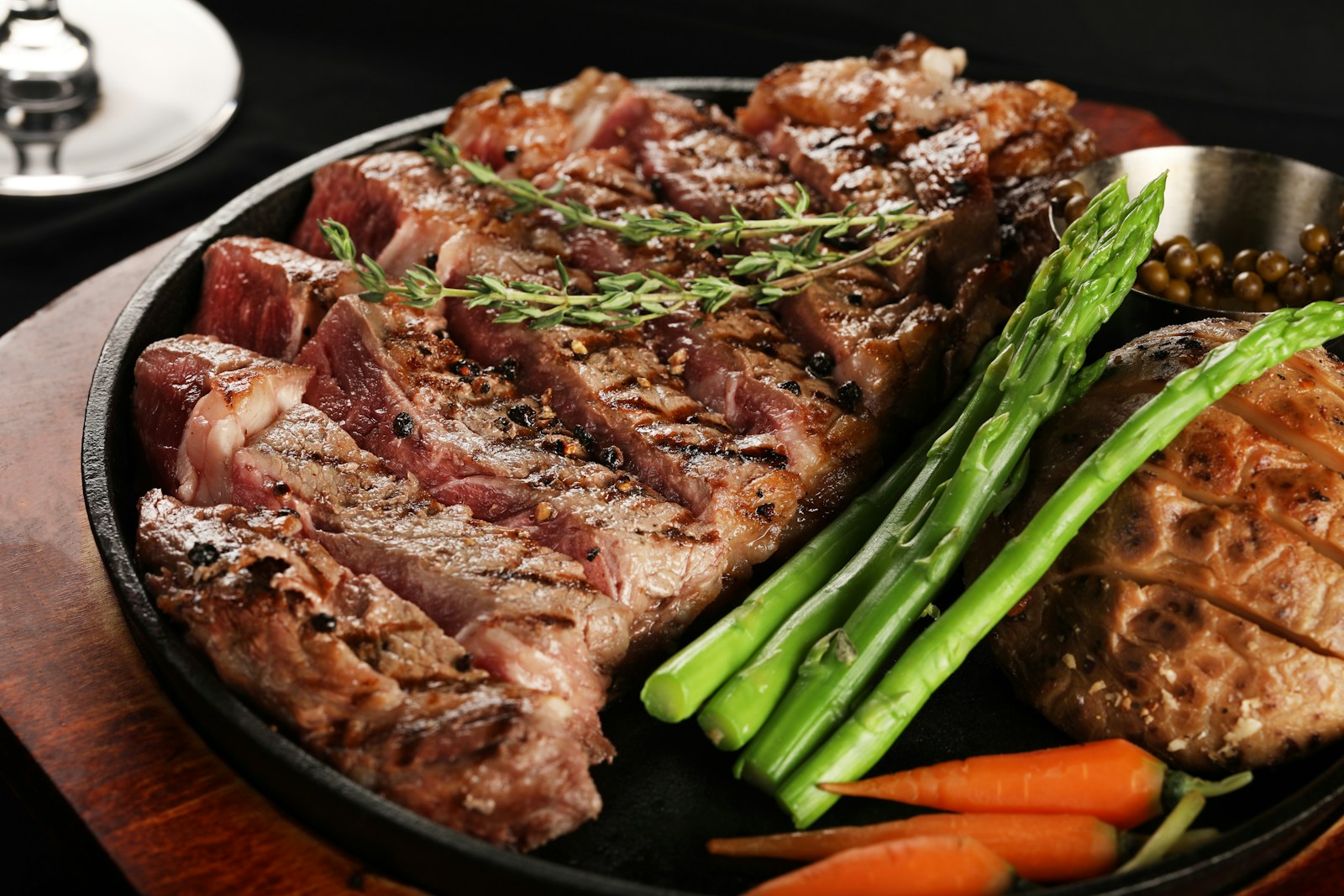
A ribeye in a cast iron pan at the end of the sear gets basted with a spoonful of tallow plus a smashed garlic clove. The fat carries flavor that pure butter cannot match. The steak macros are clean keto. The basting fat pushes the meal’s fat-to-protein ratio in the right direction for staying in ketosis.
Roasted Vegetable Trays
Brussels sprouts, asparagus, broccoli, cauliflower, and bell pepper all roast at 425F with a tablespoon of tallow tossed in. The caramelization is deeper than olive oil delivers. The fat content boosts a low-calorie vegetable side into a more macro-substantive plate.
Pan-Fried Eggs
A teaspoon of tallow in a cast iron pan, eggs cracked in over medium-low heat, crispy edges, soft yolks. The flavor profile reads as a steakhouse breakfast. On a 70% fat ketogenic split, two eggs cooked in a teaspoon of tallow plus a side of bacon is a clean 600-calorie breakfast that holds satiety through midmorning.
Keto Smashed Hamburger
Cast iron, screaming hot, a tablespoon of tallow melted, a ball of seasoned ground beef pressed thin with a spatula. The lacy edges from a tallow-fried smash burger are the hallmark of the technique. Top with cheese, serve on lettuce or a low-carb roll.
Portion Guidance
Keto fat intake varies by approach. Standard ketogenic eating runs 70 to 80% of calories from fat. For a 2000 calorie day, that is 156 to 178 grams of fat, or roughly 12 to 14 tablespoons total fat from all sources combined.
Tallow as your primary added cooking fat will typically run two to four tablespoons per day. Most people are not eating six tablespoons of tallow on top of other dietary fat. The rest of the fat budget comes from meat, eggs, cheese, avocado, nuts, and incidental sources.
A reasonable distribution:
- Breakfast: 1 teaspoon to 1 tablespoon tallow (cooking eggs, sausage)
- Lunch: 1 to 2 tablespoons tallow (roasted vegetables, pan-seared protein)
- Dinner: 1 to 2 tablespoons tallow (cast iron protein, side dish)
- Optional: 1 tablespoon stirred into bone broth or coffee
That lands around 4 to 6 tablespoons per day during higher-intake periods, or 2 to 3 tablespoons on more moderate days.
For carnivore-style keto where tallow becomes a primary energy source, the intake can climb higher. The carnivore diet guide covers that adjustment.
How to Track Tallow in Your Macros
The math is clean because tallow has no carbs or protein. Every tablespoon is 115 calories of pure fat, 12.8 grams.
In a tracking app like MacroFactor or Cronometer, the entry “beef tallow, rendered, 1 tbsp” gives you the standard USDA breakdown. Some apps default to teaspoon or gram, in which case use 4.3 grams per teaspoon, 12.8 grams per tablespoon, 205 grams per cup.
For cast iron searing, the actual fat load on the food is less than the fat you melted in the pan. Roughly half the tallow ends up on the steak or eggs. The other half stays on the pan. For tracking accuracy, count the full amount you scoop into the pan since the difference is hard to measure consistently.
If you are deep frying with tallow, the food absorbs a fraction of the frying fat. A serving of tallow-fried turnip wedges absorbs roughly one to one and a half tablespoons of fat per medium portion. Reuse helps reduce the per-serving fat load because the fat is shared across many fries.
Fat Fasting With Tallow
Fat fasting is the practice of eating very low calories almost entirely from fat for a short period (typically 1 to 5 days) to push ketosis deeper or break stalls. It is not a long-term eating pattern. It is a tool.
Tallow works well for fat fasting because it is calorie-dense, satiating, and easy to consume in liquid form. A typical fat fast day might look like:
- Morning: Coffee with 2 tablespoons tallow blended in
- Midday: 1 cup bone broth with 2 tablespoons tallow melted in, plus a few macadamia nuts
- Evening: Crispy salami fried in tallow, plus another coffee with tallow
Total: roughly 1000 to 1200 calories, almost entirely from fat, no carbs, minimal protein.
Whether fat fasting is a useful tool for you depends on your goals and metabolic context. It is not appropriate for everyone. Multi-day fat fasts in particular need a real reason and ideally medical oversight if you have any underlying conditions.
Tallow in Keto Coffee
Bulletproof coffee (coffee blended with grass-fed butter and MCT oil) is the most famous keto liquid breakfast. A tallow-based version uses 1 tablespoon of Traverse Bay tallow (the deodorized neutral flavor is important here) plus a teaspoon of MCT oil blended into hot coffee with a stick blender.
The result is creamier than butter coffee and slightly richer. The slight beefy note from non-deodorized tallow is too much for coffee, which is why I specifically recommend the deodorized option for this use. For everything else cooking-related, the grass-fed standard tallow is better.
Cast Iron and Keto
If you are cooking on cast iron, tallow is the right seasoning fat. The high saturated content polymerizes into a hard, slick surface that resists carbon buildup and gives you an effectively non-stick surface for keto eggs, sausages, and pan-seared proteins. The cast iron seasoning guide walks through the technique.
Building seasoning on cast iron with tallow over a few weeks of keto cooking makes daily egg-cooking dramatically easier. No sticking, no metal-on-protein contact, no cleanup with soap and a brush. Just a wipe with a paper towel after.
Common Keto Mistakes Around Tallow
A few things I see people get wrong.
Treating tallow as a “free calorie.” Tallow is keto compliant on macros but it is still 115 calories per tablespoon. If you are using it to “boost fat” beyond what your goals actually require, you can easily overshoot calorie targets and stall fat loss. Tallow is keto but it is not metabolically magical.
Using too little. The flip side. Some people are so cautious about fat intake that they cook everything in a teaspoon of tallow when they should be using a full tablespoon. Cast iron searing needs enough fat to coat the food. Roasted vegetables need enough fat to caramelize. Skimping on tallow makes the food worse without meaningfully improving the macros.
Buying flavored or scented tallow for cooking. Some tallow products on Amazon are marketed for skincare (lavender-scented, rose-scented, etc). These are not for eating. The cooking grade options are the unscented, pure rendered fats. Check the product description before adding to cart.
Not refrigerating after opening if humidity is high. Tallow is shelf stable for months but in humid kitchens (think Gulf Coast summer), refrigerating after opening extends shelf life and slows oxidation. For more on this, see the tallow storage guide.
Keto Versus Carnivore Tallow Use
Standard keto allows non-starchy vegetables, dairy, nuts, and other plant fats. Tallow on standard keto is one of several fat sources.
Carnivore eating excludes all plant foods. Tallow becomes a primary energy source. Daily intake can climb to 4 to 8 tablespoons per day. The brand choice matters more because you are consuming higher volumes.
For the carnivore-specific deep dive, the tallow on carnivore guide walks through portioning, daily intake math, and how to handle the transition from keto to carnivore. The existing is tallow good for keto and carnivore post covers the overlap.
Frequently Asked Questions
Will beef tallow kick me out of ketosis?
No. Tallow contains zero carbohydrates and zero protein. There is no metabolic pathway by which pure fat exits ketosis. The only way tallow would affect ketosis is if it pushed total calorie intake so high that other macro choices got crowded out, which would be unusual.
How much tallow can I eat on keto per day?
There is no upper limit on macro grounds. Practically, most people use 2 to 4 tablespoons per day as cooking fat. Higher intakes (5 to 8 tablespoons) are common during fat fasting or on carnivore-style ketogenic eating. The constraint is usually total calorie intake, not the tallow specifically.
Is grass-fed tallow worth it on keto?
The micronutrient and fatty acid differences matter more on keto than on a standard diet because you are eating more total fat. The CLA, K2, and omega-3 advantage of grass-fed tallow translates into a more nutrient-dense daily intake when tallow is a significant calorie source. The price difference for a four-pound tub is modest.
Can I drink beef tallow on keto?
Yes. Stirring a tablespoon of deodorized tallow into bone broth, coffee, or hot water is a common way to push fat intake on keto. The flavor is mild when using a neutral grade like Traverse Bay Farms tallow. The strong beef flavor of grass-fed tallow can be overwhelming in coffee but works well in broth.
Is tallow better than butter for keto?
Tallow has a higher smoke point than butter, contains no dairy proteins or lactose, and has zero carbs and protein. Butter has small amounts of both (around 0.1 g carb and 0.1 g protein per tablespoon). For dairy-sensitive keto eaters, tallow is the better choice. For everyone else, both work and the choice is flavor preference.
What is the best tallow brand for keto?
For daily cooking, the 100% Pure Grass-Fed Beef Tallow is my standard. For fat fasting, drinking, and high-volume use, the Traverse Bay Farms 32 oz jar is the budget pick with a more neutral flavor that mixes into things better.
Bottom Line
Beef tallow is keto-friendly without qualification. Zero carbs, zero protein, dense calories, ketogenic-supporting fatty acid profile, and stable enough to handle the high-heat cooking that keto recipes lean on. Start with a four-pound tub of grass-fed tallow for daily cooking and consider a Traverse Bay deodorized jar if you are drinking it in broth or coffee. Two to four tablespoons per day is the typical range. The macros will track cleanly because there is nothing in tallow that does not show up on the fat line.