

Beef Tallow vs Avocado Oil: Smoke Point, Nutrition, and Cost Compared
Independent reviewBeef tallow vs avocado oil compared on smoke point, fatty acid profile, flavor, cost per ounce, and the adulteration problem nobody talks about.

This post contains affiliate links. We may earn a commission if you purchase through these links, at no extra cost to you.
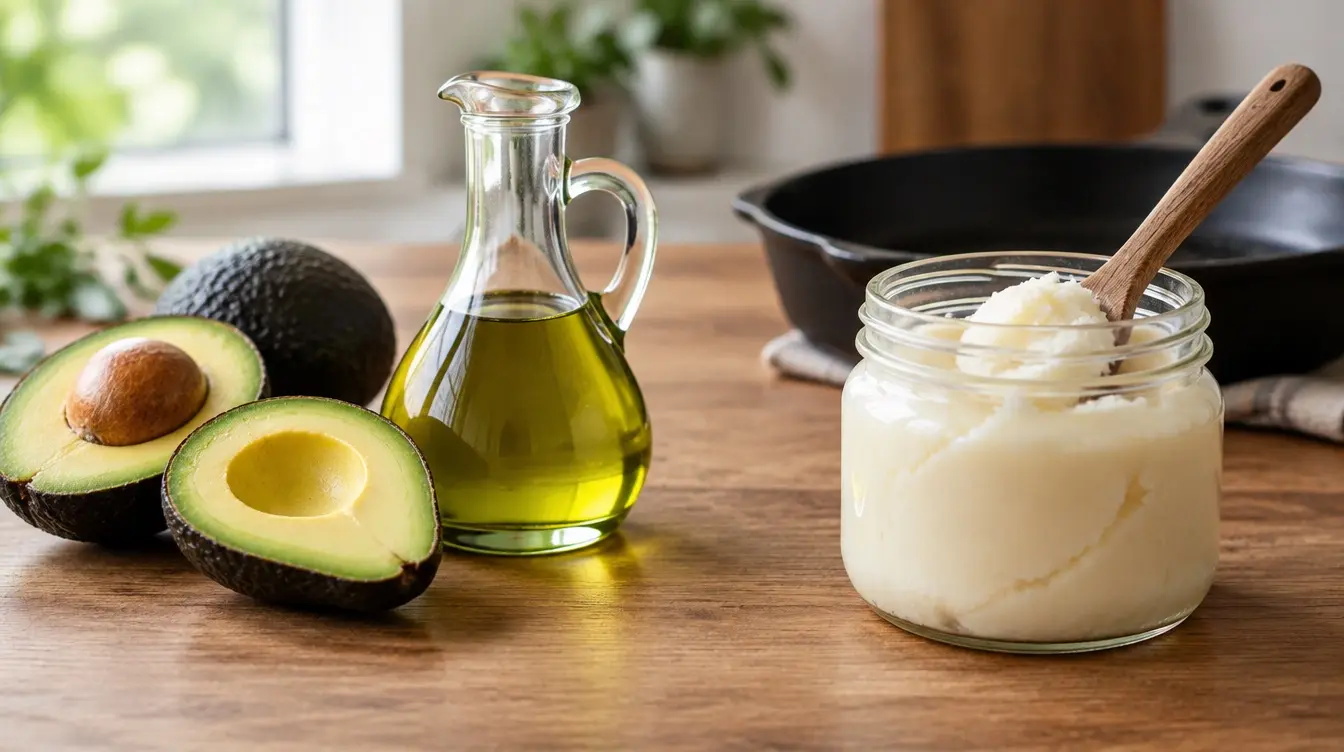
I cook with both. That is the cleanest way to say it. I keep a jar of beef tallow next to the stove and a squeeze bottle of avocado oil on the counter, and they get used for different things on different nights. After a few years of going back and forth I have a pretty firm opinion on when each one wins, and the answer is not what most internet writeups make it sound like.
avocado oil has a higher smoke point but a worse adulteration problem. Tallow has more flavor and a better real-world reuse profile but a lower smoke point and a stronger taste that does not belong in everything. If you only buy one, the choice depends on what you cook most. If you can keep both, that is the move.
Here is the full breakdown.
Smoke Point: The Number Everyone Quotes
Refined avocado oil has the highest smoke point of any common cooking oil. The widely cited number is around 520F, with some refined products landing closer to 500F and a few outliers claiming 575F. The oil is light, neutral, and built to handle heat that would kill almost anything else in your pantry.
Beef tallow sits around 400F to 420F depending on how clean the render is. Grass-fed tallow tends to come in a touch lower because of slightly different fatty acid ratios. Filtered, well-strained tallow does better than tallow with residual cracklings left in it.
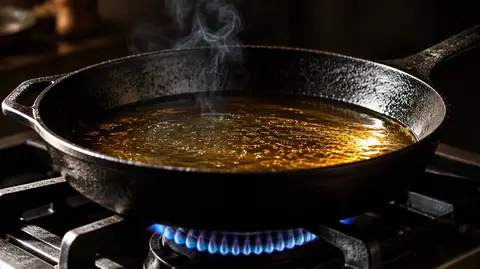
A 100-degree gap is real. If you are searing a steak in a screaming hot cast iron pan, avocado oil will sit there quietly while tallow gives you a kitchen full of smoke. I have set off the smoke detector more than once with tallow at full sear heat. I have never set it off with avocado oil.
That said, smoke point is the most overrated metric in the cooking oil debate. Most home cooking does not happen anywhere near 500F. A pan-fried chicken thigh cooks at around 325F. A roast vegetable tray runs 400F max. A standard sear in a stainless pan with a normal stove is doing 380F to 420F. You will rarely push tallow past where it is comfortable.
If you specifically need 500F or hotter, like reverse-sear finishes, wok cooking with a high BTU burner, or deep frying that needs to recover temperature fast, avocado oil wins. For everything else, smoke point matters less than the headlines suggest.
For the deeper dive on this I wrote a full smoke point and temperature guide that covers what actually happens in a pan at different temperatures.
Fatty Acid Profile
This is where the two oils diverge in interesting ways.
Avocado oil is heavily monounsaturated. The standard breakdown is around 70% oleic acid, 12% palmitic acid, 13% linoleic acid, and a smattering of other fatty acids in small amounts. It looks a lot like olive oil from a chemistry standpoint, which is part of why people who like olive oil but want a higher smoke point reach for it.
Beef tallow is a mix. Roughly 50% saturated fat, 42% monounsaturated, and 4% polyunsaturated. Inside the saturated portion, palmitic acid runs around 26% and stearic acid sits at 14%. Stearic acid is the one that does not raise LDL cholesterol the way most saturated fats do, which is part of why the tallow nutrition picture is more interesting than a headline number on a label.
The monounsaturated portion of tallow is dominated by oleic acid at roughly 36%. That overlap with avocado oil is real. Tallow has less oleic than avocado, but it has plenty. The flavor difference between them is not just oleic versus saturated. It is about what the rest of the fat is doing.
For the full breakdown of every fatty acid in tallow, I went deep in the tallow nutrition facts complete reference.
Taste
This is the part that ends the debate for me.
Avocado oil is neutral. Refined avocado oil tastes like almost nothing. Unrefined virgin avocado oil has a faint grassy, buttery note that some people love and most cannot detect. In a sear, in a stir fry, in a salad dressing, it gets out of the way and lets the rest of the dish do the talking.
Beef tallow tastes like beef. It is rich, savory, and slightly sweet in a way that good rendered fat always is. When you cook potatoes in tallow they taste like the best version of themselves. When you fry chicken in tallow the crust carries flavor that no neutral oil can put there. When you make a brown gravy starting from tallow drippings, the gravy is better.
I would never sear fish in tallow. I would never make a stir fry with tallow if the rest of the dish was Asian-inflected. The beef flavor would crash the party. For the same reason, I would never use avocado oil to fry potatoes that I wanted to taste like a steakhouse side. The neutrality I love at high heat becomes a missed opportunity at medium heat.
The flavor rule I follow: if you want the fat to disappear, use avocado oil. If you want the fat to be an ingredient, use tallow.
Price Per Ounce
This part changes month to month, but here is roughly where things sit.
A good refined avocado oil runs about 30 to 45 cents per ounce when you buy a large bottle. Smaller bottles can climb to 60 cents per ounce. Premium unfiltered brands with verified sourcing can hit a dollar per ounce.
Beef tallow varies wildly. A four-pound tub of 100% Pure Grass-Fed Beef Tallow works out to roughly 30 to 40 cents per ounce, which makes it cost-competitive with mainstream avocado oil and cheaper than premium avocado. The Traverse Bay Farms 32 oz jar often lands closer to 25 to 30 cents per ounce, which is the budget pick when you are buying for cooking volume.
If you render your own tallow from suet, you can get the cost down to a few cents per ounce. I covered the math in the tallow yield calculator if you want to run the numbers.
Reuse is where tallow pulls ahead on cost. After deep frying once in tallow, you can strain it through a cheesecloth and use it again. I have used the same batch of tallow for four or five fry sessions before retiring it. Avocado oil degrades faster under repeat high heat because of the polyunsaturated fraction. You can reuse it, but the flavor and stability drop noticeably after the second use.
The Adulteration Problem Nobody Wants To Talk About
Here is where avocado oil takes a real hit.
In 2020, researchers at the UC Davis Olive Center tested 22 commercial avocado oil samples sold in the US. They found that 82% of the samples were either rancid before their expiration date or mixed with cheaper oils, mostly soybean or sunflower. The follow-up study in 2023 found the problem had not meaningfully improved. Some samples labeled as 100% avocado oil contained almost no actual avocado oil.
This matters for two reasons. First, you are paying premium prices for refined seed oils dressed up in better marketing. Second, the smoke point you are paying for is not the smoke point you are getting. Soybean oil smokes at 450F. Sunflower oil smokes at 440F. If your avocado oil is half soybean, your 520F label is a fairy tale.
The brands that consistently passed the UC Davis tests include Chosen Foods, Marianne’s, and CalPure, with a few smaller cold-pressed operations doing well. If you buy avocado oil, buy from a brand that has been independently tested. Buy small bottles. Use them quickly. Refrigerate after opening to slow the rancidity clock.
Beef tallow has its own quality variation. Industrial tallow, grass-fed tallow, and home-rendered tallow are three different products. I wrote a separate post on grades and quality standards that covers what to look for on a label. The good news is that tallow adulteration is rare. It is hard to fake a solid fat the way you can fake a clear liquid. You can see and smell whether tallow is what it claims to be in a way you simply cannot with a bottle of clear oil.
When Avocado Oil Wins
There are dishes I will always reach for avocado oil first.
Mayonnaise and aioli. The neutrality is essential. Tallow is solid at room temperature anyway, so it is a non-starter for emulsified sauces. Avocado oil makes a clean, golden mayo that tastes like the egg yolks and lemon, not like fat.
Salad dressings. Same reason. You want the vinegar and herbs to do the work.
High-heat searing. Reverse sear finishes on steak, ripping hot wok cooking, anything where you need the pan above 450F without the kitchen filling with smoke.
Asian and Mediterranean cooking. The flavor profiles do not want beef fat in them. Avocado oil sits in for olive oil, sesame, or a neutral vegetable oil without pulling the dish in a weird direction.
Baking that needs a neutral oil. Cakes, muffins, and quick breads that call for a liquid oil. Tallow can work in baking but it changes the texture and flavor in ways most recipes do not account for.
When Tallow Wins
Tallow is my default for anything I want to taste like steakhouse cooking.
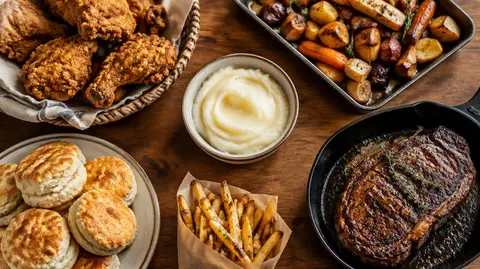
Potatoes. French fries, hash browns, roasted potatoes, smashed potatoes. There is no contest. I covered this in detail in the tallow french fries guide.
Cast iron searing at moderate heat. A bone-in pork chop, a chicken thigh, a smashburger. The fat polymerizes on the pan over time and gives you a slick surface that no liquid oil can build.
Roasted vegetables. A tablespoon of tallow tossed with brussels sprouts, carrots, or root vegetables before they go in a 425F oven gives you caramelization and depth that olive oil cannot match.
Pan gravy. Drippings from a roast plus a spoonful of tallow plus flour gives you a brown gravy with the kind of body that takes a sauce from good to memorable.
Deep frying when flavor matters. Chicken, onion rings, fish in heavy beer batter. The recovery temperature with tallow is fine for almost any home setup, and the flavor is in another league.
Cast iron seasoning. Tallow is one of the best fats for building and maintaining a cast iron seasoning. I wrote the full method in the cast iron seasoning guide.
For more on tallow cooking applications, the top cooking uses guide walks through the full range.
Storage and Shelf Life
Tallow stores for months on the counter and over a year in the fridge. The high saturated fat content makes it stable. Light, heat, and air still degrade it, but slowly. A sealed jar of Traverse Bay tallow in a cool pantry will outlast most things on the shelf next to it. For more on this, see the storage and shelf life guide.
Avocado oil oxidizes faster than its smoke point would suggest. The high oleic content is reasonably stable, but the trace polyunsaturates start to rancid within months of opening. Refrigerate after opening. Buy smaller bottles. Use what you open.
The Honest Side By Side
If you have to pick one and only one for a kitchen that does mostly home cooking:
Pick tallow if you cook meat, potatoes, roasted vegetables, eggs, and breakfast sausages most weeks. The flavor payoff and the cast iron compatibility make it the daily driver.
Pick avocado oil if you cook a lot of Asian food, fish, salads, baked goods, or dishes that want a neutral fat. The flexibility is hard to argue with.
I keep both. The four-pound tub of grass-fed tallow gets used four or five times a week. A bottle of avocado oil gets used twice a week. Each one does work the other cannot.
For a deeper head-to-head with seed oils more broadly, the compare avocado oil page walks through the chart-based comparison.
Frequently Asked Questions
Is avocado oil really 520F smoke point?
In a lab, with pure refined avocado oil, yes. In a bottle on a store shelf, maybe. The 2020 UC Davis study found that 82% of tested samples were rancid or adulterated with cheaper oils, which lowers the real smoke point. Buy from brands that publish independent test results.
Is beef tallow healthier than avocado oil?
Neither one is obviously healthier in isolation. Avocado oil has more monounsaturates and zero saturates. Tallow has a balance of saturated and monounsaturated fats plus fat-soluble vitamins like A, D, E, and K if it comes from grass-fed sources. The bigger question is what you replace with what. Both are better than industrial seed oils. I went deeper in the is tallow healthy science post.
Can I use tallow and avocado oil together?
Yes, and I do. A blend of avocado oil for the initial sear at high heat and tallow added at the end for flavor works beautifully on steak. The avocado oil handles the temperature, the tallow brings the basting flavor at the finish.
Which one is better for frying?
For temperature stability and reuse, tallow. For raw smoke point, avocado oil. If you are home frying chicken or fries in a Dutch oven at 325F to 375F, tallow is better. If you are doing high-temp recovery in a deep fryer at 400F plus, avocado oil edges ahead.
Does avocado oil taste like anything?
Refined avocado oil tastes neutral. Unrefined virgin avocado oil has a faint grassy note that most people cannot detect once it is mixed into a dish. If you want a fat with no flavor profile, avocado oil delivers.
How can I tell if my avocado oil is real?
Smell it. Real avocado oil has a faint vegetal, grassy, slightly nutty scent. Fake avocado oil mixed with soybean smells like nothing or smells faintly fishy. Pour a small amount into a clear glass and look at the color. Real refined avocado oil is pale gold. Heavily adulterated oil is often nearly colorless or strangely greenish.
Bottom Line
Avocado oil wins on raw smoke point and neutrality. Tallow wins on flavor, reuse, and the fact that you can see what you are buying. If you only keep one, choose based on what you cook most. If you can keep both, a four-pound tub of grass-fed tallow plus a midsize bottle of a third-party-tested avocado oil covers almost every cooking situation a home kitchen will throw at you.
Explore more tallow guides
Browse our collection of recipes, comparisons, reviews and DIY tutorials.
View all guidesKing Tallow is reader-supported. We research and test the products we recommend, and when you buy through links on this page we may earn a commission at no extra cost to you. See our affiliate disclosure.
Published