


Is Beef Tallow Healthy? What the Science Actually Says
Reader-supportedAn evidence-based look at beef tallow and health. Saturated fat science, the Sydney Diet-Heart reanalysis, CLA, vitamin K2, omega ratios, and what to watch for.


This post contains affiliate links. We may earn a commission if you purchase through these links, at no extra cost to you.
Medical disclaimer: I am not a doctor. This post summarizes published research and my own reading of the literature. Nothing here is medical advice. If you have heart disease, high cholesterol, diabetes, or any condition affected by diet, talk to a clinician before changing how you eat.
I get the same question every week. Some version of “is tallow actually healthy or are we just rationalizing fried potatoes.” It is a fair question. The cultural memory of saturated fat being bad runs deep, and the rebound narrative around animal fats has been loud enough to be suspicious on its own.
So here is my best honest attempt at answering it. I read the actual papers. I cite the ones that matter. I tell you where tallow looks better than its reputation, where it has real limits, and who should be cautious.
the evidence against saturated fat is much weaker than the public health messaging suggested for 60 years, but that does not automatically mean tallow is a health food. It is a stable, nutrient-bearing cooking fat with measurable advantages over industrial seed oils and a few specific shortcomings worth knowing about.
The Saturated Fat Story That Fell Apart
For most of the second half of the 20th century, the official US dietary guidance treated saturated fat as a cardiovascular villain. The reasoning went through Ancel Keys, the Seven Countries Study, and a chain of observational research that linked higher saturated fat intake to higher LDL cholesterol to higher heart disease risk. The chain looked clean at the time. It has not aged well.
Two pieces of research in particular reshaped how nutrition scientists talk about saturated fat in the last decade.
The first is the 2016 reanalysis of the Sydney Diet-Heart Study, published in the BMJ by Ramsden and colleagues. The original Sydney Diet-Heart Study from 1966 to 1973 randomized men with recent coronary events into a group eating standard saturated fat or a group replacing saturated fat with safflower oil, a high-linoleic-acid vegetable oil. The original report focused on cholesterol reduction. The reanalysis recovered the original mortality data, which had been buried, and found that the group eating more polyunsaturated vegetable oil actually had higher all-cause mortality and higher cardiovascular mortality than the saturated fat group. This was a randomized trial that ran for years. Its conclusion was the opposite of what guidelines had been telling people for 40 years.
The second is the 2020 review published in the Journal of the American College of Cardiology by Astrup and colleagues. Titled “Saturated Fats and Health: A Reassessment and Proposal for Food-Based Recommendations,” the paper reviewed the totality of evidence on saturated fat and concluded that recommending across-the-board reductions in saturated fat does not lower cardiovascular risk and may shift people toward refined carbohydrates, which do increase risk. The authors called for moving away from nutrient-based caps on saturated fat and toward food-based recommendations that distinguish between sources.
A 2020 Cochrane review found a small reduction in cardiovascular events from reducing saturated fat but no significant effect on cardiovascular or all-cause mortality. A 2014 meta-analysis by Chowdhury in Annals of Internal Medicine found no clear association between dietary saturated fat and coronary disease. The picture across the modern literature is far more complicated than the original story.
This does not mean saturated fat is innocent. It means the simple equation of saturated fat to heart disease was wrong, and the replacement question (what do you replace it with) matters more than the saturated fat number on a food label.
What Tallow Actually Contains
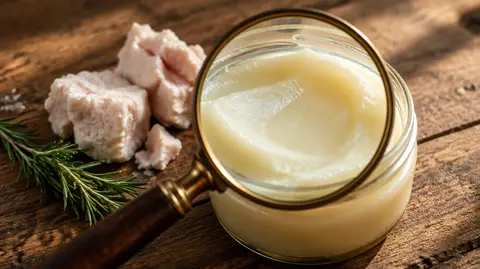
Tallow is roughly 50% saturated fat, 42% monounsaturated, and 4% polyunsaturated. Inside the saturated fraction, the largest single component is palmitic acid at around 26%, followed by stearic acid at around 14%.
Stearic acid behaves differently from other saturated fats. Multiple controlled feeding studies have shown that stearic acid does not raise LDL cholesterol when substituted for other saturated fats or for unsaturated fats. The body partially converts stearic acid to oleic acid (the same monounsaturated fat that makes olive oil famous). For cardiovascular markers, stearic acid behaves more like a neutral fat than a risk factor.
The monounsaturated fraction of tallow is dominated by oleic acid at about 36%. That is real. A third of tallow is the same fat as olive oil. The remaining saturated component (mostly palmitic and myristic acid) is where the metabolic conversation gets more nuanced.
For the full numerical breakdown of every fatty acid in tallow, see the tallow nutrition facts complete reference.
CLA, Vitamin K2, and the Grass-Fed Advantage
Grass-fed tallow contains conjugated linoleic acid (CLA), a fatty acid produced by ruminant digestion. The CLA content in grass-fed beef fat runs roughly two to five times higher than in grain-fed beef fat. CLA has been studied for effects on body composition, immune function, and tumor suppression. The human evidence is mixed but generally positive at modest intake levels. A 2007 review in the European Journal of Lipid Science and Technology summarized the case.
Grass-fed tallow also contains vitamin K2, specifically the MK-4 form. K2 is involved in directing calcium toward bone and away from arterial walls. The Rotterdam Study published in 2004 found that higher K2 intake was associated with lower coronary calcification and lower cardiovascular mortality. K2 is rare in modern diets. Most people get more vitamin K1 from leafy greens, and the body converts K1 to K2 inefficiently. Animal fats from pastured animals are one of the few dietary sources of preformed K2.
Vitamin A in the form of retinol, vitamin D3, and vitamin E are all present in measurable amounts in grass-fed tallow. The exact amounts depend on what the cattle ate, how the fat was rendered, and how it was stored. The fat-soluble vitamin content is part of why traditional cultures valued animal fats as much as they did.
If you want the actual nutritional advantage of grass-fed over feedlot tallow, brands like 100% Pure Grass-Fed Beef Tallow deliver the CLA and K2 content that commodity tallow does not. The Traverse Bay Farms tallow is also a clean, lower-cost option for high-volume cooking. The grass fed vs grain fed comparison walks through the chemistry.
How Tallow Compares to Seed Oils
This is the part that drives the modern interest in tallow.
The dominant cooking fats in the American diet for the last 40 years have been soybean oil, canola oil, corn oil, sunflower oil, and cottonseed oil. These oils are high in linoleic acid, an omega-6 polyunsaturated fat. The shift from animal fats to seed oils took the average American linoleic acid intake from around 2% of calories in 1900 to around 7 to 8% of calories today.
The cardiovascular evidence on seed oils is mixed and contested. Some randomized trials show LDL-lowering effects from substituting polyunsaturated oils for saturated fats. Other trials, including the Sydney Diet-Heart reanalysis discussed above, show neutral or harmful effects on mortality. The 2016 BMJ Minnesota Coronary Experiment reanalysis by Ramsden showed a similar pattern: lower cholesterol but higher mortality in the linoleic acid arm.
The mechanistic concern with high seed oil intake is oxidation. Polyunsaturated fats are chemically reactive. When heated repeatedly during industrial frying, they produce aldehydes and other oxidation products that have been linked to cardiovascular and metabolic disease. Tallow’s saturated and monounsaturated profile is far more stable under heat. Cook potatoes in fresh tallow versus restaurant-grade reused seed oil and you are getting two very different foods at the molecular level.
This is the strongest practical case for tallow. Even if saturated fat is not the cardiovascular villain it was made out to be, the heat stability of tallow makes it a safer cooking medium than seed oils for high-temperature cooking. The actual food you eat ends up with fewer oxidation products on it.
Where Tallow Falls Short
Honest accounting requires noting the limits.
Omega-3 content. Tallow contains essentially no significant omega-3 fatty acids. Grass-fed tallow has a slightly better omega-6 to omega-3 ratio than feedlot tallow, but neither is a meaningful source of EPA, DHA, or even ALA. If tallow becomes your primary fat, you need to be paying attention to omega-3 intake from elsewhere: fatty fish, fish oil, flax, or pastured eggs.
Choline. Tallow contains almost no choline. Choline is essential for liver function, brain health, and a long list of other systems. If you cook everything in tallow but skip eggs, liver, and other choline-rich foods, you will run a deficit.
No fiber, no plant compounds. Obvious, but worth saying. Tallow is a pure fat. It carries no fiber, no polyphenols, no plant antioxidants. A diet built around tallow without sufficient plant intake will be missing things that matter.
Calorie density. A tablespoon is 115 calories. Cooking with tallow is easy to overdo. If you are pan-frying everything in three tablespoons of tallow you are adding 350 calories to a meal that did not need them.
Industrial tallow quality. Not all tallow is the same. Industrial-grade tallow from feedlot animals fed grain and growth hormones is a different product than pastured tallow. The fatty acid profile is similar but the micronutrient content, the contaminant risk, and the inflammatory profile of the source meat all differ. For sourcing, see the grades and quality standards guide.
The Cardiovascular Picture
This is where most people land first, and where the evidence is messiest.
LDL cholesterol responds to saturated fat in most studies, including saturated fat from tallow. Adding tallow to a diet will typically raise LDL by a modest amount in most people. What the LDL increase actually means for cardiovascular risk is a separate, more contested question.
The simple “high LDL means high heart disease risk” framing has been refined significantly in the last decade. LDL particle number, particle size, and lipoprotein(a) all matter. Insulin resistance and metabolic health interact with cholesterol response in ways that confound a simple LDL reading. Some people who eat more saturated fat see LDL rise but particle size shift toward larger, less atherogenic particles.
Lp(a) is genetically determined and is one of the more powerful predictors of cardiovascular risk in the recent literature. It is not meaningfully affected by dietary fat composition. People with high Lp(a) need to be careful about all cardiovascular risk factors regardless of fat source.
If you have established cardiovascular disease, high LDL, high Lp(a), familial hypercholesterolemia, or diabetes, adding a lot of tallow to your diet without medical supervision is not a casual decision. Talk to a clinician who knows the current literature. This is the part where general internet advice runs out of room.
For most metabolically healthy people, swapping seed oils for tallow in cooking does not appear to meaningfully change cardiovascular risk in the available evidence. The 2020 Astrup review explicitly noted this point.
Who Should Be Cautious
People who should be conservative about tallow intake:
- Anyone with diagnosed heart disease, especially recent events
- People with familial hypercholesterolemia or known very high Lp(a)
- People on statins or lipid-lowering therapy who are working to specific LDL targets
- People with severe insulin resistance who have not addressed underlying metabolic issues
- People with gallbladder issues or fat malabsorption
- Anyone whose clinician has specifically advised lower saturated fat intake for a known reason
For these populations, the saturated fat content of tallow can matter even if the population-level evidence is weaker than guidelines suggest. Individual variation is real.
For everyone else, using tallow as a primary cooking fat in a varied diet with adequate plant intake, omega-3 sources, and choline-bearing foods is, in my reading of the literature, a reasonable choice. It is the same conclusion that traditional cultures around the world arrived at without studies.
The Real-World Evidence
Outside of randomized trials, the populations that have eaten the most animal fat as a share of total calories have not had the highest cardiovascular disease rates. The Masai of East Africa, the Tokelau islanders, the Inuit, the traditional French dairy regions, and the American beef belt all consumed substantial amounts of animal fat and had cardiovascular mortality rates that did not match what a simple saturated fat model would predict.
These population-level observations do not prove causation. They do undermine the strict version of the saturated fat hypothesis. The story is more complicated than nutrient counting.
For broader context on the historical use of tallow, the tallow in history post covers what cultures did with it before modern nutrition science arrived.
What I Actually Do
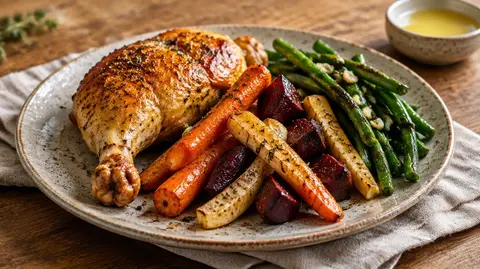
I cook with tallow most days. I use grass-fed tallow for pan searing, roasted vegetables, eggs, and french fries. I keep Traverse Bay tallow for higher-volume cooking and DIY projects. I also eat fatty fish twice a week, pastured eggs daily, plenty of leafy greens, and an honest amount of fiber. I get my cholesterol checked annually.
My LDL has stayed in a range my doctor is comfortable with. My HDL is high. My triglycerides are low. My particle counts and Lp(a) look fine. None of that is generalizable to you. It is just my own n of one.
If I had a different cardiovascular risk profile, I would eat differently. The literature does not support a one-size-fits-all answer.
Frequently Asked Questions
Will eating beef tallow raise my cholesterol?
In most people, adding saturated fat to the diet raises LDL cholesterol by some amount. HDL may also rise. Triglycerides often improve if the tallow is replacing refined carbohydrates. Whether the LDL change matters depends on particle size, particle count, Lp(a), and overall metabolic context. Talk to a clinician if you have existing cardiovascular concerns.
Is grass-fed tallow really healthier than grain-fed?
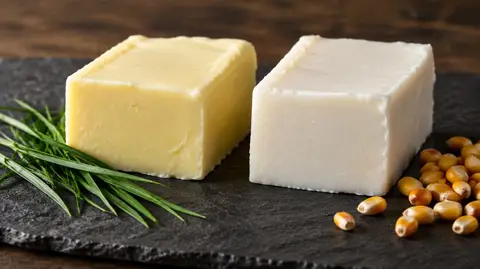
The fatty acid profile is slightly different, with grass-fed having more CLA, more omega-3, and a better omega-6 to omega-3 ratio. The micronutrient profile is meaningfully different, with grass-fed containing more fat-soluble vitamins and more K2. The differences are real but not enormous. If budget is tight, any clean tallow beats seed oils for cooking.
What does the science say about saturated fat and heart disease?
The simple “more saturated fat means more heart disease” model has not held up well in modern reanalysis. The 2016 Sydney Diet-Heart reanalysis and the 2020 Astrup review in JACC are the cleanest summaries. Saturated fat does raise LDL in most people, but the connection from LDL to actual cardiovascular events is more complicated than guidelines suggested for decades.
Is tallow better than seed oils?
For high-heat cooking, almost certainly yes. Tallow is far more stable when heated and produces fewer oxidation products. The evidence on substituting seed oils for saturated fats and improving cardiovascular outcomes is much weaker than the guidelines suggest, and the Sydney Diet-Heart reanalysis suggests it may actually worsen outcomes.
Can I eat tallow on a heart-healthy diet?
If your heart-healthy diet is defined by what your clinician has told you, ask them. If you are working from general guidelines, the modern literature supports tallow as part of a varied diet for most metabolically healthy people. People with existing cardiovascular disease should be more careful.
How much tallow is too much?
There is no specific number in the literature. A reasonable upper bound for most people is probably two to four tablespoons per day used in cooking. If tallow is replacing other fats one for one, the calorie load is similar. If you are adding tallow on top of an existing diet, the calorie increase can matter.
Bottom Line
Beef tallow is a stable, nutrient-bearing cooking fat with a fatty acid profile that the older saturated fat narrative oversimplified. The 2016 Sydney Diet-Heart reanalysis and the 2020 Astrup review both pulled the rug out from under the strict version of that narrative. Grass-fed tallow brings CLA, vitamin K2, and fat-soluble vitamins that seed oils cannot. People with existing cardiovascular risk should talk to a clinician before making it a primary cooking fat. For most everyone else, swapping industrial seed oils for tallow is, by my reading of the evidence, a reasonable kitchen choice.
Explore more tallow guides
Browse our collection of recipes, comparisons, reviews and DIY tutorials.
View all guidesKing Tallow is reader-supported. We research and test the products we recommend, and when you buy through links on this page we may earn a commission at no extra cost to you. See our affiliate disclosure.
Published