Brandt Beef Tallow Review: The California Ranch Tallow, Tested for Cooking
Independent reviewBrandt Beef tallow reviewed: who Brandt Beef is, how the tallow is sourced (corn-finished, no hormones), 1 lb vs 4 lb tubs, cooking results, and who should buy.

This post contains affiliate links. We may earn a commission if you purchase through these links, at no extra cost to you.
Quick verdict: Brandt Beef Tallow is a clean, mild, smooth-textured cooking tallow from a family cattle operation in California’s Imperial Valley. It sears and fries very well, has almost no beefy smell, and the 4 lb tub is good value for people who cook with tallow often. The trade-off is sourcing: Brandt cattle are corn-finished, not grass-fed, so buyers who want grass-fed fat should look elsewhere.
Where to buy: Brandt Beef Tallow, 4 lb tub · Brandt Beef Tallow, 1 lb tub (check current prices)
| Brandt Beef Tallow | |
|---|---|
| Made by | Brandt Beef, a family ranch in Brawley, California, since 1945 |
| Cattle | Corn-finished; the company says no added hormones, beta-agonists or antibiotics |
| Ingredients | Beef tallow, nothing added |
| Texture | Smooth and soft-scoopable (the listing credits a votator process) |
| Sizes | 1 lb tub, 4 lb tub, 50 lb foodservice cube |
| Price tier | $ (1 lb), $$ (4 lb) |
| Best for | Searing, frying, baking where you want a neutral fat |
| Not ideal for | Buyers who want grass-fed or organic tallow |
Our Rating: 4.2 / 5
| Category | Score | Notes |
|---|---|---|
| Flavor and smell | 4.8 | The most neutral tallow we’ve cooked with |
| Cooking performance | 4.6 | Excellent sear, clean frying, strains well |
| Value | 4.4 | The 4 lb tub is a good price per ounce |
| Sourcing | 3.4 | Transparent family ranch, but corn-finished rather than grass-fed |
| Availability | 3.8 | Amazon and specialty retailers, rarely on grocery shelves |
Who Is Brandt Beef?
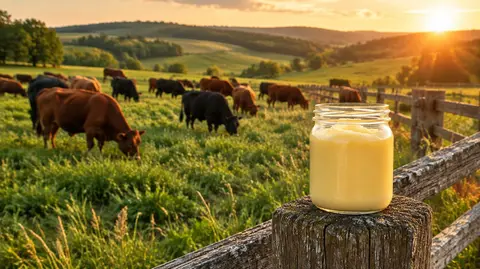
If you searched “Brandt Beef” and landed here, here’s the short version. Brandt Beef is a family-owned cattle operation in Brawley, in California’s Imperial Valley, that has raised cattle since 1945. It sells USDA Prime and Choice beef to restaurants, butcher shops and consumers, runs an online steak store at brandtbeef.com, and has a shop in Buena Park, California. Brandt is part of the One World Beef group of companies.
A few sourcing facts matter for the tallow:
- Corn-finished. One World Beef says Brandt cattle are fed corn for more than 300 days. That produces heavily marbled Prime and Choice beef, and it means Brandt tallow is not grass-fed or grass-finished.
- No hormones or beta-agonists. The company says it never uses hormones or beta-agonists and that its products are antibiotic-free. Brandt markets its beef as “all natural.”
- Halal. People often search “brandt beef halal.” One World Beef lists Brandt among the brands in its halal program. If you need halal tallow specifically, check the tallow container for a halal certification mark before relying on it. Our halal beef tallow sourcing guide explains what to look for.
So Brandt sells consistency and a known ranch rather than a grass-fed story. Corn-finished fat also tends to be whiter and milder than grass-finished fat, which fits how this tallow tastes.
What’s in the Tub
The ingredient list is one item: beef tallow. No added oils, no preservatives.
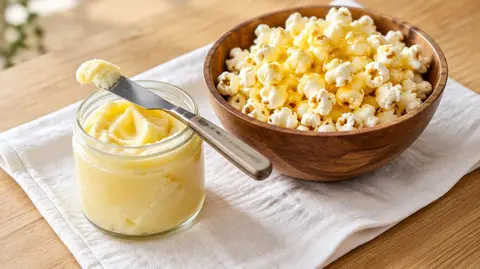
The Amazon listing describes a “smooth votator texture.” A votator is a scraped-surface heat exchanger, the same equipment used to make shortening; chilling tallow through it while it’s worked gives a smoother, more uniform, easier-to-scoop texture than tallow left to set in a jar. That matches what I found: out of the pantry at around 70°F, Brandt yields to a butter knife with less pressure than Fatworks and softens between the fingers quickly.
The color is pale cream, lighter than grass-fed tallow, as expected from corn-finished cattle. Melted, it’s a clear light gold.
Smell. The most neutral tallow I’ve used. There’s almost no beef note out of the container, closer to clarified butter than to a roast. Frying potatoes in it leaves the kitchen smelling like potatoes.
How It Cooks
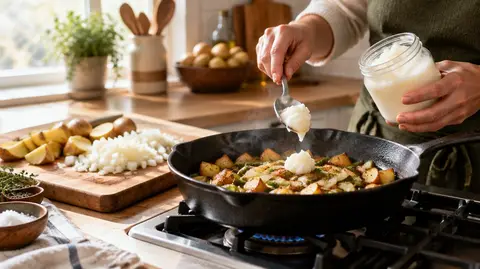
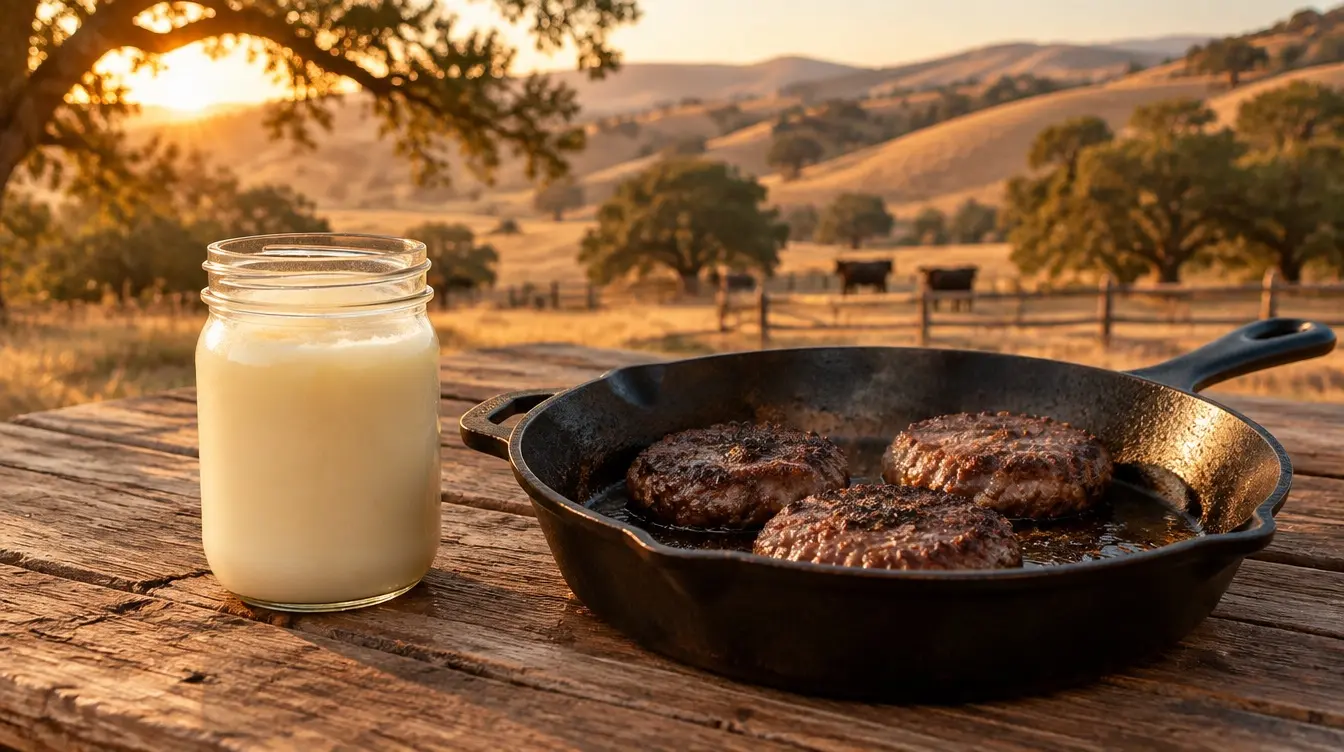
Steak searing. A tablespoon in a hot cast iron pan, ribeye on top. The crust developed fast and evenly, and because the fat is so neutral, the steak tasted like steak rather than tallow-basted steak. For more on high-heat cooking with tallow, see our cast iron guide and smoke point guide.
Frying and reuse. Clean frying at 350-375°F and four to five strained reuses before retiring the batch, on par with Fatworks. The 4 lb tub holds enough to fill a small fryer or a Dutch oven, which the 14 oz jar brands can’t. Our deep frying guide covers fryer quantities and temperatures.
Eggs. An underrated use. Because the fat is so mild, eggs taste like eggs.
Biscuits and pastry. The neutral profile is useful in pie crust and biscuits where you don’t want a beefy note. The soft texture means you should chill it well before cutting it into flour.
1 lb vs 4 lb vs 50 lb
- 1 lb tub: the trial size. Enough for weeks of searing and eggs.
- 4 lb tub: the best buy for most households, with a clearly lower price per ounce, and big enough for deep frying.
- 50 lb cube: a foodservice pack for restaurants and food trucks. Only worth it if you run fryers daily; see our bulk beef tallow guide.
What We Liked
- Neutral flavor and smell, useful for eggs, baking and delicate food
- Smooth, scoopable texture that’s easier to portion than hard-set jar tallow
- Good value in the 4 lb tub and a real bulk option at 50 lb
- A known ranch with stated no-hormone, no-beta-agonist practices
What Could Be Better
- Not grass-fed. Corn-finished cattle, so the fat has less of the carotenoid color and the fatty acid differences grass-finished fat is marketed for
- No organic or Whole30 marks
- Hard to find in stores. Mostly online, plus some specialty grocers and butchers
- Plastic tubs rather than glass
Brandt vs Other Cooking Tallows
| Brand | Size | Price tier | Sourcing | Best for |
|---|---|---|---|---|
| Brandt | 1 lb / 4 lb tub | $ / $$ | Corn-finished, no hormones | Neutral all-purpose tallow in volume |
| Fatworks Grass-Fed | 14 oz jar | $ | Grass-fed, grass-finished | Grass-fed buyers, easy to find in stores |
| South Chicago Packing Wagyu | 11.5 oz / 42 oz | $ / $$ | American wagyu | Richest flavor |
| Cornhusker Kitchen | 1.5 lb to 7.5 lb | $ / $$ | Varies by product | Budget frying volume |
Cheaper grass-fed alternative: if grass-fed matters to you, Fatworks Grass-Fed Beef Tallow is the easiest one to find, including Costco 2-packs. See our Fatworks beef tallow review. For more options, see our best beef tallow for cooking roundup.
Who Should Buy Brandt
Buy it if you:
- Want the most neutral-tasting tallow for eggs, baking and searing
- Cook with tallow often and want a 4 lb tub instead of a stack of jars
- Prefer buying from a known family ranch with stated no-hormone practices
- Run a kitchen that needs a 50 lb foodservice pack
Skip it if you:
- Specifically want grass-fed, grass-finished or organic tallow
- Want to pick tallow up at a regular grocery store
- Need a deodorized base for skincare (a cosmetic-grade tallow is a better start)
Frequently Asked Questions
Is Brandt beef tallow grass-fed?
No. Brandt cattle are corn-finished (One World Beef says more than 300 days on corn). The company says it doesn’t use hormones or beta-agonists. If you want grass-fed tallow, choose a brand that says “grass-fed and grass-finished” on the label.
Where is Brandt Beef from?
Brawley, in California’s Imperial Valley. The Brandt family has raised cattle there since 1945, and the company has a retail shop in Buena Park, California.
Is Brandt Beef halal?
One World Beef, the group Brandt belongs to, lists Brandt among the brands in its halal program. Halal status can differ by product, so check the tallow container for a certification mark.
Where can I buy Brandt beef tallow?
Amazon carries the 1 lb and 4 lb tubs and a 50 lb cube. It also shows up at some specialty food sites and California butcher shops. For in-store options for any brand, see our where to buy beef tallow near me guide.
Is Brandt tallow good for deep frying?
Yes. It holds frying temperature cleanly, strains well for reuse, and the 4 lb tub holds enough to fill a small fryer.
Brandt Beef reviews: is the beef itself good?
Brandt sells USDA Prime and Choice beef, and its steaks are served in California restaurants. This review covers only the tallow; we haven’t reviewed Brandt’s steaks.
Bottom Line
Brandt Beef Tallow is a very good all-purpose cooking tallow: mild, smooth, clean in the fryer and good value in the 4 lb tub. Buy it if you want a neutral fat in volume from a known ranch. If grass-fed sourcing is your priority, Fatworks is the better pick.
Explore more tallow guides
Browse our collection of recipes, comparisons, reviews and DIY tutorials.
View all guidesKing Tallow is reader-supported. We research and test the products we recommend, and when you buy through links on this page we may earn a commission at no extra cost to you. See our affiliate disclosure.
Published · Last updated