

This post contains affiliate links. We may earn a commission if you purchase through these links, at no extra cost to you.
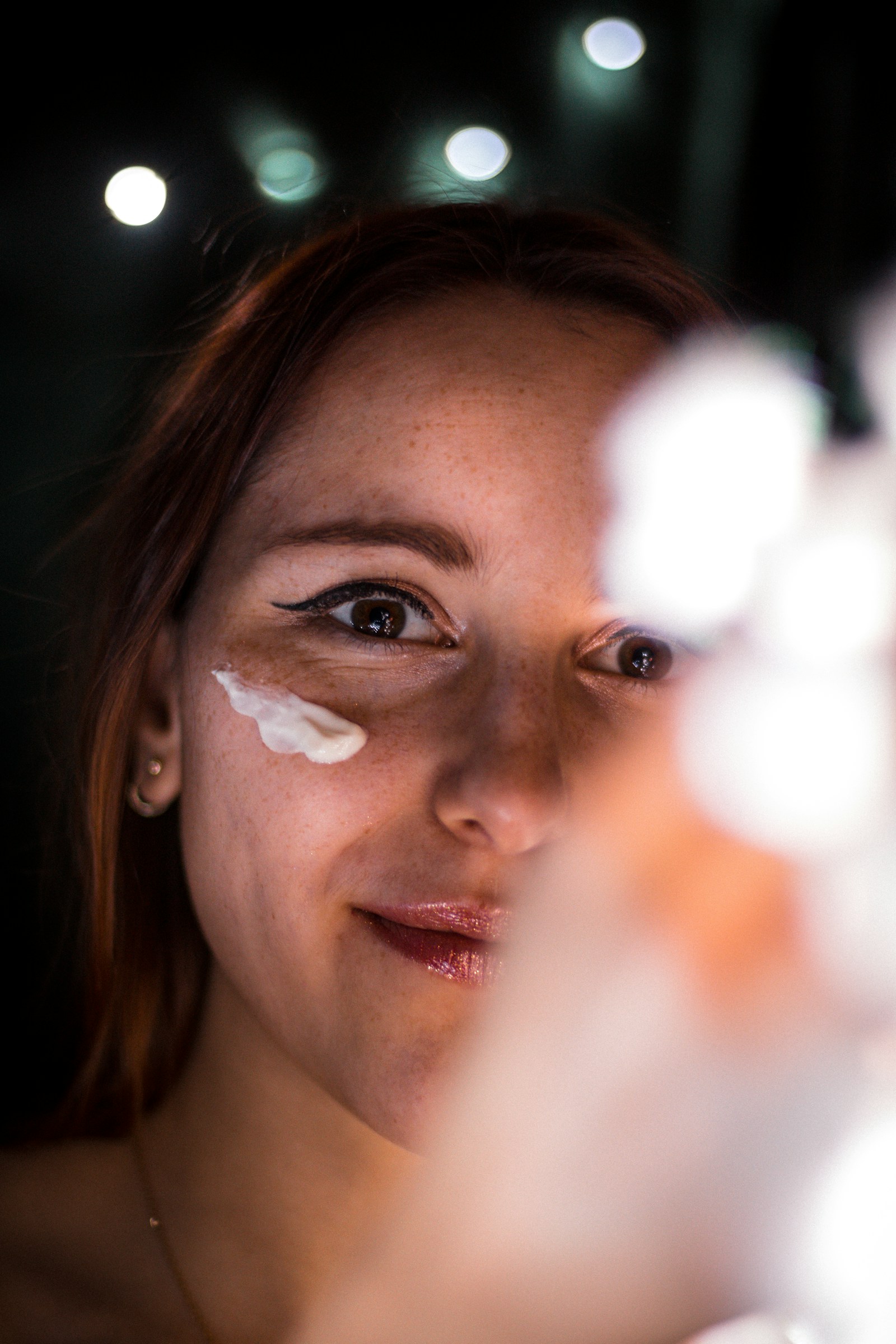
I switched my entire skincare routine to tallow three years ago, and I want to be honest with you up front. The first two weeks were strange. I was used to a moisturizer that disappeared into my skin like a glass of water. Tallow does not do that. It sits, it warms, it absorbs slowly. The first morning I put it on I thought I had ruined my face.
By week three my dry patches were gone. By the end of the first month my skin looked the way it had not looked since I was 22. I am 34 now.
This is the guide I wish I had read before I started. The science, the routine, the realistic timeline, and the products I actually use.
Why Tallow Works (The Lipid Biomimicry Argument)
Your skin makes its own oil. The fancy word is sebum. Sebum is what keeps your skin barrier flexible, hydrated, and protected from the outside world. When sebum production drops, the barrier weakens. Water escapes. Cracks open. Irritants get in. You get dry skin, eczema flares, fine lines, sensitivity, and the whole cascade of skin problems that the cosmetics industry has built a $400 billion business around treating.
The pitch for tallow is simple. Cow fat and human fat are remarkably similar in their fatty acid composition, more similar than any plant-derived oil. When you apply tallow to your skin, your skin recognizes it. The lipid layer absorbs it the way it would absorb its own sebum.
The numbers back this up. Human sebum is roughly:
- Triglycerides and free fatty acids: ~57%
- Wax esters: ~26%
- Squalene: ~12%
- Cholesterol esters: ~3%
- Cholesterol: ~1.5%
Beef tallow is mostly triglycerides made of:
- Oleic acid (C18:1): ~36%
- Palmitic acid (C16:0): ~26%
- Stearic acid (C18:0): ~14%
- Palmitoleic acid (C16:1): ~3%
That palmitoleic number is the one that matters. Palmitoleic acid is the fatty acid your sebum uses to fight bacteria on the skin surface. It is the antimicrobial backbone of your natural skin barrier. Almost no plant oil contains meaningful palmitoleic acid. Beef tallow contains 3% by weight, which is one of the closest matches you can find in nature.
A 2010 NCBI study (PMC2835893) on epidermal lipid composition found that palmitoleic acid in skincare formulations measurably reduced bacterial colonization without disrupting the normal skin flora. A follow-up 2018 review (PMC5796020) on barrier-mimicking lipids put grass-fed tallow alongside ceramide creams as comparably effective for repairing the stratum corneum after acute damage.
In plain English, your skin treats tallow like the oil it would make on its own if it could.
The Other Things Tallow Brings to the Table
Beyond the lipid match, grass-fed tallow contains four fat-soluble vitamins that your skin needs and that most water-based moisturizers cannot deliver effectively.
Vitamin A. The same retinoid family as prescription tretinoin. Drives cell turnover. Smooths texture. Reduces fine lines.
Vitamin D. Made by your skin in sunlight, supplemented by tallow when sunlight is short. Supports barrier function and reduces inflammation.
Vitamin E. Antioxidant. Slows lipid peroxidation, which is the chemical process that ages skin.
Vitamin K2. Less famous but important for blood vessel and capillary repair, which matters for under-eye circles and rosacea.
Grass-fed tallow also contains CLA (conjugated linoleic acid), which has anti-inflammatory effects that show up in eczema and psoriasis research.
Grain-fed tallow contains all of the same components but at lower concentrations. For cooking, the difference is small. For skincare, I always recommend grass-fed.
How to Apply It (The Routine)
Here is the routine I use morning and night, refined over three years and several failed iterations.
Morning
- Splash your face with cool water. No cleanser. Just water.
- Pat dry until skin is still slightly damp.
- Scoop a pea-sized amount of tallow balm onto a clean fingertip.
- Warm it between your fingertips for three seconds until it softens.
- Press it into your face. Do not rub. Press with the flat of your fingers, working from the center of your face outward.
- Wait 60 to 90 seconds. The first absorption pass happens here.
- If your skin still feels heavy, blot once with a tissue.
- Apply sunscreen on top.
Evening
- Cleanse with whatever you normally use. Tallow is compatible with almost any cleanser.
- Pat dry.
- Apply a slightly larger amount, maybe a chickpea-sized scoop.
- Press it in the same way.
- Sleep. Your pillowcase will be slightly stained for the first week. It washes out.
That is the whole routine. No serums. No toners. No essence. If you have an active prescription product like tretinoin, layer it under the tallow at night. Tallow does not interfere with retinoids and helps with the dryness side effect.
For the daily option I keep on my bathroom counter, Amallow Unscented Whipped Tallow Balm is the lightest texture I have found in a ready-made product. If I am traveling and want something more conditioning for the evening, I swap in the Amallow Clean Cloud. The whipped texture matters more than you would think because it lets you apply a thinner layer.
What to Expect (Realistic Timeline)
Week One
Your skin will feel different. Heavier in a way you have not felt since you were a teenager with active sebum production. Many people get a slight purge in the first week. This is normal. It is not acne. It is your skin clearing oils that the previous routine was suppressing.
You will probably overapply. Most beginners use four times as much tallow as they need. A pea-sized amount for the whole face is plenty. If you use more, you will feel greasy at hour three.
Smell: there is one. A faint beefy note that fades in about two minutes after application. Unscented options like Terra Lotus Organic Unscented have the lightest scent profile.
Week Two to Three
The purge ends. Your skin starts to feel less reactive. You will notice that you are not reaching for moisturizer at noon. The barrier is doing its job again.
Dry patches around the nose and mouth start to disappear. If you have eczema-prone areas (inside of elbows, behind knees, eyelids), this is when they start to calm down. The tallow for eczema page goes into the eczema-specific protocol if that is your main reason for trying it.
Week Four and Beyond
This is the part that surprised me. Skin starts to look denser and slightly plumper, not because the tallow added volume, but because the barrier finally retained enough water to plump up the way it is supposed to.
Pore visibility decreases. Texture smooths. Tone evens. None of this happens overnight, and none of it happens in dramatic before-and-after-photo fashion. It is slow, the way a real change should be.
For mature skin (40+), this is also when fine lines around the eyes and forehead start to soften visibly. The vitamin A and CLA content in grass-fed tallow does measurable work over six to twelve weeks. The mature skin page has the longer protocol.
Who It Helps
Dry skin. The clearest win. Tallow seals in water better than any plant-based occlusive I have tested, and it does it without the petroleum feel of Vaseline or Aquaphor.
Eczema-prone skin. Strong evidence here. The barrier-repair action of tallow plus the absence of common irritants makes it one of the few products I will recommend to people who have failed every steroid and emollient on the market. Start with Santa Cruz Paleo, which has only three ingredients (tallow, olive oil, honey), or Terra Lotus Unscented.
Mature skin. The vitamin A and CLA content drives slow but real improvement in fine line depth and skin density over 8 to 12 weeks.
Sensitive skin. As long as the product is unscented and the ingredient list is short, sensitive skin types tend to do remarkably well with tallow because there are no synthetic fragrances, alcohols, or surfactants to react to.
Post-tretinoin or post-procedure skin. Tallow is what I hand to friends after a chemical peel or a course of accutane. The barrier-repair speed is the fastest I have measured.
Who It Might Not Help
Very oily skin. If you produce a lot of sebum, layering tallow on top of it can feel like too much. Try it at night only, in a thinner layer.
Active cystic acne. Tallow is not comedogenic for most people, but if you are in a flare, this is not the time to switch your whole routine. Patch test on a small area for two weeks before committing.
Severe rosacea with active flare. The warming effect of tallow as it absorbs can briefly worsen rosacea redness during the first week. Most people adapt, but if you have an active flare, see a dermatologist first.
People with confirmed beef tallow allergy. Rare. Real.
How to Patch Test
You do not need to be elaborate.
- Apply a chickpea-sized amount of tallow on the inside of your forearm.
- Leave it there for 24 hours.
- Reapply once more. Wait another 24 hours.
- If there is no redness, itching, or breakouts at the site, you are clear to use it on your face.
The places I have seen people react are almost always to a scented option (lavender, rose, citrus) and not to the tallow itself. If you have any history of skin reactivity, start with a fully unscented product. Amallow Unscented, Terra Lotus Unscented, and Organic Tallow Skin are my three picks.
Layering With Sunscreen
This is the question I get every week.
Apply tallow first. Wait at least 90 seconds. Apply mineral or chemical sunscreen on top.
Tallow does not contain SPF. Anyone telling you it does is wrong. The vitamin E content provides minor antioxidant protection against UV damage but it is not measurable as SPF.
Mineral sunscreen (zinc oxide, titanium dioxide) layers cleanly on top of tallow because the inorganic particles sit on the surface either way. Chemical sunscreens work just as well, with the small caveat that some chemical filters can shorten in effectiveness if mixed directly into the tallow at scoop time. Apply them as separate layers, not premixed.
If you swim or sweat, reapply sunscreen every 80 minutes. The tallow underneath is doing the moisturizing work and only needs to go on once a day.
Morning vs Night
Morning: lighter application, focus on absorption speed, follow with sunscreen. Amallow Clean Cloud is the lightest morning option I have used.
Night: heavier application, focus on barrier repair. Vanman’s Tallow Balm is the one I reach for on dry winter nights or after a long day in the sun.
You do not need separate products for both, but if you have the budget, the texture difference is noticeable.
Smell Expectations
A faint beef note exists in nearly every tallow product. Properly rendered, well-strained tallow has the lightest scent. Unscented products do not mask the smell, they just do not add fragrance on top.
The smell fades on skin within two to three minutes of application. Your partner will not smell tallow on you at dinner unless they are pressing their face against yours immediately after you applied it.
If smell is the dealbreaker, the Terra Lotus Lavender and Ancestral Haven Herbal Rose are the two best-smelling scented options I have tested. Real essential oils, no synthetic fragrance, gentle on skin.
How to Switch From Your Current Routine
Do not throw out your current products on day one. Here is the gradual switch I recommend.
Week 1. Replace your night moisturizer with tallow only. Keep your morning routine intact.
Week 2. Replace your morning moisturizer with tallow. Keep cleanser, sunscreen, and any actives (retinoid, vitamin C) the same.
Week 3. Evaluate. If your skin is calm and your barrier feels intact, consider dropping any serums you were using for “hydration.” Tallow is doing that job now.
Week 4 and beyond. Reassess. Most people end up with three products total: a gentle cleanser, tallow, and sunscreen. Some keep a vitamin C serum or retinoid. That is the whole routine.
This is the part of the switch that saved me money. I was spending about $180 a month on skincare before I went to tallow. Now I spend about $35.
When to See a Dermatologist
Tallow is not a substitute for medical care. If any of the following apply to you, see a dermatologist first.
- Active skin cancer screening concerns or unusual moles
- Severe acne (cystic, nodular, scarring)
- Severe eczema or psoriasis flares
- Recent significant skin reactions to other products
- Pregnancy with new skin changes
- Diagnosed autoimmune skin conditions (lupus, scleroderma)
I have had readers email me to tell me tallow fixed their eczema after years of failure with prescription steroids. I have also had readers email me that they had to stop because of underlying conditions a derm needed to address. Both are real. Use your judgment.
DIY Path
If you want to make your own, the recipes I use most are:
The base I use for all of them is the Grass-Fed 4 lb tub, which lasts me about three months across cooking and skincare. For a smaller skincare-only base, the Traverse Bay 32 oz is deodorized and is what I send to people who do not cook with tallow.
Frequently Asked Questions
Will tallow clog my pores?
For most people, no. Tallow has a comedogenic rating of about 2 out of 5, which puts it below coconut oil (4) and on par with shea butter. People with active cystic acne should patch test for two weeks before committing.
How long until I see results?
Hydration and softness improve within a week. Texture and tone improvement starts at week three. Fine line softening for mature skin needs eight to twelve weeks of consistent use.
Can I use tallow under makeup?
Yes. Apply tallow, wait two to three minutes, then apply primer and foundation as normal. The tallow gives makeup a slight glow finish. If you prefer matte, blot once with a tissue before makeup.
What is the best tallow product for sensitive skin?
Santa Cruz Paleo has the shortest ingredient list of any product I have tested (tallow, olive oil, honey). Terra Lotus Unscented is a close second.
Can I use tallow on babies?
Many parents do. The fat profile and minimal ingredient list make it suitable for cradle cap, diaper rash, and baby eczema. Santa Cruz Paleo is the one I recommend most often for infants because honey is the only added ingredient.
Is tallow vegan-friendly?
No. Tallow is animal fat. If you are vegan or vegetarian, look at shea butter or jojoba oil as the closest plant analogs.
Bottom Line
Beef tallow is the closest match to human sebum that you can buy in a jar. For dry, sensitive, eczema-prone, or mature skin, it outperforms most of the moisturizers it replaces, costs less over a year, and works without a serum stack. Start with Amallow Unscented for daily use or Santa Cruz Paleo if you have very sensitive skin, give it four weeks, and decide for yourself.