Beef Tallow Near Me: Stores That Carry It, Plus Butchers and Farms by State
Reader-supportedBeef tallow near me: Walmart, Kroger, Target, Sprouts, H-E-B, Whole Foods and Costco all list tallow. See which brands each carries, plus butchers by state.

This post contains affiliate links. We may earn a commission if you purchase through these links, at no extra cost to you.
Short answer: most big US grocery chains now carry beef tallow, usually in the cooking-oil aisle next to ghee, lard and shortening. As of September 2026, Walmart, Kroger (including King Soopers and other Kroger banners), Target, Sprouts, H-E-B, Whole Foods, Publix and Costco all list at least one tallow product on their websites, and EPIC, Fatworks, South Chicago Packing, Kettle & Fire and Cornhusker Kitchen are the brands you’ll see most. Stock varies by store, so search the store’s app with your zip code before you drive. For the lowest cost per pound, ask a local butcher for beef suet and render it yourself.
Beef Tallow Near Me: Which Stores Carry It
Every availability note below comes from the retailer’s own website as of September 2026. A listing on the website doesn’t guarantee a jar on your local shelf, so use each store’s locator or app to check your branch.
| Store | Tallow brands listed on its site (Sept 2026) | Where to look in store | How to check your branch |
|---|---|---|---|
| Walmart | Fatworks 14 oz and 2-pack, EPIC 11 oz, South Chicago Packing Wagyu (11.5 oz, 42 oz, spray), Real Good Foods Angus, Butcher Boy, American Tallow | Cooking oil and shortening aisle | Walmart app, set your store, search “beef tallow” |
| Kroger family (King Soopers, Ralphs, Fred Meyer and others) | EPIC, Kettle & Fire 14 oz, Aux Délices des Bois (beef and wagyu), South Chicago Packing Wagyu spray | Baking and cooking aisle; app shows the aisle number | Kroger or your banner’s app, pick your store |
| Target | EPIC 11 oz, Cornhusker Kitchen (14 oz grass-fed, 1.5 lb and 7.5 lb tubs, 1.5 lb wagyu), Bear & Burton’s Wagyu 11 oz | Cooking oil aisle | Target app, “In stock at” filter |
| Sprouts | EPIC, Kettle & Fire, Marianne’s Harvest (classic and organic), Fond | Oils and cooking fats | Sprouts app or shop.sprouts.com with your zip |
| H-E-B (Texas) | South Chicago Packing Wagyu jar and sprays, Aux Délices des Bois, Marianne’s Organic, Fond, Real Good Foods, Grass Run Farms | Oils aisle; Grass Run Farms is listed under meat | H-E-B app, set your store |
| Whole Foods | EPIC 11 oz, Kettle & Fire 14 oz, Fond 14 oz, South Chicago Packing Wagyu spray, EPIC bison tallow | Oils aisle near ghee | Whole Foods or Amazon app, select your store |
| Publix | Bear & Burton’s x RC Ranch Wagyu Beef Tallow | Cooking oils | Publix app or delivery site |
| Costco | Fatworks Grass-Fed 2-pack, Fatworks Wagyu 2-pack, Fatworks Organic 2-pack (rotating), A5 wagyu tallow 2-jar pack online | Rotating grocery aisle, not a permanent slot | Costco app item search; call the warehouse |
| Sam’s Club | South Chicago Packing Angus Beef Tallow 11.5 oz 2-pack | Grocery aisle | Sam’s Club app, set your club |
| Butchers, ranches, farmers markets | Raw suet, fat trim, house-rendered tallow | Meat counter or ranch vendor’s cooler | Call ahead or ask at the counter |
If you’d rather skip the store run, the same core brands ship from Amazon: Fatworks Grass-Fed 14 oz, EPIC Beef Tallow 11 oz, and the South Chicago Packing Wagyu 42 oz tub. Our best beef tallow for cooking roundup compares them side by side.
Grocery Chains, One by One
Walmart
Walmart has the widest mainstream selection. Its site lists Fatworks Beef Tallow 14 oz (single jar and a Grass-Fed 2-pack), the EPIC 11 oz jar, three South Chicago Packing Wagyu formats (11.5 oz jar, 42 oz tub and the 7 oz spray), Real Good Foods American Angus Beef Tallow, Butcher Boy Traditional Beef Tallow in a 7.25 oz size, and American Tallow’s 14 oz grass-fed jar. Stock varies by store; supercenters with a bigger natural-foods section tend to carry more of it. Some of these are ship-to-home only, so check the “pickup” tag on the listing.
Kroger, King Soopers and other Kroger stores
Kroger’s site lists EPIC Beef Tallow, Kettle & Fire Beef Tallow 14 oz (labeled 100% grass-fed and finished), Aux Délices des Bois beef tallow in an 11 oz jar and a 4 oz pouch, an Aux Délices des Bois wagyu tallow, and the South Chicago Packing Wagyu Tallow Spray. Kroger-owned banners such as King Soopers, Ralphs, Fry’s and Fred Meyer generally draw from the same catalog, but each store stocks its own mix, so search your banner’s app. Kroger’s product pages often show the aisle number for your store, which saves a lap around the building.
One label note: the Aux Délices des Bois listings show “Beef Tallow, Natural Flavor” as the ingredients. If you want a single-ingredient fat, read the back of the jar (more on that below).
Target
Target lists EPIC Grass-Fed Beef Tallow 11 oz, Bear & Burton’s Wagyu Beef Tallow 11 oz, and several Cornhusker Kitchen sizes: a 14 oz grass-fed jar, 1.5 lb and 7.5 lb beef tallow tubs, and a 1.5 lb wagyu tub. The larger Cornhusker tubs can show as ship-only or out of stock at individual stores, so check before you go. Our Cornhusker Kitchen review covers how the tubs compare.
Sprouts Farmers Market
Sprouts lists EPIC 11 oz, Kettle & Fire Grass-Fed & Grass-Finished Beef Tallow, Marianne’s Harvest Classic and Organic 100% Grass-Fed tallow (11 oz jars), and Fond Pure & Unflavored Beef Tallow 14 oz. The store-by-store inventory on shop.sprouts.com changes with the zip code you enter, which is the fastest way to check your location.
H-E-B
For Texans, H-E-B has one of the deepest tallow shelves of any regional chain. Its site lists South Chicago Packing Wagyu Beef Tallow and both the Wagyu and Angus tallow sprays, Aux Délices des Bois (beef and wagyu), Marianne’s Organic Beef Tallow, Fond, Real Good Foods Angus, and Grass Run Farms Beef Tallow in a 16 oz size, which H-E-B lists under the meat department rather than oils. The Texas buying guide covers ranches and butchers across the state as well.
Whole Foods
Whole Foods lists EPIC Beef Tallow 11 oz, Kettle & Fire 100% Grass-Fed Beef Tallow 14 oz, Fond Beef Tallow 14 oz, the South Chicago Packing Wagyu Tallow Spray, and EPIC bison tallow. Whole Foods named tallow one of its food trends for 2026, so the selection may keep growing. Fatworks did not appear on the Whole Foods site when we checked, so don’t count on finding it there.
Publix
Publix lists Bear & Burton’s x RC Ranch Wagyu Beef Tallow (11 oz). That was the only jarred cooking tallow we found on its site; the rest of the tallow listings were chips and beans fried or made with tallow. Our Bear & Burton’s wagyu tallow review covers that jar.
Costco and Sam’s Club
Costco carries Fatworks rather than a Kirkland tallow. Costco’s same-day delivery site lists Fatworks Grass-Fed Beef Tallow (14.1 oz, 2-count) and Fatworks Wagyu Beef Tallow (14 oz, 2-count); a Costco price tracker also shows Fatworks Organic Grass Fed Beef Tallow 2-packs at many warehouses. Costco.com separately sells an Authentic Wagyu Japanese A5 Wagyu Beef Tallow 2-jar pack for delivery, and Costco Business Delivery lists a 3.6 lb Fatworks tub. These are rotating items, so call your warehouse or check the Costco app before a special trip. Our Fatworks beef tallow review covers the jar Costco stocks most.
Sam’s Club lists South Chicago Packing Angus Beef Tallow in an 11.5 oz 2-pack. Our South Chicago Packing wagyu tallow review explains how the Angus and wagyu versions differ.
Natural Grocers
Natural Grocers lists EPIC Grassfed Rendered Beef Tallow 11 oz (shown in stock at most of its stores) and a 14 oz grass-fed beef tallow. Its product finder shows per-store stock, which most chains don’t.
Trader Joe’s, Aldi and others
Trader Joe’s doesn’t list a tallow product on its website as of September 2026, though its site doesn’t show every item; ask a crew member if you’re hoping for one. We couldn’t verify tallow at Aldi, Hy-Vee, Wegmans, Safeway/Albertsons or Meijer from their sites, so check the store app or ask at customer service. Latin meat markets sometimes stock rendered beef fat as manteca de res, and some Asian grocers carry beef tallow blocks for hot pot, which are often seasoned, so read the label.
Butchers, Ranches and Farmers Markets
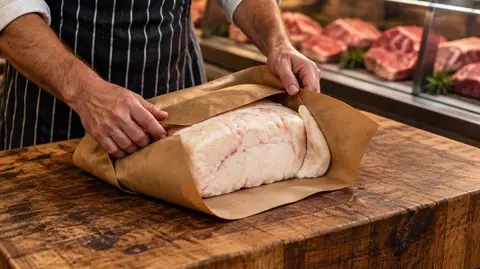
Grocery jars are convenient, but the cheapest tallow near you is usually raw fat from a butcher that you render yourself.
What to ask at the meat counter
Most shops with an in-house butcher (someone cutting primals, not only restocking trays) can sell suet or fat trim even if it’s not in the case. Ask:
- “Do you sell beef suet or kidney fat by the pound?” Kidney (leaf) fat renders the firmest, cleanest tallow. Trim from around steaks works too but gives a softer result. The leaf fat vs kidney fat vs back fat guide explains the difference.
- “Where does your beef come from, and is it grass-finished?” A butcher who can name the ranch has a traceable supply.
- “Can you set trim aside for me on cutting day?” Many shops will save fat for regular customers.
- “Do you render your own tallow?” Some shops sell house-rendered tallow in deli containers, which saves you the work.
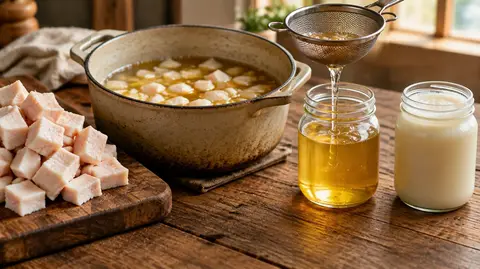
Suet is light, and about three quarters of its weight ends up as tallow after rendering. The step-by-step rendering guide and the slow cooker method are the two easiest starting points, and the beef fat sourcing guide covers where else to get raw fat.
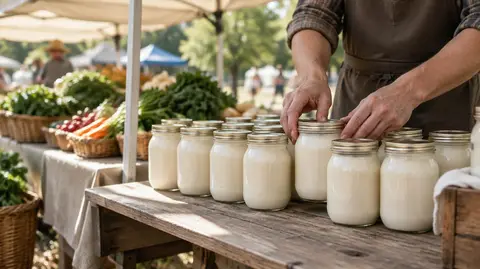
Farmers markets: which vendors to ask
Three vendor types are worth a stop:
- Whole-animal beef ranchers. If they sell steaks and ground beef, they often have suet or rendered tallow in the cooler even when it isn’t on the sign. Ask.
- Soap and skincare makers. They render their own tallow for their products and sometimes sell plain jars. Because soap and balm quality depends on clean fat, their rendering tends to be careful.
- Grass-finished and regenerative farm stands. These vendors are usually the most willing to talk about diet, finishing and rendering method.
A vendor who can’t say where the fat came from or who rendered it is probably reselling bulk tallow. If buying grass-finished matters to you, our guide to where to buy grass-fed beef tallow covers certifications, ranch-direct sellers and farm directories.
What to Check on the Label
Store tallow ranges from single-ingredient grass-finished fat to flavored blends. Before you buy, check:
- Ingredients. The list should read “beef tallow” (or “rendered beef fat”) and nothing else. Some jars add “natural flavor,” and some tallow sprays blend in other oils. That isn’t a safety problem, but it isn’t plain tallow.
- Grass-fed vs grass-finished. “Grass-fed” alone can include cattle finished on grain. “100% grass-fed,” “grass-finished,” or an American Grassfed Association logo is the stronger claim.
- Deodorized or not. Most cooking tallow isn’t deodorized and has a mild beefy smell, which works well for frying and searing. Deodorized tallow is more neutral and mainly sold for soap and skincare DIY.
- Wagyu, Angus or plain beef. Wagyu tallow is softer and richer, Angus and standard beef tallow are firmer. See our best wagyu beef tallow guide if you’re choosing between them.
- Color and texture through the jar. White to pale yellow and smooth is normal; grass-finished fat is more yellow. Grainy texture usually means the jar melted and re-set in transit, which affects texture more than cooking. The tallow color guide and how to identify high-quality tallow go deeper.
Local or Online: Which Is Cheaper?
Price tiers per pound of finished tallow, from cheapest to most expensive:
| Channel | Typical cost per pound | Best for |
|---|---|---|
| Butcher suet you render yourself | $ | Lowest cost, full control |
| Bulk tubs online (4-7.5 lb) | $-$$ | Deep frying, soap batches |
| Warehouse club 2-packs | $$ | Regular cooking, no rendering |
| Grocery jars (11-14 oz) | $$-$$$ | Trying tallow, occasional searing |
| Farmers market and ranch-direct | $$-$$$ | Traceable, grass-finished fat |
| Finished skincare balms | $$$ | Face and body use, no DIY |
Grocery jars cost the most per pound because you’re paying for small glass packaging. If you fry often, a bulk tub makes more sense: the Cornhusker Kitchen Grass-Fed 7.5 lb tub, the Brandt Beef Tallow 4 lb tub, or the 100% Pure Grass-Fed Beef Tallow 4 lb tub. For soap and skincare DIY, the deodorized Traverse Bay Farms 32 oz is the budget base. The beef tallow price guide and best bulk beef tallow posts run the cost math.
If you’re shopping for tallow skincare rather than cooking fat, grocery stores rarely carry finished balms. The Amallow Unscented Whipped Tallow Balm, Terra Lotus Organic Unscented, and Vanman’s Tallow Balm (for very dry, cracked skin) are the ones we point people to most.
Beef Tallow Near Me, State by State
Local supply follows the cattle. Each state guide below lists butchers, ranches, farmers markets and grocery chains that carry tallow.
Big cattle states, where butcher suet is easy to find: Texas, Nebraska, Kansas, Iowa, Oklahoma, Montana, Colorado and Missouri. Small-town butchers and processors in these states often sell suet by the box, and ranchers at farmers markets commonly bring tallow. Missouri is also home to US Wellness Meats (Monticello), which ships grass-fed tallow nationwide; see our US Wellness Meats tallow review.
States where local works but takes more calls: Tennessee, Virginia, Pennsylvania, Ohio, Georgia, North Carolina and Arizona. Pennsylvania’s Amish and Mennonite butchers around Lancaster County and Virginia’s Shenandoah Valley farms are good leads; in the metro areas, grocery chains are the easier route.
States where online or grocery is often easier: California, New York, Florida, Washington and Oregon. These have strong farmers markets, but city butchers mostly buy boxed cuts, so raw suet is harder to find and local rendered tallow sells at a premium.
Not listed? Call the three closest butchers or meat processors, check the grocery apps above, and use online bulk as your fallback. Rural states without a guide (the Dakotas, Wyoming, Idaho, New Mexico) usually have ranchers who will sell fat if asked. States with little cattle (New England, Hawaii, Alaska) almost always work out cheaper online.
Frequently Asked Questions
Does Walmart sell beef tallow?
Yes. As of September 2026, Walmart’s site lists Fatworks, EPIC, South Chicago Packing Wagyu (jar, tub and spray), Real Good Foods, Butcher Boy and American Tallow. Stock varies by store, so check the Walmart app for your location.
Does Costco sell beef tallow?
Costco has carried Fatworks 2-packs (grass-fed, organic and wagyu versions) as rotating items, and costco.com lists an A5 wagyu tallow 2-jar pack for delivery. It isn’t a permanent item at every warehouse, so check the Costco app or call first.
Can I buy beef tallow at King Soopers or Kroger?
Kroger’s site lists EPIC, Kettle & Fire, Aux Délices des Bois and the South Chicago Packing Wagyu spray. King Soopers and other Kroger banners generally use the same catalog, but check your store in the app because each location stocks its own mix.
Where is tallow in the grocery store?
Usually in the cooking oil aisle next to ghee, lard, shortening and coconut oil. A few stores shelve it with baking fats or in the meat department (H-E-B lists Grass Run Farms tallow there). If you can’t find it, ask the meat counter; they may also sell suet.
Is store-bought tallow as good as butcher tallow?
For cooking, a single-ingredient jar from a reputable brand performs the same as well-rendered butcher tallow. The differences are cost (rendering your own is cheaper per pound) and traceability (a local butcher can tell you which ranch the fat came from).
Can I buy beef fat to render at the grocery store?
Often, yes. Ask the meat counter for beef suet, kidney fat or fat trim. Many stores with an in-house butcher will sell it by the pound even though it isn’t in the case.
How long does store-bought tallow keep?
Sealed, most jars carry a best-by date about a year out. Once opened, it keeps for months in a cool pantry and longer in the fridge. See the tallow shelf life and storage guide.
Bottom Line
To find beef tallow near you, start with the app of whichever chain is closest: Walmart, Kroger, Target, Sprouts, H-E-B, Whole Foods, Publix and Costco all list it on their websites, with EPIC, Fatworks, South Chicago Packing, Kettle & Fire and Cornhusker Kitchen the most common brands. If you cook with tallow a lot, ask a butcher for suet and render it, or order a bulk tub online. Your state’s page in the /buy/ directory has local butchers, ranches and markets.
Explore more tallow guides
Browse our collection of recipes, comparisons, reviews and DIY tutorials.
View all guidesKing Tallow is reader-supported. We research and test the products we recommend, and when you buy through links on this page we may earn a commission at no extra cost to you. See our affiliate disclosure.
Published · Last updated