
Bear & Burton's Wagyu Beef Tallow Review: A Finishing Fat Worth the Jar
Independent reviewBear & Burton's wagyu beef tallow review: American Wagyu from R-C Ranch, soft buttery texture, steak and popcorn results, where to buy it, and who should skip.

This post contains affiliate links. We may earn a commission if you purchase through these links, at no extra cost to you.
Quick verdict: Bear & Burton’s Wagyu Beef Tallow is a soft, buttery American Wagyu tallow that works best as a finishing fat: basting steak, popping popcorn, roasting potatoes. It’s a small jar at a premium per-ounce price, so it makes no sense for deep frying or as an everyday fat, but a tablespoon at a time it earns its place. Rating: 4.2 out of 5. Check the current price of Bear & Burton’s Wagyu Beef Tallow on Amazon.
| Bear & Burton’s Wagyu Beef Tallow | |
|---|---|
| Size | 10 oz jar (some retailers list 11 oz) |
| Source | 100% American Wagyu, co-branded “Bear & Burton’s x R-C Ranch” |
| Ingredients | Rendered wagyu beef fat |
| Texture | Soft and scoopable at room temperature |
| Price tier | $ per jar, $$ per ounce |
| Best for | Basting steak, popcorn, roast potatoes, burgers |
| Skip for | Deep frying, skincare, everyday volume cooking |
I went into this review expecting marketing in a nice jar. I came out rationing the last quarter-cup in the fridge. This isn’t an everyday cooking fat. It’s a finishing fat that comes in a jar, and once I thought of it that way, the price made sense.
What Bear & Burton’s Tallow Actually Is
Bear & Burton’s is best known for its “W Sauce” Worcestershire, sold through BBQ shops and grocery stores. The tallow is a co-branded product with R-C Ranch, an American Wagyu producer, and the label and listings describe it as rendered from 100% American Wagyu beef.
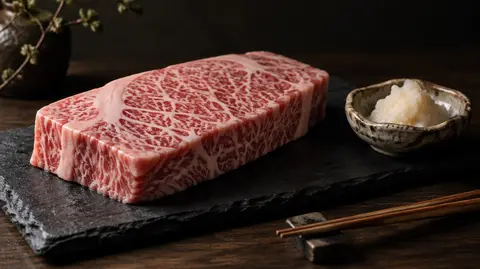
American Wagyu is usually Japanese Wagyu genetics crossed with Angus or other breeds and grain-finished for marbling. It isn’t Japanese A5, which is graded under Japan’s system and rarely sold as tallow in the US. See the A5 wagyu beef tallow guide for how the grades compare.
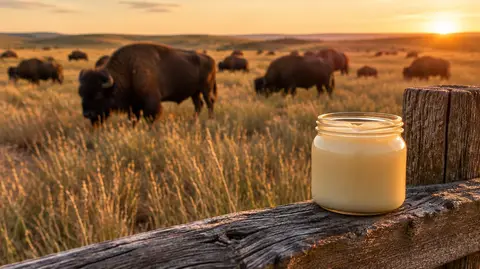
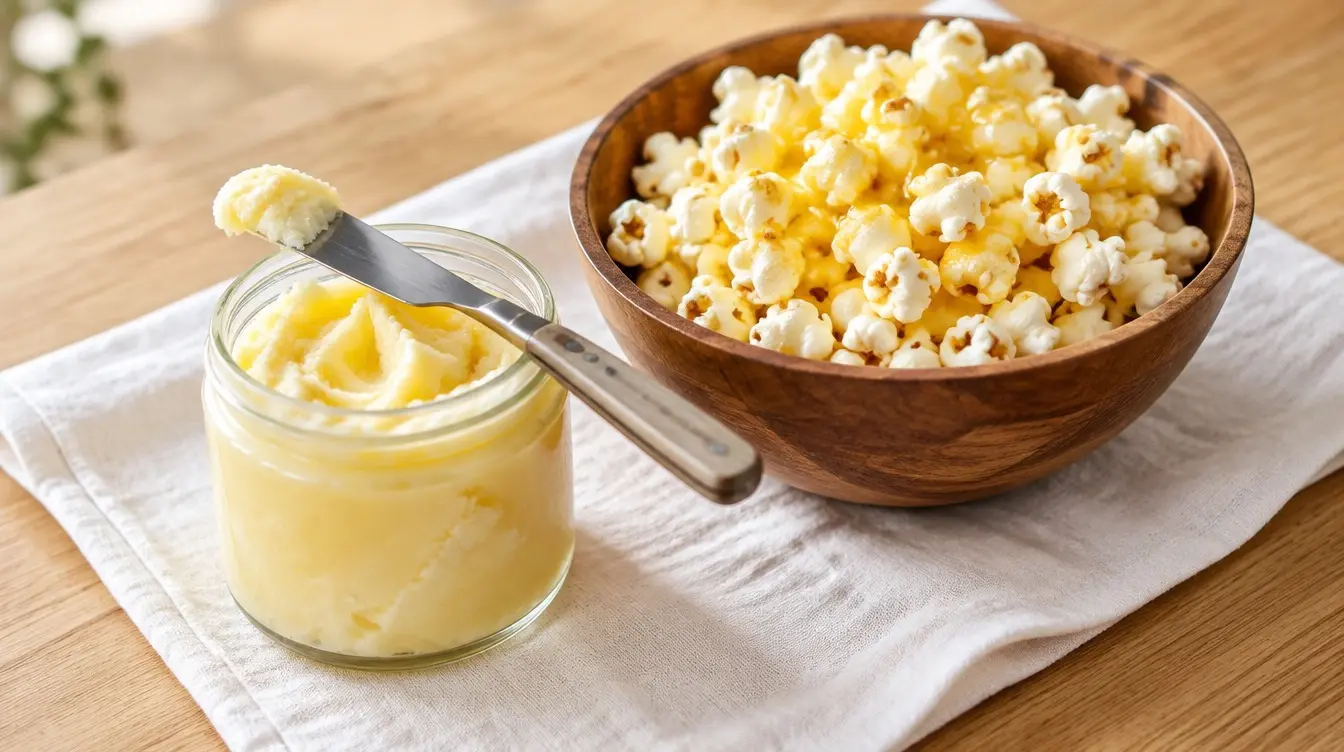
In the jar, the tallow is a pale cream-yellow, soft enough to scoop with a spoon at room temperature, and it barely smells of beef when cold. It smells closer to butter.
As of September 2026 the 10 oz jar is listed on Amazon, on Walmart’s website, through Publix via Instacart, and at BBQ specialty shops. Stock varies by store.
Why Wagyu Fat Behaves Differently
Wagyu cattle are bred to deposit more monounsaturated fat, mostly oleic acid (the main fat in olive oil), and correspondingly less saturated fat. Researchers studying Japanese Black cattle have measured this for years, and it is why wagyu marbling melts at close to body temperature.
Tallow rendered from that fat keeps the same traits:
- Softer at room temperature. Standard grass-fed tallow stays firm and waxy on a 70°F counter. Wagyu tallow softens at 70°F, scoops like soft butter at 75°F, and starts to pool around 80°F.
- Melts into a pan faster and coats more evenly as a baste.
- Tastes rounder and more buttery on a steak than standard tallow does.
For the full fatty-acid breakdown, see beef tallow nutrition facts and the beef tallow fatty acid profile.
The flip side: more unsaturated fat means slightly lower oxidative stability. Keep the jar in the fridge once opened, and don’t use it for long, hot deep-frying sessions.
How It Cooked
I cooked four things with it over three weeks.
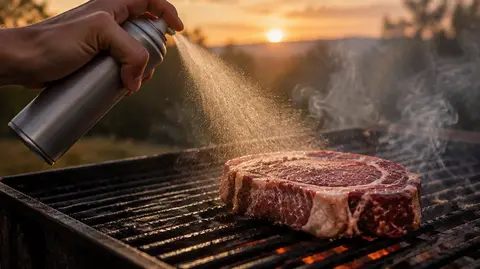
Ribeye finish. This is what the jar is for. Sear a grocery-store ribeye in hot cast iron, then spoon in a tablespoon of wagyu tallow for the last 90 seconds and baste. The steak comes out richer and more buttery than it does with a butter baste. My wife asked what I’d done differently and asked for it again the next night. The beef tallow steak recipe covers the searing side.
Popcorn. Three tablespoons in a heavy pot with half a cup of kernels gave the best popcorn I’ve made at home: nutty and buttery without adding butter at the end. Just salt.
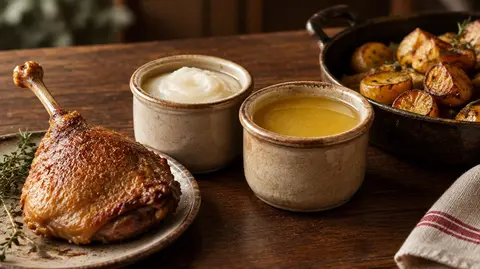
Roast potatoes. Cubed Yukon Golds tossed in melted wagyu tallow and roasted at 425°F for 35 minutes came out crispier than olive-oil potatoes and more flavorful than duck-fat potatoes. The catch is volume: a sheet pan needs about a quarter cup. The beef tallow roast potatoes recipe has the full method.
Fried eggs. Good eggs, but a waste of premium tallow. Keep it for dishes where you can taste the fat.
Bear & Burton’s vs Other Wagyu Tallows
| Wagyu tallow | Size | Price tier | Notes |
|---|---|---|---|
| Bear & Burton’s Wagyu | 10 oz jar | $ per jar | Single-ranch American Wagyu, soft and buttery |
| South Chicago Packing Wagyu | 11.5 oz jar | $ per jar | Most widely stocked wagyu tallow; also sold in a 42 oz tub |
| Fatworks American Wagyu | 14 oz jar | $$ | From an independent tallow specialist |
| Cornhusker Kitchen Wagyu tub | 1.5 lb tub | $ | Lower cost per ounce; listing says corn-fed |
If you want wagyu tallow for frying or regular cooking, South Chicago Packing’s 42 oz tub or the Cornhusker tub costs much less per ounce. Bear & Burton’s appeals if you want a single named ranch source for finishing and BBQ. The best wagyu beef tallow roundup and the South Chicago Packing wagyu review compare the rest of the category.
Price and Value
The 10 oz jar is inexpensive per jar but costs noticeably more per ounce than standard grass-fed tallow in bulk. Check the current price, since it varies by retailer. How much value you get depends on how you use it:
- Daily cooking fat: not worth it. A 4 lb grass-fed tub is the better buy.
- Steak nights, popcorn, special-occasion sides: worth it. At a tablespoon or two per use, a jar lasts about six weeks of weekly steak nights.
- Deep frying: too little volume and too high a cost per ounce.
- Skincare: don’t. Wagyu tallow is softer and less oxidation-stable than standard tallow, and it’s priced as food. For balms, use a dedicated product or a deodorized base.
Who Should Buy It
Buy it if:
- You want to upgrade home steaks without buying expensive beef
- You make popcorn or roast potatoes and care how the fat tastes
- You cook BBQ and like single-source, pitmaster-style products
- You want a small gift for a serious cook
Skip it if:
- You fry a lot and measure tallow by the cup
- Standard grass-fed tallow already tastes good enough to you
- You want tallow for skincare
Frequently Asked Questions
Where is Bear & Burton’s wagyu tallow from?
It is co-branded with R-C Ranch and described as rendered from 100% American Wagyu beef. It isn’t Australian or Japanese A5 wagyu.
Where can I buy Bear & Burton’s beef tallow?
As of September 2026 it is listed on Amazon, Walmart’s website, Publix (via Instacart), and BBQ specialty retailers. In-store stock varies, so check before you go.
How is wagyu tallow different from regular beef tallow?
It has more monounsaturated fat (mainly oleic acid) and less saturated fat. That gives it a lower melting point, a softer texture at room temperature, and a more buttery feel in the mouth.
What is the smoke point?
Tallow is generally cited at around 400°F or above. Wagyu tallow’s more unsaturated profile makes it a little less heat-stable than standard tallow, so it’s fine for searing and roasting but a poor choice for long deep-frying sessions. See the smoke point guide.
How long does it last?
Sealed and refrigerated, about 9 to 12 months. At cool room temperature, about 4 to 6 months. The more unsaturated fat means it goes rancid a little faster than standard tallow, so refrigerate it after opening. The tallow shelf life guide has the details.
Can I cook fries in it?
You can, but it’s overkill. Standard tallow fries just as well for much less. See best beef tallow for French fries.
Bottom Line
Bear & Burton’s Wagyu Beef Tallow is a small-jar finishing fat. Its American Wagyu source gives it the soft, buttery, oleic-rich character that makes a basted steak or a pot of popcorn noticeably better. It isn’t the right tool for everyday cooking, deep frying or skincare. For steak nights and special-occasion sides, it’s a jar worth keeping in the fridge.
Check the current price of Bear & Burton’s Wagyu Beef Tallow on Amazon
Explore more tallow guides
Browse our collection of recipes, comparisons, reviews and DIY tutorials.
View all guidesKing Tallow is reader-supported. We research and test the products we recommend, and when you buy through links on this page we may earn a commission at no extra cost to you. See our affiliate disclosure.
Published · Last updated