Best Tallow and Honey Balm: 7 Honey Balms Compared (2026)
Independent reviewThe best tallow and honey balm for your skin: Terra Lotus, Vanman's, Santa Cruz Paleo and more compared on ingredients, texture, size, and who each one suits.

This post contains affiliate links. We may earn a commission if you purchase through these links, at no extra cost to you.
Short answer: For most people, the best tallow and honey balm is Terra Lotus Tallow Honey Balm: a short tallow, raw honey, and olive oil formula at a mid-range price, in four scents and two jar sizes. For very dry or cracked skin, Vanman’s Tallow and Honey Balm is the richer choice with the most specific sourcing label, and if olive oil breaks you out, Santa Cruz Paleo (tallow, beeswax, honey) is the safest pick. Honey balms are not for babies under 12 months or anyone allergic to bee products.
Tallow and Honey Balms Compared
| Balm | Ingredients | Texture | Sizes | Scents | Price tier | Best for |
|---|---|---|---|---|---|---|
| Terra Lotus Tallow Honey Balm | Grass-fed tallow, raw honey, olive oil (brand site also lists beeswax) | Dense balm | 2 oz, 4 oz | Unscented, citrus, lavender, vanilla | $$ | Most people; scent choice |
| Vanman’s Tallow and Honey Balm | Grass-fed/grass-finished tallow, organic raw honey, beeswax, cold-pressed olive oil | Dense balm | 2 oz, 6.3 oz Jumbo, pocket size | No added scent, or essential oils | $$$ | Very dry, cracked skin |
| Santa Cruz Paleo Tallow, Beeswax & Honey | Grass-fed tallow, beeswax, honey | Firm balm | 2 oz | Unscented | $$ | Acne-prone skin, no carrier oils |
| Wrath & Remedy Tallow and Honey Balm | Organic grass-fed tallow, raw honey | Whipped (per current listing) | 4 oz | No added scent | $ | Budget, fewest ingredients |
| Vanman’s Bison Tallow and Manuka Honey | Bison tallow, raw manuka honey, olive oil, essential oils | Balm | Check listing | Essential oils | $$$ | Manuka honey fans |
| Based Supplies Tallow & Honey Balm | Grass-fed tallow, raw honey, beeswax, olive oil | Balm | 2 oz | Light essential oils, or none | Check site | Buyers happy to order direct |
| Bare Ritual Beef Tallow Honey Balm | Grass-fed tallow, raw honey, beeswax, olive oil | Balm | Check at checkout | Not specified | Check site | Men who want a men’s-branded jar |
Ingredient lists come from each brand’s label or product page. Price tiers are relative ($ = lowest); check current prices, since they change often.
What Honey Adds to a Tallow Balm
Tallow on its own is an emollient and a light occlusive: it softens skin and slows water loss from the surface. It doesn’t pull water into the skin.
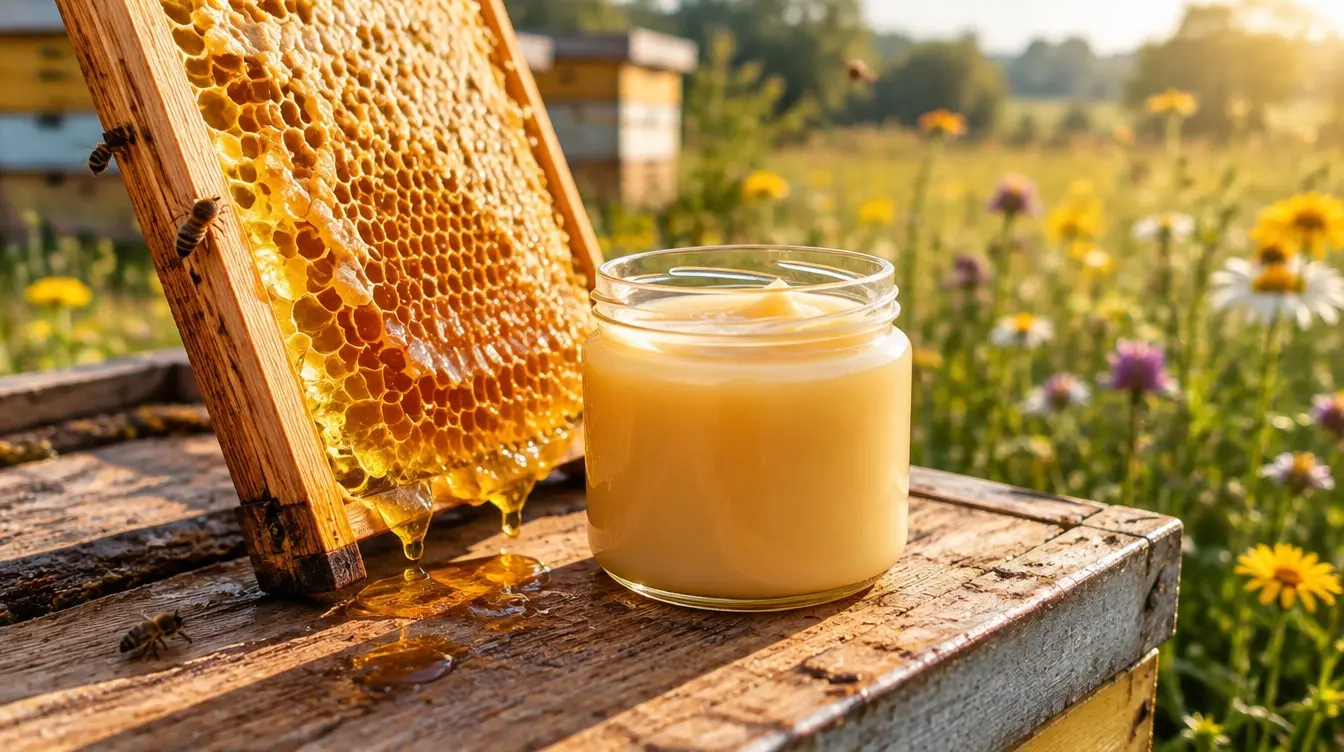
Honey does. It’s a humectant: its sugars attract and hold water, which is why honey appears in many conventional moisturizers too. In a tallow balm, the honey helps the outer layer of skin hold water while the tallow (and beeswax, where used) keeps it from evaporating. That’s the whole case for honey balms, and it’s a reasonable one. It’s also why a honey balm works best on slightly damp skin.
A few things honey does not do in a cosmetic balm:
- It isn’t a treatment. Medical-grade honey has real research behind it in wound care; a 2015 Cochrane review found honey dressings may help partial-thickness burns heal faster than some conventional dressings. That’s sterilized, medical-grade honey in a dressing, not a teaspoon of food-grade raw honey in a jar of fat. No clinical trial shows that tallow and honey balm treats eczema, acne, or wrinkles.
- It doesn’t make “raw” magic. Raw honey keeps more of its natural enzymes than heated honey, but no study has compared raw and processed honey in a skincare balm. Treat “raw” as a quality signal, not a guarantee of results.
- It doesn’t spoil the balm. Honey has very low water activity, and these balms contain no added water, so they don’t need preservatives. Expect 6-12 months of shelf life in a cool, dark place.
Manuka honey (used in Vanman’s bison balm) is the most studied honey for antibacterial activity, again mostly in medical dressings. It’s a nice extra, not a reason to pay double.
For the tallow side of the formula, our beef tallow for skincare guide explains what the fat does and doesn’t do.
Who Should Skip Honey Balms
- Babies under 12 months. Honey is not recommended for infants because of the risk of infant botulism if swallowed, and balm on a baby’s hands or cheeks ends up in the mouth. Use a honey-free product and ask your pediatrician; our beef tallow for baby skin guide covers options.
- Anyone allergic to bee products. Honey, beeswax, and propolis can all trigger reactions.
- Acne-prone skin that reacts to olive oil. Most honey balms include olive oil, which is commonly rated around 2 on the comedogenic scale. Santa Cruz Paleo and Wrath & Remedy leave it out.
- Vegans and vegetarians. Tallow is an animal fat.
The Best Tallow and Honey Balms, in Detail
1. Terra Lotus Tallow Honey Balm: Best Overall
Terra Lotus is the honey balm most people find first, and it earns its place. The base is grass-fed tallow, raw honey, and cold-pressed olive oil (the brand’s own site also lists beeswax), handmade in small batches in the USA by a family-owned company. It’s the only balm here that comes in four scents (unscented, citrus, lavender, vanilla) and two jar sizes, and it sits in the mid-price tier.
It’s a dense balm, so it takes a few minutes to absorb on the face and works best at night. The olive oil helps it spread but is the ingredient acne-prone users should patch test. One practical warning: the balm’s popularity has attracted lookalike websites, so buy from the Terra Lotus brand store on Amazon or check the seller before paying.
Best for: Most people who want a honey balm, especially if you care about scent options. Start with unscented for face use. Skip if: You react to olive oil or want a light whipped cream.
Full review: Terra Lotus Tallow Honey Balm review.
2. Vanman’s Tallow and Honey Balm: Best for Very Dry, Cracked Skin
Vanman’s is close to the same recipe as Terra Lotus (tallow, organic raw honey, beeswax, cold-pressed olive oil), with two differences that matter: the label specifies grass-fed and grass-finished tallow, and there’s a 6.3 oz Jumbo jar that brings the per-ounce cost down for heavy users. The “No Added Scent” version is nearly odorless.
In our 30-day test it was the balm that held up best on cracked knuckles and a stubborn elbow patch, thanks to the beeswax barrier. The same density makes it slow on the face (plan on 5-10 minutes) and a poor match for oily skin.
Best for: Cracked hands, heels, elbows, winter skin, overnight face treatment for dry skin. Skip if: You want a fast-absorbing daytime face cream or you’re price-sensitive on the 2 oz jar.
Full review: Vanman’s Tallow and Honey Balm review.
3. Santa Cruz Paleo Beef Tallow, Beeswax & Honey: Best for Acne-Prone Skin
Three ingredients: grass-fed tallow, beeswax, and honey. No olive oil, no essential oils. If carrier oils break you out, this is the honey balm to try, and it’s the one we saw no breakouts from over three weeks of face use.
The trade-off is texture. Without oil to soften it, the balm is firm, especially in a cool room, and needs warming between your fingertips before it spreads. It’s also only sold in a 2 oz jar.
Best for: Acne-prone or sensitive skin, ingredient minimalists. Skip if: You want an easy-spreading or scented balm.
Full review: Santa Cruz Paleo review.
4. Wrath & Remedy Tallow and Honey Balm: Best Budget Pick
The shortest list here: organic grass-fed tallow and raw honey, with “no additives,” in a 4 oz jar at the lowest price tier. No beeswax, no olive oil, no essential oils. That makes it a good fit for people who want to rule out everything except the two core ingredients. The brand’s current listing describes it as whipped; the jar we tested was denser and absorbed slowly, so expect some batch-to-batch difference.
Best for: Budget shoppers, fewest-ingredient routines, body use. Skip if: You want a well-known brand with a long track record.
Full review: Wrath & Remedy organic beef tallow for skin review.
5. Vanman’s Bison Tallow and Manuka Honey Balm: The Specialty Pick
Vanman’s makes a version with bison tallow and raw manuka honey plus olive oil and essential oils. Bison tallow behaves much like beef tallow on the skin; see our bison vs beef tallow comparison. It’s a premium-priced curiosity rather than a clear upgrade, and the essential oils make it a worse fit for sensitive skin than the standard Vanman’s.
Best for: People who specifically want manuka honey or bison tallow. Skip if: You have reactive skin or want the best value.
6. Based Supplies Tallow & Honey Balm: Best Direct-to-Consumer Option
Based Supplies sells a 2 oz tallow and honey balm built on grass-fed tallow, raw honey, beeswax, and olive oil, in a standard version with a light, “green and woody” essential oil blend (diluted to under 1%, per the brand) and a “No Essential Oils” version. The brand says the balm is sold only on its own website, so treat Amazon listings using the name with caution. Its marketing makes bold claims (collagen, hyperpigmentation) that aren’t backed by published evidence.
Best for: Buyers who already follow the brand and are happy to order direct. Skip if: You want Amazon shipping or measured marketing.
Full review: Based Supplies review.
7. Bare Ritual Beef Tallow Honey Balm: The Men’s-Branded Option
Bare Ritual sells the same four-ingredient formula (grass-fed tallow, raw honey, organic beeswax, olive oil) with men’s branding and a 90-day money-back guarantee. It publishes little about sourcing or where it’s made. If the men’s positioning appeals to you, it’s a reasonable buy; otherwise Vanman’s and Terra Lotus give you the same recipe with more information.
Full review: Bare Ritual review.
Not a honey balm, but worth knowing
- Amallow Unscented is whipped tallow with sweet almond oil and no honey. It absorbs faster than any balm above and suits daytime face use, but it’s off-limits for tree-nut allergies. See our Amallow tallow review.
- Primally Pure balms use tallow, olive oil, emu oil, beeswax, and botanicals, not honey. See our Primally Pure Everything Balm review.
Which Tallow and Honey Balm Is Best for You?
| If you want… | Choose |
|---|---|
| One honey balm for most skin | Terra Lotus Unscented |
| A scented honey balm | Terra Lotus Citrus, Lavender, or Vanilla |
| Relief for cracked hands and heels | Vanman’s (Jumbo if you use a lot) |
| A face balm that won’t clog pores | Santa Cruz Paleo |
| The lowest price and fewest ingredients | Wrath & Remedy |
| A light, fast-absorbing cream (no honey) | Amallow Unscented |
| Something for a baby under 12 months | None of these; use a honey-free balm |
Best Tallow and Honey Balm for Face and Wrinkles
For the face, texture matters most. Use a rice-grain to pea-sized amount on damp skin at night. Terra Lotus Unscented and Santa Cruz Paleo are the easiest honey balms to use on the face; Vanman’s is better for very dry skin. If you’re acne-prone, start with Santa Cruz Paleo.
For wrinkles, be realistic. A well-moisturized face shows fine lines less, which is what most “before and after” photos capture. No tallow or honey balm has been shown to reverse wrinkles. Daily sunscreen and, if you want an active ingredient, a retinoid have far more evidence. Our beef tallow for wrinkles evidence review goes through what is and isn’t known.
How to Use a Tallow and Honey Balm
- Patch test on your inner forearm or jawline for a few days.
- Warm a small amount between your fingertips until it softens.
- Press it into slightly damp skin. Honey works better with water to hold on to.
- Give it 5-10 minutes before clothes, makeup, or bed.
- Store it cool and dry, away from sunlight, and use clean, dry fingers.
Can You Make Your Own?
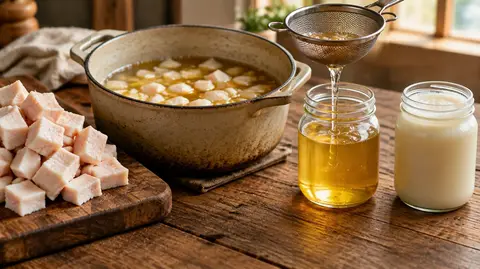
Yes. A basic honey balm is rendered tallow, a small amount of raw honey, and optionally beeswax and a liquid oil. Honey doesn’t dissolve in fat, so it needs thorough stirring as the balm cools or it can settle and feel grainy. Our DIY tallow balm recipe and tallow body butter guide cover the method.
Frequently Asked Questions
What is tallow and honey balm?
A skincare balm made mainly from rendered beef tallow with honey added as a humectant. Most also include beeswax for firmness and olive oil for spreadability. It’s used as a moisturizer for the face, hands, lips, and dry patches.
What is the best tallow and honey balm brand?
For most people, Terra Lotus, for its short formula, scent options, and mid-range price. Vanman’s is the better choice for very dry skin and has the most specific sourcing claim (grass-fed and grass-finished). Santa Cruz Paleo is best if you need to avoid olive oil.
Is tallow and honey balm sticky?
Not when the honey is well blended. It feels like a regular dense balm. If a jar feels grainy or tacky, the honey may have separated or crystallized; warming a small amount between your fingers usually fixes the feel.
Does tallow and honey balm clog pores?
Tallow is commonly rated around 2 on the comedogenic scale, and olive oil about the same. Many people use honey balms without breakouts, but acne-prone skin should patch test and consider an olive-oil-free option like Santa Cruz Paleo.
Is tallow and honey balm good for eczema?
Some people with eczema find thick, fragrance-free balms comfortable, but there’s no clinical evidence that tallow honey balm treats eczema, and olive oil and essential oils can irritate some eczema-prone skin. Choose an unscented version, patch test, and follow your dermatologist’s plan. See tallow for eczema.
Is tallow and honey balm a sunscreen?
No. None of these balms provide meaningful UV protection. Use a real sunscreen during the day.
Beef tallow honey balm reviews: which ones have we tested?
We’ve published full reviews of Terra Lotus, Vanman’s, Santa Cruz Paleo, and Wrath & Remedy, plus head-to-heads like Terra Lotus vs Santa Cruz Paleo and Vanman’s vs Santa Cruz Paleo.
Bottom Line
The best tallow and honey balms share a short list: tallow, honey, and usually beeswax and olive oil. The differences are in the details. Terra Lotus is the best all-round pick for its price and scent range. Vanman’s is the one for cracked, very dry skin. Santa Cruz Paleo is the safest bet for breakout-prone faces. Whichever you choose, patch test first, use less than you think, and keep honey balms away from babies under a year old.
For non-honey options, see our full best beef tallow for skin rankings.
Explore more tallow guides
Browse our collection of recipes, comparisons, reviews and DIY tutorials.
View all guidesKing Tallow is reader-supported. We research and test the products we recommend, and when you buy through links on this page we may earn a commission at no extra cost to you. See our affiliate disclosure.
Published · Last updated