

This post contains affiliate links. We may earn a commission if you purchase through these links, at no extra cost to you.
People ask me about tallow application more than any other topic. The product itself is simple. The routine around it confuses a lot of people because tallow is heavier than what most skincare blogs recommend, lighter than what most beef tallow blogs imply, and sits in a layer order nobody is used to thinking about.
Here is exactly how I use it. Pea-sized portion, warmed between fingers, applied as the last step on damp skin, twice a day if your skin tolerates it. The rest of this post is the why, the variations, and the mistakes to skip.
The Core Routine in Six Steps
If you only read one section, this is it.
Step 1: Cleanse. Use a gentle, low-pH, fragrance-free cleanser. Lukewarm water, never hot. Thirty to sixty seconds on the face. Rinse and move on. Do not over-cleanse.
Step 2: Pat, do not rub. Use a clean towel. Press the water off. Leave the skin slightly damp. Damp skin absorbs lipids better than dry skin. The window between cleansing and applying tallow should be under two minutes.
Step 3: Optional toner or essence. If you already use a hydrating toner (panthenol, glycerin, hyaluronic acid), apply it now. If you do not, skip. You do not need one.
Step 4: Optional serum. Water-based actives (niacinamide, vitamin C, hyaluronic acid) go before tallow. Oil-based serums can be skipped entirely because tallow does what they do.
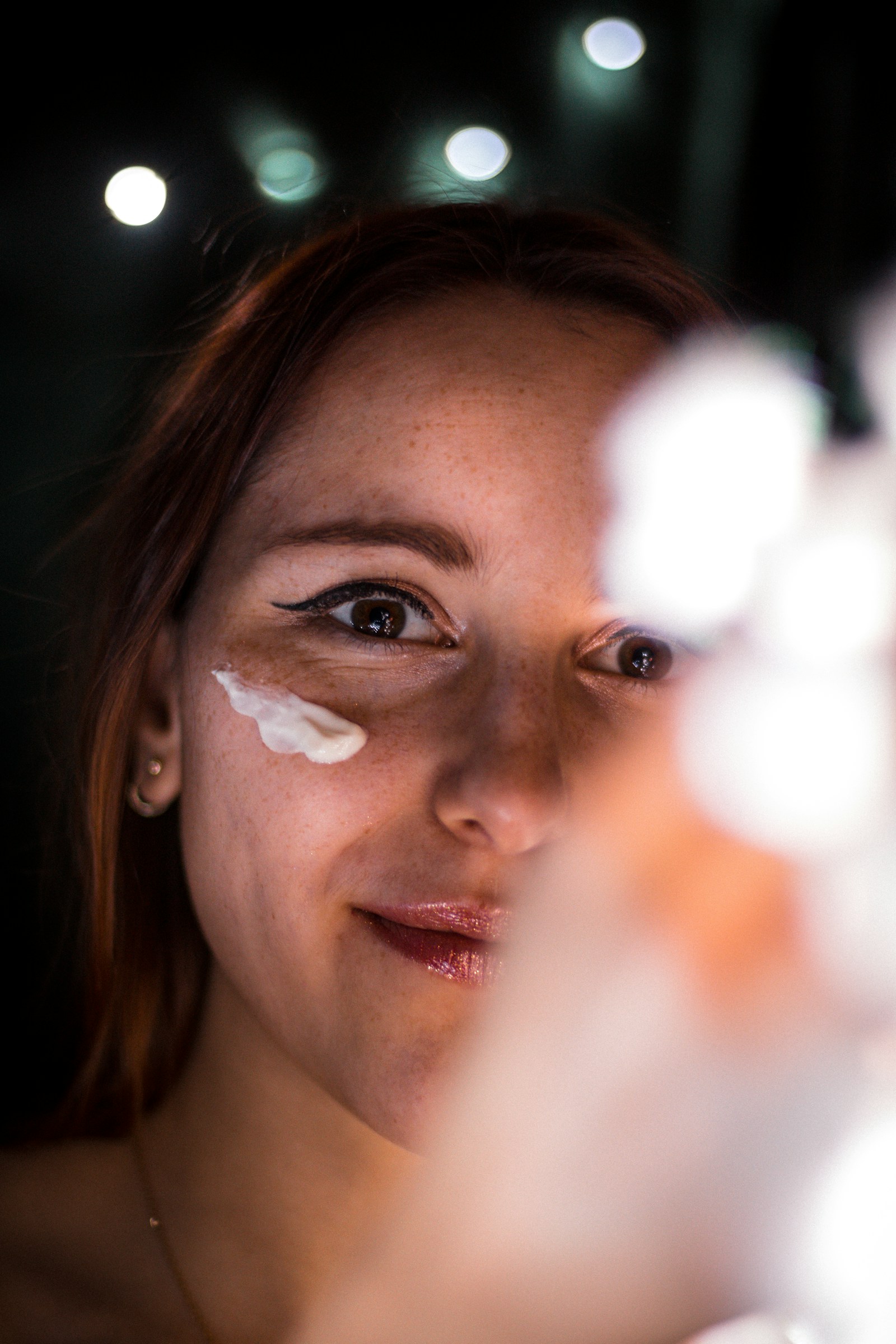
Step 5: Tallow, last. Scoop a pea-sized amount onto a clean fingertip. Rub between the pads of both index fingers for about ten seconds. This is the warming step. The balm should turn from solid to a thin oil before you ever touch your face.
Press onto cheeks, forehead, chin, nose. Do not rub aggressively. Press, smooth, let it absorb. If it feels heavy, you used too much.
Step 6: Sunscreen in the morning, nothing in the evening. Tallow is the final step at night. In the morning, you still need SPF on top, even over tallow. We will get to the layering question in a minute.
How Much to Use
This is the single biggest mistake I see in new tallow users. People scoop a big finger-full because that is what the marketing photos show, then they wonder why their skin feels greasy four hours later.
The correct amount for the whole face is approximately the size of a small green pea. Slightly less if you have small features. Slightly more if you have a wide face or you are also doing neck and collarbone.
If the balm is sitting visibly on top of your skin five minutes after application, you used too much. Wipe it off, wait a day, and try again with less.
I use a Terra Lotus Organic Unscented jar for daily face. The product is firm at room temp, which means you have to spend an extra five seconds warming it. The trade-off is that you naturally apply less because you cannot scoop too much by accident. The Amallow Unscented Whipped Tallow Balm is the whipped alternative. It is lighter, spreads easier, and is the one I recommend for people with combination or normal skin. For a budget starter that still works, the Organic Tallow Skin 4 oz is what I point people to first because the jar size lets you experiment without a big commitment.
The Warming Step Matters More Than People Think
Tallow is solid at room temperature. If you smear cold balm directly on your face, three things go wrong. It does not spread evenly. It feels heavy and waxy. And it does not absorb because the solid fat cannot integrate with the lipid film on your skin.
Warming is the fix. Pinch a pea-sized scoop between your index fingertip and your thumb. Rub the pads together for ten seconds. You will feel the texture change from waxy to oily. That is the moment to apply.
This single step is the difference between “tallow felt amazing” and “tallow felt like crayon” in 80% of the feedback I see online.
Layer Order, Because People Get This Wrong
The general rule for skincare layering is thinnest to thickest, water-based to oil-based. Tallow is the thickest and the most oil-based of anything in a normal routine. That means it goes last, every time.
The exception is sunscreen. Sunscreen goes on top of everything, including tallow, because it needs an unbroken film at the surface to actually block UV.
Order in the morning:
- Cleanser
- Optional water-based serum
- Tallow (small amount)
- Sunscreen (full layer)
Order in the evening:
- Cleanser (or oil cleanse then water cleanse if you wore SPF or makeup)
- Optional water-based serum
- Tallow
Things that do not work over tallow:
- Liquid foundation
- Toners (the water beads off the fat)
- Any water-based product
Things that do work over tallow:
- Mineral sunscreen
- Powder products (in the morning, after the tallow has fully absorbed for 15 minutes)
- Cream blush, applied carefully
Morning vs Evening
You can use tallow at either or both times. The question is whether your skin tolerates it.
Evening only is the safest starting protocol. Use tallow as the last step at night. Sleep on a clean pillowcase. Cleanse in the morning. This is what I recommend for the first two weeks.
Twice a day works for dry, normal, and combination skin once you have established that you tolerate it. Reduce the morning amount to half a pea. The morning application should disappear into the skin within five minutes so you can layer SPF.
Morning only rarely makes sense unless your evening routine includes a retinoid or other active you do not want to layer with an occlusive. In that case, tallow in the morning under sunscreen, retinoid solo at night.
For the broader complete face guide, /blog/beef-tallow-for-face-complete-guide/ covers what to do at week one, week four, and beyond.
Pairing with Sunscreen
This is the question I get five times a week. Tallow underneath sunscreen, both go on the face, both do their respective jobs. The key is timing.
After you apply tallow in the morning, wait five to ten minutes for it to fully integrate. Then apply sunscreen on top. The wait time matters because if you slap SPF onto tallow that is still sitting on the surface, you end up smearing both into a wet, patchy mess that does not protect you well.
Mineral sunscreens (zinc oxide, titanium dioxide) layer better over tallow than chemical sunscreens for most people. Mineral SPF sits on the surface anyway, so it does not care what is underneath. Chemical sunscreens absorb into the skin, which means the tallow can interfere with their distribution.
If you wear makeup over sunscreen, give yourself another five minutes between SPF and the next layer. The full morning routine takes about 12 to 15 minutes to set, which is longer than most people are used to. Plan for it.
What to Expect in the First Two Weeks
Tallow is not a quick-fix product. The first two weeks tend to look like this:
Days 1 to 3: Skin feels softer right away. Surface dryness improves. Some people see the first results immediately.
Days 4 to 10: This is where “purging” can happen if it is going to happen for you. Small bumps, sometimes a few breakouts, particularly along the jaw and hairline. Not everyone purges. People who do tend to be those with acne-prone skin trying tallow for the first time.
Days 10 to 14: Skin texture starts to settle. The barrier is recovering if it was compromised. Tolerability becomes clear.
If you are still breaking out at day 14, drop the frequency to every other night. If that does not help by day 28, tallow is not the right product for your face.
A note on purging vs breaking out: purging shows up where you normally break out, and it resolves in two weeks. Breaking out can happen anywhere and persists or worsens past two weeks. Those are different mechanisms with different responses.
The comedogenic rating post covers the test protocol for figuring out which one is happening.
What Not to Do
These are the application mistakes I see most often.
- Do not skip the patch test. Inside of the forearm, twice a day, three days. If anything weird happens, stop. Saves you a face issue.
- Do not apply to broken skin without testing first. Cuts, active rashes, infected breakouts. Heal first, layer tallow second.
- Do not use scented tallow on the face if you are new to it. Lavender, rose, herbal blends. They smell nice and they add unnecessary variables to your test. The minimal-ingredient Santa Cruz Paleo Beef Tallow Moisturizer is what I use when I want zero noise.
- Do not apply right after a retinoid. Wait at least 20 minutes if you are using both in the same evening, or alternate nights.
- Do not use it as an eye cream substitute on day one. The eye area is thinner and more reactive. The Amallow Clean Cloud Whipped Tallow is lighter and what I use on the orbital area once I know I tolerate it.
- Do not stop your sunscreen because tallow “moisturizes.” Tallow is not sunscreen. It does not block UV.
- Do not double dip with dirty fingers. Tallow has a long shelf life because saturated fats resist oxidation, but bacteria in the jar from a dirty finger will shorten that fast. Use a small spatula or a clean knuckle.
For Specific Skin Conditions
If you are using tallow for a specific condition rather than general moisturizing, the application changes slightly. The dedicated condition pages cover the details:
- /tallow-for/eczema/ for atopic dermatitis
- /tallow-for/dry-skin/ for general dryness
- /tallow-for/rosacea/ for redness-prone skin
- /tallow-for/wrinkles/ for the anti-aging angle
Each protocol shifts the frequency, amount, or timing slightly. The base routine in this post is the starting point.
Frequently Asked Questions
Can I use beef tallow as my only moisturizer?
Yes, for most skin types. Tallow combines occlusive and emollient properties in one product, which means you do not need a separate cream over it. Some very dry skin types layer a humectant serum underneath (hyaluronic acid is the common pick). For most people, just tallow is enough.
How long does it take for tallow to absorb?
About five to fifteen minutes depending on how much you used and how warm the balm was when you applied it. A pea-sized amount on damp skin should disappear in under ten minutes. If it is still sitting on the surface at fifteen, you used too much.
Can I wear makeup over tallow?
Yes, but wait fifteen minutes after application. Powder products work better than liquids. Mineral foundation layers fine. Liquid foundation can pill if the tallow is not fully set.
Does tallow replace night cream and eye cream?
For most people, yes. A pea-sized amount covers the whole face including the eye area, once you know you tolerate it. If you want a lighter texture specifically for under the eye, the Amallow Clean Cloud is what I use.
How often should I apply tallow on my face?
Start with once nightly for two weeks. If you tolerate it, move to twice daily (morning under SPF, evening as last step). Some people do best at three times a week instead of nightly. There is no fixed rule. Match the frequency to what your skin tells you.
Will tallow give my skin a greasy look?
Only if you used too much. A correctly sized pea-amount on damp skin disappears in under fifteen minutes and leaves a soft, healthy finish, not an oily one. If you look shiny an hour later, halve the amount next time.
Bottom Line
The whole face routine for tallow is: cleanse, pat dry, optional serum, warm a pea-sized scoop between your fingers, press onto damp skin, sunscreen on top in the morning. Twice a day if you tolerate it, once a day at night if you are new to it.
The two products I recommend most for face application are the Terra Lotus Unscented for sensitive skin and the Amallow Unscented Whipped for combination skin that wants a lighter texture. For a minimal-ingredient option, the Santa Cruz Paleo is the cleanest three-ingredient pick. For a budget starter, the Organic Tallow Skin 4 oz gets you in for under twenty dollars.
If you want the broader context, the complete face guide and the budget-to-premium face cream comparison are the next two reads.