

This post contains affiliate links. We may earn a commission if you purchase through these links, at no extra cost to you.
I picked up a 42 oz tub of South Chicago Packing Wagyu Beef Tallow last winter mostly because I wanted to see if the wagyu premium was real or marketing. I had been using a standard grass-fed tallow for everything and the wagyu tub was about double the price per ounce. The math needed to work for me to keep buying it.
After working through most of the tub over the next four months (fries, sears, sauces, popcorn, hash browns, a couple of weird experiments), I think the wagyu premium is real for some uses and a waste of money for others. This review is the breakdown of which is which.
For the broader category context, the tallow price guide covers where wagyu fits in the pricing tiers, and the best tallow for cooking comparison covers South Chicago Packing alongside the rest of the field.
What Makes Wagyu Tallow Different
Standard beef tallow from grain-finished cattle has a fatty acid profile that runs roughly 50% saturated, 42% monounsaturated, and 4% polyunsaturated, with the rest as miscellaneous. Wagyu tallow shifts that ratio toward higher monounsaturated content. The exact numbers vary by breed and finishing program, but a wagyu render typically sits at about 45% saturated and 48% monounsaturated.
That shift matters because monounsaturated fat melts at a lower temperature and behaves differently in the mouth. Wagyu tallow at room temperature is softer than standard tallow. It still holds its shape, but you can scoop it with a spoon where a standard tallow needs a knife. The melt point is around 92F to 96F depending on the batch (versus 104F for standard tallow).
The flavor consequence is direct. Wagyu tallow has a milder, more buttery profile than standard grass-fed tallow. The “beefy” finish that some people love (and some people do not) in regular tallow is more muted in wagyu. Think of it as the difference between a New York strip and a ribeye. Both are beef. The ribeye has more fat in it and tastes richer and milder because of that fat.
South Chicago Packing sources their wagyu tallow from a US-based supply chain (the company is based in the Chicago region but the cattle come from contracted producers, not from a single farm). The processing is at industrial scale rather than small batch, which means the consistency from tub to tub is excellent. The 42 oz tub is the standard retail SKU and is widely available on Amazon and at some Costco locations.
Frying Performance
This is what South Chicago Packing wagyu tallow was built for. The 42 oz tub size is designed for restaurant and serious home frying. I did three frying tests over the months I worked through the tub.
Hand-cut french fries, double fry. Russet potatoes, hand-cut, first fry at 325F for six minutes, drain, second fry at 375F for three minutes. The wagyu tallow held both temperatures with no smoking and the finished fry had a flavor that was cleaner than a standard grass-fed fry. Less of the deep beefy note, more of a rich neutral background that lets the potato come through. This is the application where I would buy this tallow again without hesitation.
Fried chicken thighs. Brined and dredged, fried at 350F. The wagyu performance was strong but I noticed less differentiation from standard tallow here. The seasoning on the chicken (paprika, garlic, salt, pepper) dominates the flavor and the cleaner profile of the wagyu does not get a chance to show through. This works fine but does not justify the premium.
Hash browns. Shredded russets, squeezed dry, pressed into a screaming hot 10-inch cast iron with three tablespoons of wagyu tallow. The crust was excellent. Flavor was clean and let the potato shine. Better than oil, comparable to butter but more durable at the higher pan temperature. This is a real use case for wagyu tallow.
The overall frying verdict is that wagyu tallow earns its keep when the dish is mostly about the medium and the main ingredient is something delicate (fries, hash browns, fish, light vegetables). When the dish has heavy seasoning or strong dominant flavors, a standard grass-fed tallow does the job at half the cost.
The Popcorn Test
I went into this expecting popcorn to be the application that justified the wagyu price tag. It mostly is.
I popped four batches of corn the same week using:
- Two tablespoons of South Chicago Packing wagyu tallow (technically I am using my standard amzn link slot here for the cooking tallow tier)
- Two tablespoons of standard grass-fed tallow
- Two tablespoons of butter
- Two tablespoons of coconut oil
Standard movie-theater style popcorn with sea salt finish in all four cases.
The wagyu was the clear winner. The popcorn had a butter-like richness with a faint beefy background that turned out to be addictive. The standard grass-fed tallow was good but the beefy finish was more present, and on popcorn that profile competes with the salt instead of complementing it. The butter was great until the second day when I noticed I had to keep the heat lower to avoid scorching. The coconut oil tasted like coconut, which is fine if you want that.
Wagyu tallow on popcorn is the strongest case for the premium. A 42 oz tub used at two tablespoons per popcorn session is about 35 batches of popcorn, which works out to maybe a year of stovetop popcorn for a household that has it once a week. The wagyu cost amortized over those 35 batches is about a dollar per batch, which is fair for the upgrade in finished product.
Finishing Applications
Beyond frying and popcorn, wagyu tallow shines as a finishing fat.
Steak rest. A teaspoon of wagyu tallow melted over a resting ribeye adds the richness wagyu beef itself would have, on a leaner cut. This works particularly well on grass-finished sirloin or strip steak that would otherwise taste a little thin.
Sauce mounting. A small knob of wagyu tallow whisked into a finished pan sauce at the end (instead of butter) gives a similar mouthfeel with a deeper, beefier background. Works particularly well with red wine pan sauces for steak.
Crouton finishing. Toss day-old bread cubes in melted wagyu tallow, season with salt and herbs, bake at 350F for 15 minutes. Better than oil croutons, more durable than butter croutons.
These finishing uses are where the wagyu profile most clearly outperforms standard tallow. You are using small amounts, the flavor is present in every bite of the finished dish, and the milder profile does its job.
Wagyu vs Standard Grass-Fed: The Honest Comparison
Side by side over four months, here is where wagyu actually beats standard grass-fed tallow:
- French fries and hash browns (cleaner finish)
- Popcorn (butter-mild profile)
- Finishing applications (sauces, steak rest, croutons)
- Anything where the tallow itself is the dominant flavor
Here is where the two are functionally identical:
- High heat sears in a cast iron
- Roasted vegetables
- Heavily seasoned dishes
- Most everyday cooking
Here is where standard grass-fed actually wins:
- Recipes where you want a strong beefy finish (like a yorkshire pudding made with the drippings of the roast it accompanies)
- Anything where you are using more than a tablespoon at a time and the cost-per-use math matters
- Soap, candles, DIY skincare, leather conditioning
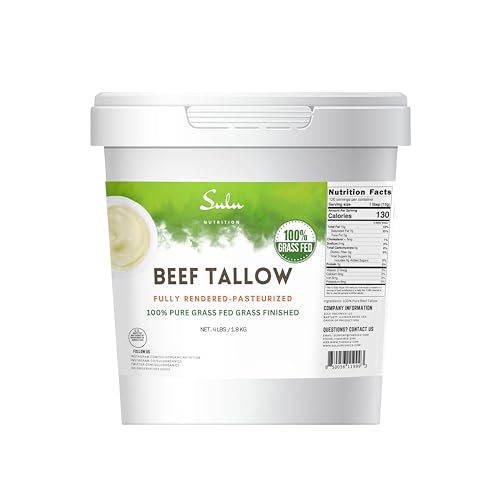
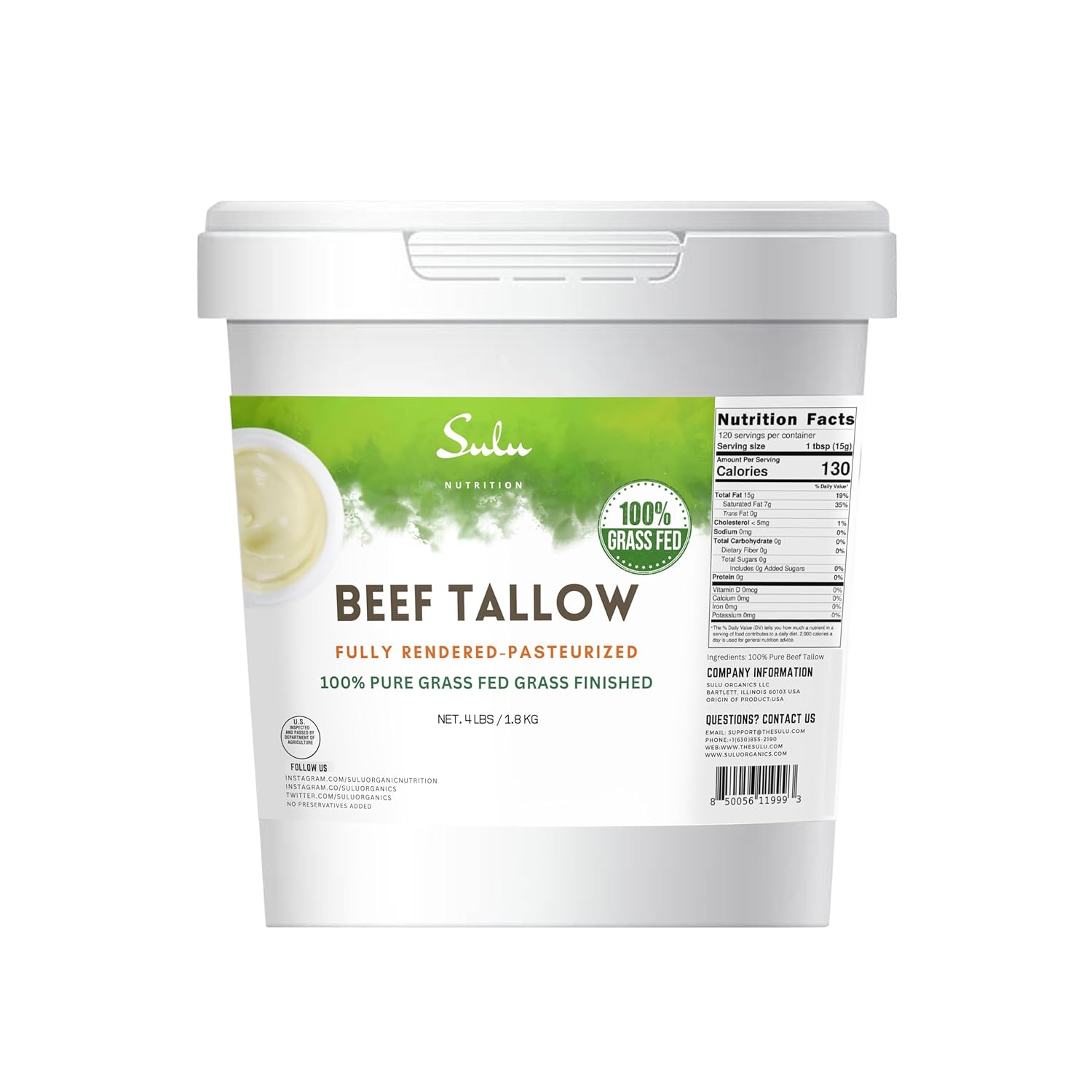
For the everyday cooking that makes up 80% of what most people use tallow for, standard grass-fed is the right call. The 100% Pure Grass-Fed 4 lb tub at half the price per ounce of wagyu does the job in the pan.
The wagyu is a specialty tool for specific applications.
Price And Where To Buy
The South Chicago Packing 42 oz tub runs $30 to $40 on Amazon depending on the week. That works out to $11.50 to $15 per pound, which sounds reasonable until you compare it to a standard grass-fed bulk tub at $9 to $10 per pound. The actual wagyu premium is about 30% to 50% per pound.
Costco has carried this tub regionally. Walmart has carried it online. Amazon is the most reliable channel.
The 42 oz size is generous for a household. If you cook with tallow daily and use this as your primary fat, the tub lasts about two months. If you use it as a specialty finishing fat and keep a cheaper everyday tallow alongside it, it lasts six months or more.
Some retailers carry a smaller 14 oz wagyu tallow tub at about $18, which is a much worse per-pound price. The 42 oz is the right buy.
Best Uses Summary
Where to use South Chicago Packing wagyu tallow:
- High-heat deep frying where you want the cleanest finish
- Stovetop popcorn (this is the killer app)
- Finishing pan sauces and steak rest
- Hash browns and rosti
- Any dish where the fat is doing real flavor work
Where standard grass-fed is the better buy:
- Daily cooking
- Roasting
- DIY projects (soap, candles, body butter)
- Anytime cost matters more than the last 10% of flavor
For most kitchens, the right play is to keep both. A 4 lb standard grass-fed tub for daily use, and a 42 oz wagyu tub for specific applications. That stack costs about $70 and lasts most households four to six months.
Frequently Asked Questions
Is South Chicago Packing wagyu tallow actually wagyu?
The cattle are wagyu-cross or full-blood wagyu sourced from US producers. The supply chain is not as transparent as a small farm operation like US Wellness Meats, but the tallow does have the characteristic wagyu profile (softer texture, higher monounsaturated content, milder flavor). For a retail product at this price tier, that is what you should expect.
Why is it cheaper than I thought wagyu would be?
Because the wagyu premium in beef cuts is mostly about the marbling and the steak experience. Wagyu tallow is a byproduct of wagyu beef production, and the price reflects the supply-and-demand math of byproducts rather than the headline price of a wagyu ribeye. Wagyu fat is more abundant per animal than wagyu prime cuts, which keeps the tallow price reasonable.
Does the smoke point change vs regular tallow?
Slightly lower in wagyu (around 400F to 410F) versus standard tallow (around 420F). In practice this rarely matters because you should not be cooking at the smoke point of any fat. Both are fine for any home frying application.
Can I use wagyu tallow for skincare?
You can, and some people do. The higher monounsaturated content makes wagyu tallow slightly more absorbent on skin. But the price-per-ounce makes it expensive for skincare use, and the smell while applying is more present than a cosmetic-grade balm. For skincare I would buy a dedicated balm like Amallow Unscented, Terra Lotus, or Santa Cruz Paleo and use the wagyu in the kitchen.
Is wagyu tallow worth it for someone who only cooks tallow once a week?
Probably not. A 42 oz tub is a lot of tallow for an occasional cook, and the wagyu advantage shows up mostly in repeat dishes where the small flavor improvement becomes noticeable. For occasional cooking, a 14 oz jar of standard grass-fed or US Wellness is the right size.
Does it really make better popcorn?
Yes. That is the use case where the cost-per-batch math works out the best, and the flavor improvement is the most obvious. If you eat stovetop popcorn weekly, the wagyu tub will pay for itself in repeat satisfaction.
Bottom Line
South Chicago Packing Wagyu Beef Tallow is worth the premium for three specific use cases: deep frying where you want the cleanest finish, stovetop popcorn, and finishing applications where small amounts of fat are doing flavor work. For everything else, a standard grass-fed bulk tub is the smarter buy.
If you fry weekly, pop corn weekly, and want the best fat for both, get the 42 oz wagyu tub and keep a 4 lb standard grass-fed tub alongside it for everyday cooking. That stack covers every kitchen application without overpaying for the premium on jobs where it does not matter.
If you are just starting with tallow and want one tub to learn with, get the standard grass-fed first. The wagyu is the upgrade, not the entry point.
For more on the wider tallow category, the price guide, the US Wellness review, and the cooking brand comparison cover where this product fits.
The wagyu premium is real on popcorn. Buy it for that alone if you want.