Beef Tallow Price Guide: How Much Should You Pay Per Pound in 2026?
Reader-supportedWhat beef tallow costs per pound in 2026: butcher suet, grocery jars, bulk tubs, wagyu and skincare balms, plus regional differences and when premium pays.

This post contains affiliate links. We may earn a commission if you purchase through these links, at no extra cost to you.
Beef tallow has the widest price range of any cooking fat. Raw suet from a butcher can cost a couple of dollars a pound and render into tallow for not much more, while small grocery jars cost several times that per pound, and skincare balms cost more still. For cooking, the best value is a bulk tub bought online or rendering your own; small jars are for convenience.
I get this question every few weeks from people looking at a small jar on the grocery shelf and wondering if the price is fair. Below are five price tiers, what each is for, where regional variation comes from, and where the premium is worth paying. Prices are approximate US ranges as of 2026 and move with cattle markets; for specific products, check current prices on the listing.
Beef Tallow Price Tiers at a Glance
| Tier | What you get | Approx. cost per pound of usable tallow | Examples |
|---|---|---|---|
| 1. Butcher suet, render yourself | Raw fat plus your time | Lowest: roughly $2-5 | Local butcher, meat processor |
| 2. Grocery jars (11-14 oz) | Rendered, jarred, branded | $$$ | Fatworks, EPIC |
| 3. Specialty and wagyu | Named sourcing, wagyu, farm-direct | $$$-$$$$ | South Chicago Packing Wagyu, US Wellness Meats |
| 4. Bulk tubs online (4-8 lb) | Same fat, bigger container | $$ | 4 lb grass-fed tub, Cornhusker 7.5 lb |
| 5. Skincare balms (2-4 oz) | Finished cosmetic product | $$$$$ per pound, but sold by the small jar | Amallow, Terra Lotus |
If you are looking for state-specific buying advice, the state-by-state buying guide covers 20 US states with local butchers, ranches, and farmers markets. This post is the pricing layer underneath that.
The Five Price Tiers
There is no industry standard for tallow pricing the way there is for olive oil or butter. The market sorts itself into five rough tiers based on processing, sourcing, and channel.
Tier 1: Raw Suet From The Butcher
Price: $1.50 to $3 per pound.
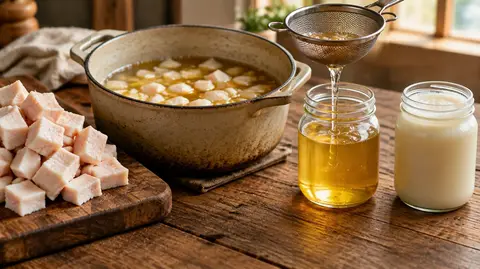
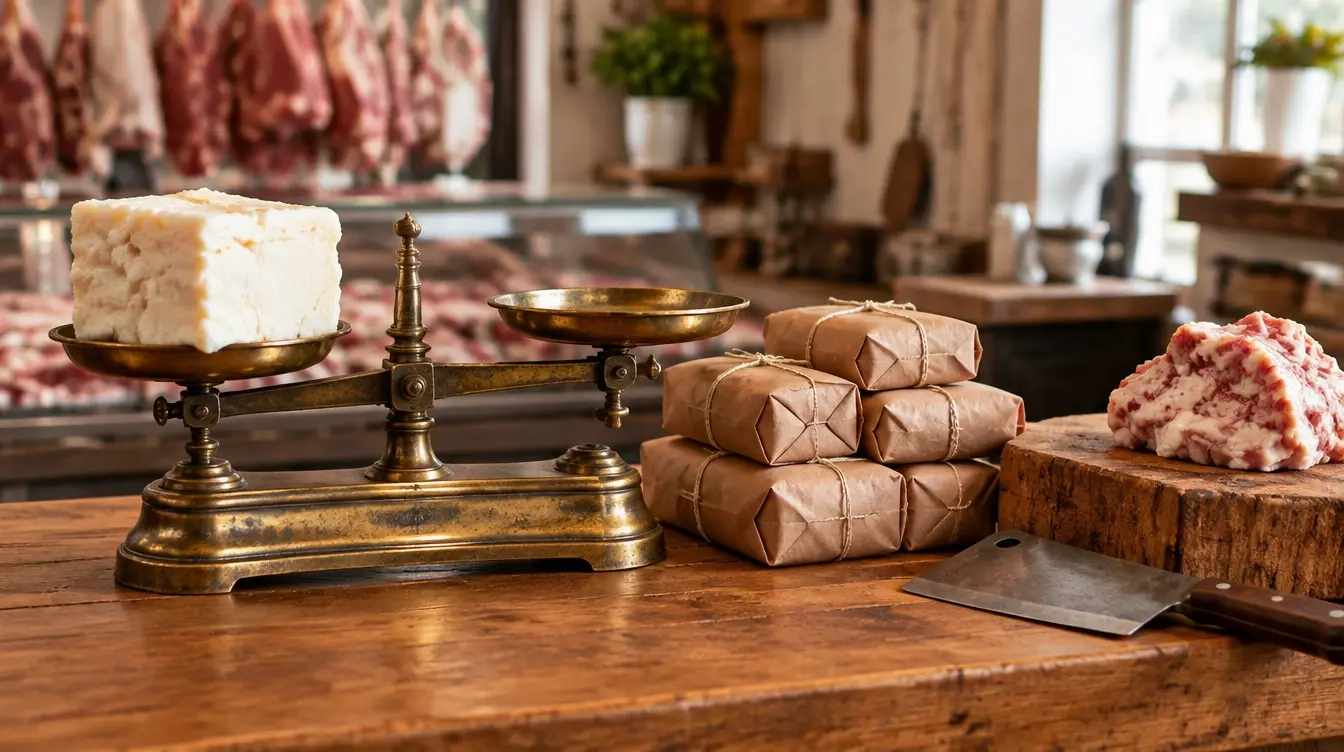
Raw suet is the unrendered fat that comes off a beef carcass during butchering, mostly from around the kidneys. It is not tallow yet. You take it home, render it down in a low oven or slow cooker, strain the liquid fat, and let it solidify into the white, mild-smelling tallow you can cook with.
The yield is about 70 to 80 percent. Two pounds of raw suet renders into roughly 1.4 pounds of finished tallow. So real-world rendered cost works out to about $2 to $4.50 per pound of usable tallow if you do the work yourself.
This tier is the cheapest way to get high quality tallow into your kitchen, but it is also the most labor-intensive. A small batch takes about three hours, most of which is hands-off. The smell during rendering is real, and not everyone is okay with it filling the house for an afternoon.
If you go this route, ask your butcher for grass-fed kidney suet specifically. Trimmings from around the steaks will work but produce a softer, less stable tallow with a slightly more meaty flavor.
Tier 2: Grocery Store Rendered Tallow
Price tier: $$$ per pound.
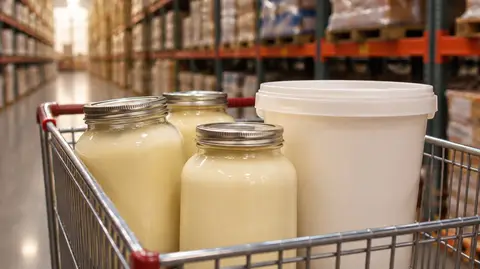
This is the jar on the shelf at a regular supermarket or natural foods store. Brands like EPIC, Fatworks, and a few smaller players sell 11 oz to 14 oz jars. Because the jar is under a pound, the per-pound cost is several times what rendering your own costs. Multi-packs at Costco and Walmart bring it down. Check current prices, since grocery jars go on sale often.
What you are paying for is the convenience and the brand standards. The tallow is already rendered, strained, packaged in a glass jar, and certified to a sourcing claim of some kind. The quality is reliably good. The cost per pound is about 4 to 7 times what you would pay rendering it yourself.
This is the tier I recommend for someone who is not sure yet whether they will stick with tallow. Buy one 11 oz jar, cook with it for a month, and decide if you want to commit to a larger volume.
Tier 3: Specialty Premium
Price tier: $$$ to $$$$ per pound.
This is the tier that wagyu tallow, US Wellness Meats, and small farm direct-ship operations occupy. The defining features are a specific sourcing story (a named farm, a wagyu lineage, grass-finished or regenerative claims) and small-batch processing. A5 Japanese wagyu tallow sits at the very top; see our A5 wagyu tallow guide.
You are paying for that story. Whether cooking performance is meaningfully better than tier 2 depends on the product. Wagyu tallow does taste different (more buttery) and is worth the premium for searing, finishing, and popcorn; see best wagyu beef tallow. A small-farm grass-fed tallow will taste close to a grocery jar in an ordinary fry.
South Chicago Packing’s 42 oz wagyu tub is an exception on price: because the container is large, it often costs less per pound than a small grass-fed jar.
Tier 4: Bulk Online
Price tier: $$ per pound.
The 4 to 8 pound tubs on Amazon and from a few regional producers sit here. Per pound, a 4 lb tub of 100% Pure Grass-Fed Beef Tallow or Cornhusker Kitchen’s 7.5 lb grass-fed tub is materially cheaper than buying the same weight in 14 oz grocery jars. Brandt’s 4 lb tub is another option, and its 50 lb cube goes lower still for restaurants. Our bulk beef tallow guide compares them.
For DIY projects (candles, soap, body butter, deodorant), this is the tier that makes the project economics work. A 4 lb tub makes about eight 8 oz candles or a year’s worth of body butter for one person.
For soap and candles specifically, the Traverse Bay 32 oz tub is one of the lowest-cost options per pound. It is deodorized and sold by a bath-and-body supplier as a soap ingredient, so it belongs in the craft cupboard, not the kitchen.
Tier 5: Cosmetic Grade
Price tier: the highest per pound, sold by the small jar.
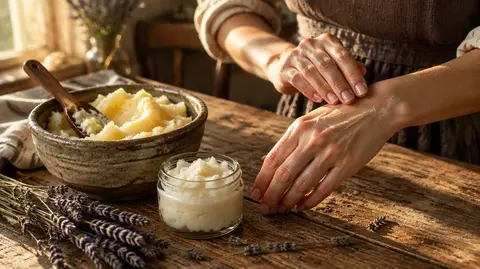
This is the tier labeled “tallow balm,” “tallow moisturizer,” or “cosmetic-grade tallow.” It is rendered tallow, often with added ingredients (honey, beeswax, olive oil, or essential oils in some formulations), packaged in 2 to 8 oz jars for face and body use.
The per-pound math looks extreme here, but you are not buying a pound. You are buying a finished cosmetic product, and per jar, many tallow balms cost about the same as or less than department-store face creams. Within the tier, 4 oz jars usually cost less per ounce than 2 oz jars; see our cheap beef tallow guide for a comparison by jar size.
Per-State Price Variation
Where you live changes the bottom-tier price more than any other variable.
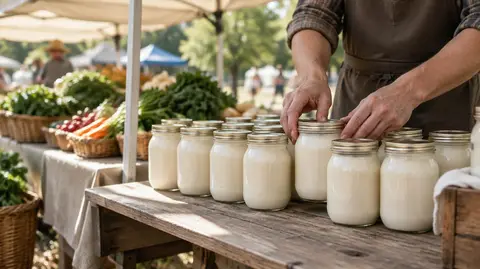
Cheaper: Texas, Nebraska, Iowa, Kansas, Oklahoma, Missouri. These are the top cattle-producing states. Suet at the butcher counter runs $1.50 to $2.50 a pound, and local rendered tallow at farmers markets typically tops out around $10 a pound. The Texas buying guide, Nebraska guide, and Iowa guide cover the specific butchers and ranches I recommend in those states.
Moderate: Colorado, Montana, Tennessee, Virginia, Pennsylvania. Suet $2 to $3 a pound. Local rendered tallow $10 to $14. Plenty of small-farm options direct to consumer.
More expensive: California, New York, Florida, Oregon, Washington. Suet when you can find it runs $3 to $5 a pound. Local rendered tallow at farmers markets and natural grocers starts at $14 a pound and goes up. Premium-only is the norm in most of these markets. The California guide and New York guide cover the workable options in those states.
The differential is mostly about cattle proximity, processing capacity, and the willingness of butchers to set aside suet for retail. In Texas a butcher who breaks down whole sides every week sees suet as a low-value byproduct and prices it accordingly. In California a butcher who buys broken-down primal cuts from a distributor often does not have suet to sell, so the local market depends entirely on rendered jars at retail.
If you live in a high-price state, the bulk online tier is the move. Shipping a 4 pound tub is usually cheaper than buying the same weight in grocery-store jars. For in-person options near you, see where to buy beef tallow near me.
Comparing Tallow To Other Cooking Fats
Compare by usable cup of fat, not by raw pound. A pound of tallow is about 2 cups of pure fat. Butter is about 80% fat, the rest water and milk solids, so a pound yields a little less cooking fat than a pound of tallow.
| Fat | Relative cost per cup of cooking fat |
|---|---|
| Tallow rendered from butcher suet | $ (the cheapest cooking fat you can make) |
| Tallow, bulk tubs online | $$ |
| Butter, grocery store | $$ |
| Extra virgin olive oil, good quality | $$-$$$ |
| Tallow, small grocery jars | $$$ |
| Ghee | $$$ |
Bulk tallow lands in the same range as butter and good olive oil. Small jars are the expensive way to buy it, and rendering your own is the cheapest. For cooking comparisons, see beef tallow vs butter and beef tallow vs olive oil.
When Premium Is Worth It
The cosmetic and specialty tiers are worth the price in two specific situations.
Skincare. If you are not going to make your own balm, a finished product is worth paying for, because texture, scent, and formulation are what you notice every day. Grass-fed tallow has a somewhat different fatty acid profile, but there is no good clinical evidence that grass-fed tallow works better on skin than conventional, so pay for a formula you like rather than for sourcing claims. The Terra Lotus Organic Tallow Balm and the Amallow Unscented Whipped Tallow Balm are the two options I keep coming back to.
For a minimal formula, Santa Cruz Paleo uses three ingredients (tallow, beeswax, and honey). The Amallow Clean Cloud is the lightest of the whipped options, for people who think tallow will feel too heavy on their face.
Daily eating. If you cook with tallow every day, grass-finished sourcing matters more than it does if you fry once a month, since grass-finished beef fat carries somewhat more omega-3 and CLA. The absolute amounts are small, so treat it as a preference, not a necessity. For daily eaters, see best beef tallow for carnivore and keto.
When Budget Is Fine
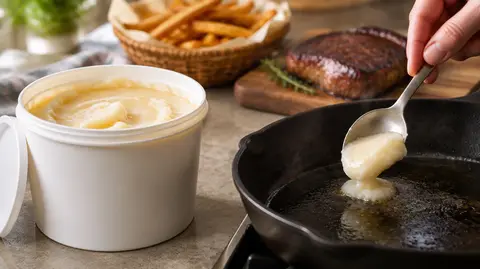
Tier 1 and tier 4 tallow perform the same for high-heat cooking. Grass-finishing does not change the smoke point in any practical way (around 400°F for well-filtered tallow), and performance in a fryer or cast iron skillet is the same.
For:
- Deep frying french fries
- Sealing a cast iron pan
- Soap base
- Candle wax
- Leather conditioning
- Wood polish
Buy the cheapest clean tallow that fits the job: a food-grade tub like Cornhusker Kitchen’s for the fryer and skillet (see beef tallow for frying), and Traverse Bay 32 oz for soap, candles, and other non-food projects.
Frequently Asked Questions
Why is grocery store tallow so much more expensive than rendering it at home?
You are paying for the rendering labor, the strain step, the glass jar, the distribution, the brand quality control, and the grocery store markup. The actual fat is the same fat. The work and packaging are the cost.
Is wagyu tallow really worth twice the price of regular grass-fed?
For finishing applications (sear, popcorn, sauce), yes. The flavor is meaningfully milder and more buttery, and the small amount of wagyu you use to finish a steak or pop a bowl of corn justifies the per-pound cost. For deep frying or general cooking, no. The flavor differential disappears at high heat.
How much does shipping add to bulk tallow online?
Many 4 pound tubs on Amazon ship free with Prime. Direct-from-farm orders often add a separate shipping charge, which makes farm-direct most competitive on larger orders such as gallon pails. Compare the delivered price per pound.
Can I freeze tallow to extend shelf life?
Yes, and you should if you buy in bulk. Rendered tallow keeps about a year at room temperature in a sealed jar, two years in the fridge, and indefinitely in the freezer. I freeze 1 cup portions in muffin tins and pop them into a freezer bag.
What is the cheapest way to get a year’s supply of tallow?
Find a local butcher who sells grass-fed suet by the pound, buy about 15 pounds, and render it over a weekend in two or three batches. At a typical 70-80% yield, you end up with 11 to 12 pounds of finished tallow, usually for less than half the cost of any other route. See how to render beef tallow. The Texas, Nebraska, Iowa, and Kansas guides include butchers who will sell suet at this kind of price.
Is there ever a reason to pay tier 5 prices for cosmetic-grade tallow?
Yes, if you are not going to make your own. A finished tallow balm in a 4 oz jar is the easiest way to get tallow onto your face, and the price per jar is competitive with drugstore face creams that contain ingredients you cannot pronounce. The Terra Lotus and Amallow Unscented jars are what I recommend most often to people who do not want to DIY.
Bottom Line
A fair price for beef tallow depends on what you are doing with it. For daily cooking and DIY, the bulk tub tier is the right target; the grass-fed 4 lb tub is the workhorse I keep buying. For skincare, a finished balm is fair value compared with beauty-brand creams. For the absolute lowest cost, render your own from butcher suet in a cattle-heavy state.
If a grocery jar is your only local option, that price is fair for the convenience, but you can do better online once you commit to a bigger volume. Use the state-by-state buying guide to find local sources near you, and the where to buy near me hub for the broader sourcing strategy.
A pound of tallow lasts a serious cook about a month, whichever tier it came from.
Explore more tallow guides
Browse our collection of recipes, comparisons, reviews and DIY tutorials.
View all guidesKing Tallow is reader-supported. We research and test the products we recommend, and when you buy through links on this page we may earn a commission at no extra cost to you. See our affiliate disclosure.
Published · Last updated