

This post contains affiliate links. We may earn a commission if you purchase through these links, at no extra cost to you.
I have answered this question more times than almost any other reader email. Tallow and suet are not the same thing, but they are not entirely different things either. They have a parent-child relationship, and once you understand it, the recipe substitutions become obvious and the UK-vs-US confusion goes away.
This is the short, clear breakdown of what each one actually is, why the words get mixed up, when a recipe matters and when it does not, and how to turn raw suet into shelf-stable tallow yourself.
The Definitions
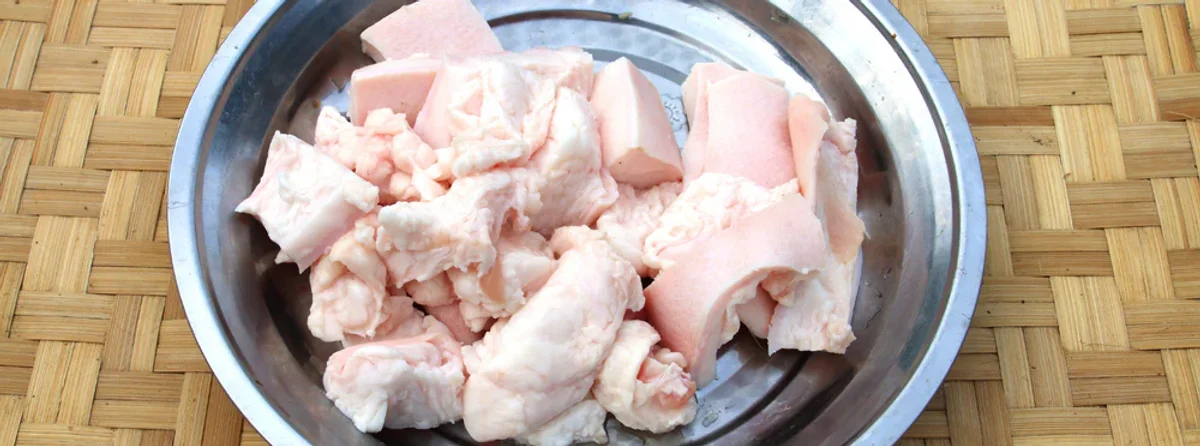
Suet is raw beef fat. Specifically, it is the hard, dense fat that surrounds the kidneys and loins of cattle. It is white, crumbly, and stable enough to be used as-is in some traditional recipes. It has not been processed.
Tallow is suet (or other beef fat) that has been rendered. Rendering means heating the raw fat slowly so the fat melts out of the connective tissue, then straining and cooling the liquid fat into the white, shelf-stable solid we recognize as cooking tallow.
The simple way to think about it: suet is the raw material. Tallow is the finished product. Every jar of tallow started as suet (or trim fat). Not every piece of suet ends up as tallow.
I covered this in shorter form in my beef suet vs beef tallow difference post, but this version goes deeper into the naming history and the substitution rules.
Why the Names Confuse People
There are three reasons people mix these up.
First, the words came from the same language family at the same time. Suet comes from the Old French “suif” and English “sewet,” both meaning hard animal fat. Tallow comes from Middle English “talow,” which also meant rendered animal fat. The two have always referred to similar substances and the boundary between them has always been a little fuzzy.
Second, UK and US naming diverged. In modern British cookery, “suet” is the standard word for both raw and rendered beef fat, with “tallow” used mostly for non-edible applications (candles, soap, leather). A British steak and kidney pudding recipe calls for “suet” and the cook would not distinguish between raw and rendered. In American cookery, “tallow” became the standard word for edible rendered beef fat, and “suet” is reserved for the raw form (often the bird-feeding kind sold in cakes).
Third, modern packaging blurs the line. Some American brands sell “rendered suet” as a product distinct from “tallow,” even though chemically the two are identical if both are rendered from the same source. Other brands sell “kidney suet tallow” to imply premium leaf-fat source. The marketing has not helped the confusion.
When the Recipe Actually Cares
A British steak and kidney pudding calls for shredded suet that gets mixed into a dough. The texture of raw, shredded suet is part of the recipe. It melts during steaming and creates pockets of fat that produce the characteristic crumbly-yet-rich result. You can substitute rendered tallow but you lose the texture. Grate frozen tallow and you get closer to the original effect.
A British Christmas pudding works the same way. The suet shreds carry the steam through the dense fruit batter and prevent it from going gummy.
For most American recipes that call for “tallow,” rendered tallow is required. You cannot substitute raw suet because the connective tissue will not break down properly in a hot pan. You will get a chewy, gristly result.
The rough rule:
- Recipe calls for suet, you have tallow: freeze the tallow, grate it, use the grated tallow.
- Recipe calls for tallow, you have suet: render the suet first into tallow, then use.
- Recipe calls for “beef fat” without specifying: rendered tallow is the safer default in modern cooking.
For a deeper exploration of UK-style cooking applications I wrote about beef dripping vs beef tallow, which is the closest related topic since dripping is a third UK term that adds to the confusion.
What Raw Suet Looks Like
If you have never seen raw suet, it is the bright white, dense, almost styrofoam-textured fat that comes from around the kidneys. It is firmer than the soft yellowish trim fat from elsewhere on the animal. It crumbles between your fingers rather than smearing. It smells faintly of beef but is not strong.
The whitest, cleanest suet is called leaf fat or kidney suet. It is the prized fat for both eating and rendering because the resulting tallow is mild in flavor and very pale in color. I broke down the full anatomy of beef fat sources in my leaf fat vs back fat vs kidney fat post.
You can buy raw suet from most butchers if you ask, often for $2 to $5 per pound. It is also occasionally available frozen at health-focused grocery stores. Suet keeps in the freezer for a year or more.
How to Render Suet Into Tallow at Home
Rendering suet is one of the easiest cooking projects you can do. It takes a few hours of mostly hands-off time and yields a product that lasts months. Here is the short version. The full safety protocol is in my rendering safety post and the equipment options are covered in rendering equipment guide.
What you need:
- 2 to 5 pounds of raw suet
- A heavy-bottom pot or slow cooker
- A fine-mesh strainer and cheesecloth
- A jar or two for the finished tallow
Steps:
- Cube or grind the suet into small pieces. Smaller pieces render faster and more completely. A meat grinder makes quick work, but a sharp knife and patience work too.
- Put the suet in your pot with about a quarter cup of water to start (this prevents the bottom from scorching before the fat begins to melt).
- Heat on low. The fat will start to liquefy in 30 to 45 minutes. The water will evaporate.
- Keep at low heat (around 200 to 220 degrees Fahrenheit) for 2 to 4 hours, stirring occasionally. The connective tissue will float to the top and brown. Those bits are called cracklings. They are edible and snackable.
- When the liquid fat is clear and the cracklings have stopped releasing fat, strain through cheesecloth into clean jars.
- Cool, seal, label, refrigerate or freeze.
A pound of raw suet typically yields 12 to 14 ounces of finished tallow. The rest is water and connective tissue. Plan accordingly.
Why You Might Just Buy Tallow
Rendering is fun and rewarding. It is also messy and produces a strong beef smell in your kitchen for hours. If you only need tallow for cooking or skincare, buying a jar is faster and cheaper than you would think.
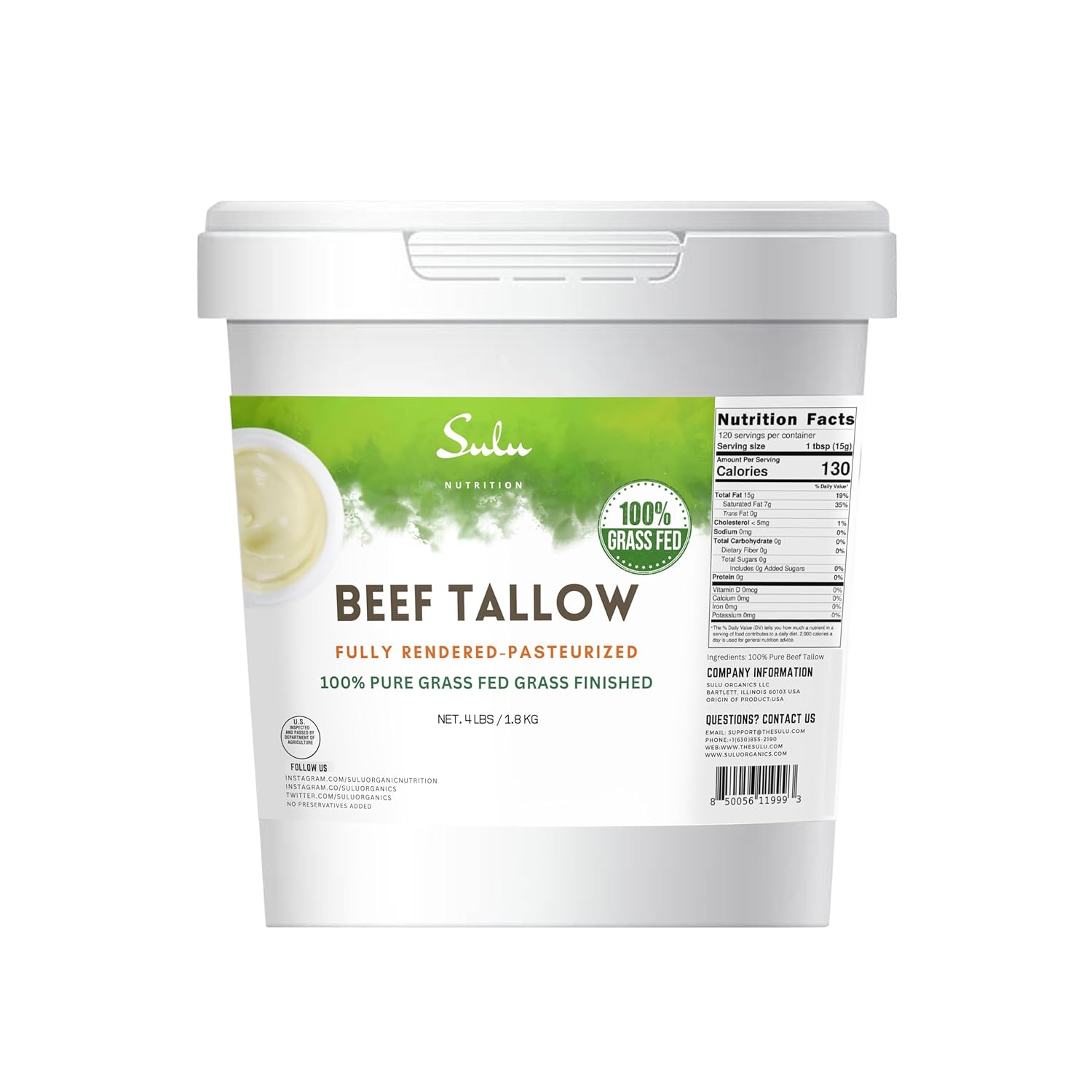
For cooking, 100% Pure Grass-Fed Beef Tallow (4 lbs) works out to about $8 per pound, which is competitive with rendering it yourself once you factor in time and the cost of raw suet.
For DIY skincare or lip balm, Traverse Bay Farms Beef Tallow (32 oz) is even cheaper per ounce and saves the rendering step.
For pre-made skincare balms where you do not want to handle the base fat at all, Amallow Unscented Whipped Tallow Balm or Vanman’s Tallow Balm are ready to use.
The Suet Cake Confusion
A note on the suet you see at hardware stores and garden centers. Those white blocks marketed as “suet” for wild birds are usually a mix of rendered beef fat, seeds, and sometimes peanut butter. They are not the raw kidney suet a British baker uses. The bird food version is closer to a hardened cake of tallow with stuff mixed in.
This is one of the reasons American suet recipes from the UK can be confusing. The British home baker grates raw suet from the butcher. The American home cook hears “suet” and pictures the brick of bird food. Two completely different products with the same name.
Frequently Asked Questions
Can I eat raw suet?
Technically yes in small amounts (it is used raw in some traditional recipes like Christmas pudding). The texture is dense and waxy and most people do not enjoy it raw. The traditional use is grated or shredded into a recipe that gets cooked, where the fat then melts during cooking.
Is suet better for cooking than tallow?
For most cooking, rendered tallow is better because the connective tissue is removed and the fat is clean. For specific traditional UK baking recipes, raw shredded suet is required. For everything else, tallow.
Can I render any beef fat into tallow?
Yes. The renderable fat sources include leaf fat (around kidneys), back fat, trim fat from butchering, and the fat cap on a roast. The cleanest tallow comes from the cleanest source fat. The full source-by-source comparison is in leaf fat vs back fat vs kidney fat.
Does suet have more flavor than tallow?
Tallow concentrates the beef flavor because the water and connective tissue are removed. Suet has the same flavor compounds but they are diluted by the structural matter. In a finished dish, well-rendered tallow tastes slightly more beefy than the equivalent weight of suet.
How long does suet last?
Raw suet keeps a week in the fridge, a year or more in the freezer. Rendered tallow keeps 6 to 12 months refrigerated, several years frozen. Detailed numbers are in my shelf life guide.
What is dripping then?
Dripping is the British term for the fat (and meat juice solids) that drips off a roast as it cooks. It is technically a rendered beef fat with some additional flavor compounds from the roasting. It is closer to tallow than to suet. The detailed comparison is in beef dripping vs beef tallow.
Bottom Line
Suet is the raw material. Tallow is the rendered product. UK cookery uses “suet” for both more often, US cookery distinguishes the two. If your recipe calls for one and you have the other, freeze and grate tallow for suet substitutions, or render suet into tallow for the reverse.
For most cooking and skincare uses, buying a jar of finished tallow like Grass-Fed Tallow or Traverse Bay is faster than rendering your own. For traditional UK baking that depends on the texture of raw suet, source the raw fat from a butcher and skip the rendering step. Both have their place, and once you know which is which, the recipe always tells you what to do.