

Leaf Fat vs Back Fat vs Kidney Fat: Which Makes the Best Tallow?
Independent reviewAnatomical breakdown of beef fat sources. Yield, color, flavor, and best use for leaf fat, kidney fat, back fat, and trim fat, with which one to render for what purpose.

This post contains affiliate links. We may earn a commission if you purchase through these links, at no extra cost to you.
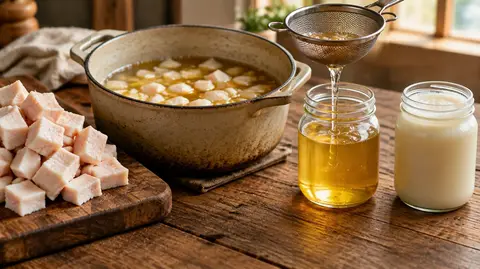
I started caring about which fat I was rendering after I made two batches of tallow back to back from different cuts and got two totally different products. The first batch was pale, mild, perfect for skincare. The second was tan, beefy, ideal for frying steak fries. Same animal. Same rendering protocol. Completely different output because I had used different fat sources.
This is the breakdown I wish I had on day one. Below is the anatomy of where each fat comes from, what color and flavor profile to expect, the yield difference, and the best use for each.
The Four Main Beef Fat Sources
When a cow gets butchered, the fat comes off in four general categories. Each one has different characteristics and a different best use.
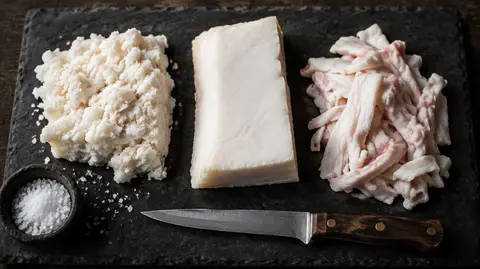
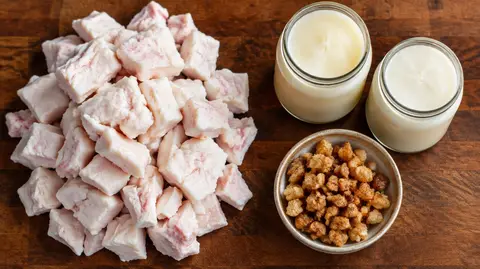
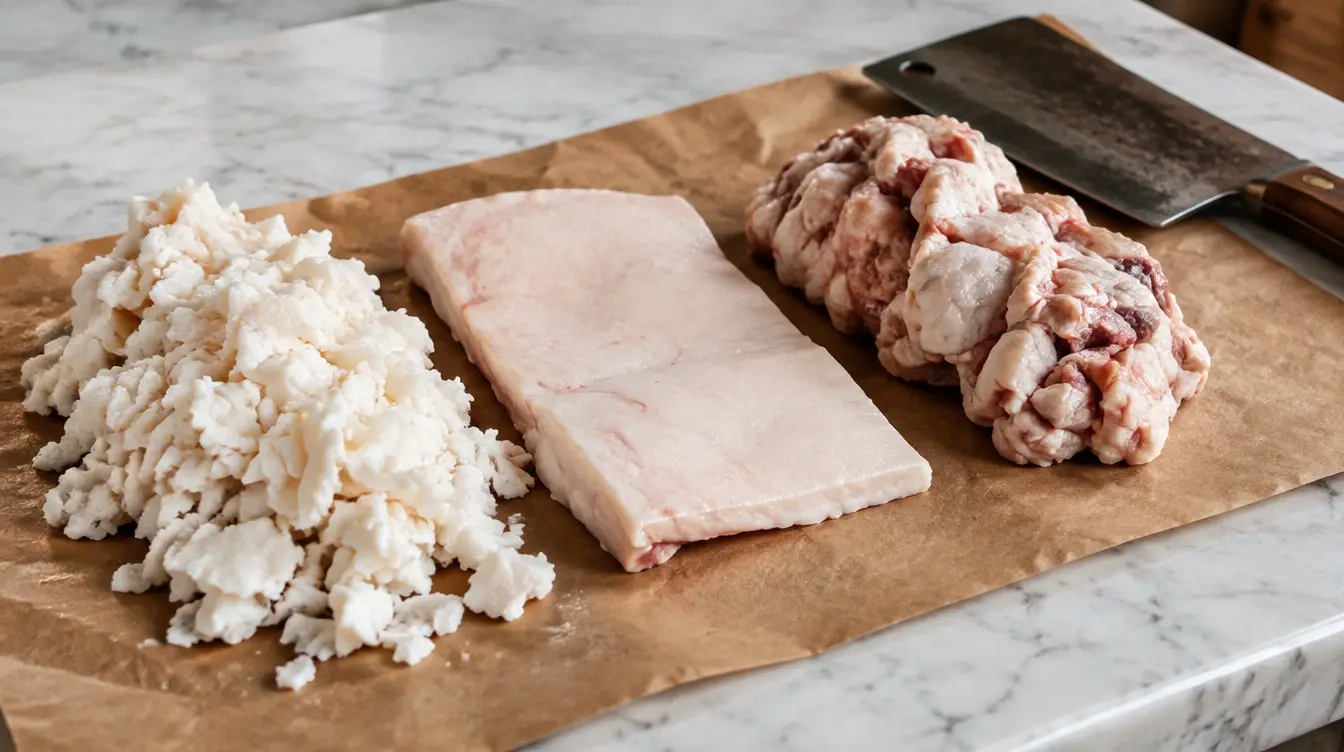
Leaf fat. The thin, sheet-like fat that surrounds the kidneys and stretches across the inside of the abdominal cavity. It is the cleanest, whitest, densest fat on the animal. It has almost no connective tissue or meat fragments mixed in. It is the prized fat for both eating raw (in traditional British puddings) and rendering for delicate applications.
Kidney fat. The fat directly surrounding the kidneys, which is often gathered together with leaf fat and sold together as “kidney suet” or “leaf and kidney.” Kidney fat is slightly denser and may have small flecks of organ tissue but is essentially interchangeable with leaf fat for rendering purposes. Most butchers do not separate them and most home renderers treat them as one source.
Back fat. The thick subcutaneous fat layer along the back and sides of the animal. It is the fat cap on a ribeye and the layer above the spinal cord. It is softer than leaf fat, has more visible connective tissue, and carries more flavor compounds. Color is creamier and slightly yellower than leaf fat, especially on grass-fed cattle.
Trim fat. The mixed fat that comes off during butchering when a butcher trims a primal cut down to retail steaks and roasts. It is a blend of subcutaneous fat, intramuscular fat, and seam fat. It contains the most connective tissue and the most muscle fragments. It is the cheapest beef fat by a wide margin because it is essentially a byproduct.
There are minor categories beyond these (caul fat, mesenteric fat, organ fat) but they are not commonly used for tallow rendering at home.
Color Differences
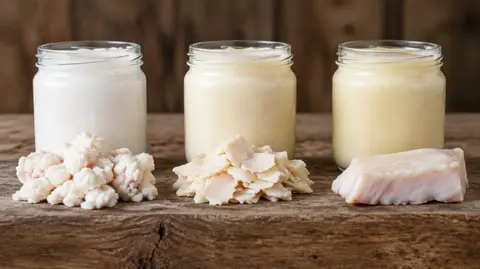
The color of finished tallow tells you exactly what source it came from, and I covered the full color chart in my beef tallow color guide. The short version for source identification:
- Leaf fat tallow: pure white, almost paper white when freshly rendered and cooled. Some grass-fed leaf fat has a faint cream tint.
- Kidney fat tallow: essentially identical to leaf fat tallow, with possibly a slightly warmer cream tone if any organ tissue made it through.
- Back fat tallow: off-white to cream, sometimes with a yellow tint on grass-fed cattle (the beta carotene from grass).
- Trim fat tallow: tan, beige, or brown depending on how much meat and connective tissue was in the trim. Often the darkest of the four.
The relationship is straightforward. The cleaner and more isolated the fat source, the whiter the tallow. The more mixed and meaty the source, the darker.
Flavor Profile
Leaf fat and kidney fat render into nearly flavorless tallow. There is a faint clean beef note when heated but nothing aggressive. This is why these are the preferred sources for skincare (you do not want a beefy face cream) and for delicate baking (you do not want pie crust to taste like beef).
Back fat renders into a tallow with a clear, clean beefy character. Not aggressive, but present. This is the fat that gives the classic steakhouse cooking smell when you melt it in a hot pan. It is excellent for cooking applications where you want the beef character to come through, like roasting potatoes or making steak fries.
Trim fat renders into the most aggressively beefy tallow. The high connective tissue content means more browning and more Maillard compounds. The flavor is rich, sometimes verging on funky. It is the best tallow for deep frying because it carries flavor into whatever you fry, and it is excellent for replacing seed oils in a chicken fry batter where you want some character.
Yield Differences
Pound for pound, the yield differs based on how much non-fat material is in the source.
Leaf fat: roughly 90 to 95% yield. A pound of raw leaf fat gives you about 14.5 oz of finished tallow. There is almost nothing to render out.
Kidney fat: roughly 85 to 92% yield. Similar to leaf fat with slightly more connective tissue.
Back fat: roughly 75 to 85% yield. The connective tissue between the fat and the muscle reduces the yield. A pound of back fat gives you about 12 to 13.5 oz of tallow.
Trim fat: roughly 60 to 75% yield. A pound of trim fat may give you only 10 oz of finished tallow. The rest is meat scraps, connective tissue, and water. The cracklings from trim fat are the best snack, though.
This yield math matters when you are buying raw fat to render. Trim fat at $2 per pound and leaf fat at $5 per pound is not as different as the sticker prices suggest, once you account for the yield difference.
The full rendering protocol I use is in my rendering safety and best practices post, with equipment options in the rendering equipment guide.
Best Use for Each
The matchups I have settled on after rendering each source multiple times.
Leaf fat or kidney fat: skincare and delicate baking.
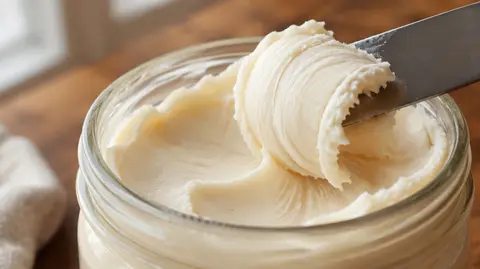
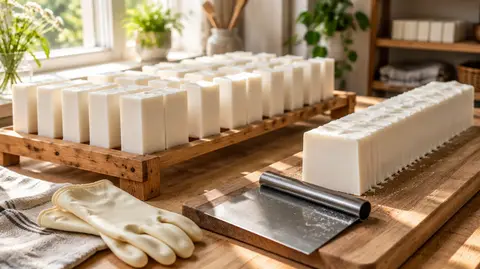
This is the fat to render for tallow balm, body butter, face cream, lip balm, soap, and any application where flavor is undesirable. The pure white color makes it look professional. The mild flavor means it works in pie crust without imposing on the filling.
If you are buying pre-made tallow for skincare, you are essentially buying leaf-fat-derived tallow. The clean white color and neutral scent of jars like Amallow Unscented Whipped Tallow Balm and Santa Cruz Paleo Beef Tallow Moisturizer is what leaf fat does to a finished balm.
For DIY skincare bases where you want the cleanest possible starting material, the Traverse Bay 32 oz is deodorized leaf-and-suet rendered tallow that runs at a budget price.
Back fat: general cooking and roasting.
This is the fat for everyday kitchen use. Roasting potatoes, sauteing vegetables, finishing steaks, making the base for stews. The clean beefy character adds to a dish without overwhelming it. The slightly softer texture makes it easier to scoop and melt into a hot pan.
Most commercial cooking tallow is back fat or a back-fat-heavy blend. The 100% Pure Grass-Fed Beef Tallow (4 lbs) is the workhorse cooking jar I keep refilled.
Trim fat: deep frying and high-flavor cooking.
This is the fat for fries, fried chicken, and high-heat applications where you want flavor and you are not worried about a clean color. McDonald’s famously used a beef-tallow blend (closer to trim-fat profile than leaf-fat) in their fryers before switching to seed oils in the 1990s. My McDonald’s-style tallow fries recipe gets into the application.
Mixed: most commercial tallow.
Most jars sold as “beef tallow” are a blend of multiple fat sources. This is fine for most uses. If you want a specific use case (very clean skincare, very flavorful frying), look for source-identified tallow.
What to Ask the Butcher
If you are buying raw fat to render at home, the words to use:
- “Do you have leaf fat or kidney suet?” (cleanest, best for skincare)
- “Can I get a few pounds of back fat?” (best for cooking)
- “Do you sell beef trim for rendering?” (cheapest, best for frying)
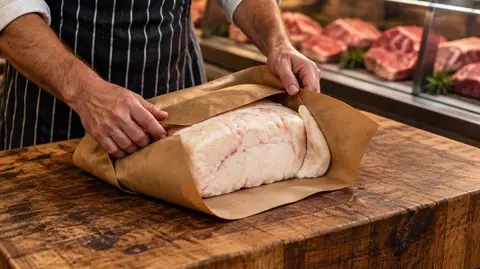
Most butchers are happy to set aside fat for home renderers. Call ahead. Prices typically range from $2 per pound for trim fat to $5 to $8 per pound for leaf fat or kidney suet.
If you are buying frozen fat from a grocery store, the labels usually only say “suet” without specifying which part. The white, dense, crumbly blocks are usually leaf or kidney fat. The yellower, softer pieces are usually trim or back fat.
I went through the broader question of which form to start with in beef tallow vs suet explained, which is the companion piece to this anatomy guide.
Mixed Source Strategy
For most home renderers who want to make their own tallow but only want to do it once or twice a year, my recommendation is to render two batches with different sources.
Batch A: 3 to 4 pounds of leaf fat or kidney suet. Render into jars for skincare and DIY balms. Use for body butter, face cream, lip balm, and soap.
Batch B: 5 to 10 pounds of back fat or mixed trim. Render into jars for cooking. Use for roasting, frying, and seasoning cast iron.
Two clean batches with different best uses, rather than one mixed batch that is mediocre at both jobs.
Frequently Asked Questions
What is the difference between leaf fat and suet?
Suet is a general term that usually refers to any hard beef fat (especially around the kidneys). Leaf fat is a specific term for the sheet-like fat that lines the abdominal cavity. In practice the words get used interchangeably, especially in the US where “suet” is often sold as a mix of leaf and kidney fat together. The full breakdown is in beef tallow vs suet explained.
Which fat makes the best tallow for skin?
Leaf fat or kidney suet, rendered low and slow, strained well. The resulting tallow is the whitest, most neutral, and least likely to carry beefy compounds onto the skin. Most premium skincare brands like Amallow and Santa Cruz Paleo source leaf fat for this reason.
Can I render mixed fat at home?
Yes, and most home renderers do because the butcher gives you what they have. The result is a mid-color, mid-flavor tallow that works for most cooking applications but is not ideal for skincare. If you have a specific use case, ask for a specific source fat.
How much fat do I need to make a year’s worth of tallow?
Depends on use. For a household that cooks with tallow daily, plan on 15 to 20 pounds of raw fat per year (yielding 12 to 18 pounds of tallow). For skincare-only use, 2 to 3 pounds of leaf fat goes a long way.
Does grass-fed source change the fat differences?
Grass-fed cattle have more beta carotene in their fat, which gives the finished tallow a slightly yellower tint regardless of source. The taste is mildly different (slightly nuttier). The structural differences between leaf, back, and trim fat are the same. The full grades-and-quality breakdown is in beef tallow grades and quality standards.
Is wagyu fat different in this anatomy?
Yes. Wagyu cattle have higher intramuscular fat content (marbling) and a different fatty acid profile, which makes their trim and back fat more oleic-acid heavy than standard beef. The leaf fat is similar to other breeds. For more on wagyu specifically see my Bear and Burton’s wagyu review and the A5 wagyu tallow guide.
Bottom Line
Leaf fat and kidney fat make the cleanest, whitest, mildest tallow. Use these for skincare, DIY balms, and delicate baking. Yield is high at 90% or above.
Back fat makes a versatile cooking tallow with a clean beefy character. Use this for roasting, sauteing, and finishing steaks. Yield is around 80%.
Trim fat makes the most flavorful, darkest tallow. Use this for deep frying and high-heat applications where flavor is welcome. Yield is around 70% but the source fat is cheapest.
If you want one all-purpose jar without doing the rendering math, buy 100% Pure Grass-Fed Beef Tallow (4 lbs) for cooking and the Amallow Unscented Whipped Tallow Balm for skin. Those two cover the use cases that the leaf-fat and back-fat split would address if you were rendering at home.
Explore more tallow guides
Browse our collection of recipes, comparisons, reviews and DIY tutorials.
View all guidesKing Tallow is reader-supported. We research and test the products we recommend, and when you buy through links on this page we may earn a commission at no extra cost to you. See our affiliate disclosure.
Published