Skip to content
King TallowKing Tallow
Southwest Region

Where to Buy Beef Tallow in Arizona

Arizona has a 400 year ranching tradition rooted in Spanish colonial cattle and modern regenerative desert grazing. The Old Town Scottsdale and Phoenix Public Market farmers markets stock grass-fed tallow seasonally. Date Creek Ranch and Crooked Sky Farms supply the regional grass-fed scene. Expect $4 to $7 per pound for raw suet and $11 to $16 per pound for rendered tallow, slightly higher than the cattle-belt states due to limited local processing.

Last updated May 26, 2026 by Miles Carter

Cattle ranking
#16 nationally with roughly 920,000 head
Head of cattle
920,000 cattle and calves (2026 USDA NASS estimate)
Typical $/lb
$11 to $14 per pound finished, $4 to $7 per pound raw suet
Best months
November through March, the cool desert season when most ranches slaughter
Grass-fed
Moderate. Native desert grasses and seasonal monsoon growth support genuine grass-finishing on managed ranches. The climate is the limiting factor, not the practice.
Major cities
Phoenix, Tucson

Why Arizona matters for beef tallow

Arizona ranching predates the United States. Spanish colonial cattle arrived in the 1690s with the Jesuit missions, and the open-range tradition shaped how desert cattle are still managed today.

Desert grass-fed is real

Properly managed Arizona ranches grass-finish on a mix of native bunchgrasses (black grama, sideoats grama, blue grama, plains lovegrass) plus seasonal monsoon-fed forbs. The cattle eat differently than Midwest grass-finished animals: more shrubs, more variety, leaner muscle, and tallow with a distinct carotenoid profile that runs slightly more golden than Pennsylvania or Iowa product.

Yavapai and Cochise highlands carry the herd

The grass-finishing happens above 3,500 feet where annual rainfall reaches 16 to 20 inches and native warm-season grasses dominate. Date Creek Ranch in Wickenburg, Walking J Farm in Amado, and a handful of operations in the Sulphur Springs Valley near Willcox all run grass-finished programs feeding the Phoenix and Tucson markets.

Phoenix and Tucson food culture

Phoenix has the seventh-largest metro population in the country and a strong farm-to-table scene anchored at restaurants like Quiessence at the Farm at South Mountain. Tucson is a UNESCO City of Gastronomy and home to a deeply rooted Sonoran food tradition. Both cities create real wholesale demand for grass-fed beef and rendered tallow.

Crooked Sky and regenerative network

Crooked Sky Farms (Glendale and Duncan) anchors a regenerative-agriculture network across central and southeastern Arizona. While Crooked Sky is best known for produce, the broader network includes Date Creek, Walking J, and other meat operations that supply tallow through the same CSA-style distribution channels into Phoenix and Tucson.

Regional context

Climate

Hot desert in the low country (Phoenix, Tucson, Yuma) with mild winters; semi-arid steppe in the highlands; cool montane climate in the White Mountains and Mogollon Rim. Monsoon rains July through September drive a second forage flush that makes desert grass-finishing viable.

Terrain

Sonoran Desert (cactus, mesquite, palo verde) in the south and west, transitioning through Sky Islands and grass plateaus to ponderosa pine and aspen in the high country. Cattle move seasonally between low-country winter range and high-country summer pasture.

Feed practices

Native-range grazing dominates. The largest commercial finishing operations in Pinal County (Five Rivers, Cactus Feeders) finish on grain rations and supply the national market rather than the local one. For local tallow, look for ranches that grass-finish on managed native range; the practice is documented and verifiable.

In-state rendering

Most Arizona grass-fed tallow is wet-rendered at small Arizona Department of Agriculture-inspected facilities or rendered by the consumer at home from purchased suet. The desert climate is naturally favorable for rendering: low humidity means less water to drive off and a longer shelf life for the finished product.

Where to buy beef tallow in Arizona

1

Local butchers and meat markets

Schreiner's Fine Sausages (Phoenix, since 1955), Hobe Meats (Tucson and Phoenix), Heritage Provisioner (Phoenix), and Western Beef Sales (Avondale) all carry beef fat trim and suet on request. The Meat Shop in Camp Verde supplies grass-finished from Verde Valley ranches. Call ahead for leaf or kidney fat by name; in Arizona this is more often a custom-order than a counter staple.

2

Farmers markets

Old Town Scottsdale Farmers Market (Saturday year-round) is the strongest grass-fed beef market in the state. Phoenix Public Market (Saturday year-round, downtown Phoenix) is the second. Heirloom Farmers Markets operates four locations across Tucson (Saturday, Sunday). Sedona Farmers Market and Prescott Farmers Market both host grass-fed vendors during the cool season.

3

Ranches and direct-to-consumer

Date Creek Ranch (Wickenburg, regenerative desert grass-fed), Walking J Farm (Amado, certified organic), Double Check Ranch (Winkelman, San Pedro River Valley), AZ Grass Raised Beef (multiple Yavapai County operations), and the broader Crooked Sky Farms network all sell direct. Most run cow-share programs with quarterly pickups at Phoenix or Tucson drop-off points; on-ranch pickup is available for buyers who want a farm visit.

4

Specialty and natural grocers

Whole Foods (10+ Phoenix-area locations, plus Tucson and Sedona) stocks Epic, US Wellness, and Fatworks regularly. Sprouts Farmers Market (founded in Phoenix, hundreds of Arizona locations) carries rendered tallow at the larger stores. AJ's Fine Foods (eight upscale Phoenix-area locations) is the strongest specialty grocer for local grass-fed sourcing. Natural Grocers operates several Arizona stores with consistent national-brand tallow.

5

Online when local fails

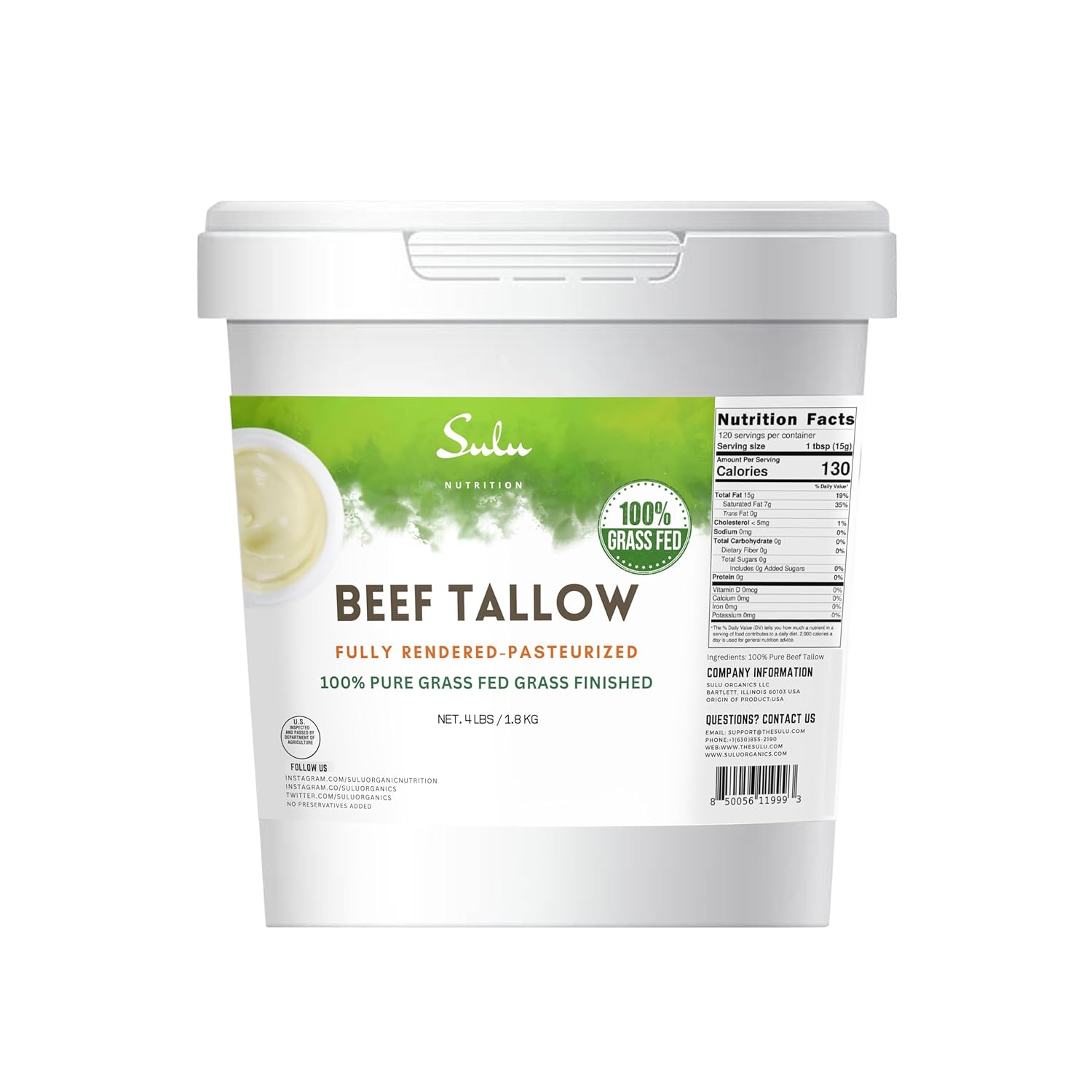
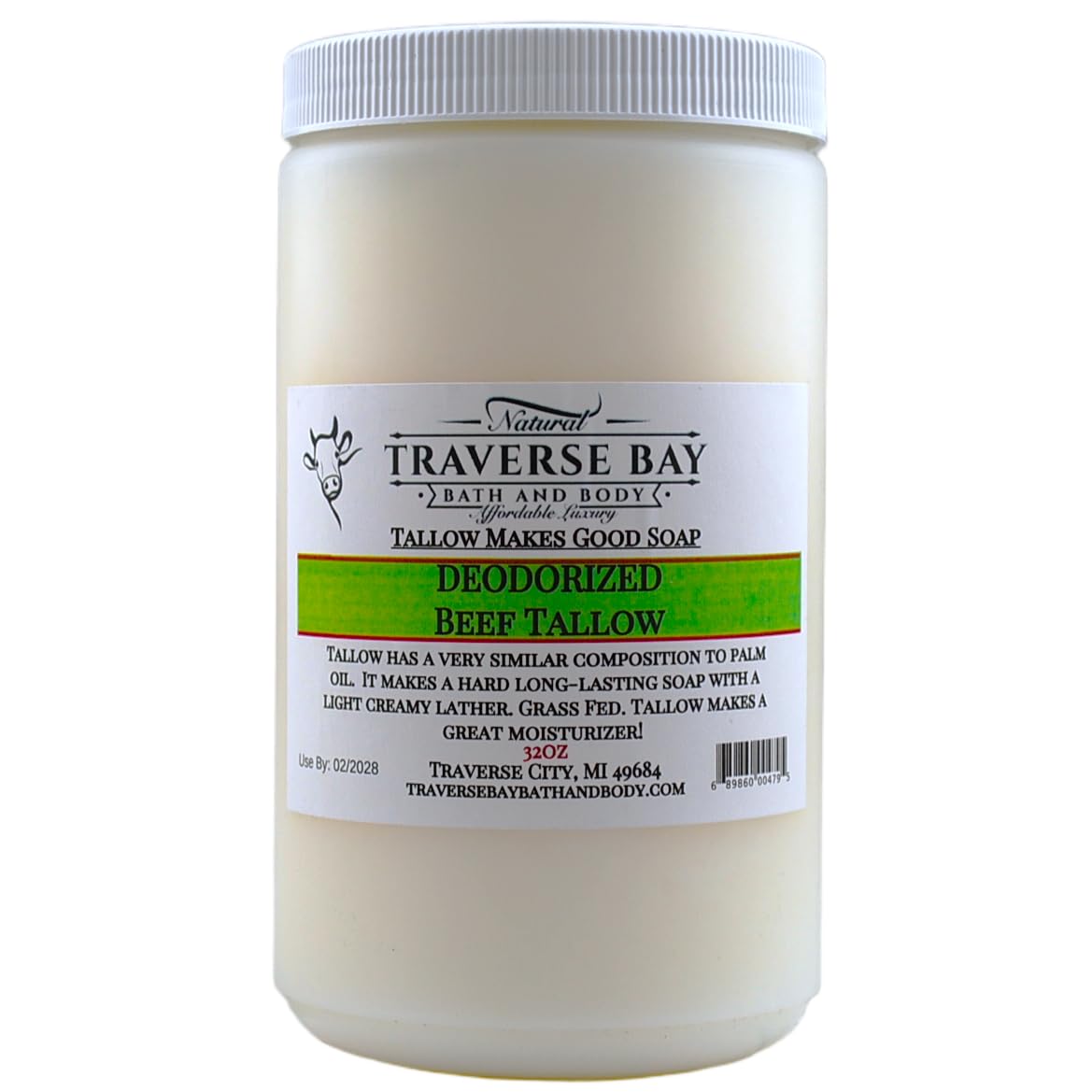
Arizona has fewer local processors than the cattle-belt states, so online is a real supplement. Order 100% Pure Grass-Fed Beef Tallow (4 lbs) for cooking and DIY, or Traverse Bay Farms (32 oz) for a deodorized budget option. Both ship to every Arizona zip in 2 to 4 days; expect cold-pack shipping in summer.

Reliable online options that ship to Arizona

We test and research the products we recommend. If you buy through these links we may earn a commission at no extra cost to you.

What to look for on the label

Arizona labels use standard USDA terminology plus a state origin program and the regional regenerative certifications. Read them carefully because grass-finishing claims vary widely.

Label What it means
Arizona Grown Arizona Department of Agriculture origin mark. Confirms in-state raising. Says nothing about feed regimen; many large grain-finished feedlot operations qualify.
100% grass-fed and grass-finished on native range The animal ate native desert grasses and forbs from weaning to slaughter. This is the specific phrasing used by Date Creek, Walking J, and Double Check. Strongest claim for desert grass-finishing.
American Grassfed Association (AGA) certified Third-party 100% forage certification. Carried by several Arizona regenerative operations. Requires zero grain, zero antibiotics, zero hormones, pasture access at all times.
Certified Organic (USDA) Required for the 'organic' claim. Walking J Farm carries this in addition to grass-finishing. Less common than in Midwest cattle states due to certification cost relative to small herd sizes.
Regenerative or Land to Market certified The Savory Institute's Ecological Outcome Verification, which measures soil health, water cycle, and biodiversity outcomes rather than inputs. A handful of Arizona ranches carry this. Strong claim for ecological practice; works alongside grass-finishing rather than instead of it.

What it actually costs in Arizona

Arizona pricing runs 20 to 40 percent above the Midwest cattle-belt states because herd sizes are smaller, processing capacity is more limited, and shipping costs to local markets are higher. Direct-from-ranch is still the cheapest route.

Tier Per pound
Raw suet from direct-to-consumer ranch $4.00 to $6.50
Raw suet from city butcher $5.50 to $8.00
Rendered tallow, grocery $11 to $14
Rendered tallow, local artisan $14 to $18
Cosmetic-grade whipped balm $48 to $90

When to buy

Arizona's seasonal pattern inverts the Midwest. Slaughter happens in the cool season (November through March) when temperatures support animal handling and dry-aging.

Winter (December to February)

Peak supply. Most ranch slaughter happens November through February. Old Town Scottsdale and Phoenix Public Market have the strongest vendor turnout. Fresh suet and fresh-rendered tallow at every weekend market.

Spring (March to May)

Strong supply continuing from winter slaughter. Pasture conditions vary by year and rainfall. Markets transition from winter snowbird crowds to local-resident shopping.

Summer (June to August)

Lowest supply. Many smaller markets pause or shift to morning-only hours due to extreme heat. Most ranches do not slaughter in summer. Frozen inventory and online ordering carry the gap. Cold-pack shipping is standard for any mail-order tallow June through August.

Fall (September to November)

Rebuilding supply. Monsoon-driven late-summer forage flush sets up the November slaughter season. Markets repopulate as temperatures drop. Cool-season produce returns; meat vendors return alongside.

Where to look outside Arizona

Arizona borders four states plus Mexico. The neighboring states all offer different sourcing strengths.

New Mexico

3 hours from Tucson to Las Cruces

Similar desert grass-finishing tradition. Several Hatch Valley and Mesilla Valley ranches sell into Arizona markets.

Try: Tucumcari Mountain Ranch, Las Uvas Valley Dairy network

Colorado

6 hours from Flagstaff to Denver

Fatworks is based in Boulder. Multiple Eastern Plains operations ship to Phoenix and Tucson at competitive prices.

Try: Fatworks (Boulder, CO), Colorado Craft Beef

Utah

5 hours from Page to Salt Lake City suburbs

Strong grass-fed scene south of Salt Lake. Several ranches in Sanpete and Sevier counties ship into Arizona Strip and Mohave County.

Try: Christiansen Family Farms, Sanpete County direct-to-consumer operations

Render it yourself

Arizona suet at $4 to $6 per pound from a regenerative desert ranch produces some of the most distinctive tallow in the country. The desert forage diet creates a slightly more golden, slightly firmer tallow with a richer carotenoid profile than Midwest grass-finished. Five pounds of suet renders to 3.5 pounds of finished tallow, putting your unit cost near $6 per pound, still half of artisan retail. Read the step-by-step rendering guide, then move on to tallow soap or face cream. The dry climate is naturally favorable: rendered tallow shelf life is noticeably longer in Arizona than in humid coastal states.

How locals cook with it in Arizona

Arizona cooking sits on two traditions: Sonoran Mexican cuisine and Southwestern cattle-ranch cooking. Tallow plays a real role in both.

Sonoran hot dog with tallow-cooked bacon

The Tucson Sonoran hot dog wraps a beef-pork dog in mesquite-smoked bacon, then griddles the whole thing on a flat-top before tucking it into a bolillo roll with pinto beans, onions, tomatoes, mayonnaise, jalapeño, and salsa verde. El Guero Canelo and BK Tacos in Tucson both finish the bacon-wrapped dog on a tallow-greased flat-top, which gives the bacon the deep brown crust and prevents sticking better than oil.

Mesquite-grilled steak with tallow basting

A traditional Arizona ranch finish: hot mesquite-coal grill, salt-and-pepper ribeye, basted every two minutes with a brush of melted desert grass-fed tallow. The tallow carbonizes on the surface and pulls a layer of mesquite smoke down into the crust. Pinnacle Peak Patio and Reata Pass (when they were open) built reputations on this technique.

Navajo fry bread alternative fat

Traditional Navajo fry bread uses lard or shortening; some Apache and Navajo home cooks substitute rendered beef tallow at a 1:1 ratio. The tallow's higher smoke point (around 420 F versus lard's 370 F) means a faster, crisper exterior with less oil absorbed into the dough. Sold at Native-run frybread stands across the reservation lands.

Chiltepin-infused tallow finishing fat

Wild chiltepin peppers grow across southern Arizona (Tumacacori, the Baboquivari mountains). Cooks at Mission Garden in Tucson and at the Native Seeds/SEARCH kitchen infuse melted tallow with dried chiltepin at a ratio of one teaspoon crushed pepper per cup of warm tallow. Strain after an hour and use as a finishing drizzle for grilled meats or beans.

Cowboy chuck-wagon biscuits

Open-range ranch tradition: biscuits baked in a cast-iron Dutch oven nested in mesquite coals, with cold tallow cut into the flour at three tablespoons per cup of flour. The technique still gets demonstrated at Wickenburg's Gold Rush Days and Prescott's Folk Arts Fair. Higher melt point of tallow versus butter means flakier layers when baked at the very high temperatures of buried-coal cooking.

Local & Regional Brands

AZ Grass Raised Beef

Double Check Ranch

Arizona Sourcing Tips

  • Phoenix has good farmers markets with local vendors
  • Southern Arizona has historic ranching communities
  • Whole Foods and Sprouts carry national brands
  • Look for Arizona Grown certified products

Major Cities in Arizona

Phoenix Tucson Mesa Chandler Scottsdale

These cities typically have the best selection of local butchers, farmers markets, and specialty stores carrying beef tallow.

Frequently asked questions

Is grass-fed tallow really available in Arizona?
Yes, more than most people expect. Properly managed Arizona ranches grass-finish on native desert grasses plus monsoon-fed forbs. Date Creek Ranch, Walking J Farm, Double Check Ranch, and a handful of operations in the Sulphur Springs Valley near Willcox all run grass-finished programs. The Old Town Scottsdale and Phoenix Public Market farmers markets are the easiest places to buy direct from these operations.
Why is Arizona tallow more expensive than Midwest tallow?
Smaller herds, more limited local processing capacity, and higher shipping costs to local markets. Arizona has roughly 920,000 head of cattle versus Iowa's 3.65 million; the per-unit infrastructure cost is higher. Expect to pay 20 to 40 percent more than Iowa or Missouri for comparable grass-finished tallow.
Does Arizona tallow taste different?
Slightly, yes. Desert-finished cattle eat a more varied diet (native grasses, mesquite pods, palo verde, monsoon forbs) than Midwest cattle on uniform pasture. The result is a tallow with a slightly more golden color, slightly richer carotenoid profile, and a marginally more complex flavor. The difference is noticeable in skincare applications and subtle in cooking.
What is the best month to buy beef tallow in Arizona?
January or February. Slaughter season peaks November through March, and by mid-winter the supply is fully stocked at farmers markets and ranch direct-pickup points. Avoid summer (June through August) when most small operations pause slaughter due to heat and many farmers markets shift to short morning-only hours.
Is Phoenix Public Market a good source?
Yes. Phoenix Public Market runs every Saturday in downtown Phoenix and hosts multiple grass-fed beef vendors during the cool season. Old Town Scottsdale Farmers Market is the deeper option; Heirloom Farmers Markets in Tucson cover the southern half of the state. Plan early morning arrivals during summer.
Can I find rendered tallow at Sprouts?
Yes, at most Arizona Sprouts locations. Sprouts was founded in Phoenix and is well-distributed across the state. Pricing runs $11 to $14 per jar (typically 7 to 11 ounces). Quality is acceptable for cooking. For skincare-grade product, check AJ's Fine Foods or the farmers markets.
What about Whole Foods in Phoenix?
Strong selection. The ten-plus Phoenix-area Whole Foods stores stock Epic, US Wellness, and Fatworks rendered tallow consistently. The Camelback Mountain and Town and Country locations have the deepest specialty-fats sections. Pricing runs slightly higher than Sprouts but with broader brand selection.
Will summer shipping damage tallow?
Without cold-pack shipping, yes. Phoenix and Tucson summer temperatures can exceed 110 F and brown-truck shipping containers can run 130 F internally. Any reputable tallow vendor ships cold-pack to Arizona zip codes from June through August. Confirm cold-pack at checkout when ordering online during these months.
Can I render tallow at home in Arizona?
Yes, and the dry climate is actually favorable. Low humidity means rendered tallow has less residual moisture, which extends shelf life. Read the rendering guide on this site; expect three to four hours of low-heat cooking for a five-pound suet batch. Outdoor rendering on a backyard burner is common during cool-season weekends and keeps the kitchen from heating up.
Are there organic-certified options in Arizona?
Yes, several. Walking J Farm carries USDA Organic certification on its grass-finished beef and rendered tallow. AJ's Fine Foods and Whole Foods stock organic options regularly. Pricing runs 25 to 40 percent above conventional grass-finished. The certification is meaningful because feed inputs are tightly regulated.
What is Crooked Sky Farms?
A Glendale and Duncan based regenerative-agriculture operation founded in 2002. Best known for produce, but anchors a wider network of central and southeastern Arizona meat producers. Crooked Sky's CSA distribution drops in Phoenix include access to grass-fed beef and tallow from network partners. Worth joining if you live in metro Phoenix and want consistent access.
Are there grass-fed ranches near Tucson?
Yes. Walking J Farm in Amado (south of Tucson) is the most polished operation. Double Check Ranch in Winkelman (northeast of Tucson) supplies regional markets. Several Sulphur Springs Valley operations near Willcox sell into Tucson's Heirloom Farmers Markets. The Tucson grass-fed scene is smaller than Phoenix but high-quality.
How long will Arizona tallow keep?
Twelve months at room temperature in a sealed jar, eighteen months refrigerated, three years frozen. The dry desert climate is favorable for storage; humid-coast tallow oxidizes faster than the same product stored in Arizona. Keep the jar away from direct sunlight and avoid summer dashboard temperatures.
Is Old Town Scottsdale Farmers Market open year-round?
Yes, every Saturday. Hours shift seasonally: 8 AM to noon during cool season (October through April), 8 AM to 10 AM during the hot months (May through September) when vendors and shoppers move early to beat the heat. Grass-fed beef vendor presence is strongest October through April.
Can I source tallow from Apache or Navajo lands?
Some yes, with respect for tribal commerce protocols. The White Mountain Apache and Navajo Nation both have cattle programs and some on-reservation butcher operations. Ndee Bikiyaa (The People's Farm) in Whiteriver and Navajo Nation Beef in Window Rock are starting points. Permission and tribal-business courtesy are essential; this is not casual retail.

Sources

  1. [1] USDA NASS Arizona Cattle Inventory 2026 Read source →
  2. [2] University of Arizona Cooperative Extension: Rangeland and Beef Production Read source →
  3. [3] Arizona Department of Agriculture: Arizona Grown Read source →
  4. [4] Savory Institute: Land to Market Verified Producers Read source →
  5. [5] American Grassfed Association Producer Directory Read source →