Skip to content
King TallowKing Tallow
Midwest Region

Where to Buy Beef Tallow in Nebraska

Nebraska is the #2 cattle state in the country with about 6.8 million head, which means tallow is unusually easy to find. Start with a small-town locker plant for raw or rendered suet at $2 to $4 per pound, then check Hy-Vee or an Omaha farmers market for finished jars. Grass-finished options run $9 to $14 per pound. Best sourcing window is October through December after fall harvest.

Last updated May 26, 2026 by Miles Carter

Cattle ranking
#2 in US
Head of cattle
6.8 million
Typical $/lb
$3 - $14
Best months
October to December
Grass-fed
common
Major cities
Omaha, Lincoln

Why Nebraska matters for beef tallow

Nebraska runs on beef. The state has more cattle than people by a ratio of roughly 3 to 1, and the processing infrastructure that supports that herd makes rendered fat a normal byproduct rather than a specialty item. Almost every county has at least one locker plant that will sell you suet or rendered tallow without raising an eyebrow.

Sandhills grass on 12 million acres

The Sandhills region covers about a quarter of the state and is the largest intact grassland in North America. Cow-calf operations there finish heifers on native mixed prairie before sending them east, which produces tallow with a deeper yellow color from beta-carotene.

Locker plant density

Nebraska has more than 100 state-inspected small meat processors. That density means a 20 to 30 minute drive from anywhere in the populated half of the state will get you to a freezer case with white-wrapped suet or pint jars of rendered fat.

Greater Omaha and the Big Four

Major packers including Tyson at Dakota City, JBS at Grand Island, Cargill at Schuyler, and Greater Omaha Packing process millions of head per year. Some of that fat enters the consumer market through partner butcher shops in Omaha and Lincoln.

Nebraska Beef Council quality standards

State-level marketing programs like Nebraska Star Beef and the Nebraska Beef Passport push retailers to carry locally raised product, which spills over into the rendered fat case at Hy-Vee, B&R, and Russ's.

Regional context

Climate

Continental, with long cold winters across the Panhandle and humid summers in the east. Tallow renders cleanly in October to December when ambient kitchen temps make small-batch work easy.

Terrain

Tallgrass prairie east of US-281, mixed-grass and Sandhills in the central third, shortgrass High Plains in the Panhandle. Most cattle finish in the eastern third near feedlots.

Feed practices

Cow-calf phase on grass, then most cattle finish on corn in feedlots around Lexington, Grand Island, and West Point. Grass-finished operations cluster in the Sandhills and along the Niobrara River.

In-state rendering

Locker plants render suet from custom-slaughter beef on request. A 1,200 pound steer yields roughly 30 to 50 pounds of leaf and kidney fat. Most renderers will sell rendered tallow in pint or quart jars for $5 to $9 per pound.

Where to buy beef tallow in Nebraska

1

Local butchers and meat markets

Wagner's Meat Processing in Albion, Stoysich House of Sausage in Omaha, Cyclone Meats in Yutan, and Gretna Sausage Werks all stock rendered tallow or will set aside suet from a custom kill. Call before you drive, supply rotates with the kill schedule. Expect to pay $2 to $4 per pound for raw suet, $5 to $9 per pound for rendered.

2

Farmers markets

Omaha Farmers Market runs Saturdays in the Old Market and Sundays in Aksarben Village from May through October, with vendors like Plum Creek Farms carrying frozen tallow tubs. Lincoln Haymarket Farmers Market on Saturdays features Cornhusker Beef and a rotating set of Sandhills ranchers. Kearney Farmers Market on Tuesdays and Saturdays has direct-from-ranch beef vendors who will bring tallow on request.

3

Ranches and direct-to-consumer

Nebraska Star Beef in Pleasanton sells dry-aged grass-fed cuts and tallow direct. Sandhill Family Farms near Stuart ships small batches. Hidden Valley Natural Beef out of the Cherry County Sandhills runs herd shares with rendered fat included. Greater Omaha Packing supplies wholesale, but their Omaha retail partners pass tallow through. Ask for kidney fat or leaf fat specifically for the whitest cosmetic-grade product.

4

Specialty and natural grocers

Hy-Vee dominates with stores in every metro and most regional hubs, the natural foods aisle usually carries Epic or Fatworks tubs. Whole Foods has two Omaha locations and one in Lincoln stocking grass-fed national brands. Natural Grocers operates in Lincoln, Omaha, Grand Island, and Kearney. B&R Stores and Russ's Market lean local and will special-order Nebraska Star products.

Reliable online options that ship to Nebraska

We test and research the products we recommend. If you buy through these links we may earn a commission at no extra cost to you.

What to look for on the label

Labels are not regulated for tallow specifically, so read the source claims rather than the front-of-jar marketing. The differences below shift price by a factor of 3 to 5.

Label What it means
100% grass-fed and grass-finished Cattle ate only forage and hay from birth to slaughter, never grain. American Grassfed Association certification is the strictest version. Expect $11 to $14 per pound.
Pasture-raised Cattle spent significant time outdoors but may have been finished on grain. Common in Sandhills cow-calf operations. $7 to $10 per pound rendered.
Nebraska-raised, grain-finished The default for most state product. Yellow rather than white tallow, mild beefy aroma. $4 to $7 per pound rendered. Fine for cooking, acceptable for soap, less ideal for face balms.
Leaf fat or kidney fat The whitest, mildest cuts. What you want for cosmetic projects. Suet from around the loin is darker and stronger flavored. Ask your butcher specifically by name.
Custom slaughter byproduct Fat from a half or whole beef purchased by a private buyer. Cheapest source, $1 to $3 per pound raw, but only available when someone is processing a beef. Get on a locker plant's call list.

What it actually costs in Nebraska

Nebraska prices run 20 to 40 percent below coastal averages because supply is local. The numbers below are 2026 retail observations across Omaha, Lincoln, and Sandhills sources.

Tier Per pound
Direct from rancher (raw suet) $2 - $4
Local butcher rendered $5 - $9
Farmers market premium $10 - $14
Specialty grocer $12 - $18
Online national brands $8 - $13

When to buy

Nebraska processing tracks the calving and feedlot turnover cycle. Suet supply peaks in fall after weaning and pre-winter culling.

Spring (March to May)

Lean supply at lockers as winter inventory clears. Farmers markets reopen in late April. Order online if you need a project batch.

Summer (June to August)

Farmers markets at full strength in Omaha, Lincoln, Kearney, Grand Island. Fresh Sandhills grass-finished product appears at premium prices.

Fall (September to November)

Peak season. Custom kills surge as ranchers cull. Locker plants overflow with suet, prices drop to $2 per pound raw. Best time to render a year's supply.

Winter (December to February)

Frozen suet plentiful but markets close. Locker plants are your main channel. Cold weather makes home rendering pleasant.

Where to look outside Nebraska

Western Nebraska is closer to Wyoming and South Dakota lockers than to Omaha. Eastern Nebraska has easy access to Iowa.

Iowa

1 to 3 hours from Omaha

Niman Ranch country. More small grass-fed farms per capita than Nebraska, and the Des Moines Downtown Farmers Market is one of the best in the Midwest.

Try: Niman Ranch through Iowa lockers or Des Moines Downtown Farmers Market

South Dakota

2 to 4 hours from northern Nebraska

Black Hills grass-fed beef operations and small lockers in Rapid City and Sioux Falls. Similar prices to Nebraska, sometimes lower for raw suet.

Try: Wall Meat Processing or Sioux Falls Family Meats

Kansas

2 hours from southern Nebraska

Creekstone Farms in Arkansas City processes premium grass-fed and ships wholesale. Tallgrass Beef Company supplies Kansas City butchers.

Try: Creekstone Farms wholesale partners or Kansas City butcher shops

Render it yourself

Rendering your own from Nebraska suet is the cheapest, freshest path. A 5 pound bag of raw kidney fat from a locker plant costs $10 to $20 and yields about 4 pounds of finished tallow. Follow the home rendering guide for the wet-render method, which produces the whitest product. Once you have a jar, the next step is usually tallow soap or a small batch of face cream to test the quality before committing to a year's supply.

How locals cook with it in Nebraska

Nebraska cuisine is beef-forward and unfussy. Tallow is the historical fat behind most of the state's signature dishes, even when modern recipes substitute vegetable oil.

Runza pan-fry

The state sandwich is traditionally baked, but pan-finishing a Runza in a film of tallow on cast iron crisps the dough bottom and adds beefy depth. Use 1 tablespoon of rendered tallow at 350 F for the final 90 seconds.

Tallow-fried country potatoes

Cube Yukon Golds, parboil 4 minutes, drain dry, and fry in 1/2 inch of tallow at 360 F until deep gold. Standard Nebraska steakhouse side from the 1950s through the 1970s, now mostly replaced by canola.

Smoked brisket trim tallow

Brisket competition cooks across the state save the fat cap trimmings, smoke them on the offset, then strain the rendered fat back over sliced brisket before serving. Adds smoke and moisture without sauce.

Cornhusker chicken-fried steak

Cube steak dredged in flour, fried in 1/2 inch of tallow over medium heat. Tallow's smoke point of 400 F is the right window for the crust to set without scorching.

Hand-cut beef tallow fries

Russet potatoes cut to 3/8 inch, blanched in 250 F tallow for 6 minutes, drained, then finished in 375 F tallow for 4 minutes. The two-fry method is how the Old Market steakhouses in Omaha cook their fries.

Local & Regional Brands

Nebraska Star Beef

Greater Omaha Packing

Nebraska Sourcing Tips

  • Many local locker plants render their own tallow
  • Nebraska beef is renowned for quality
  • Ask at any local butcher - they often have tallow available
  • Sandhills region has excellent grass-fed operations

Major Cities in Nebraska

Omaha Lincoln Bellevue Grand Island Kearney

These cities typically have the best selection of local butchers, farmers markets, and specialty stores carrying beef tallow.

Frequently asked questions

Where can I buy beef tallow in Omaha?
Stoysich House of Sausage on South 24th carries rendered tallow most weeks. The Omaha Farmers Market in the Old Market on Saturdays has Plum Creek Farms and rotating Sandhills vendors. Hy-Vee on Center Street and Whole Foods at Midtown Crossing stock Epic and Fatworks jars. Greater Omaha Packing supplies wholesale, but their fat reaches consumers through partner butchers. Expect to pay $5 to $9 per pound for locally rendered, $12 to $18 for branded jars in the natural foods aisle.
What is the cheapest way to get tallow in Nebraska?
Call locker plants in towns like Albion, Yutan, West Point, or Beemer and ask if anyone is processing a beef that week. Suet from a custom kill goes for $1 to $3 per pound raw because it would otherwise be a byproduct. A 5 pound bag yields about 4 pounds of finished tallow after home rendering, putting your cost at roughly $4 per pound of finished product. That is half the price of any grocery store option.
Does Hy-Vee sell beef tallow?
Yes, in the Health Market or natural foods aisle of most Nebraska Hy-Vee stores. Common stock includes Epic Provisions 11 oz jars at $13 to $16, Fatworks 14 oz at $18 to $22, and occasionally Nebraska Star Beef tallow in larger Lincoln and Omaha stores. Call ahead, the natural foods inventory varies week to week. The Health Market also carries grass-fed options that the regular grocery side does not.
Is Sandhills tallow worth the premium?
Yes for cosmetic use, less critical for cooking. Sandhills cattle finish on native mixed prairie grass with high carotenoid content, which produces tallow with a deeper yellow color, slightly higher CLA content, and a richer fatty acid profile. For face balms or lip products where you taste and feel the result on skin, the difference is noticeable. For fries or pie crust, grain-finished Nebraska tallow performs identically at half the price.
Can I buy tallow at the Omaha Farmers Market?
Yes, year-round at the indoor Omaha Farmers Market and seasonally at the Old Market and Aksarben locations from May through October. Plum Creek Farms, Cornhusker Beef, and a handful of rotating Sandhills ranchers bring frozen tallow tubs in 8 oz to 1 lb sizes. Saturday morning is the strongest day for supply. Bring a cooler, the markets ban refrigerated storage at vendor tables in summer heat.
What is a locker plant?
A small state-inspected meat processor, typically family-owned, that handles custom slaughter for local farmers and ranchers. Nebraska has more than 100 active locker plants. They process beef for the rancher's family or direct customers and sell the byproducts including suet, bones, and organ meats at the front counter. Most have a freezer case with rendered tallow in pint or quart jars at $5 to $9 per pound.
How much tallow does one Nebraska steer produce?
A 1,200 to 1,400 pound finished steer yields roughly 30 to 50 pounds of suet (the hard fat around the kidneys and loin) plus another 10 to 20 pounds of softer trim fat. After rendering at 60 to 70 percent yield, that is 25 to 45 pounds of finished tallow per animal. A single steer can supply a household for two to three years if you use tallow for both cooking and skincare.
Is grass-fed tallow available in Nebraska?
Yes, but you have to look. Most Nebraska beef finishes on corn in feedlots around Lexington, Grand Island, and West Point. True grass-finished product comes from the Sandhills, the Niobrara Valley, and a handful of Panhandle operations. Nebraska Star Beef in Pleasanton, Hidden Valley Natural Beef in Cherry County, and Sandhill Family Farms near Stuart are the names to know. Plan on $11 to $14 per pound.
When is the best time of year to buy raw suet in Nebraska?
October through December. Ranchers cull herds before winter feed costs kick in, and locker plants run at peak capacity. Suet supply is high, prices drop to $2 per pound raw, and ambient kitchen temperatures make home rendering pleasant. Spring and early summer are the leanest months because winter inventory has cleared and the spring calf cohort has not reached processing weight yet.
What is the difference between leaf fat and suet?
Leaf fat is the soft, lobed fat layer around the kidneys, almost white when raw, very mild flavor, the preferred grade for cosmetics and pastry. Suet is the harder fat from around the kidneys and loin, slightly yellower, stronger flavor, better for high-heat frying and savory applications. Most Nebraska locker plants sell them mixed; ask specifically for kidney fat or leaf fat if you want the cosmetic-grade product.
Are there any Omaha butchers that render tallow on-site?
Stoysich House of Sausage on South 24th Street has rendered for decades and carries jars when supply allows. Gretna Sausage Werks in Gretna, about 25 minutes southwest of Omaha, renders weekly. Wagner's Meat Processing in Albion is a 2 hour drive but renders larger batches you can preorder. The Greater Omaha metro skews toward wholesale; for craft rendering, drive to a county seat locker plant.
Can I get White Oak Pastures tallow in Nebraska?
Only by online order shipped from Georgia. White Oak does not have Nebraska retail distribution. If you want the regenerative-grass profile without the shipping cost, look for Sandhills operations like Hidden Valley Natural Beef or Nebraska Star Beef's grass-finished line, both produce comparable quality from native prairie grass.
Does Costco Nebraska sell beef tallow?
Inconsistently. Costco locations in Omaha and Lincoln occasionally stock South Chicago Packing tallow buckets at $20 to $30 for 7 pounds, but it is a rotating item, not a permanent SKU. Check the cooler near the butcher department or call your local warehouse. Sam's Club sometimes carries Epic large tubs in the natural foods aisle.
What ranches in Nebraska sell tallow direct to consumers?
Nebraska Star Beef in Pleasanton, Plum Creek Farms (Omaha-based delivery), Hidden Valley Natural Beef in Cherry County, Sandhill Family Farms near Stuart, and Wagyu producers like Plum Thicket Farms. Most require ordering by phone or web with a minimum quantity. Pickup is sometimes available at Omaha or Lincoln farmers markets if you do not want to drive to the ranch.
How should I store rendered tallow in Nebraska's climate?
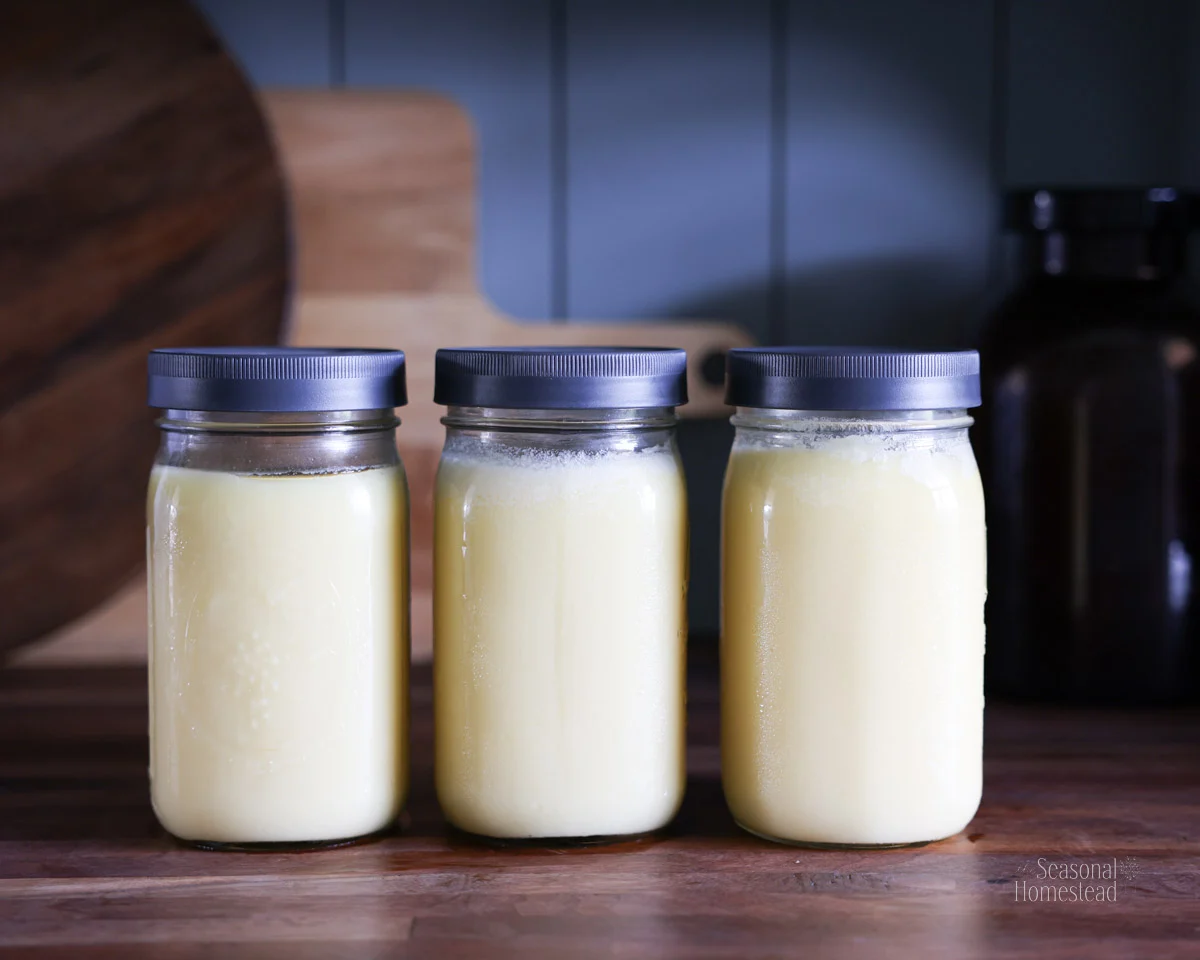
Sealed glass jar in a cool dark cabinet. Nebraska's humid summers can push kitchen temperatures into the upper 80s, which softens tallow and accelerates rancidity. If your kitchen runs warm, refrigerate the working jar and freeze the rest in pint containers. Rendered tallow lasts 6 to 9 months at room temperature, 12 to 18 months refrigerated, and indefinitely frozen. Smell it before each use, fresh tallow has a clean beefy aroma, rancid tallow smells like crayons.

Sources

  1. [1] USDA NASS Nebraska Cattle Inventory 2026 Read source →
  2. [2] Nebraska Beef Council Industry Statistics Read source →
  3. [3] Nebraska Department of Agriculture, Meat and Poultry Inspection Read source →
  4. [4] USDA Economic Research Service Cattle Marketing Read source →