Skip to content
King TallowKing Tallow
Northeast Region

Where to Buy Beef Tallow in Pennsylvania

Pennsylvania is one of the strongest sourcing states in the Northeast for traditionally rendered beef tallow because Lancaster County Amish and Mennonite farms still process suet by hand. Reading Terminal Market in Philadelphia and Lancaster Central Market sell grass-fed leaf fat year-round. Expect to pay $7 to $14 per pound for finished tallow at farm stands, or $3 to $5 per pound for raw suet at on-farm butcher counters.

Last updated May 26, 2026 by Miles Carter

Cattle ranking
#20 nationally with roughly 1.55 million head
Head of cattle
1,550,000 cattle and calves (2026 USDA NASS estimate)
Typical $/lb
$8 to $12 per pound finished, $3 to $5 per pound raw suet
Best months
November through January after fall harvest slaughter
Grass-fed
Strong. Plain-sect farms graze on rotational pasture and many sell certified 100% grass-finished suet.
Major cities
Philadelphia, Pittsburgh

Why Pennsylvania matters for beef tallow

Pennsylvania does not lead the country in cattle numbers, but it has something the bigger ranching states do not: an unbroken artisan tradition of small-batch animal processing rooted in Plain communities. That changes what you can actually find on a Saturday morning.

Plain-sect farm economy

Lancaster, Lebanon, Mifflin, and Centre counties hold one of the largest concentrations of Amish and Mennonite farmers in the United States. These farms typically operate at 40 to 120 acres, finish cattle on grass plus some hay, and sell raw suet directly from on-farm freezers. The supply chain is short: pasture to your kitchen in under a week.

Diversified butcher density

Pennsylvania has more independent USDA-inspected butcher shops per capita than any state east of the Mississippi. Esh's Meats in Ronks, Stoltzfus Meats in Intercourse, and Country Smokin' Meats in Adamstown all stock leaf fat or kidney fat by request. Independents render tallow as a byproduct of beef processing rather than treating it as a specialty product, which keeps prices honest.

Two major urban markets

Reading Terminal Market in Center City Philadelphia and Lancaster Central Market in downtown Lancaster operate six days a week with multiple meat vendors. Both have stood since the 1890s. Vendors like Giunta's Prime Shop at Reading Terminal and Long's Horseradish at Lancaster Central will sell you a pound of suet or finished tallow without a special order.

Penn State extension support

Penn State's College of Agricultural Sciences runs one of the country's strongest grass-finished beef research programs out of its Centre County farms. That research feeds back into farmer practice, which is why so many Pennsylvania operations grass-finish rather than corn-finish their cull animals.

Regional context

Climate

Humid continental in the north and central counties, humid subtropical along the southeast. Cool-season grasses thrive: orchardgrass, timothy, Kentucky bluegrass, white clover. Pasture quality peaks May through October.

Terrain

Rolling Piedmont hills in the southeast, Ridge and Valley in the center, and the Allegheny Plateau in the northwest. Limestone bedrock through the Lancaster-Lebanon valley gives mineral-dense pasture that finishes cattle well on grass alone.

Feed practices

Most Plain-sect farms grass-finish with supplemental dry hay over winter. Conventional operations in the western counties often finish on a corn-silage blend. Look for the specific phrase '100% grass-fed and grass-finished' on the label; 'grass-fed' alone can mean grain-finished.

In-state rendering

Almost all small Pennsylvania butchers wet-render or low-heat dry-render in stainless kettles. Plain-sect farms tend to wet-render on a wood stove, which produces the palest, mildest tallow you will find on the East Coast.

Where to buy beef tallow in Pennsylvania

1

Local butchers and meat markets

Esh's Meats (Ronks), Stoltzfus Meats (Intercourse), Country Smokin' Meats (Adamstown), Giunta's Prime Shop at Reading Terminal Market, and Hatville Deli (Gordonville) all carry suet or rendered tallow. Pittsburgh's Strip District has Parma Sausage and Stamoolis Brothers, both of which will sell beef fat trim by the pound if you call ahead. Call 24 to 48 hours in advance for leaf or kidney fat; standard trim is usually on the counter.

2

Farmers markets

Lancaster Central Market (Tuesday, Friday, Saturday) is the deepest single source in the state. Reading Terminal Market in Philadelphia runs daily. Headhouse Farmers Market in South Philly (Sunday, May to December), Bloomfield Saturday Market in Pittsburgh, Easton Farmers Market in the Lehigh Valley, and the State College Farmers Market on Locust Lane all host grass-fed beef vendors who carry tallow seasonally.

3

Ranches and direct-to-consumer

Plain-sect farm stands across Lancaster County (Old Philadelphia Pike, Route 340, Route 772) post handwritten signs reading 'beef fat' or 'suet' by the pound. Seven Stars Farm in Chester County, Lancaster Farm Fresh Cooperative (a network of 100 plus Amish and Mennonite farms), Philly Cow Share, and Stryker Farm in Saylorsburg sell direct. Most require either a farm visit or a cooperative drop-off pickup.

4

Specialty and natural grocers

Wegmans stocks finished beef tallow in the cooking-oil section at most Pennsylvania stores. Giant Food Stores (Carlisle-based) carries it at larger locations. Whole Foods in the Philly suburbs and Pittsburgh's East Liberty store carry US Wellness and Epic brand tallow. Kimberton Whole Foods (five Pennsylvania locations) is the strongest specialty option for locally rendered tallow.

Reliable online options that ship to Pennsylvania

We test and research the products we recommend. If you buy through these links we may earn a commission at no extra cost to you.

What to look for on the label

Pennsylvania labels run cleaner than most states because Plain-sect farms list practices plainly rather than relying on USDA marketing terms. Here is what the words mean on a Pennsylvania label.

Label What it means
100% grass-fed and grass-finished The animal ate forage from weaning to slaughter. This is the standard phrasing on Lancaster County farm-stand labels and what you want for skincare and cosmetic rendering.
Grass-fed Without 'and grass-finished' this usually means grain-finished for the last 90 to 120 days. Cheaper, still fine for cooking, slightly higher omega-6.
PA Preferred A Pennsylvania Department of Agriculture origin mark. Confirms the beef was raised in-state but says nothing about feed. Useful for traceability, not a quality claim by itself.
Certified Naturally Grown (CNG) A peer-reviewed alternative to USDA Organic, common on small Plain-sect operations. Roughly equivalent practice standards, no synthetic inputs.
Leaf fat or kidney fat The internal fat surrounding the kidneys. Renders to the palest, mildest tallow. Worth asking for by name; suet trim from the carcass is the default if you do not specify.

What it actually costs in Pennsylvania

Pennsylvania pricing sits in the middle of the national range. Lancaster County prices are lower than Pittsburgh or Philly. Expect Plain-sect farm stands to undercut city butchers by 30 to 50 percent.

Tier Per pound
Raw suet from Plain-sect farm stand $2.50 to $4.00
Raw suet from independent butcher $4.00 to $6.50
Rendered tallow, grocery $10 to $14
Rendered tallow, local artisan $12 to $18
Cosmetic-grade whipped balm $48 to $90

When to buy

Pennsylvania has a real seasonal rhythm because most small farms slaughter in fall after pasture peaks. Plan around it.

Spring (March to May)

Tightest supply window. Last year's fall-slaughter tallow is mostly gone, this year's calves are still on milk. Buy frozen from the previous fall or shift to online.

Summer (June to August)

Moderate supply. Headhouse, Easton, and Bloomfield farmers markets are active; pasture quality peaks. Good time to scout vendors and place pre-orders for fall.

Fall (September to November)

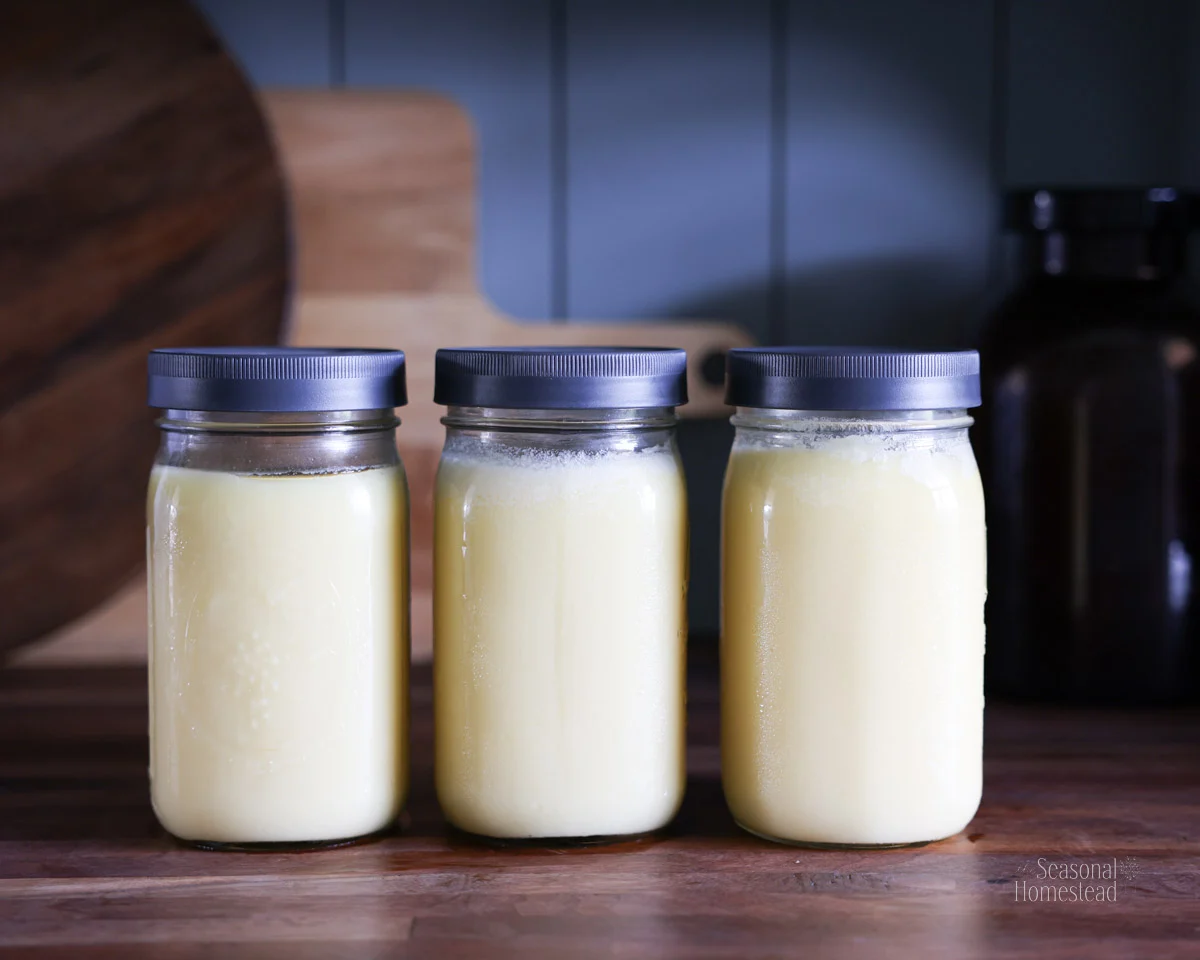
Peak supply. Most Lancaster County and Centre County farms slaughter October and November. Fresh suet at farm stands, fresh-rendered tallow in mason jars at every Saturday market.

Winter (December to February)

Strong supply from fall slaughter, frozen. Pennsylvania Dutch Christmas-cookie tradition uses tallow and lard, so farm stands stock heavily through Epiphany. Best month is January after holiday demand passes.

Where to look outside Pennsylvania

Pennsylvania borders six states. If your local source dries up, drive 90 minutes in any direction and you have options.

Ohio

3 to 4 hours from Pittsburgh

Holmes County Amish settlement is the largest Plain-sect community in the world. Tallow prices are even lower than Lancaster.

Try: Walnut Creek Cheese (Walnut Creek, OH), Hershberger's Farm and Bakery (Millersburg, OH)

New York

3 hours from Scranton

Finger Lakes grass-fed operations and Hudson Valley farms supply NYC greenmarkets and ship within 100 miles.

Try: Hudson Valley Fresh, Dickson's Farmstand Meats

Maryland

1.5 hours from Lancaster

Frederick County and the Eastern Shore both have grass-fed operations that sell at PA-adjacent markets.

Try: Maryland's Best certified farms, Roseda Beef

Render it yourself

Buying raw suet at $3 per pound from a Lancaster County farm stand and rendering it yourself yields about 0.7 pounds of clean tallow per pound of suet, so your finished cost lands near $4.30 per pound: a third of grocery pricing. Read the step-by-step rendering guide for wet and dry methods, then use the result in a batch of tallow soap or face cream. One five-pound suet purchase covers a year of skincare for a household of four.

How locals cook with it in Pennsylvania

Pennsylvania food culture sits on top of two big traditions: Pennsylvania Dutch farm cooking and Philadelphia working-class diner food. Tallow plays in both.

Amish-style suet mincemeat pies

The classic Lancaster County Christmas pie uses chopped suet folded into apple, raisin, and spiced beef filling. Modern home cooks substitute rendered tallow at a 1:1 ratio with the chopped suet weight. Adds the same fat richness without the prep step.

Philly cheesesteak seasoning griddle

Most Philadelphia steak shops finish a chopped ribeye on a flat-top with a small smear of beef fat first. Tallow gives the crust that distinct sweet-savory edge that vegetable oil cannot match. Pat's, Geno's, and the South Philly old-line shops all use beef fat on the griddle.

Scrapple binder

Traditional Pennsylvania Dutch scrapple uses pork, cornmeal, and buckwheat, but most farm recipes add a few tablespoons of beef tallow to the cooked mush before molding. It firms the loaf and gives the slices a better fry-up texture in the pan the next morning.

Lancaster County roasted root vegetables

Beets, turnips, parsnips, and carrots tossed in 2 tablespoons of melted tallow with salt and rosemary, then roasted at 425 F for 35 minutes. The tallow's high smoke point and saturated structure produce the caramelized edges that olive oil cannot achieve at that temperature.

Local & Regional Brands

Seven Stars Farm

Philly Cow Share

Lancaster Farm Fresh

Pennsylvania Sourcing Tips

  • Lancaster County Amish farms are excellent sources
  • Reading Terminal Market in Philly has tallow
  • Pittsburgh has great local butchers
  • Look for Pennsylvania Preferred products

Major Cities in Pennsylvania

Philadelphia Pittsburgh Allentown Reading Lancaster

These cities typically have the best selection of local butchers, farmers markets, and specialty stores carrying beef tallow.

Frequently asked questions

What is the absolute cheapest way to get beef tallow in Pennsylvania?
Drive to Lancaster County on a Saturday morning, find a Plain-sect farm stand on Old Philadelphia Pike or Route 340, and buy raw suet at $3 per pound. Five pounds of suet renders to about 3.5 pounds of finished tallow, putting your cost at roughly $4.30 per finished pound. Render at home on a back burner in about three hours. This is the lowest unit cost in the state by a wide margin.
Are Amish farm stands open on Sundays?
No. Lancaster County Amish farms close Sundays for religious observance, and many Mennonite operations do as well. Plan your visit Tuesday, Thursday, Friday, or Saturday. Lancaster Central Market specifically operates Tuesday, Friday, and Saturday and is the best single-stop option if you cannot make a farm visit.
Can I find grass-fed tallow at Wegmans?
Yes. Most Pennsylvania Wegmans stores stock at least one rendered beef tallow in the cooking-oil section, typically Epic or US Wellness brand in a 7.5 to 11 ounce jar. Pricing runs $11 to $14 per jar. Quality is acceptable for cooking; for skincare DIY, the local artisan options at farmers markets are noticeably milder.
Is Reading Terminal Market a reliable source?
Yes. Giunta's Prime Shop, Border Springs Farm, and the L. Halteman Family Country Foods stall all carry beef tallow or suet on a regular basis. Call Giunta's a day ahead if you want leaf fat specifically; standard trim is on the counter daily. Market hours are 8 AM to 6 PM, every day except major holidays.
What does Pennsylvania Plain-sect rendered tallow taste like?
Mild, clean, and pale ivory in color. Plain-sect farms tend to render slowly at low temperatures on wood or gas stoves, which avoids the scorched edge you get from commercial dry-rendering. The flavor is closer to clarified butter than to beefy fat trim. It is the gold standard for both cooking and skincare work.
How long will fresh Pennsylvania tallow keep?
Twelve months in a sealed jar in a cool dark pantry, eighteen months refrigerated, three years in the freezer. Plain-sect tallow tends to oxidize slower than commercial because it was rendered at lower temperatures and packed warm. Store away from direct sunlight.
Where in Pittsburgh can I buy beef tallow?
The Strip District has three reliable sources: Parma Sausage Products on Penn Avenue, Stamoolis Brothers next door, and Wholey's at the corner. Pittsburgh Public Market hosts grass-fed vendors on Saturdays. East End Food Co-op in Point Breeze stocks rendered tallow in jars. Whole Foods East Liberty has national brands.
Do Pennsylvania farms slaughter year-round?
Larger commercial operations do, yes. But the small Plain-sect farms that produce the best tallow concentrate slaughter in October and November after pasture peaks. That is why fall is the best sourcing season: fresh-rendered tallow shows up at farm stands and farmers markets through Thanksgiving and Christmas.
What is the difference between suet and tallow?
Suet is the raw fat, usually the hard fat around the kidneys and loin. Tallow is what you get after rendering suet: melting it slowly, straining out the connective tissue, and cooling the clean fat into a solid block. One pound of suet yields about 0.7 pounds of tallow.
Is Lancaster Farm Fresh worth joining?
Yes if you live within 90 minutes of a drop-off point. It is a cooperative of over 100 Amish and Mennonite farms with weekly delivery routes to Philadelphia, the Main Line, and parts of New Jersey. Tallow is available as an add-on item on most pickup weeks at roughly $12 per pint, which is competitive with farm-stand pricing once you factor in driving.
Can I get cosmetic-grade tallow in Pennsylvania?
Yes, two ways. Either render Plain-sect leaf fat yourself (the cheapest path to cosmetic grade), or buy whipped tallow balms from specialty retailers. Amallow, Terra Lotus, and Vanman's products show up at Kimberton Whole Foods and at the larger Wegmans stores. Online ordering covers the gap.
What about Centre County and State College?
State College Farmers Market on Locust Lane (Tuesday and Friday) hosts grass-fed vendors from the surrounding Penns Valley and Brush Valley farms. Penn State Meats Lab on East Park Avenue occasionally sells tallow and other byproducts from teaching slaughters; call ahead for availability. Both are reliable secondary options.
Is Pennsylvania tallow ever certified organic?
Some, yes. Look for the USDA Organic seal on commercial brands, or the Certified Naturally Grown logo on Plain-sect labels (CNG is the peer-reviewed equivalent used by farms that find USDA certification paperwork prohibitive). Both certifications require non-GMO feed and no synthetic inputs.
Will my Pennsylvania tallow smell beefy?
Properly rendered leaf fat from a Plain-sect farm will have only a faint, clean meat scent that fades as the jar sits. If it smells obviously beefy, it was rendered from carcass trim with connective tissue still attached. Strain through cheesecloth and re-render once at low heat to clean it up.

Sources

  1. [1] USDA NASS Pennsylvania Cattle Inventory 2026 Read source →
  2. [2] Penn State Extension: Grass-Finished Beef Production Read source →
  3. [3] Pennsylvania Department of Agriculture: PA Preferred Program Read source →
  4. [4] Reading Terminal Market: Merchant Directory Read source →
  5. [5] Lancaster Farm Fresh Cooperative Read source →