Beef Tallow Texture Guide: What Should It Feel Like When Good?
Reader-supportedQuick-reference guide to beef tallow texture by temperature and fat source. How leaf, kidney, back, and trim fat should feel, plus signs of poor quality.

This post contains affiliate links. We may earn a commission if you purchase through these links, at no extra cost to you.
I get the same question every time somebody opens their first jar of tallow. “Is this normal?”
The honest answer is that good tallow has a fairly narrow window of acceptable textures, and once you have felt a few jars you stop second-guessing yourself. This is the quick-reference I wish I had bookmarked when I started rendering my own fat three years ago.
Room Temperature: The Baseline
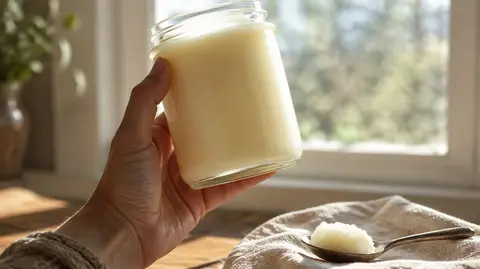
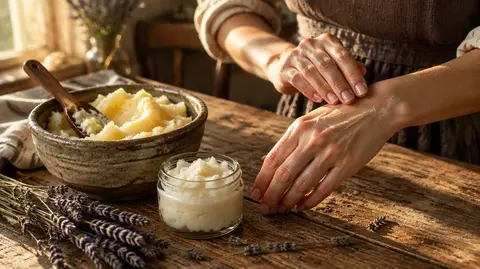
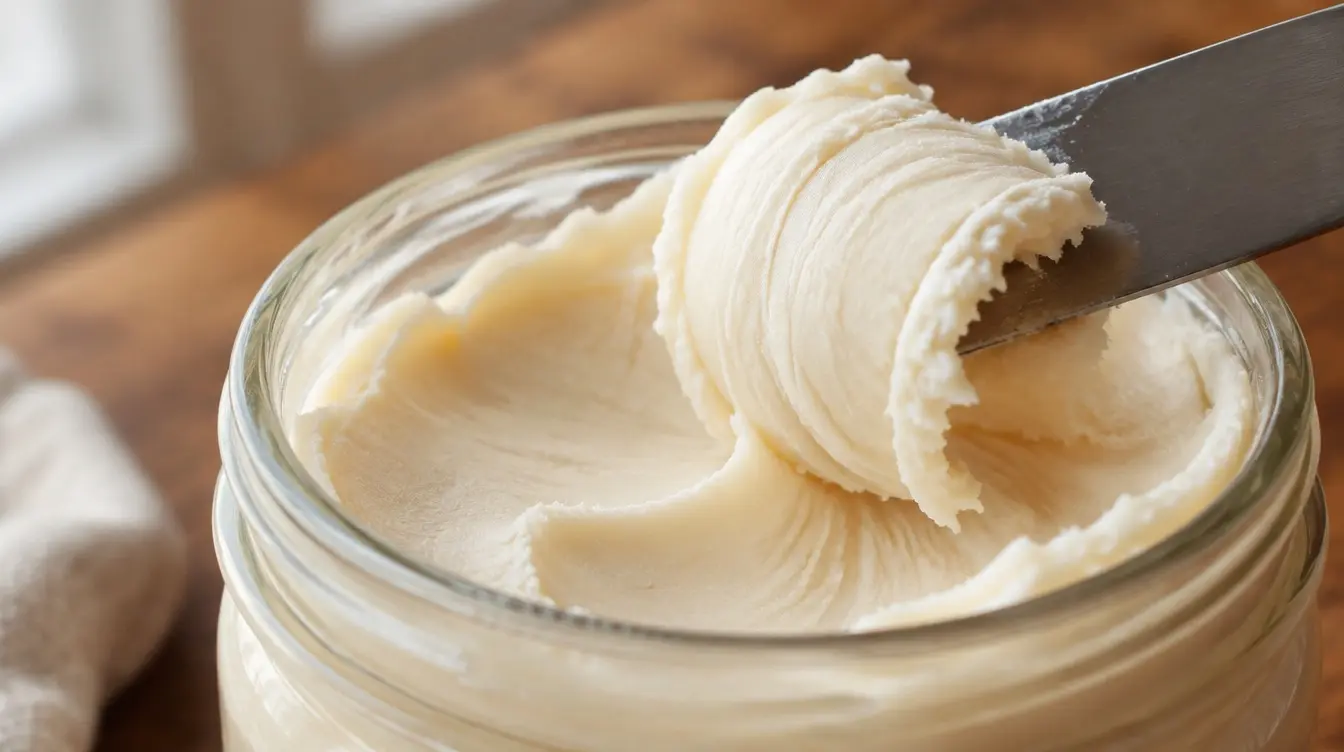
At room temperature (around 68 to 72 degrees Fahrenheit), good tallow should feel firm but spreadable. Think the texture of cold butter that has been on the counter for 15 minutes. You should be able to scoop it with a spoon without much effort, and a small dollop should soften in your palm within about 30 seconds.
If you press a finger into it, you should leave a clean indent. The tallow should not stick to your finger in strings. It should not pool oil where you pressed it. The surface should look smooth and uniform with no separation.
If it is so hard at room temperature that a spoon will not break it, the tallow is overly saturated or has been refrigerated very recently. If it is liquid or near-liquid at 70 degrees, something is wrong, possibly contamination with seed oil during rendering or storage in a too-warm spot.
Refrigerated: Hard but Workable
In the fridge (35 to 40 degrees) tallow firms up considerably. You should need a sturdy spoon to dig into it. It will feel hard, but not glass-like. A butter knife pressed firmly should be able to cut a clean slice. A fingernail should leave a mark with moderate pressure.
If your refrigerated tallow is so brittle it shatters when you try to scoop it, the fat profile is unusually high in saturation, common with kidney fat from older animals or with tallow rendered very hot. Still safe to use. Just warm a small spoonful in a ramekin before working with it.
If refrigerated tallow stays soft and easily scoopable straight from the fridge, you might have a tallow that was cut with a softer fat, or the storage temperature is too high. Check your fridge thermometer.
Texture by Fat Source
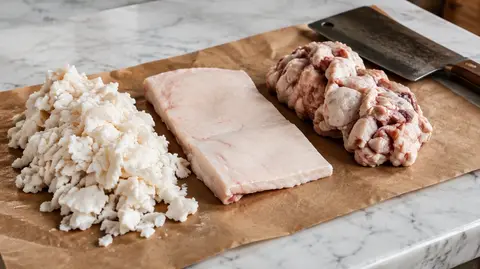
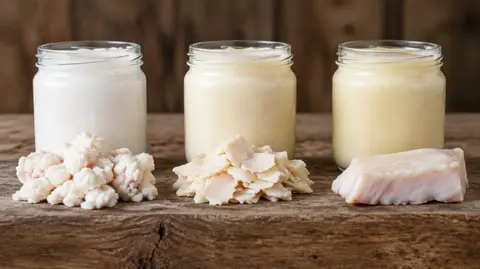
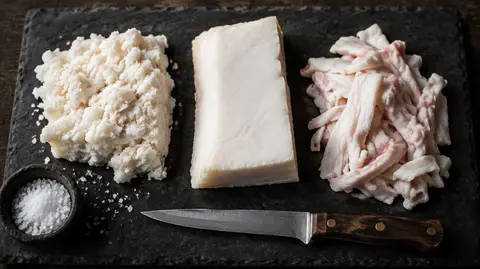
This is the part most people skip and it is the part that explains 80 percent of “is this normal” questions. Different cuts of beef fat render into different textured tallows.
Leaf fat (suet from around the kidneys, the cleanest source). Silky white, sometimes with a faint cream tinge. The smoothest texture you can get. Spreads like cold butter at room temperature. Almost no smell when rendered properly. This is the premium grade. If you buy a balm or a jar marketed as “leaf fat tallow” or “premium suet,” this is what you should feel.
Kidney fat (the chunks attached directly to the kidney). Clean, firm, slightly waxier than leaf fat. Pure white when properly rendered. A little more resistant to a finger press than leaf. Excellent for skincare and high-heat cooking. The kidney fat I rendered last fall went solid in the jar with such a clean grain you could almost see crystal structure.
Back fat (the fat layer along the back of the carcass). Slightly grainy at room temperature. Cream or pale-yellow color, especially from grass-fed cattle. Softer than kidney or leaf at the same temperature. A bit oilier on the fingers. Still a perfectly good cooking tallow but harder to use for skincare because the slight graininess shows up in balms. I covered the difference in detail in types of beef tallow: leaf vs kidney vs back fat.
Trim fat (collected from butcher trimmings of steaks and roasts). The most variable. Sometimes crumbly. Sometimes oily. Color ranges from cream to amber. Fine for cooking. Not what I would pick for skincare. If you bought a bulk budget tallow and the texture is uneven across the jar, you almost certainly have trim-fat tallow.
For more on what color tells you, the tallow color guide walks through every shade and what it means.
Signs of Poor Quality
Once you know what good feels like, bad becomes obvious. These are the red flags I have hit with cheap or improperly stored tallow.
Chalky. A dry, powdery surface texture is a sign the tallow was rendered too hot, oxidized in storage, or both. Chalky tallow will not whip properly for skincare and tastes flat in cooking. Save it for soap making, where the texture does not matter.
Sticky or tacky to the touch. Properly rendered tallow should feel like a fat, not a glue. Tackiness suggests incomplete rendering, with cracklings or moisture still mixed in. This tallow will go rancid fast. If a jar feels sticky when you open it, return it.
Weeping oil pools at the surface. Small amounts of oil separation are normal after temperature changes. Standing pools, especially with a yellow-orange tint, indicate the tallow was cut with a softer oil or the rendering process did not fully separate the unsaturated portion. Either way, the shelf life is shorter than properly rendered tallow.
Yellow-green or gray cast. Color shifts toward green or gray are a spoilage signal. Tallow can range from white to cream to pale yellow depending on the cattle’s diet, but green or gray is a no-go.
Sour or paint-like smell. Good tallow smells faintly beefy or completely neutral if deodorized. A sour, metallic, or paint-thinner smell means the fat has gone rancid. Throw it out.
Crystallization that looks like grains of sand. Some tallow develops a slight crystalline texture in the fridge that smooths back out at room temperature. That is normal. Permanent sandy texture that does not smooth out at 75 degrees suggests an issue with the fat profile or rendering temperature.
The does beef tallow go bad guide goes deeper on the spoilage side of this question.
What Good Brands Feel Like
Texture and quality vary by brand, even within the same Amazon search. These are the products I keep going back to and what they feel like out of the jar.
100% Pure Grass-Fed Beef Tallow ships in 4-pound tubs. Firm cream-colored block. Mostly back fat and trim. Slightly grainy at room temperature, perfect for cooking, fine for soap making, decent for body balm if you whip it well.
Traverse Bay Farms Beef Tallow is deodorized and runs whiter and smoother than the grass-fed bulk options. Spreads cleanly out of the jar. The texture I most often recommend to people starting DIY skincare.
Amallow Unscented Whipped Tallow Balm is whipped into an airy cream. Light and almost fluffy on the fingertip. The texture you want if you have not committed to whipping your own.
Vanman’s Tallow Balm is dense and rich, almost paste-like. Heavier than anything else I have tested. The texture you want for cracked heels, knuckles, or elbows.
I covered the rendering side of getting clean texture in the filter and strain guide, which is the step most home renderers skip and the step that determines whether your jar feels silky or grainy.
Frequently Asked Questions
Why does my tallow look different at the top of the jar versus the bottom?
Temperature gradients in storage create texture differences. The top of a tall jar warms and cools faster than the middle. As long as the whole jar smells right, the texture variation is cosmetic. Stir or rewarm gently to homogenize.
Is grainy tallow safe to eat?
Yes, as long as it smells right. Graininess is a fat-profile or crystallization issue, not a safety issue. Cook with it normally. If you wanted silky skincare-grade texture, use a different jar.
Why did my tallow go from smooth to grainy after a temperature change?
Tallow is a mix of saturated fats with slightly different melt points. When it cools slowly, those fats crystallize together evenly. When it cools fast or recrystallizes after partial melting, the higher-melt-point fats can separate out as visible grains. Rewarm to liquid and let it cool slowly to fix.
Should good tallow have any smell?
Properly rendered tallow has a very faint beefy aroma or no smell at all. Strongly beefy tallow was rendered with cracklings left in too long. Smoky tallow was rendered too hot. Sour or rancid smells mean trouble.
How long does good tallow stay good at room temperature?
In a sealed jar away from light and heat, properly rendered tallow stays stable for 6 to 12 months at room temperature. Refrigerated it lasts a year or more. Frozen it lasts indefinitely.
What is the white film on top of my refrigerated tallow?
Probably normal crystallization, especially if you recently moved the jar from the counter to the fridge. If the film is dry and dusty looking, the surface may be oxidizing from too much air contact. Push down with a spoon to compact, top with a thin layer of fresh tallow, and seal tightly.
Bottom Line
Good tallow is firm but spreadable at room temperature, hard but not glassy in the fridge, smooth in color and aroma, and consistent in texture from top to bottom of the jar. The biggest variable is fat source. Leaf and kidney fat give you silky white tallow. Back and trim give you cream-colored tallow with a little more character.
If you are starting from scratch, Traverse Bay’s deodorized jar is the easiest texture to work with for skincare projects, and a 4-pound grass-fed tub covers your cooking needs for months. Once you have felt one good jar, you will never wonder about texture again.
Explore more tallow guides
Browse our collection of recipes, comparisons, reviews and DIY tutorials.
View all guidesKing Tallow is reader-supported. We research and test the products we recommend, and when you buy through links on this page we may earn a commission at no extra cost to you. See our affiliate disclosure.
Published