Does Beef Tallow Go Bad? Shelf Life, Rancidity and Mold Signs
Reader-supportedYes, beef tallow goes bad, but slowly. How long tallow lasts in the pantry, fridge and freezer, how to spot rancid or moldy tallow, and what expiry dates mean.

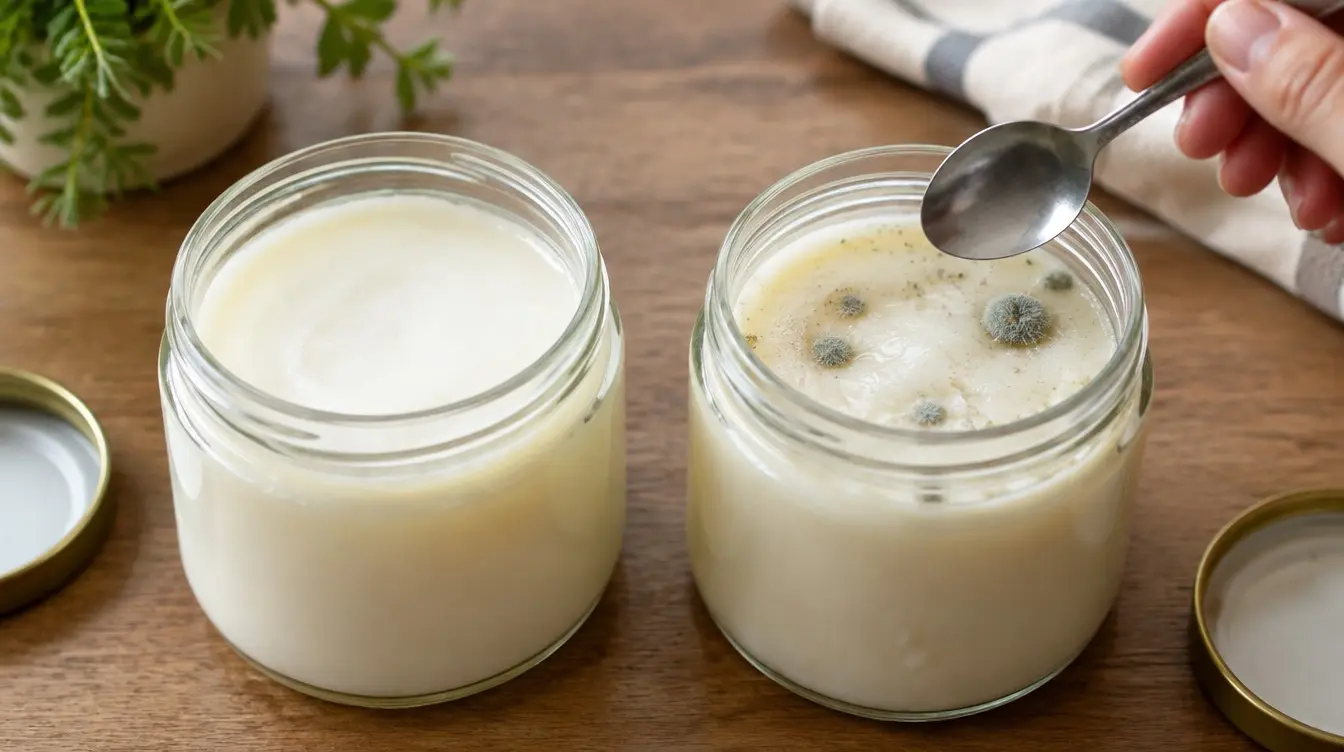
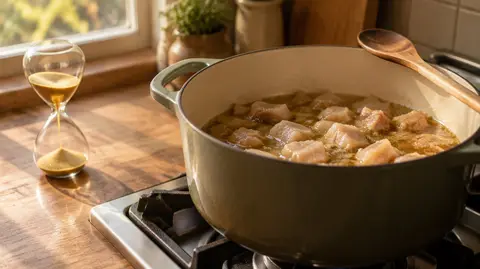
Yes, beef tallow does go bad, but slowly. Well-rendered tallow in a sealed jar usually keeps for about six months in a cool pantry, around a year in the fridge, and two years or more in the freezer. It spoils in two ways: it turns rancid (sharp, crayon- or paint-like smell) as the fat oxidizes, or it grows mold when water or meat particles were left in it.
We test and research the products we recommend. If you buy through our links, we may earn a commission at no extra cost to you.
How Long Does Beef Tallow Last?
These are conservative ranges for tallow kept sealed, clean, and away from light. Cool, dark, dry storage pushes toward the long end; warm kitchens, sunlight, and frequent opening push toward the short end.
| Storage | Homemade tallow | Commercial shelf-stable tallow |
|---|---|---|
| Pantry / unrefrigerated (below ~70°F) | About 3-6 months; up to ~9 in cool, dark storage | Unopened: until the best-by date (often 1-2 years). Opened: about 6-12 months |
| Refrigerator | About 6-12 months, often longer | About 1 year or more after opening |
| Freezer | 2 years or more | 2 years or more |
| Used frying tallow (strained) | About 1-3 months in the fridge | Same |
| Tallow balm or whipped tallow with added oils | Often 6-12 months; the added oils usually spoil first | Follow the label |
Why the difference between homemade and commercial? Commercial tallow is usually filtered more finely and has almost no water left, and some is deodorized. Home-rendered tallow can hold traces of moisture and protein, which shorten its life unless you strain it carefully. The beef tallow shelf life guide goes deeper on the numbers.
Does beef tallow expire?
Tallow does not become unsafe on a set date. The date on a jar is a quality date: in the US, “best by” and “use by” labels on most foods (other than infant formula) are set by the manufacturer and are not federally required, according to the USDA Food Safety and Inspection Service. Unopened tallow past its date may still be fine; judge it by smell, look, and taste before using it.
How long does homemade beef tallow last?
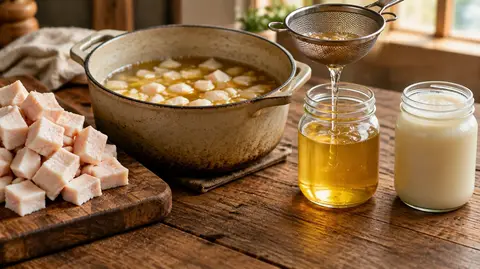
About three to six months in a cool cupboard and six to twelve months in the fridge, if it was strained well and cooked until no water remained. If your batch has a soft, jelly-like or cloudy layer at the bottom of the jar, that layer holds water and meat juices; scrape it off and use or discard it, because that is where mold starts.
How long is beef tallow good in the fridge?
Roughly a year for clean tallow in an airtight jar, often longer. The cold slows oxidation. Keep it toward the back of the fridge, where the temperature is steadiest, and make sure the lid seals so it does not absorb fridge odors.
How long does tallow last unrefrigerated?
In a sealed jar in a cool, dark cupboard, several months. Tallow is roughly half saturated fat with only a few percent polyunsaturated fat, and it contains almost no water, so it resists both oxidation and microbial growth better than butter or most oils. In a hot kitchen or during summer without air conditioning, move it to the fridge.
How to Tell If Beef Tallow Has Gone Bad
Check in this order and stop at the first bad sign.
| Check | Fresh tallow | Spoiled tallow |
|---|---|---|
| Smell (cold) | Mild, faintly beefy or almost neutral | Sharp, sour, soapy, crayon, old paint, or “old cooking oil” |
| Look | White to creamy yellow, even color | Fuzzy spots, dark specks that grow, green/black/pink patches |
| Texture | Smooth, firm, may be slightly grainy (normal) | Slimy wet layer, liquid pooling with off smell |
| Smell when warmed | Clean, savory | Acrid; rancid notes get stronger when heated |
| Taste (tiny amount, only if it passes the above) | Rich, mild | Bitter, sour, or harsh |
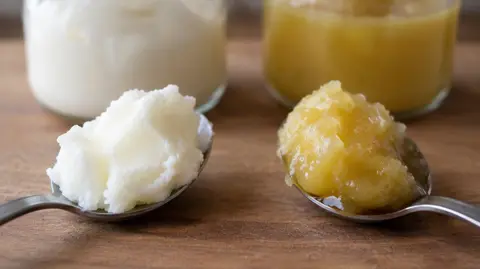
Graininess alone is not spoilage. Tallow that cools slowly forms small fat crystals and can look grainy or mottled. Color alone is not spoilage either: grass-fed tallow is naturally more yellow because of beta-carotene. See the beef tallow color guide for what different shades mean.
How to tell if tallow is rancid
Rancidity is oxidation of the fat itself. The giveaway is smell: sharp, stale, or like crayons, putty, or old paint, and stronger when the tallow is warmed. Rancid tallow is not the kind of spoilage that usually causes food poisoning, but oxidized fat tastes bad, smokes at lower temperatures, and is not something to eat regularly. Discard it for cooking. The guide to rancid beef tallow covers the difference between a normal beefy smell and true rancidity.
Does beef tallow go rancid faster if it’s grass-fed or wagyu?
Slightly, in theory. Grass-fed and especially wagyu tallow carry more unsaturated fat than typical grain-fed tallow; wagyu is notably high in monounsaturated oleic acid, which is why it is softer. Unsaturated fats oxidize more readily than saturated ones. In practice, storage matters more than the source: refrigerate opened wagyu or grass-fed tallow if you will not finish it within a few months.
Beef tallow mold
Pure fat does not support mold on its own. Mold appears when water, meat juices, or food crumbs are present, typically in a jelly layer at the bottom of a home-rendered jar, or where a wet spoon went in. Fuzzy growth, colored spots, or a slimy surface mean the jar is contaminated. Soft foods with mold should be thrown out whole rather than scraped, per USDA guidance, so discard the full jar.
What Makes Tallow Spoil Faster
- Water: left from incomplete rendering or introduced with wet utensils. It feeds mold and speeds up hydrolysis, which releases free fatty acids.
- Meat particles: fine bits of protein that slipped through the strainer.
- Light and heat: both speed oxidation. Clear jars on a sunny counter do the worst.
- Air: a half-empty jar has more oxygen in contact with the fat. Move leftovers to a smaller container.
- Food residue from frying: used frying tallow carries crumbs and flavors and keeps for weeks to a few months, not a year.
How to Store Beef Tallow So It Lasts
- Render it fully. Cook until the bubbling stops, which means the water has gone. See how to render beef tallow at home.
- Strain finely. A fine-mesh strainer lined with cheesecloth or a coffee filter removes the particles that spoil first. More in the straining guide.
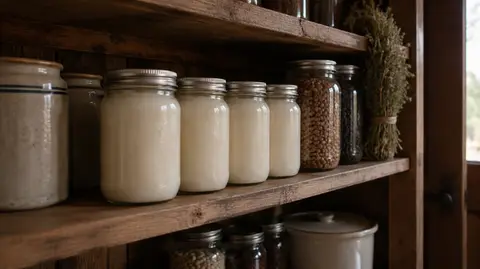
- Use clean, dry glass jars with tight lids. Wide-mouth jars such as Ball wide-mouth quart jars make scooping solid tallow easy and seal well.
- Portion it. Keep one working jar in the cupboard or fridge and freeze the rest, so most of your supply is not opened every day.
- Label it with the rendering or opening date.
- Scoop with a dry spoon and close the lid right away.
The complete guide to storing rendered tallow covers containers, freezing, and thawing in more detail.
Can You Use Tallow That Smells a Little Off?
For cooking, no. If it smells rancid, flavors will carry into the food, and oxidized fat smokes earlier. Tallow that only smells more “beefy” than you like is not necessarily spoiled; that is often residual protein from rendering, and the guide to fixing smelly tallow explains how to clean it up by re-rendering with water. Some people use slightly old but not moldy tallow for non-food purposes such as leather conditioning or candles; anything moldy should go in the trash.
Frequently Asked Questions
Does tallow go bad if left out overnight?
No. Tallow does not need refrigeration the way butter or cooked food does. Leaving a sealed jar out overnight, or even for months in a cool pantry, is normal.
Does beef tallow expire after opening?
Opening starts the clock on oxidation and contamination, not a fixed deadline. Plan on using opened commercial tallow within about six to twelve months at room temperature, or refrigerate it for longer life.
Is it safe to eat tallow past its best-by date?
Often, yes, if it smells and looks normal. The date marks expected peak quality. Do the smell and look checks above first.
How long does beef tallow last in a deep fryer?
Strained after each session and covered, tallow left in a fryer is best used within a few weeks. For longer gaps, strain it into a jar and refrigerate it. The beef tallow smoke point and frying guide covers signs that frying tallow is worn out.
Does wagyu beef tallow go bad?
Yes, on roughly the same timeline as regular tallow, possibly a little faster because of its higher unsaturated fat content. Store it sealed, cool, and dark, and refrigerate opened jars you will not finish within a few months.
Bottom Line
Beef tallow goes bad slowly: about six months in a cool pantry, around a year in the fridge, and two years or more frozen, with commercial jars lasting until their best-by date unopened. Toss it if it smells sharp, sour, or like crayons, or if you see any mold. Render it fully, strain it well, keep it in clean airtight jars away from light and heat, and it will outlast most cooking fats in your kitchen. If you need a fresh supply, a bulk jar such as 100% Pure Grass-Fed Beef Tallow (4 lbs) can be split into smaller jars and frozen.
Explore more tallow guides
Browse our collection of recipes, comparisons, reviews and DIY tutorials.
View all guidesKing Tallow is reader-supported. We research and test the products we recommend, and when you buy through links on this page we may earn a commission at no extra cost to you. See our affiliate disclosure.
Published · Last updated