

This post contains affiliate links. We may earn a commission if you purchase through these links, at no extra cost to you.
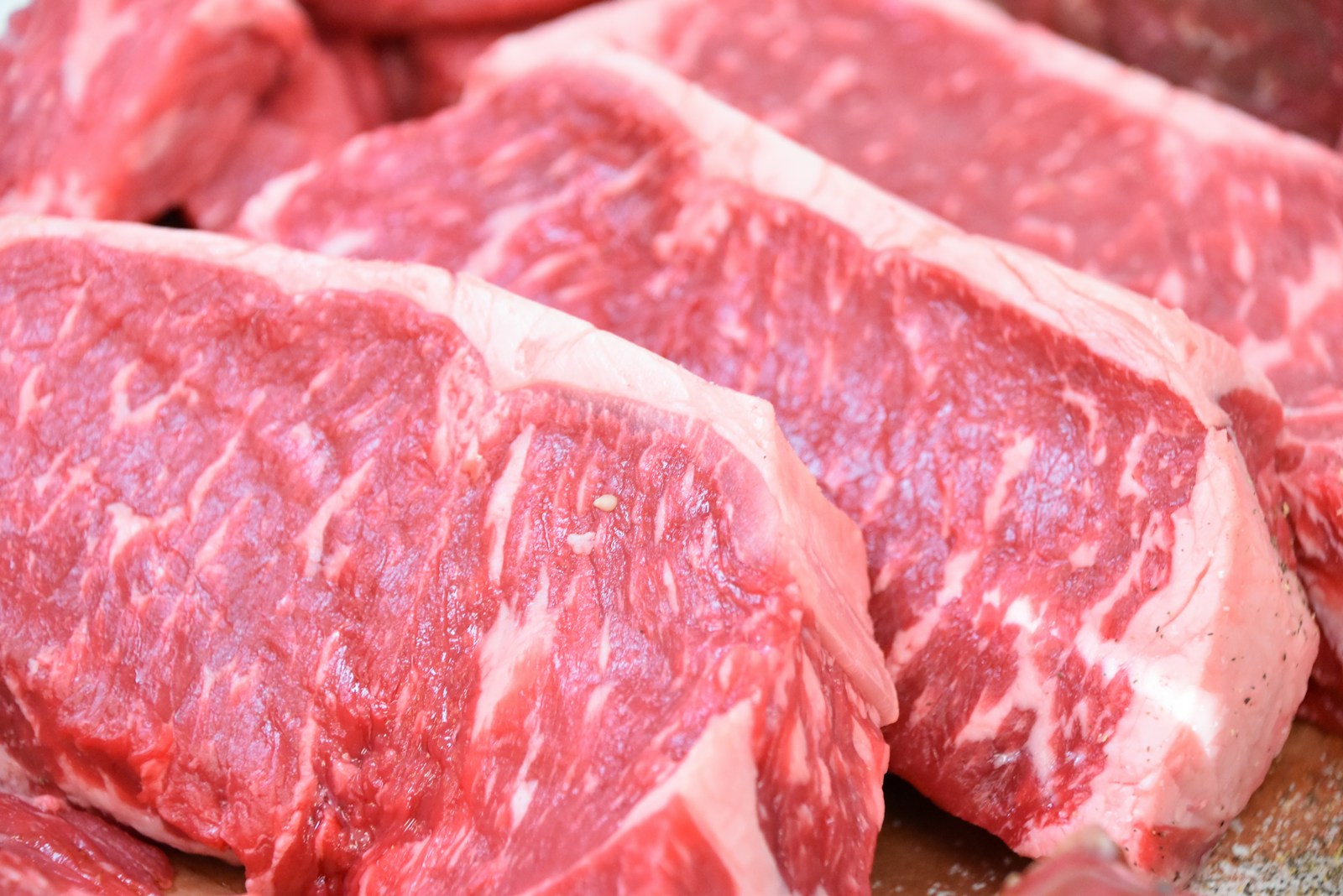
I learned what good beef fat looks like by accident. I asked my local butcher for “fat scraps” because I thought all fat was basically the same, and he gave me a bag of brisket trim. The tallow I rendered from it was delicious, deeply beefy, slightly yellow, and completely wrong for the lotion bars I was trying to make. The next week I went back and asked for kidney fat. He gave me a different bag. The tallow that came out was nearly white and almost neutral in smell, and the lotion bars looked like a real product instead of a beige experiment.
That was when I realized fat is not fat. Where on the cow it came from changes everything about how the rendered tallow looks, smells, tastes, and behaves.
This is the sourcing guide I wish someone had handed me when I started. What to ask for, where to find it, and what to pay.
Beef Fat Types Ranked
There are essentially four categories of beef fat you can render. They have meaningfully different properties.
Leaf fat (also called kidney fat or suet)
This is the gold standard for skincare-grade and high-end cooking-grade tallow.
Leaf fat sits around the kidneys of the cow. It is the cleanest, hardest, whitest fat on the animal. The rendered tallow is nearly pure white, has the most neutral smell, and sets up firm at room temperature.
Why it is the best for skincare: the neutral smell means your finished balms and creams will not have a beefy undertone, and the firm set helps DIY products hold structure.
Why it is the best for delicate cooking: clean flavor that does not overpower whatever you are searing.
This is what professional renderers prize. It is also slightly harder to source because there is only a couple of pounds of it per animal.
If sourcing leaf fat is a problem in your area, I cover the different beef fat types in depth elsewhere, with photos of each so you can identify them in a butcher bag.
Back fat (also called fat back)
Solid second-tier choice. Renders to a slightly off-white tallow with a mild beefy aroma. Sets firm. Good for cooking, decent for skincare with proper deodorization.
Back fat is the layer of subcutaneous fat from along the back of the animal. There is more of it per cow than leaf fat, so it is easier to source and usually cheaper.
For most home cooks who want to render their own cooking fat, back fat is the sweet spot. Cleaner than brisket trim, more abundant than leaf fat, and the resulting tallow is great for cast iron, frying, and roasting.
Brisket trim and other muscle-attached fat
Flavor-rich, but the rendered tallow is darker and beefier.
Brisket trim is the fat your butcher removes when trimming brisket for sale. It is usually mixed with bits of meat and connective tissue, which is what gives the rendered tallow its deep flavor and slightly darker color.
For French fries, roasted potatoes, and seared steaks, this is the tallow you want. The beefy flavor is a feature.
For skincare, you can use it, but plan on deodorizing it. The how to render guide covers a re-render trick to push beefy flavor down for cosmetic-grade use.
Mixed fat scraps
Variable quality. This is the catch-all bag a butcher might hand you if you just ask for “fat” without specifying. Sometimes it is mostly back fat. Sometimes it is mostly brisket trim. Sometimes it is a random mix.
Mixed scraps render to a perfectly usable cooking tallow. Just know going in that the result will vary batch to batch. For skincare projects, ask for something more specific.
Where to Find Each Type
Butcher counter at a grocery store
This is the first stop for most people. Whether your store has fresh suet depends on whether their butcher does in-house breakdown of whole cuts. Costco’s butchers do not. Specialty grocers like Whole Foods, sprouts, regional chains like Wegmans, and most independent butcher shops do.
Walk up to the counter and ask: “Do you have any beef leaf fat or kidney fat I could buy for rendering?”
If they say yes, great. They may have to set it aside for you because it is often discarded or sold cheaply for pet food.
If they say no leaf fat, ask: “How about back fat or brisket trim?”
Most butcher counters will set aside what they have, charge you $1.50 to $3 per pound, and have it ready in a day or two. Some will give it to you free if you are a regular and they were going to discard it anyway.
Always ask: “Is this fresh or frozen?” Fresh is best for highest yield. Frozen is fine but render within a day or two of thaw.
Farmers markets
This is where I get my best fat now. Local cattle farmers selling direct usually have access to leaf fat from their own animals and will sell it to anyone who asks.
The price is usually $2 to $4 per pound and the quality is significantly better than supermarket fat. You also get to ask about feed (grass-finished vs grain-finished), age at slaughter, and how the fat was handled.
If your local farmers market does not have a beef vendor, the regional buy guides cover what is available in different parts of the country and the kind of producers worth seeking out.
Online from grass-fed operations
If you cannot source locally, several grass-fed meat operations sell raw suet by mail in vacuum-sealed frozen packages. US Wellness Meats, White Oak Pastures, and similar direct-to-consumer ranches usually have suet listings on their sites.
The price is higher than local sourcing, usually $4 to $7 per pound plus shipping. The advantage is verified grass-fed sourcing and consistent quality.
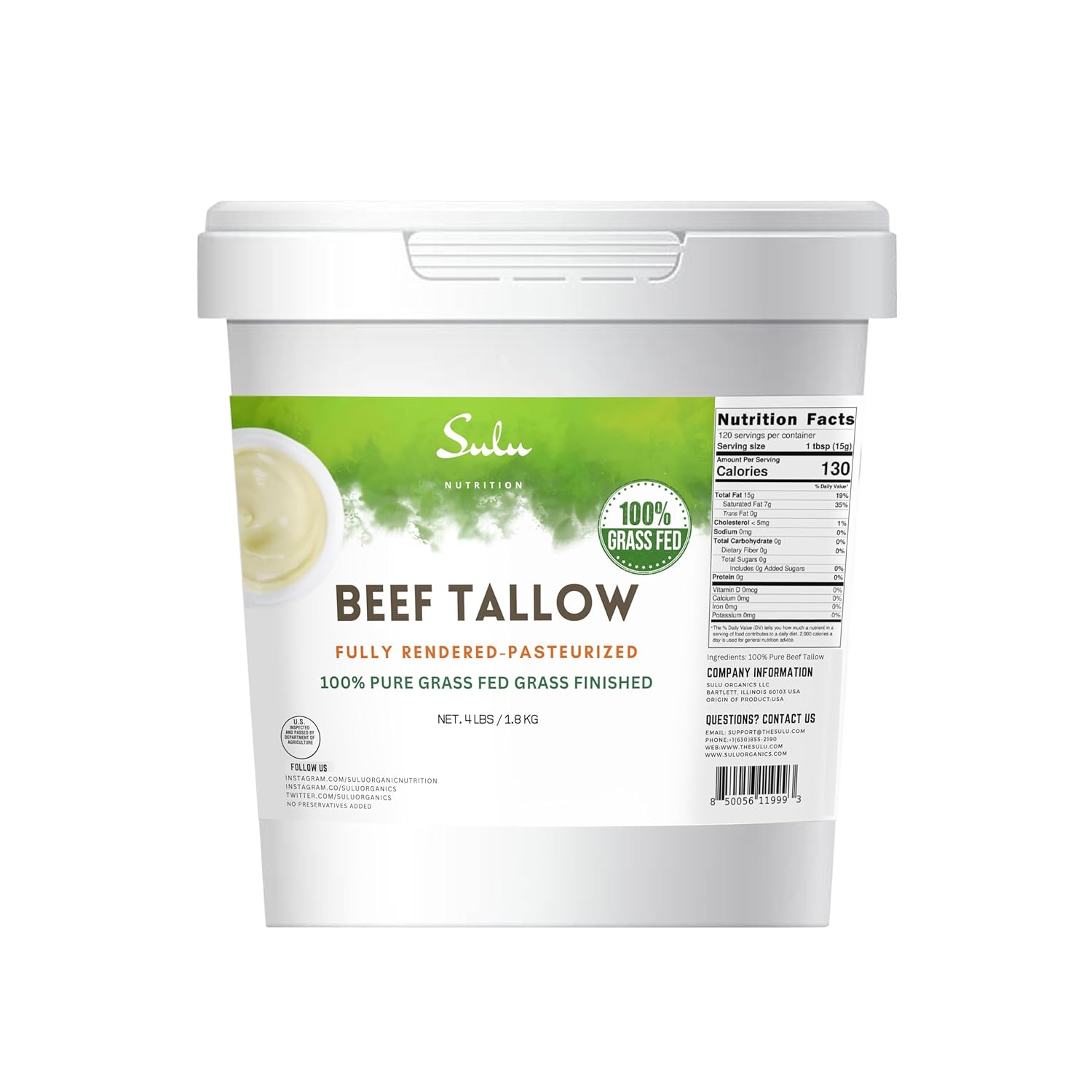
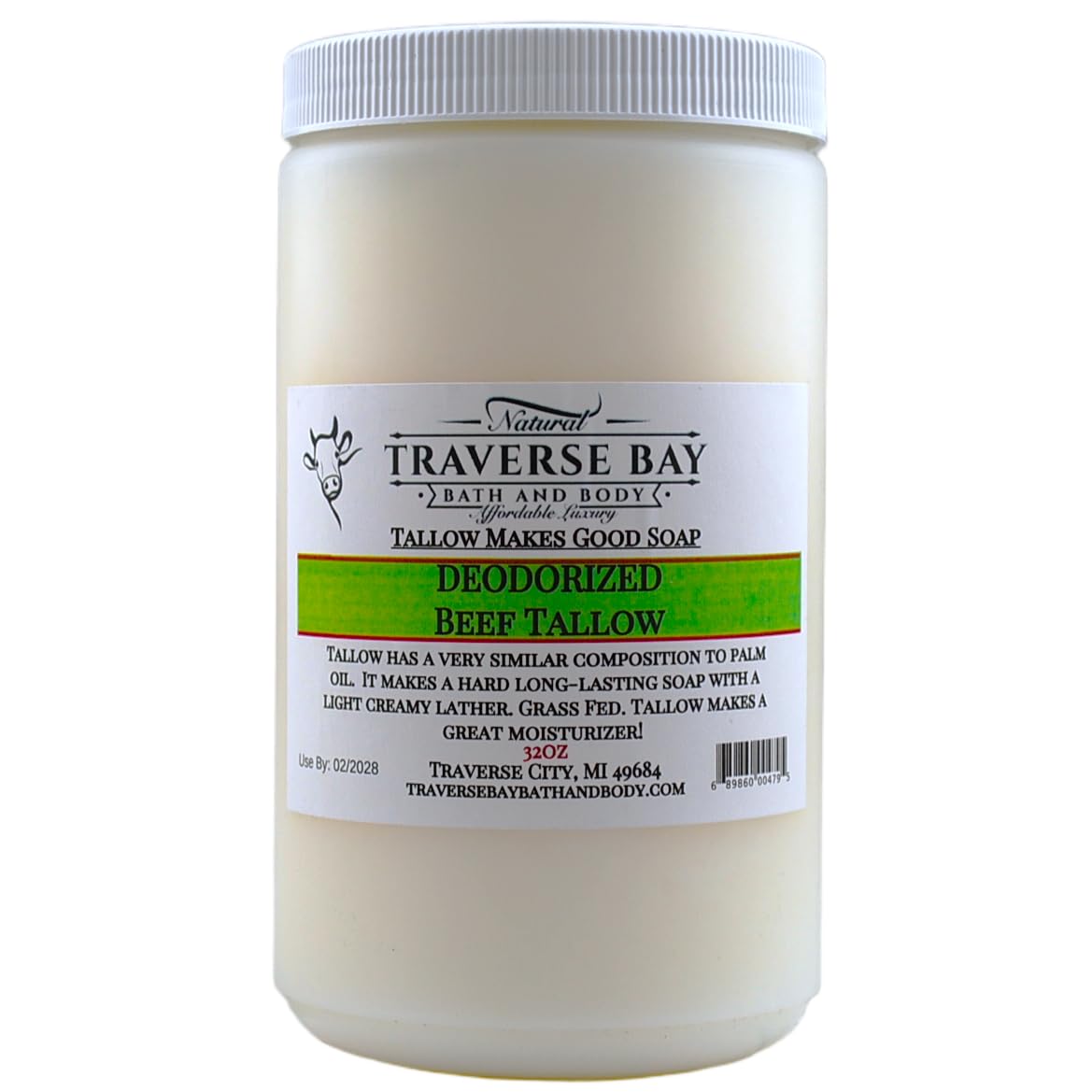
If you do not want to render at all but want grass-fed tallow already rendered, the 100% Pure Grass-Fed Beef Tallow 4 lb tub is the option I recommend most often. Math it out: 4 lbs of finished tallow is the yield from roughly 5 to 6 lbs of raw suet, and ordering it pre-rendered saves the afternoon of work. For DIY skincare base specifically, the Traverse Bay 32 oz jar is deodorized and runs cheaper per ounce.
Ethnic markets
This is the underrated tier. Halal butcher shops, Latin American carnicerias, Eastern European delis, and similar specialty shops often have whole-animal breakdown and the staff are usually comfortable selling raw fat directly.
Ask for “beef suet” or “raw beef fat for cooking.” Prices at ethnic markets are often the lowest you will find, sometimes under $1.50 per pound.
The trade-off is that you may not get to specify leaf vs back. Take what they have, render it, and decide what to use it for based on what comes out.
Local meat lockers and small processors
If you live in a rural area or near one, the local meat locker is your best source. They process locally raised animals and they almost always have suet available.
Call ahead. Tell them you want raw beef suet for rendering. Many will sell it at near-cost, $1 to $2 per pound, because they have more than they can move.
Price Expectations
A rough range based on what I have paid over the last few years:
- Free to $1/lb: Catch-as-catch-can from a friendly butcher who was going to discard scrap. Often happens once you become a regular.
- $1.50 to $3/lb: Standard butcher counter and farmers market pricing. This is the most common range.
- $3 to $5/lb: Specialty grass-fed sourcing, online ranches with shipping included.
- $5 to $8/lb: Premium online sourcing, wagyu suet, certified organic grass-finished.
For most home renderers, $2 to $3 per pound is the realistic budget. At that price, the rendered tallow comes out to roughly $3 to $4 per pound of finished product, which is well under what you would pay for an equivalent rendered jar.
If you do not have time or interest in rendering, buying rendered tallow from a tested brand is the sane move. The bulk tallow guide and the best tallow on Amazon buyers guide both walk through the brands worth your money.
What to Ask the Butcher
The right questions get you better fat.
“Can I get kidney fat, also called suet or leaf fat?” This signals you know what you want and saves the butcher from guessing. Most will set it aside for you.
“Is this fat fresh, or has it been frozen?” Fresh is best for yield and final quality. Frozen is fine if handled properly. Refrozen fat (frozen, thawed, refrozen) is the worst case and worth avoiding.
“What was this animal fed?” Some butchers know, some do not. Grass-fed and grass-finished produce slightly yellower, more flavorful tallow. Grain-fed produces whiter, more neutral tallow. Neither is wrong. They are different products. The grass-fed vs grain-fed post covers the practical differences.
“How long has this been in the case?” Fat starts to oxidize from the day it is exposed. Fresh-cut, same-day fat is best. A few days old is fine. A week-plus old in a display case is not great.
“Can I get a minimum of X pounds?” Decide in advance how much you want and ask for a target. Most butchers can accommodate 5 to 20 lb orders with a day or two of notice.
“Can you grind it for me?” This is optional. Coarser pieces render fine. Ground fat renders faster because of higher surface area. If your butcher has a grinder and a moment to spare, asking for a coarse grind is worth doing.
Freezing for Later Use
If you find a great source, buy more than you need and freeze.
Raw beef fat freezes well for 6+ months in airtight bags. Cut into roughly 1-inch chunks first, lay flat in a freezer bag, press out air, freeze flat. When you are ready to render, thaw a bag overnight in the fridge and render the next day.
Do not refreeze raw fat once it has thawed. The texture and yield degrade noticeably.
For really long-term storage, render first and freeze the finished tallow. Rendered tallow keeps in the freezer for years. The tallow storage guide covers freezing finished tallow in detail.
What I Would Do If Starting Today
If I had never rendered tallow and was starting from zero, here is what I would actually do.
Week 1: Buy a small jar of rendered tallow from a known source. Use 4 lb grass-fed tub or Traverse Bay 32 oz as a reference for what good rendered tallow looks, smells, and behaves like.
Week 2: Walk into the butcher counter at your nearest grocery store with a butcher. Ask for 2 lbs of any beef fat they have. Render it that weekend using the step by step home guide. Compare your result to the reference jar.
Week 3: Call a farmers market vendor. Ask if they have leaf fat from one of their animals. Schedule a pickup. Render that batch and compare again.
Month 2: Decide which type of fat fits your use case. If cooking, back fat or brisket trim is fine. If skincare, leaf fat is worth the search. Build a relationship with the source that gives you the best result.
After two or three rounds of this, you will have a butcher who texts you when they have fresh fat, a farmers market vendor who saves you a batch, and a freezer full of rendered tallow.
Frequently Asked Questions
Is suet the same as beef fat?
Almost. Technically suet refers specifically to the hard fat from around the kidneys (leaf fat). In common usage, “suet” often refers to any solid beef fat suitable for rendering or cooking. Most butchers will understand “suet” as a request for any clean white beef fat.
How much raw fat do I need to render 1 lb of tallow?
Roughly 1.2 to 1.5 lbs of raw fat per pound of finished tallow. Yield depends on fat type (leaf fat yields highest, brisket trim yields lower because of more meat content) and how clean it is when you start. I covered yield in more detail in the how much fat post.
Can I render beef fat I trim off steaks at home?
Yes. Save trim in the freezer until you have a pound or two and render it the same way. The yield is lower than dedicated suet but it costs you nothing.
What if my butcher has never been asked for suet before?
Be specific and patient. Say “the hard white fat from around the kidneys or the back of the animal.” Many butcher counter staff are used to disposing of suet rather than selling it, and your request might be the first time they have considered it. Offer to come back in a day or two.
Is grass-fed worth the price premium for rendering?
For cooking, probably not a meaningful difference once you taste both. For skincare, the nutrient profile of grass-fed (higher in fat-soluble vitamins, slightly different fatty acid ratios) is a real advantage. The best grass-fed tallow for skincare guide goes deeper on this.
Can I use beef fat from the supermarket clearance rack?
If it is still in date and looks clean, yes. Just render it quickly, ideally within a day of purchase. Older fat renders to lower-quality tallow with shorter shelf life.
Bottom Line
Leaf fat for the whitest, cleanest, most neutral tallow. Back fat for everyday cooking and DIY. Brisket trim for flavor-rich cooking applications. Mixed scraps for whatever the butcher has on hand.
Sources, in rough order of quality vs price: local meat lockers, ethnic markets, farmers markets, grocery store butcher counters, online grass-fed ranches. Expect to pay $1.50 to $3 per pound for the standard tier.
Build a butcher relationship. Ask specifically for what you want. Render in batches. Freeze what you cannot use right away.
And if you decide rendering is more project than you want to take on, grass-fed pre-rendered tallow or the budget-friendly Traverse Bay 32 oz jar will get you finished product for less money than the time investment of a home render. Both options are why my pantry has both home-rendered and pre-bought tallow in it at all times.
For more on what regions and butcher communities have the best suet access, the regional buying guides break it down by state.