

This post contains affiliate links. We may earn a commission if you purchase through these links, at no extra cost to you.
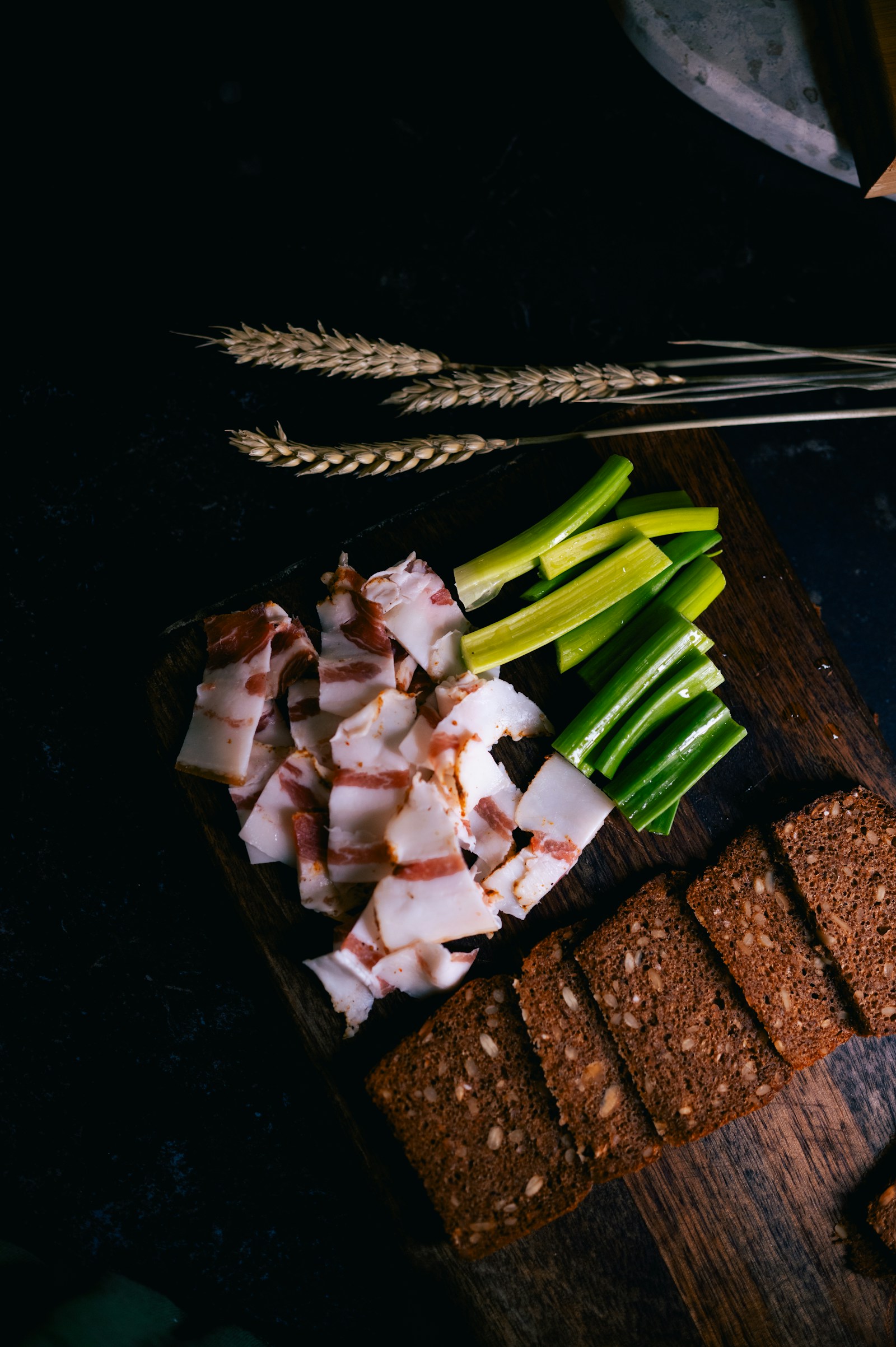
My grandmother used lard. My great-grandmother used both. Somewhere between her kitchen and mine, the entire country forgot how to cook with animal fat, and then remembered, and then started arguing about which one is better. So here is my honest answer after a couple years of using both side by side: it depends on what you are cooking, and neither one is the right pick for everything.
Pork lard is softer, milder, and bakes like a dream. Beef tallow is harder, beefier, and fries like nothing else. There is real overlap in the middle. There are also a few situations where one is clearly the better tool. This is the long version.
I already published a shorter tallow vs lard rundown a while back. This post is the longer, more nerdy version with the full chemistry, the regional cuisine context, and the actual head-to-head test results from my kitchen.
Quick Cheat Sheet
If you only have 30 seconds:
- Tallow has a higher smoke point. Better for frying.
- Lard has more unsaturated fat. Better for pie crust.
- Tallow tastes beefier. Lard tastes milder, almost neutral when high-quality.
- Tallow is harder at room temperature. Lard is softer and more spreadable.
- Both store for months. Both are cheap by weight. Both are stable.
Now the long version.
Smoke Point and Stability
Beef tallow sits at roughly 400F to 420F smoke point, depending on how clean the render is. Filtered, well-strained tallow runs at the higher end. Tallow with residual proteins or cracklings smokes earlier.
Pork lard runs about 370F to 400F smoke point. Leaf lard (the highest grade, rendered from the fat around the kidneys) lands at the top of that range. Back fat lard sits in the middle. Standard commercial lard from mixed fat sources comes in lower.
Tallow wins this by 20 to 30 degrees, which matters more than it sounds. At a 400F pan with cold chicken thighs going in, you get a quick temperature drop. Tallow has more headroom to absorb that drop without smoking. Lard often sits right at the smoke edge during a hard sear.
For deep frying, where you hold a steady 350F to 375F for an extended time, tallow is the better fit. The higher smoke point gives you a buffer. The stability under heat is also better. Tallow contains more saturated fat than lard, and saturated fats are more chemically stable when exposed to repeated high heat. A given batch of tallow will hold up to four or five fry sessions before the flavor breaks down. Lard will hold up to two or three.
I went deep on tallow specifically in the smoke point guide.
Fatty Acid Profiles Side By Side
Here is the actual chemistry. Per 100 grams:
Beef tallow
- Saturated fat: roughly 50g (palmitic 26%, stearic 14%, myristic 3%)
- Monounsaturated fat: roughly 42g (oleic 36%, palmitoleic 3%)
- Polyunsaturated fat: roughly 4g (linoleic 3%, linolenic 1%)
Pork lard
- Saturated fat: roughly 39g (palmitic 24%, stearic 13%)
- Monounsaturated fat: roughly 45g (oleic 41%, palmitoleic 2%)
- Polyunsaturated fat: roughly 11g (linoleic 10%, linolenic 1%)
The headline difference: lard has more polyunsaturated fat. Roughly three times as much. That single difference drives a lot of the practical cooking results downstream.
Lard’s higher polyunsaturated content is why it makes a flakier pie crust. The fatty acid mix creates a different crystal structure when it cools, and that structure traps air better when it goes into a hot oven. Tallow makes a sturdier, more crumbly crust because of the higher saturated and stearic content.
The same polyunsaturated content is why lard is less stable at high heat. Polyunsaturates oxidize faster than saturates. This is why I would not fry chicken in lard for the third time the way I would fry in tallow.
Both are roughly equal on monounsaturated fat. Both deliver a similar amount of oleic acid, which is the same fatty acid that makes olive oil famous.
Flavor
Beef tallow tastes like beef. Not aggressively, but unmistakably. You smell it when it melts in the pan. You taste it in the crust of whatever you cook in it. In some dishes that is a feature. In others it is a problem.
Pork lard is milder. Well-rendered leaf lard tastes like almost nothing. A faint sweetness, a clean fat note, but no obvious pork flavor. Commodity lard from the supermarket can have a faint porky tang that the leaf grade does not, but even there it is subtle.
For pie crust, lard’s neutrality is a huge advantage. You do not want your apple pie to taste like a pork chop. For a savory hand pie or a meat pie, lard is still the better choice for the same reason. You want the filling to do the talking.
For french fries, tallow’s beefiness is the entire point. McDonald’s fried in beef tallow until 1990 and the cultural memory of those fries still drives people to try the recipe at home. Lard fries are good. Tallow fries are unforgettable.
For tortillas, biscuits, and most baked goods that benefit from a fat with low flavor profile, lard wins. For roasted vegetables, breakfast hashes, and anything you want to push toward a steakhouse direction, tallow wins.
I wrote a longer breakdown of tallow flavor applications in the top cooking uses post.
Baking
This is where the two fats most clearly diverge.
Pie crust is a lard property. The flakiness, the layer separation, the snap of a good crust under a fork: these all happen because lard has the right fatty acid mix and the right melting curve to coat flour without bonding to it. A pie crust made with leaf lard and a little butter is the gold standard that most pastry chefs will privately admit beats an all-butter crust on texture, if not on flavor.
Tallow can make pie crust. I have done it. The crust is sturdier and slightly drier. It holds up to a wet filling well, but it does not flake the same way. For meat pies and tourtieres, tallow actually works. For sweet pies, lard is the better baking fat.
Biscuits go to lard for the same reason. The cold-cut lard chunks melt into the dough and create steam pockets, which expand the layers and create height. Tallow biscuits come out denser. Not bad. Just different.
For yeasted breads and enriched doughs that need a fat for tenderness rather than layering, both work fine. The flavor difference is the main consideration.
For cookies, tallow works better than most people expect. Shortbread made with tallow has a tender crumb and a faint savory depth that rounds out a buttery cookie. Lard works for shortbread too but the result is slightly more delicate.
Frying
Frying belongs to tallow. The higher smoke point, the better stability under heat, and the flavor it puts on the food all push the result toward something lard cannot match.
The classic test is french fries. A double-fry in tallow, with the first fry at 325F to cook the inside and the second fry at 375F to crisp the outside, makes fries that taste like a deep memory of restaurant fries from before vegetable oil took over. The tallow french fries recipe walks through the exact method.
For fried chicken, both work. Tallow gives a more savory crust. Lard gives a slightly more delicate texture. The Southern tradition leans toward lard for chicken in part because lard was what was available on every farm. If I had to choose, I would fry chicken in tallow now and serve it to a crowd that grew up on lard fried chicken just to start an argument.
For breaded vegetables, fish, and seafood, lard is often the better pick because the milder flavor lets the food taste like itself. Tallow can overwhelm delicate seafood.
For the best brands of tallow specifically formatted for deep frying, see best beef tallow for deep frying and best beef tallow for french fries.
Roasting and Sauteing
Both work. At moderate roasting temperatures of 375F to 425F, neither fat will smoke. The choice comes down to flavor pairing.
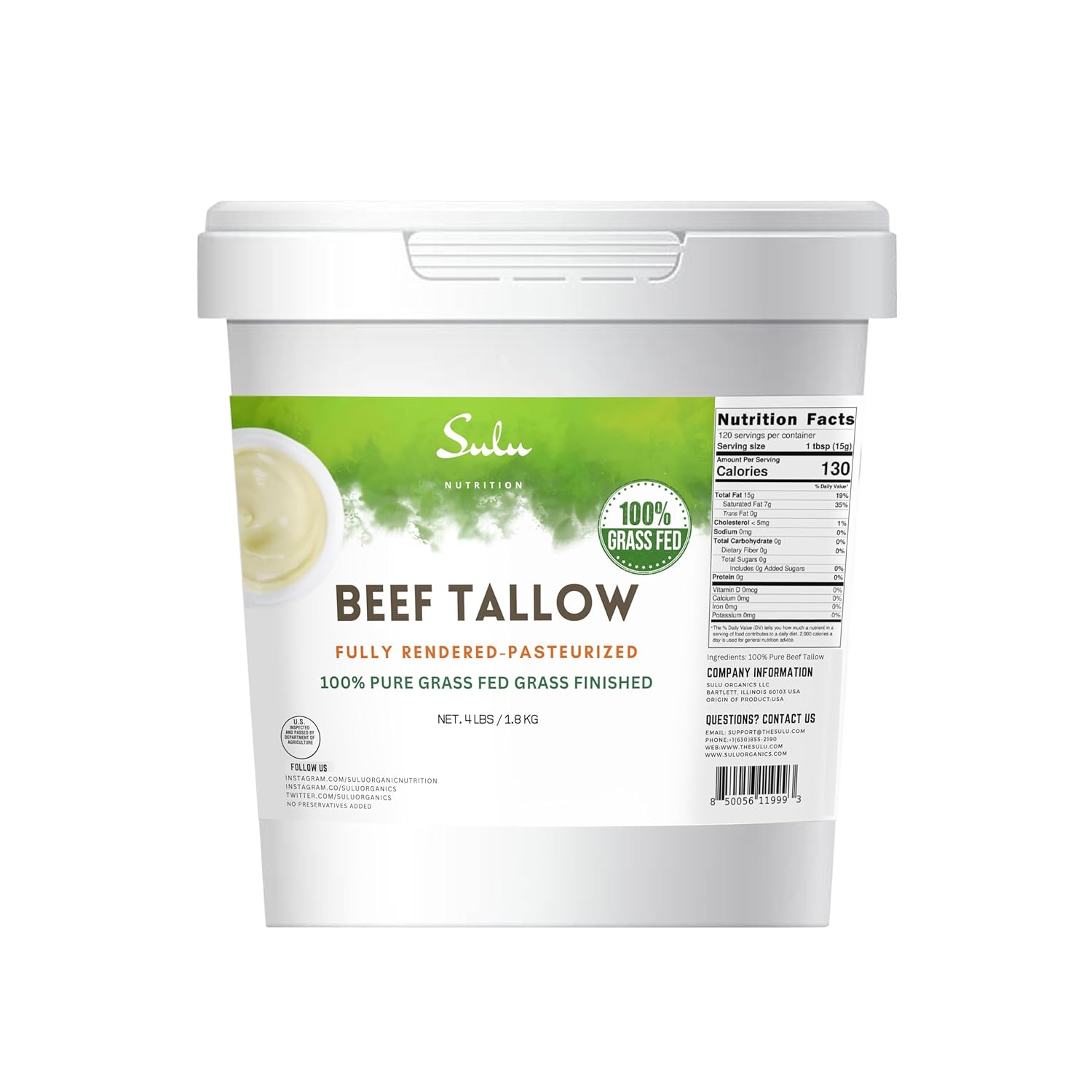
Tallow roasts vegetables beautifully. A spoonful melted over root vegetables, brussels sprouts, or potatoes before they go in a hot oven gives you caramelization with a savory depth that olive oil cannot match. The 100% Pure Grass-Fed Beef Tallow is what lives next to my stove for exactly this kind of work.
Lard roasts pork beautifully (no surprise) and works well with apples, squash, and anything with a sweet note. The neutrality means the vegetable flavor stays forward.
For sauteing onions and aromatics at the start of a stew or braise, both work. Tallow gives more body and a beefier foundation that fits in a beef stew or chili. Lard gives a cleaner base for delicate sauces or for dishes where the meat goes in later.
Regional Cuisines
The geography of fat is more interesting than most cooking writers admit.
Lard is the historical fat of Latin America, the American South, Eastern Europe, and traditional Chinese cooking. Pork was the household animal of choice across much of the world because pigs convert feed to body weight more efficiently than cattle. A small farm could keep a pig. Most could not keep a beef herd. Lard followed the pig.
This is why tamales are made with lard. Why refried beans are made with lard. Why the best biscuits in the South came from lard. Why pierogi dough wants lard. Why Cantonese stir fries used pork fat for centuries before peanut oil moved in.
Beef tallow is the historical fat of cattle cultures. The British Isles, the American beef belt, the Argentine pampas, parts of West Africa. Steak and kidney pie. Yorkshire pudding cooked in beef drippings. The classic British chip shop fried in tallow until the 1980s when the seed oil industry won the marketing battle.
The cultural pattern is not random. The fat that worked best with the meat that was being cooked was the fat people had on hand. Tallow paired naturally with beef. Lard paired naturally with pork. The cuisines built around those pairings still cook better with the matching fat.
Cost Per Ounce
Both are cheap by modern oil standards. A four-pound tub of grass-fed tallow lands around 30 to 40 cents per ounce. A 32 oz jar of Traverse Bay Farms tallow often comes in closer to 25 to 30 cents per ounce.
Pork lard is comparable. A standard tub of commercial lard from a grocery store runs around 20 to 30 cents per ounce. Leaf lard from a specialty supplier costs more, often around 50 to 70 cents per ounce, but the quality jump is real.
For raw cooking volume, both fats beat avocado oil, ghee, and most premium cooking oils on price. The bigger cost factor is sourcing quality. Commodity tallow and commodity lard from feedlot animals are nutritionally similar but flavor-wise inferior to pastured equivalents. If you cook a lot, the upgrade to grass-fed tallow or pastured leaf lard pays for itself in flavor.
Nutritional Profile
Calorie-wise both fats run about 115 calories per tablespoon. Both deliver fat-soluble vitamins (A, D, E, K) when sourced from pasture-raised animals.
Grass-fed tallow has measurable conjugated linoleic acid (CLA) and a more favorable omega-3 to omega-6 ratio than feedlot tallow. Pastured lard has similar advantages over commodity lard. The difference between grass-fed and grain-fed at the fatty acid level is more pronounced than most people assume. I covered the gap in detail in grass fed vs grain fed tallow.
Cholesterol content is roughly similar. Both fats contain dietary cholesterol, which a generation of nutrition advice told us to avoid and which more recent research has largely cleared. The 2020 review in the Journal of the American College of Cardiology by Astrup and colleagues is the cleanest recent summary if you want to read further.
For the broader science of how animal fats fit into a modern diet, the is tallow healthy science post covers what the actual literature says.
Storage
Both store for months at room temperature in a sealed container. Both store for a year or more in the refrigerator. Both freeze cleanly.
Tallow is harder at room temperature, almost waxy. You scoop it. Lard is softer, almost spreadable when fresh. The difference is the saturated fat content.
For long-term storage, the tallow storage and shelf life guide walks through the actual numbers and what to watch for.
Which Should You Buy?
If you can only have one in the pantry: tallow. The higher smoke point and the flavor make it more useful across the widest range of cooking. You can bake with tallow if you have to.
If you bake a lot and fry rarely: lard. The pie crust and biscuit advantage outweighs the smoke point gap.
If you can keep both: that is the right answer for most home cooks. A tub of grass-fed tallow for searing, frying, and roasted vegetables. A smaller jar of pastured leaf lard for pies and biscuits.
For broader brand picks specifically for tallow, see the best beef tallow on Amazon guide and the best bulk beef tallow comparison. For the side-by-side on the dynamic comparison page, see compare lard.
Frequently Asked Questions
Is beef tallow healthier than pork lard?
Both are similar at the macro level. Lard has more monounsaturated fat and more polyunsaturated fat. Tallow has more saturated fat, including more stearic acid which behaves differently from other saturated fats. Neither is obviously healthier than the other in isolation. The bigger question is what you replace with what. Both are better choices than industrial seed oils.
Can I substitute tallow for lard in baking?
You can, but the texture will change. Pie crust will be sturdier and less flaky. Biscuits will be denser. The flavor will lean savory and beefy rather than neutral. For meat pies and savory baking, the swap works well. For sweet pies and tender biscuits, lard is the better pick.
Why does lard make better pie crust?
The higher polyunsaturated fat content creates a different crystal structure when the dough is cold. That structure breaks into thinner layers in a hot oven, which produces the flaky texture pastry chefs prize. Tallow does not flake the same way because of the higher saturated fat content.
Does tallow taste like beef?
Yes. Not in an aggressive way, but distinctly. Well-rendered grass-fed tallow has a clean, slightly sweet beef flavor. Industrial tallow has a stronger, sometimes muskier note. If you do not want the food to taste like beef, use lard or a neutral oil.
Which one is better for frying chicken?
Tallow gives a more savory, structured crust. Lard gives a more delicate, traditional Southern crust. Both work. The choice is a flavor preference. For repeat fry sessions where you reuse the same fat, tallow holds up better.
Where does suet fit in?
Suet is unrendered beef fat, specifically the hard fat around the kidneys. When you render suet, you get the highest grade of tallow. Most commercial tallow comes from a mix of beef fat sources. For the difference between suet, leaf fat, and back fat, see types of beef tallow and suet vs tallow.
Bottom Line
Tallow and lard are not interchangeable, but they are complementary. Tallow wins frying, searing, and any dish where beef flavor is welcome. Lard wins pie crust, biscuits, and any dish where you want the fat to disappear. A jar of grass-fed tallow plus a small tub of leaf lard covers more cooking situations than any single oil ever will.