



Suet vs Tallow: The Difference, Plus Beef Suet Substitutes
Independent reviewSuet vs tallow explained: suet is raw kidney fat, tallow is rendered fat. Plus suet vs lard, beef suet uses, rendering suet into tallow, and suet substitutes.

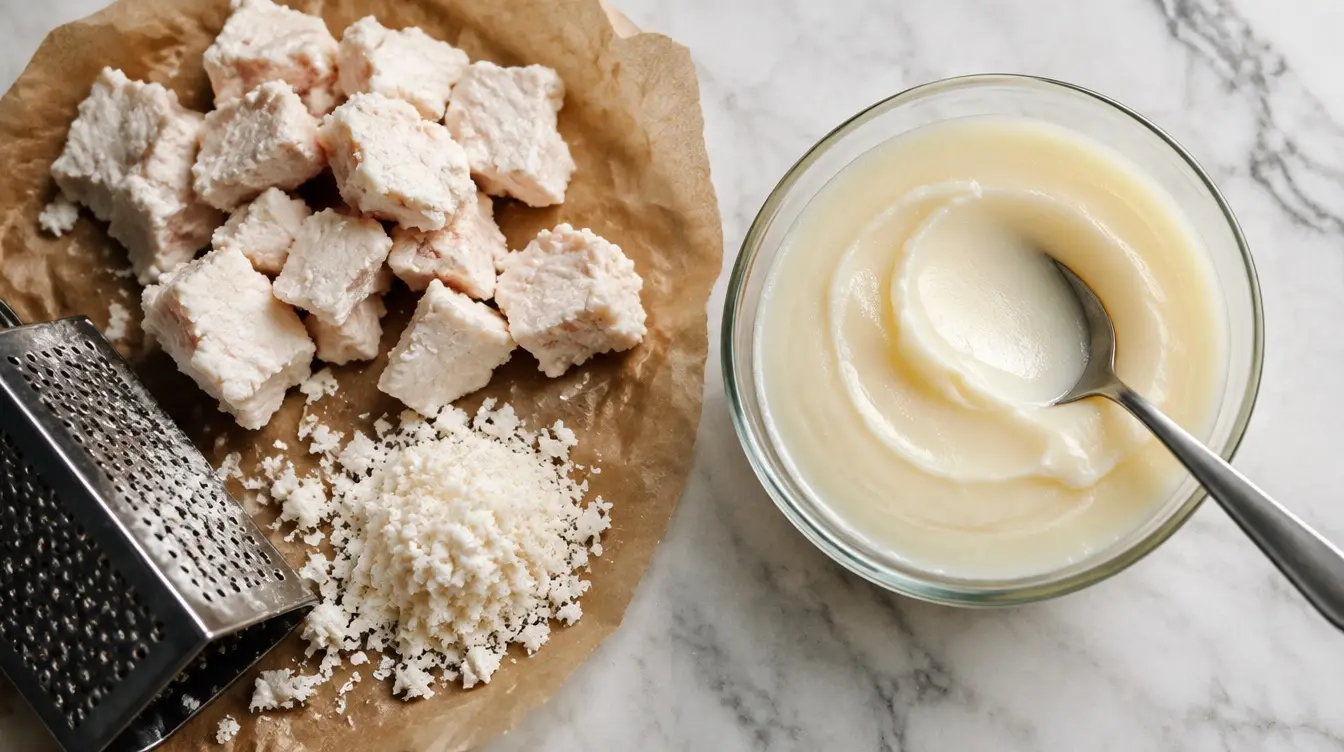
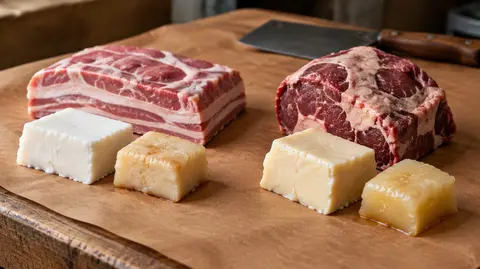
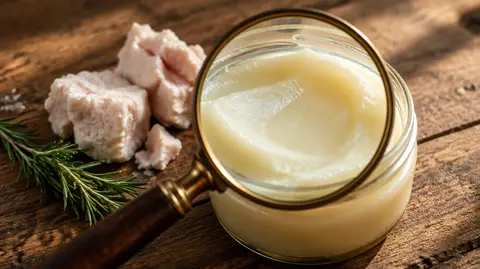
Quick answer: Suet is the raw, hard fat from around a cow’s kidneys and loins. Tallow is what you get after you render that fat: melt it, strain out the membrane and bits, and let it set. Suet is the ingredient; tallow is the finished, shelf-stable fat. They are not the same thing, but every high-quality tallow starts as suet.
We test and research the products we recommend. If you buy through our links, we may earn a commission at no extra cost to you.
Suet vs Tallow vs Lard at a Glance
| Beef suet | Beef tallow | Lard | |
|---|---|---|---|
| What it is | Raw fat from around beef kidneys and loins | Rendered (melted and strained) beef fat | Rendered pork fat |
| Animal | Cattle (also sheep) | Cattle (also sheep) | Pig |
| Processing | None; used raw or rendered | Rendered and strained | Rendered and strained |
| Texture | Hard, dry, crumbly when cold; can be grated | Smooth, firm, waxy | Soft, creamy, spreadable |
| Color | White with some membrane and red specks | White to pale yellow | Bright white |
| Shelf life | A few days refrigerated; months frozen | Months at room temp; a year or more refrigerated | About 6 months refrigerated |
| Smoke point | Not used for frying until rendered | About 400-420°F | About 370°F |
| Best for | Suet pastry, dumplings, Christmas pudding, mincemeat, rendering into tallow | Frying, roasting, searing, skincare, soap, candles | Pie crust, biscuits, tortillas, tamales |
Is Suet the Same as Tallow?
No. The two words describe the same fat at different stages:
- Suet is unprocessed. It still contains membrane, connective tissue, a little water, and sometimes traces of blood or meat. That is why it spoils within days in the fridge.
- Tallow is the purified fat left after rendering. With the water and proteins removed, it keeps for months.
The terms get mixed up for a few reasons. British recipes say “suet” for the grated fat in puddings and pastry, and the packaged “shredded suet” sold in UK supermarkets is processed beef fat shaped into strands and coated in flour, not raw kidney fat. In American usage, “suet” often means the seed-and-fat cakes sold for bird feeders, which are closer to tallow mixed with seed. Some brands also sell “rendered suet,” which is simply tallow made from suet.
Suet vs other beef fat
Not all beef fat is suet. Brisket trim, the fat cap on a roast, and marbling are beef fat but not suet. Suet comes specifically from around the kidneys and loins. That internal fat is harder, drier, and cleaner, with less connective tissue and a milder flavor than fat from under the skin. This is why suet makes the whitest, mildest tallow. For a breakdown by cut, see leaf fat vs kidney fat vs back fat.
Suet vs Lard
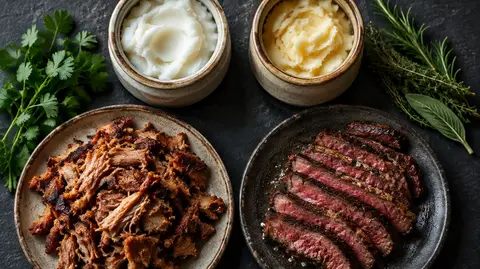
Suet and lard are different animals as well as different stages of processing. Suet is raw beef fat; lard is rendered pork fat. The closer comparison is tallow vs lard:
- Beef fat is more saturated and firmer; it melts at roughly 104-113°F.
- Pork fat is softer and more unsaturated; lard melts at roughly 86-104°F.
- Lard is milder in flavor and the traditional fat for flaky pie crust and tortillas.
- Tallow has the higher smoke point and is the better frying fat.
In recipes, suet and lard can stand in for each other in pastry, but lard makes a more tender, less crumbly crust and melts sooner during steaming. The full comparison is in beef tallow vs lard.
Beef Suet Uses
Suet has two main jobs: as a raw ingredient in traditional British cooking, and as the best raw material for rendering tallow.
As a raw ingredient (grated or shredded):
- Suet pastry for steak and kidney pudding, meat pies, and roly-poly
- Dumplings dropped into stews
- Christmas pudding and spotted dick
- Mincemeat for mince pies
- Sausage and burger blends, where a little suet adds moisture to lean meat
- Bird feeders, where suet or rendered fat is packed into cakes with seed (see tallow for bird feeding)
In the baking uses, the suet stays solid through mixing and melts slowly during steaming or baking, leaving small pockets that give suet pastry its light, slightly crumbly texture.
As the raw material for tallow: once rendered, suet becomes tallow for deep frying, searing, roasting, soap, candles, and balms.
Beef Suet for Tallow: How to Render Suet at Home
Suet is the best starting fat for tallow. It yields more fat per pound than trim, and the result is paler and milder.
- Chill the suet, then cut, grate, or grind it into small pieces. Smaller pieces render faster and more completely.
- Add the suet to a heavy pot or slow cooker with a splash (about 1/4 cup) of water to keep the bottom from scorching before the fat starts to melt.
- Heat low and slow, keeping the liquid fat roughly between 200 and 250°F. Stir now and then. The water cooks off, and browned bits (cracklings) float and then sink.
- Strain through a fine-mesh strainer lined with cheesecloth once the fat is clear and the cracklings stop releasing fat, usually after 2-4 hours.
- Cool and store in clean, dry jars.
Clean kidney suet typically yields roughly 65-80% of its raw weight as tallow; back fat and trim yield less. The yield calculator has the numbers by fat type, and the full method, including dry vs wet rendering and troubleshooting, is in how to render beef tallow at home. For temperature guidance, see rendering safety and temperature control.
Beef Suet Substitutes
If a recipe calls for beef suet and you cannot find it (or want a vegetarian option), these are the usual replacements. All swaps are by weight.
| Substitute | Ratio | Best for | Caveats |
|---|---|---|---|
| Frozen beef tallow, grated | 1:1 | Suet pastry, dumplings, puddings, mincemeat | The closest match in flavor and melting behavior; grate straight from the freezer |
| Vegetable suet (packaged, palm-oil based) | 1:1 | All suet recipes, vegetarian versions | Usually contains wheat flour, so it is not gluten-free; slightly less rich |
| Frozen butter, grated | 1:1 | Dumplings, Christmas pudding, mincemeat, sweet suet puddings | About 80% fat with water, and melts sooner, so results are softer and more cake-like; adds butter flavor |
| Vegetable shortening, chilled | 1:1 | Suet pastry and dumplings | Neutral flavor; softer than suet, so keep it cold and work quickly |
| Lard, chilled or frozen and grated | 1:1 | Savory pastry, meat puddings | Softer and melts earlier; slight pork flavor; more tender, less crumbly crust |
| Refined coconut oil, chilled and grated | 1:1 | Vegan puddings | Melts around 76°F, so it softens quickly while you handle it; can taste faintly of coconut if unrefined |
Some practical tips:
- Keep the substitute very cold. Suet works because it stays solid until the heat of the oven or steamer. Grate butter, tallow, or lard straight from the freezer and chill the mixed dough before cooking.
- Toss grated fat in a spoonful of the recipe’s flour to keep the strands from sticking together, which is what packaged shredded suet does.
- For mincemeat, grated frozen butter or vegetable suet work well. If the mincemeat will be stored, cook it briefly so the fat coats the fruit.
- For bird feeders, rendered tallow or lard work, and so do commercial “no-melt” blocks. Butter and oils do not set firmly enough.
Tallow is the closest beef suet replacement because it is the same fat with the membrane removed. For a small amount, Fatworks Grass-Fed Beef Tallow is an easy jar to freeze and grate. For regular baking and frying, the 100% Pure Grass-Fed Beef Tallow 4 lb tub is the bulk option.
When to Use Suet vs Tallow
Use raw suet when:
- A traditional British recipe calls for it (suet pastry, dumplings, Christmas pudding)
- You want to render your own tallow
- You are adding fat to ground meat or sausage
Use tallow when:
- Frying, searing, or roasting (suet’s membrane will not break down cleanly in a hot pan)
- You need a fat that keeps for months
- Making skincare balms, soap, or candles, where impurities in raw fat would cause off smells and spoilage
- Seasoning cast iron
Rough rules for recipes:
- Recipe calls for suet and you have tallow: freeze the tallow and grate it.
- Recipe calls for tallow and you have suet: render the suet first.
- Recipe says “beef fat” without specifying: rendered tallow is the safer default.
Where to Buy Suet and Tallow
Suet: ask a butcher for “beef kidney fat” or “suet for rendering.” Many sell it cheaply by the pound. Farmers market beef producers and some grocery meat counters also carry it, often frozen. Look for white or off-white fat that is firm, dry, and mild-smelling, with little red meat attached.
Tallow: widely available online and in natural grocers. The 100% Pure Grass-Fed Beef Tallow 4 lb tub covers cooking and DIY. Traverse Bay 32 oz is deodorized and a common base for balms and soap. For local sources by state, see where to buy beef tallow near me.
Frequently Asked Questions
What is the difference between suet and tallow?
Suet is raw beef fat from around the kidneys and loins. Tallow is fat that has been rendered and strained. Suet spoils in days; tallow keeps for months.
Is beef suet healthier than tallow?
They are nutritionally close, since tallow is essentially suet with the water and connective tissue removed. Per gram, tallow is slightly more concentrated fat. See beef tallow nutrition facts.
Is suet the same as lard?
No. Suet is raw beef fat; lard is rendered pork fat. Lard is softer and melts at a lower temperature.
Can you eat raw beef suet?
It is eaten in cooked dishes where it melts, such as puddings and dumplings. It is not eaten raw on its own.
Can I substitute tallow for suet?
Yes. Freeze the tallow and grate it, then use the same weight. It is the closest substitute because it is the same fat.
How long does suet last?
About a week in the fridge (use it within a few days if you can) and up to a year frozen. Rendered tallow lasts much longer. See does beef tallow go bad?
What is beef dripping?
Dripping is the fat and meat juices collected from roasting beef. It is rendered fat with extra roasted flavor and is closer to tallow than suet. See beef dripping vs beef tallow.
Where does the word “suet” come from?
It comes from Anglo-Norman French, ultimately from the Latin sebum, meaning tallow or grease.
Bottom Line
Suet is the raw fat; tallow is the rendered product. Use suet in traditional British pastry, dumplings, and puddings, or render it into tallow. Use tallow for frying, roasting, long storage, and DIY skincare, soap, and candles. If you need a beef suet substitute, frozen grated tallow is the closest match, with vegetable suet, frozen butter, shortening, and lard as workable alternatives.
Further Reading
Explore more tallow guides
Browse our collection of recipes, comparisons, reviews and DIY tutorials.
View all guidesKing Tallow is reader-supported. We research and test the products we recommend, and when you buy through links on this page we may earn a commission at no extra cost to you. See our affiliate disclosure.
Published · Last updated