

This post contains affiliate links. We may earn a commission if you purchase through these links, at no extra cost to you.
I render tallow in big batches. The kind where I clear the kitchen for an afternoon, set up two pots, and end up with 8 to 10 pounds of finished fat. That is a lot of tallow to store for one household, and I have made every storage mistake at least once.
Cloudy jars from moisture creeping in. A freezer container that cracked because I overfilled it. A bulk Mason jar that started to smell off about four months in because I kept opening it every day. The good news is that tallow is one of the most forgiving fats to store. The better news is that once you set up a real system, you barely think about it.
This is the system I use now. It covers pantry, fridge, and freezer, and the portioning strategy that has made my batches last as long as they should.
If you are looking for the science of why tallow lasts as long as it does, the shelf life and storage piece covers the chemistry. This post is the tactical “what jars do I buy and where do I put them” version.
The Ideal Container
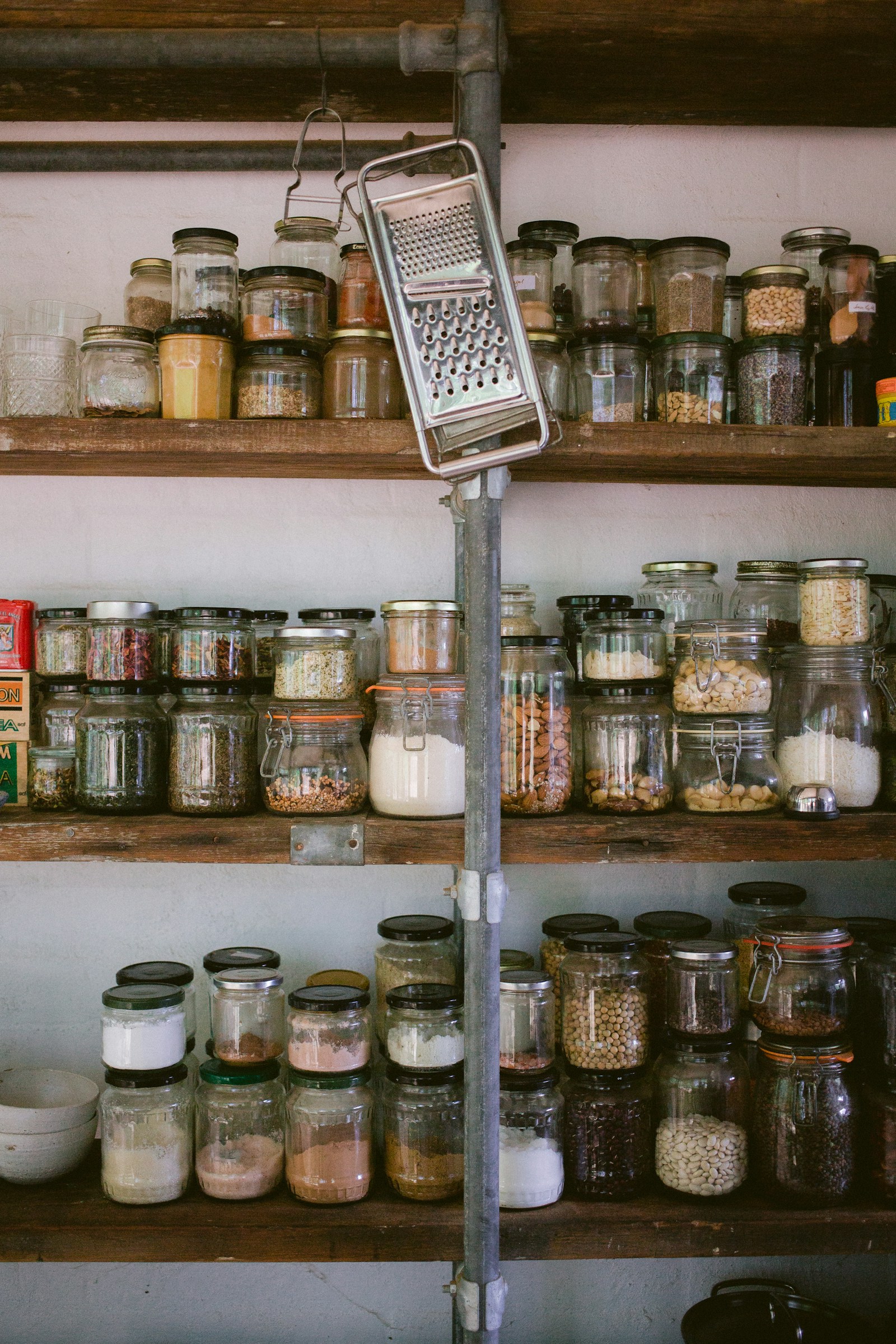
Glass with an airtight lid. Specifically, a wide-mouth Mason jar with a two-piece metal lid, or a Weck-style clamp-lid jar.
Why wide-mouth: you can get a spoon in there easily, and you do not end up scraping the sides of a narrow neck with your finger. Narrow-mouth jars seal slightly better but they are a pain to scoop from once they set.
Why glass: tallow is non-reactive, but plastic containers can absorb some of the fat soluble odors over time, and they can also leach minor amounts of compounds back into the fat under repeated heat-cool cycles. Glass is inert and you can see what is going on inside.
Why two-piece metal lid: the rubber gasket on a Mason lid creates a real seal once the jar cools. As long as the rubber is in good shape, moisture in the air stays out and the tallow stays clean.
Sizes I use:
- 4 oz jars for the bathroom (skincare use)
- 8 oz jars for daily kitchen use
- 16 oz jars for fridge stock
- 32 oz jars for freezer stock
Avoid:
- Quart-plus jars for active use. The headspace once you have scooped half of it out becomes a humidity trap.
- Anything with a non-sealing lid (like a decorative spice jar).
- Plastic containers for long-term storage. Fine for a week. Not great for a year.
- Old jars with sticky residue. Smell and flavor transfer is real.
Pantry Storage
Cool dark cabinet. 6 to 9 months of usable shelf life.
The actual conditions matter more than the calendar. A cabinet that stays under 70F year-round will hold tallow longer than one that sees 80F summers. Direct light, even indirect light through a frosted glass cabinet, slowly degrades the fat and shortens shelf life.
What I do: a dedicated low cabinet on the north wall of the kitchen, away from the oven and dishwasher. Jars stacked single layer, labeled with the date.
Pantry is the best storage tier for jars you are actively using every week or two. It is the worst storage tier for long-term backup. If a jar is going to sit untouched for 4 to 6 months, move it to fridge or freezer instead.
Always label the date. I use blue painter’s tape and a sharpie. Six months in, you will not remember which jar is from which batch.
Fridge Storage
12 to 18 months of usable shelf life. The cold slows oxidation dramatically.
Fridge storage has one trade-off everyone misses. Every time you open the jar in a humid environment (and a fridge is humid), a tiny amount of moisture condenses onto the cold surface of the tallow when you bring it back out into room-temperature air. Over months of open-close cycles, that moisture accumulates at the surface and can create a thin layer where mold or rancidity gets a foothold.
The fix is simple. Do not store your everyday-use jar in the fridge. Keep a small pantry jar for daily scooping, and use the fridge for jars you open once a week or less.
What I do: 16 oz jars in the fridge, opened once every two weeks to refill the 8 oz pantry jar. The fridge jars stay clean for the full 18 months.
Place jars in the main fridge compartment, not the door. Door storage gets the biggest temperature swings every time the fridge opens.
If you see condensation under the lid when you open a fridge jar, wipe it off with a clean dry cloth before sealing it back up.
Freezer Storage
3+ years of usable shelf life. The freezer is forever as far as tallow is concerned.
This is where I keep my bulk reserves. After a big render, I freeze 60 to 70 percent of the yield right away. It comes out tasting and looking exactly like the day it went in.
Container choices for freezer:
Wide-mouth Mason jars, half-pint or pint size. Leave 3/4 inch of headspace because fat expands slightly when it freezes. Do not freeze quart jars unless you know they are freezer-safe. The wide-mouth shape and the headspace are what prevent cracking.
Vacuum sealed bags. This is the highest-density option for freezer space. Portion into 8 to 16 oz blocks, vacuum seal flat, freeze flat, then stack. A pound of tallow takes up about the same footprint as a deck of cards this way.
Silicone freezer molds. If you cook with tallow daily, freezing into 2 tablespoon portions in a silicone mold and then transferring to a sealed bag means you grab the exact amount you need without thawing a whole jar.
Thawing: move from freezer to fridge a day before you need it. Tallow at room temperature gets there fast once it is out of the freezer, but the fridge-thaw step prevents any condensation from forming. If you are using it for cooking, you can put a frozen chunk straight into a hot pan without thawing.
The freezer is also where I keep tallow I have flavored or infused. Once you add herbs, garlic, or other aromatics, shelf life drops fast. Freezer storage extends infused tallow from a couple weeks to many months. The herb infusion guide covers this in detail.
Portioning Strategies
This is what separates “I have tallow in the cabinet” from “I have a tallow system that actually works.”
After a render, before you fill any jars, decide how the batch is going to flow through your kitchen for the next year.
My standard setup for a 10 lb yield:
- 8 oz pantry jar for daily cooking and skincare
- 8 oz bathroom jar for skincare only
- Two 16 oz fridge jars (about 4 weeks of supply each)
- Six 16 oz freezer jars (the long-term reserve)
- One 8 oz freezer jar of “skincare-grade” tallow, deodorized and filtered twice for DIY projects
This gets me roughly 10 to 12 months of use without ever opening the freezer jars until needed, and never leaving a half-empty jar sitting around going stale.
If you have not done your own render yet and want to start with a ready jar to learn how it should look, smell, and behave, grass-fed tallow 4 lb tub is what I keep on hand as a reference. Or for skincare-only use, the Traverse Bay 32 oz jar is the deodorized version I prefer.
Signs of Spoilage
Tallow does go bad eventually. The signs are clear once you know what to look for.
Smell. Fresh tallow smells like clean rendered beef fat, mild and slightly sweet. Spoiled tallow smells sharp, sour, or like crayons (a classic sign of fat oxidation). If you open a jar and your gut reaction is “that smells off,” trust your nose.
Color. Surface yellowing or brown spotting is the visible cue. Some yellow under the surface is normal for grass-fed tallow. Patchy brown discoloration or a green tinge is not.
Texture. Spoiled tallow can develop a soft, almost sweaty surface even when stored cold. Fresh tallow at fridge temperature should be hard.
Mold. Rare but possible if moisture got in. Any visible fuzz means the whole jar goes.
The does beef tallow go bad post has more detail on borderline cases and what to do about a jar you are not sure about.
Frequently Asked Questions
Can I store rendered tallow at room temperature without it going bad?
Yes, for 6 to 9 months in a cool dark spot. Past that, oxidation gradually catches up even with a sealed jar. Move long-term backup to fridge or freezer.
Does tallow need to be refrigerated after opening?
No, as long as you are actively using it within a couple months and your kitchen is not unusually warm. Cabinet storage is fine. If you live somewhere that sees 85F+ kitchen temperatures, fridge becomes the better default.
What happens if my tallow gets a little water in it?
Small amounts of water create cloudy patches and shorten shelf life because they create local environments for microbes to grow. If you spot a small wet patch, scoop the affected area out with a clean spoon and discard it. Re-render the rest of the jar by gently warming until liquid, then re-cooling. That kills any contamination.
Can I store tallow in plastic containers?
For short-term use, yes. For long-term storage, glass is significantly better. Plastic can absorb fat-soluble compounds and the seal degrades over months. I have had plastic containers leave a faint plastic smell in tallow after about 6 months.
How do I know if a jar from the freezer is still good after a year or two?
Smell test and visual check when you thaw it. If it smells clean and looks the same color as when you froze it, it is fine. Freezer storage is so kind to tallow that I have used jars 2+ years old without issue.
Do I need to vacuum seal for the freezer?
No, but it is the highest-density option for freezer space and the best protection against freezer burn. Wide-mouth Mason jars with proper headspace work fine for years.
Bottom Line
Glass jars with airtight lids. Pantry for active use, fridge for the next-in-line backup, freezer for the bulk reserve. Portion into the sizes you actually go through in a few weeks, not the biggest jar you have on hand. Label every jar with the date.
For most home users, a 16 oz fridge jar and a few 16 oz freezer jars covers the year. If you are working through bulk yields from a real render, scale up the freezer side. The home rendering guide covers how to get the most yield out of a batch, and the shelf life chemistry post goes deeper into why these timelines work the way they do.
Stored right, tallow is one of the longest-lasting fats in your kitchen. Stored wrong, it goes off faster than it should. The difference is mostly in the system.