Bison Tallow vs Beef Tallow: Is It Worth the Premium?
Independent reviewHonest comparison of bison vs beef tallow: omega-3 ratio, flavor, cost, and when paying 2x for bison actually makes sense (and when grass-fed beef wins).

This post contains affiliate links. We may earn a commission if you purchase through these links, at no extra cost to you.
I bought my first jar of bison tallow about two years ago because a reader kept pestering me to try it. Shipped, it cost more than twice as much per ounce as the grass-fed beef tallow I was buying at the time. So the question I wanted to answer was simple: is bison tallow more than twice as good as grass-fed beef tallow?
I have now bought bison tallow three times from two different producers. I have used it for cooking, for skincare, and for a couple of head-to-head taste tests with friends who are real food nerds. This is the honest comparison I would give a friend who asked whether to spend the money.
Short answer: most people don’t need bison tallow, but a few specific uses make it worth the premium. If you want to try it, the two easiest jars to buy are Fatworks Pasture-Raised Bison Tallow and EPIC Bison Tallow (11 oz). Here is how to tell whether you’re in the group that should.
The Quick Comparison
| Attribute | Bison Tallow | Grass-Fed Beef Tallow | Grain-Fed Beef Tallow |
|---|---|---|---|
| Smoke point | 400°F | 400°F | 400°F |
| Texture (room temp) | Firm, slightly softer | Firm | Firm |
| Flavor | Mild, slightly sweet | Mildly beefy | More distinctly beefy |
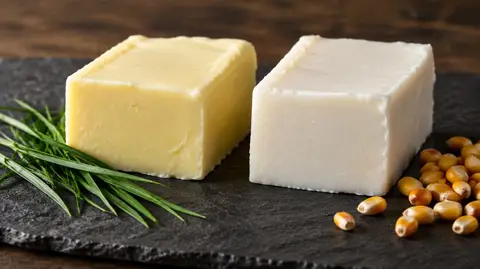
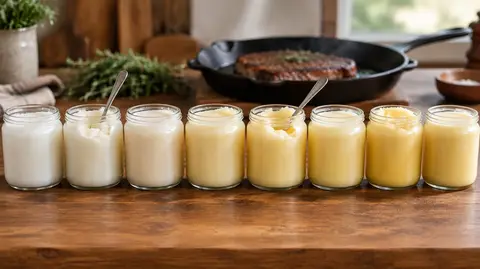
| Color | Pale yellow to golden | Yellow | Pale cream to white |
| Omega-3 ratio | Higher | High | Lower |
| CLA content | High | High | Lower |
| Price tier | $$$ | $$ | $ |
| Availability | Amazon (Fatworks, EPIC), ranches, some grocers | Widely available | Widely available |
The smoke point, melt point, and cooking behavior are essentially identical between bison and grass-fed beef. Where they diverge is fatty acid profile (slightly) and flavor (modestly), and that is where the price question gets answered.
What Makes Bison Tallow Different
Bison and beef cattle are different species (Bison bison versus Bos taurus) but both produce a similar saturated-fat-heavy rendered tallow. The differences are real but smaller than the marketing suggests.
Diet drives most of the difference. Almost all commercially available bison in the US is grass-fed and grass-finished. Bison are difficult to raise in feedlot environments and most producers do not try. So when you compare bison tallow to feedlot beef tallow, you are mostly comparing grass-finished to grain-finished diet, not bison to beef.
When you compare bison tallow to grass-finished beef tallow, the difference shrinks substantially.
Bison body fat is leaner. A finished bison cow runs 8 to 14 percent body fat at harvest. A finished grass-fed beef steer runs 18 to 22 percent. That means rendering yield per animal is lower for bison and the fat itself is concentrated in different deposits.
The omega-3 ratio is slightly better. Figures vary by herd and diet, but bison fat is generally reported in a lower omega-6 to omega-3 range (roughly 2:1 to 3:1) than grass-fed beef (roughly 3:1 to 4:1), while grain-fed beef often runs 10:1 or higher. The gap between bison and grass-fed beef is small. The gap between either of them and feedlot beef tallow is large. Keep in mind that tallow is mostly saturated and monounsaturated fat, so the omega-3 content in absolute terms is small either way.
CLA content is comparable. Both grass-finished bison and grass-finished beef tallow carry meaningful CLA (conjugated linoleic acid). Some studies show bison slightly higher. Others show no statistical difference.
Flavor is mildly sweeter. This is the difference most people actually taste. Bison tallow has a faintly sweet finish where beef tallow finishes with a slight savory umami note. It is subtle. In a blind cooking test with three friends, two could tell the difference in a roast, one could not.
When Bison Tallow Is Worth the Premium
Three honest use cases.
1. Carnivore Purists Who Want Variety
If you eat a strict carnivore or animal-based diet and you use tallow as a meaningful percentage of your daily calories, rotating between fat sources matters. The slightly different fatty acid profile between bison and beef tallow is small in any single application but meaningful over months of daily use.
For this audience, bison tallow is a worthwhile addition to a beef-tallow base, not a replacement. Use bison tallow for variety on roasted vegetables and morning cooking, beef tallow for everything else.
For broader context on cooking fat rotation, the tallow on a carnivore diet guide covers how I think about fat-source variety.
2. Beef Allergy Questions (Talk to Your Allergist First)
People sometimes ask whether bison is a safe swap for a beef allergy. Don’t assume it is. Alpha-gal syndrome, the most common cause of red-meat allergy in the US, is triggered by a sugar found in almost all non-primate mammals, bison included, and some people with alpha-gal react to rendered fats as well as meat. A small number of people with other, protein-specific beef allergies may tolerate bison, but that is something to establish with an allergist, not by experimenting at home.
3. Niche Flavor Preference
Some dishes benefit from a faintly sweeter, less-beefy finish. Roasted root vegetables, certain gamebird preparations, and traditional plains-cuisine dishes (bison or venison preparations especially) all gain something from bison tallow specifically. If you cook these dishes regularly, the flavor justifies the price for those uses.
For most cooking, the flavor difference is too subtle to justify the cost gap.
4. Sensitive Skincare
This is a smaller case, and there’s no research comparing bison and beef tallow on skin. A few people I know with reactive skin say bison tallow balms bother them less than beef tallow balms, which is anecdote, not evidence. If beef tallow irritated your skin, patch-test a small amount of bison tallow before you buy a larger jar.
For everyday skincare, grass-fed beef tallow products do everything bison tallow does at a fraction of the cost. The Amallow Unscented Whipped Tallow Balm is the daily commercial option I send people to first. For ultra-sensitive skin, the Terra Lotus Organic Unscented Tallow Balm is the minimal-ingredient pick.
When Bison Tallow Is Not Worth the Premium
Most use cases. Specifically:
General cooking. A grass-fed beef tallow does everything bison tallow does in a pan or oven, at roughly half the price. The smoke point, melt behavior, and oxidative stability are functionally identical. The flavor difference is so subtle most eaters cannot identify it blind.
Skincare DIY base. Bison tallow makes a fine balm, but so does grass-fed beef tallow at about half the price. A bulk grass-fed beef tub costs less per batch than any bison source I have found.
Frying and high-volume cooking. If you are deep-frying fries or a turkey, bison tallow at 2 to 3 times the cost makes no sense. The beef tallow fries recipe uses 2 to 3 cups of tallow per batch, which at bison prices is an expensive fry session. The best beef tallow for deep frying guide covers cheaper frying fats.
Anyone who is not already cooking with grass-fed beef tallow. If you have been cooking with grain-finished commodity beef tallow and you want to upgrade, switch to grass-fed beef tallow first. The improvement from feedlot beef tallow to grass-finished beef tallow is roughly 80 percent of the improvement available. The further upgrade from grass-finished beef to bison is the remaining 20 percent and you pay twice the price for it.
The Price Math In Practice
Here’s how my last few purchases of each compared.
- Grass-fed beef tallow (4 lb tub on Amazon): the cheapest per pound of anything I buy.
- Bison tallow (1 lb direct from a ranch, plus shipping): a bit over three times the per-pound cost of the beef tub.
- Jarred bison tallow on Amazon (Fatworks, EPIC): cheaper per pound than direct-from-ranch once you count shipping, but still at least double the beef tub.
Even when you can buy bison in larger quantities, which is hard, the premium rarely drops below 2x. If you use about a pound of tallow a month for cooking and skincare combined, that multiple adds up to a real difference over a year. Check current prices, since they change often.
For broader pricing reference across tallow types, the tallow price guide covers what you should expect to pay across categories.
Where to Buy Bison Tallow
Jarred bison tallow on Amazon. Two established cooking-fat brands sell bison tallow on Amazon:
- Fatworks Pasture-Raised Bison Tallow, from the independent Colorado tallow company. See the Fatworks review for how the brand’s beef tallow performs.
- EPIC Bison Tallow, 11 oz, the bison version of EPIC’s grocery-store jar. It is also listed on Whole Foods Market’s website (as of September 2026; stock varies by store). See the EPIC beef tallow review.
Direct from bison ranches. Bison ranches that ship meat nationwide, such as Northstar Bison (Wisconsin) and Wild Idea Buffalo (South Dakota), are worth asking about rendered fat or raw bison suet. What’s in stock varies, and shipping adds to the cost.
Specialty butchers and ranch outlets. Some grass-fed beef ranches also raise small bison herds and render the fat. Ask.
Farmers markets. Less common than beef vendors but worth asking at any vendor who sells bison meat. Many will render and bring to a future market if you request.
For more on bison tallow as an ingredient, the dedicated /tallow/bison/ page covers the full profile.
If you want a quality reference for grass-finished beef tallow before you compare, the best grass-fed beef tallow for skincare breakdown covers what high-quality looks like in the category that is most often compared with bison.
Frequently Asked Questions
Is bison tallow healthier than grass-fed beef tallow?
Slightly, on paper. The omega-3 ratio is modestly better. CLA is comparable. In any single meal the difference is not measurable. Over years of consistent use it may matter at the margin. It is not 2 to 3 times healthier in any meaningful sense.
Can I substitute bison tallow 1:1 for beef tallow in recipes?
Yes. The cooking behavior is essentially identical. You may notice a slightly sweeter finish in some dishes. No recipe adjustments are needed.
Why is bison tallow so much more expensive?
Lower per-animal yield (leaner cattle), smaller production scale (bison ranching is niche), and most bison is grass-finished by default which adds production cost compared to grain-finished beef.
Is bison tallow the same as buffalo tallow?
In common American usage, yes. Technically “buffalo” refers to water buffalo and African buffalo, while “bison” refers to the American bison. Almost all US producers use the terms interchangeably for bison products.
Can I use bison tallow for skincare?
Yes. It makes excellent balm and absorbs similarly to grass-fed beef tallow. Whether the cost premium is worth it for skincare depends on whether you have specifically had issues with beef tallow on your skin. For most people, grass-fed beef tallow does the same job.
Does bison tallow taste like beef tallow?
Close, with a faintly sweeter finish and slightly less savory umami note. Most people cannot identify the difference in blind taste tests on neutral dishes. Some people identify it consistently in roasts and vegetables. None of my friends found the difference dramatic enough to justify the price gap on flavor grounds alone.
Bottom Line
Bison tallow is genuinely a high-quality fat. It is not 2 to 3 times higher quality than grass-finished beef tallow. The cost premium reflects scarcity and small-batch production, not a proportional jump in usefulness.
If you cook with grain-finished commodity beef tallow today, upgrade to a quality grass-finished beef tallow like the 4 lb grass-fed jar first. That single upgrade captures most of the available improvement at a fraction of the price.
Consider bison tallow if you are already using grass-fed beef tallow, you want to rotate fat sources, and you cook dishes where the subtle flavor difference matters. A small jar such as Fatworks Bison Tallow is the low-risk way to try it. For everyday cooking and DIY skincare, grass-fed beef tallow is the better value by a wide margin.
If you want to keep exploring tallow varieties, the bison tallow page and the grass-fed vs grain-fed comparison both go deeper on the tradeoffs. The honest takeaway is that the biggest quality jump available in tallow is grass-finishing, not species. Spend your money there first.
Explore more tallow guides
Browse our collection of recipes, comparisons, reviews and DIY tutorials.
View all guidesKing Tallow is reader-supported. We research and test the products we recommend, and when you buy through links on this page we may earn a commission at no extra cost to you. See our affiliate disclosure.
Published · Last updated