
Tallow Sunscreen: Does Beef Tallow Work as Sunscreen? (Honest Answer)
Reader-supportedDoes tallow work as sunscreen? No. Tallow has no tested SPF. Here is why fats don't block UV, what FDA rules require, and how to pair tallow with real SPF.

This post contains affiliate links. We may earn a commission if you purchase through these links, at no extra cost to you.
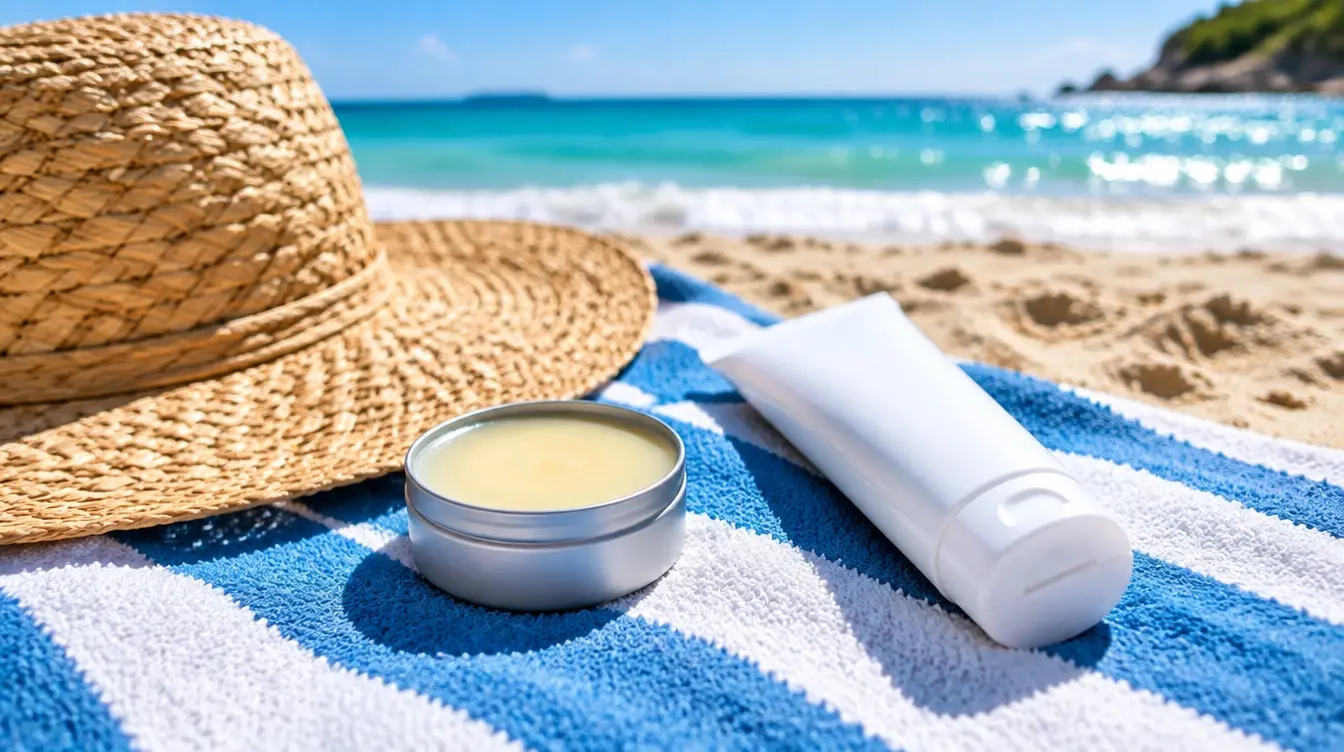
No, beef tallow does not work as a sunscreen. Plain tallow has no tested SPF, it doesn’t meaningfully absorb or block the UV wavelengths that cause sunburn and skin cancer, and under US rules nothing can be sold as sun protection without passing standardized SPF testing. The “tallow sunscreens” on the market get their protection from zinc oxide, not from the tallow. If you like tallow, use it as the moisturizer under a broad-spectrum SPF 30 or higher, or as an after-sun balm once a burn has cooled.
The rest of this page explains why, what the studies on oils actually measured, how to read the label on a tallow-based sunscreen, and how to fit tallow into a routine that protects your skin.
What Is the SPF of Beef Tallow?
There is no published, standardized SPF value for beef tallow. SPF (sun protection factor) is measured on human volunteers under a specific protocol: sunscreen is applied at 2 mg per square centimeter, skin is exposed to a UV lamp, and the dose needed to cause redness is compared with unprotected skin. Tallow has never gone through that test as a finished product, so any number you see quoted for “tallow SPF” is a guess.
What we can say from chemistry is that the number would be very low. Here’s why.
Why Fats Don’t Block UV
Sunlight’s harmful UV comes in two bands that sunscreens target:
- UVB (290-320 nm): the main cause of sunburn, measured by the SPF number.
- UVA (320-400 nm): penetrates deeper, drives photoaging, and contributes to skin cancer. “Broad spectrum” on a label means the product also passed a UVA test.
A sunscreen ingredient works in one of two ways. Organic filters such as avobenzone or octocrylene have molecular structures (conjugated ring systems) that absorb UV energy in those bands. Mineral filters, zinc oxide and titanium dioxide, absorb and scatter UV as particles sitting on the skin.
Tallow is about 95% triglycerides built from palmitic, stearic, and oleic acids. Those fatty acid chains don’t have the conjugated structures that absorb strongly between 290 and 400 nm. A thin film of tallow on the skin lets most UV pass straight through.
What about the vitamins? Tallow contains small amounts of vitamin E. USDA’s FoodData Central lists about 2.7 mg per 100 g of beef tallow. A pea-sized amount on your face is well under a gram, so it delivers a tiny fraction of a milligram. Vitamin E is an antioxidant, and antioxidants may help limit some downstream oxidative damage, but they don’t stop UV from reaching the skin and are not counted as SPF. We cover the vitamin claims in more detail in is tallow good for skin? what the science says.
What the Studies on Oils Actually Found
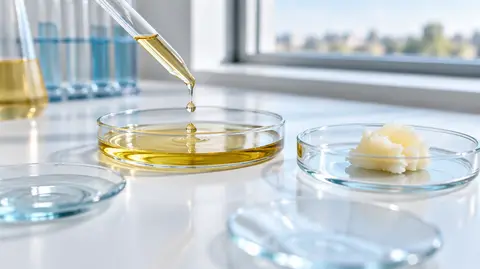
The “natural oils have SPF” idea usually traces back to one paper: Kaur and Saraf, “In vitro sun protection factor determination of herbal oils used in cosmetics,” Pharmacognosy Research, 2010. The authors measured UV absorbance of diluted oils in a spectrophotometer and converted it to an estimated SPF. Fixed oils scored between about 2 and 8, with olive and coconut oil at the top of that range.
Three things are worth knowing about that study:
- It didn’t test tallow. Only plant oils and essential oils were measured.
- It was in vitro. The oils were diluted in solution and read in a machine, not applied to human skin and exposed to UV. In-vitro estimates like these don’t reliably predict protection on real skin.
- Even the top result is below the recommended minimum. An SPF 8, if it held up on skin, would still fall short of the SPF 30 the American Academy of Dermatology recommends, and there’s no UVA data.
A second study shows where this leads. Researchers analyzing homemade sunscreen content on Pinterest (Merten et al., “Pinterest Homemade Sunscreens: A Recipe for Sunburn,” Health Communication, 2019/2020) found that 95% of the pins they reviewed described homemade sunscreens as effective, and about 68% promoted recipes that would give insufficient UV protection. Many of those recipes were built on oils and butters.
What US Rules Say About Calling Something a Sunscreen
In the United States, sunscreen is an over-the-counter drug, not a cosmetic. That shapes what any tallow product can legally claim.
- Only tested products can list an SPF. SPF and broad-spectrum claims must be backed by the testing methods in FDA regulations (21 CFR 201.327). A product that hasn’t been tested can’t print an SPF number.
- Active ingredients are limited. Sunscreens must use approved active ingredients under the federal OTC sunscreen monograph (now OTC Monograph M020, under the 2020 CARES Act reforms). In its 2019 proposed rule, FDA said only two actives, zinc oxide and titanium dioxide, had enough data to be considered generally recognized as safe and effective. Tallow isn’t a sunscreen active at all.
- Real sunscreens have a Drug Facts panel. It lists the active ingredient with a percentage, the SPF, whether it’s broad spectrum, and any water-resistance claim (40 or 80 minutes).
So when a brand markets a tallow product for “sun protection” without an SPF number or Drug Facts panel, it is telling you, in regulatory terms, that the product hasn’t been tested as a sunscreen.
”Tallow Sunscreen” Products: How to Read the Label
Several tallow skincare brands now sell sun products. They fall into two groups, and the label tells you which one you’re holding.
Group 1: Tested sunscreens that contain tallow. These are real sunscreens where zinc oxide is the active ingredient and tallow is one of the inactive ingredients. Primally Pure’s Sun Cream SPF 30 is an example. According to the brand’s product page, it uses 25% non-nano zinc oxide as the active, is labeled broad spectrum SPF 30 and water resistant (80 minutes), and lists organic tallow, beeswax, coconut oil, mango butter, and vitamin E among its inactive ingredients. The protection comes from the zinc. The tallow is there for texture and moisture. (Searches for “primally pure tallow sunscreen” are usually looking for this product.)
Group 2: Tallow balms with zinc but no SPF claim. Santa Cruz Paleo sells a Beef Tallow Sun Balm whose Amazon listing title describes it as containing non-nano zinc oxide while also calling it “Sunscreen Free.” Zinc oxide in a balm does block some UV, but without standardized testing nobody can tell you how much, whether it’s evenly dispersed, or how it holds up to sweat. Treat a product like this as a moisturizer, not as your sun protection. For the brand’s core moisturizer, see our Santa Cruz Paleo review.
If you’re checking another brand (searches for “terra lotus sunscreen” and similar are common), apply the same test:
| Check on the label | What you want to see |
|---|---|
| Drug Facts panel | Present |
| Active ingredient | Zinc oxide and/or titanium dioxide (or other approved filters), with a percentage |
| SPF number | 30 or higher |
| ”Broad spectrum” | Yes |
| Water resistance | 40 or 80 minutes if you’ll swim or sweat |
| Tallow | Fine as an inactive ingredient; it doesn’t count toward protection |
If the first three rows aren’t there, treat the product as a balm rather than sun protection.
Can You Make Your Own Tallow Sunscreen With Zinc?
We don’t recommend it. Commercial mineral sunscreens use carefully sized zinc particles, dispersing agents, and mixing processes to spread the particles evenly, then verify the result with SPF testing. Stirring zinc powder into melted tallow at home tends to produce clumps and bare patches, and you have no way to measure the result. The Pinterest study above found exactly this problem across popular DIY recipes. Fine zinc powder is also an inhalation concern while you’re mixing it.
Tallow is a good DIY ingredient for balms, lip balm, and lotion bars (see our tallow balm recipe). Leave sun protection to a tested product.
How to Use Tallow and Sunscreen Together
If tallow is your moisturizer, it fits easily into a sun-safe morning routine.
- Cleanse, then apply a thin layer of tallow balm to slightly damp skin. A pea-sized amount covers the face.
- Wait a few minutes so the balm can settle. A heavy layer of balm under sunscreen can make mineral formulas pill or slide.
- Apply a broad-spectrum SPF 30+ sunscreen generously. The AAD’s guidance is about one ounce (a shot glass) for the exposed body, with a correspondingly generous amount for the face.
- Reapply every two hours outdoors, and right after swimming or sweating, per AAD guidance.
- Use shade and clothing during peak sun hours. Hats and UPF clothing don’t wear off.
For the full morning and night routine, see our beef tallow for face guide. For an overview of what tallow does and doesn’t do for skin, the complete guide to beef tallow for skin covers the evidence.
Watch scented balms in the sun. Some tallow balms use citrus essential oils. Cold-pressed bergamot, lime, and some other citrus oils contain furocoumarins that can cause phototoxic reactions (red, blistering, or darkened patches) when skin with the oil on it is exposed to sunlight. If you’ll be outdoors, use an unscented balm during the day. Our unscented and sensitive-skin balm guide lists options.
Using Tallow After Sun Exposure
This is where tallow can honestly help, with timing.
On a fresh sunburn, cool the skin first. The AAD’s first-line advice for sunburn is cool showers or compresses, a moisturizer containing aloe vera or soy, drinking extra water, and not popping blisters. A rich, occlusive balm is not the first thing to reach for while skin is still hot.
Once the heat and redness settle, skin often turns tight, dry, and starts to peel. That’s a reasonable time to use a plain, unscented balm on intact skin to reduce dryness. Tallow here is doing the same job it does for any dry skin: slowing water loss through the surface.
Don’t use it on broken or blistered skin, and see a doctor for a burn with extensive blistering, fever, chills, or confusion.
If you want a product for the post-burn peeling stage, an unscented balm such as Amallow Unscented Whipped Tallow Balm or Terra Lotus Organic Tallow Balm fits that role. Our tallow for sunburn page covers after-sun use in more detail.
Frequently Asked Questions
Does beef tallow protect your skin from the sun?
Not in any meaningful or measured way. Tallow’s fats don’t absorb UVB or UVA well, and it has never been SPF tested. Use a broad-spectrum SPF 30+ sunscreen.
Can I use tallow instead of sunscreen?
No. Tallow can be your moisturizer, but sunscreen still goes on top for any real sun exposure.
Is Primally Pure tallow sunscreen a real sunscreen?
According to the brand, its Sun Cream is labeled SPF 30, broad spectrum, and water resistant for 80 minutes, with 25% zinc oxide as the active ingredient. That’s the structure of a tested sunscreen. The zinc provides the protection, not the tallow.
Does zinc oxide mixed into tallow make it a sunscreen?
Only if the finished product has been tested and labeled with an SPF. Untested zinc balms may block some UV, but the level of protection is unknown.
Does tallow make you burn faster?
There’s no evidence that plain tallow increases sunburn. The bigger risk is relying on it and skipping sunscreen. Citrus-scented balms are a separate issue because some citrus oils are phototoxic.
Can I put tallow on a sunburn?
Cool the burn first and follow AAD advice (cool compresses, aloe or soy moisturizer). Once the heat has settled and the skin is intact but dry and peeling, a plain unscented tallow balm can help with the dryness.
What SPF should I use with tallow?
Broad spectrum, SPF 30 or higher, reapplied every two hours outdoors and after swimming or sweating. That’s the AAD’s standard advice, and it doesn’t change when tallow is part of your routine.
Bottom Line
Tallow works as a moisturizer and should not be relied on for sun protection. It has no tested SPF, its fats don’t block much UV, and the “tallow sunscreens” that do protect you rely on zinc oxide with a Drug Facts panel to prove it. Keep using tallow if you like it: under a broad-spectrum SPF 30+ in the morning, and on dry, peeling skin after a burn has cooled. If you’re shopping for gifts for a tallow fan, our tallow skincare gift guide sticks to moisturizers, lip balms, and sets.
Explore more tallow guides
Browse our collection of recipes, comparisons, reviews and DIY tutorials.
View all guidesKing Tallow is reader-supported. We research and test the products we recommend, and when you buy through links on this page we may earn a commission at no extra cost to you. See our affiliate disclosure.
This article is for general information and is not medical advice. Patch test new skincare and talk to a dermatologist or doctor about persistent skin conditions.
Published