Skip to content
King TallowKing Tallow
Southeast Region

Where to Buy Beef Tallow in Florida

Florida is the #10 cattle state with about 1.6 million head, concentrated in Okeechobee, Polk, and Hardee counties. Year-round grass grazing on bahiagrass and bermudagrass produces a usable but softer grass-fed tallow. Expect $12 to $18 per pound for rendered grass-fed jars at Whole Foods, Fresh Market, and Publix GreenWise; raw suet at Publix or independent butchers runs $2 to $4 per pound. Cross-border supply from White Oak Pastures in Georgia fills the premium gap.

Last updated May 26, 2026 by Miles Carter

Cattle ranking
#10 in US
Head of cattle
1.6 million
Typical $/lb
$12 - $18
Best months
November to January
Grass-fed
limited
Major cities
Miami, Orlando

Why Florida matters for beef tallow

Florida runs a serious cow-calf operation that most Americans do not know about. The Heartland counties produce calves shipped to feedlots in Oklahoma and Texas, and a smaller but growing share of finished beef stays in-state for direct sale.

Year-round grazing

Florida's subtropical climate supports growing forage 11 to 12 months a year. Bahiagrass is the dominant base pasture, supplemented with bermudagrass and ryegrass for winter overseeding. Cattle never face true forage dormancy, which lets grass-finishing programs operate without the hay-heavy winters of northern states.

Brahman and Brangus genetics

Heat tolerance pushes Florida herds toward Brahman and Brangus crosses rather than pure Angus. The tallow these breeds produce is slightly softer and more yellow than Angus-dominant northern tallow, with a subtly different flavor that locals often prefer for Cuban and Caribbean cooking.

Cow-calf state with a small finishing layer

Most Florida calves are shipped west for grain finishing at 600 to 800 pounds. The animals that stay in state are usually finished on pasture or pasture-plus-hay by smaller ranches selling direct or through farmers markets. This produces a small but real Florida-grown grass-fed beef stream.

Cross-border proximity to White Oak Pastures

Bluffton, Georgia is a 90-minute drive from Tallahassee and four hours from Jacksonville. White Oak Pastures ships rendered tallow throughout Florida and supplies several Whole Foods locations. For Floridians, the premium regenerative supply is effectively in-region.

Regional context

Climate

Humid subtropical with mild winters and hot summers. Wet season May to October, dry season November to April.

Terrain

Flat coastal plain with significant pasture in the Heartland counties. Sandy soils throughout, limestone substrate in the central ridge. Cypress and palmetto in wetlands.

Feed practices

Most cow-calf operations finish on bahiagrass, overseeded ryegrass, or limpograss. Larger operations supplement with sugarcane byproducts and citrus pulp, a Florida specialty. Finishing-stage cattle that stay in state usually do so on pasture plus hay.

In-state rendering

Small custom processors in Okeechobee, Hardee, and Marion counties will render to order. Florida has fewer mid-size USDA processors than the Plains, so retail-scale rendered tallow brands are uncommon and most in-state premium product comes from individual ranches.

Where to buy beef tallow in Florida

1

Local butchers and meat markets

Publix is the default for most Floridians. Standard Publix locations rarely stock rendered tallow but the meat counter will sell raw suet at $2 to $4 per pound with a day's notice. Publix GreenWise locations in Boca Raton, Tampa, and Jacksonville carry rendered jars from Epic and similar national brands at $11 to $15. The Fresh Market (statewide chain) is a reliable mid-tier option. Independent butchers worth knowing: Pinecrest Wayside Market in Coral Gables, Proper Sausages in Miami Shores, ACI Provisions in Miami, Maxwell's Meats in Tampa, and Whittlemore's Meat Market in Fort Pierce. Most will set aside suet for $3 to $5 per pound.

2

Farmers markets

Miami: Pinecrest Gardens Farmers Market (Sundays) and Coconut Grove Farmers Market (Saturdays) both occasionally have local ranchers with rendered tallow, supply is inconsistent. Tampa: Hyde Park Saturday Farmers Market draws several Heartland ranches. Orlando: Audubon Park Community Market (Mondays) and Winter Park Farmers Market (Saturdays) have local meat vendors. Jacksonville: Riverside Arts Market (Saturdays) has consistent local meat presence. Sarasota Farmers Market is one of the strongest in the state for direct ranch sales. Expect $14 to $18 per pound for grass-finished rendered tallow when you find it.

3

Ranches and direct-to-consumer

Florida has fewer well-known ranch brands than Texas or California, but several Heartland operations sell direct. Deep Creek Ranch (St. Cloud) sells grass-fed beef and tallow online and at Orlando markets. Adena Farms (Ocala) operates a high-end grass-fed program with online ordering. Lake Meadow Naturals (Ocoee) sells locally. From across the border, White Oak Pastures (Bluffton, GA) is the most important name for Florida buyers, shipping rendered tallow throughout the state in 14 ounce jars at $16 to $20. Roam Ranch (TX) and other ranches also ship to Florida.

4

Specialty and natural grocers

Whole Foods (multiple Miami, Orlando, Tampa, Jacksonville locations) carries Epic, Force of Nature, White Oak Pastures, and Fatworks at $12 to $20 per jar. The Fresh Market overlaps with Whole Foods on national brands. Sprouts has expanded into Florida and stocks Epic. Earth Fare in select locations carries similar lineups. Native Sun Natural Foods Market in Jacksonville has a curated meat case. Lucky's Market closures in 2020 thinned the natural-grocer field, but the remaining stores carry rendered tallow consistently.

5

Online when local fails

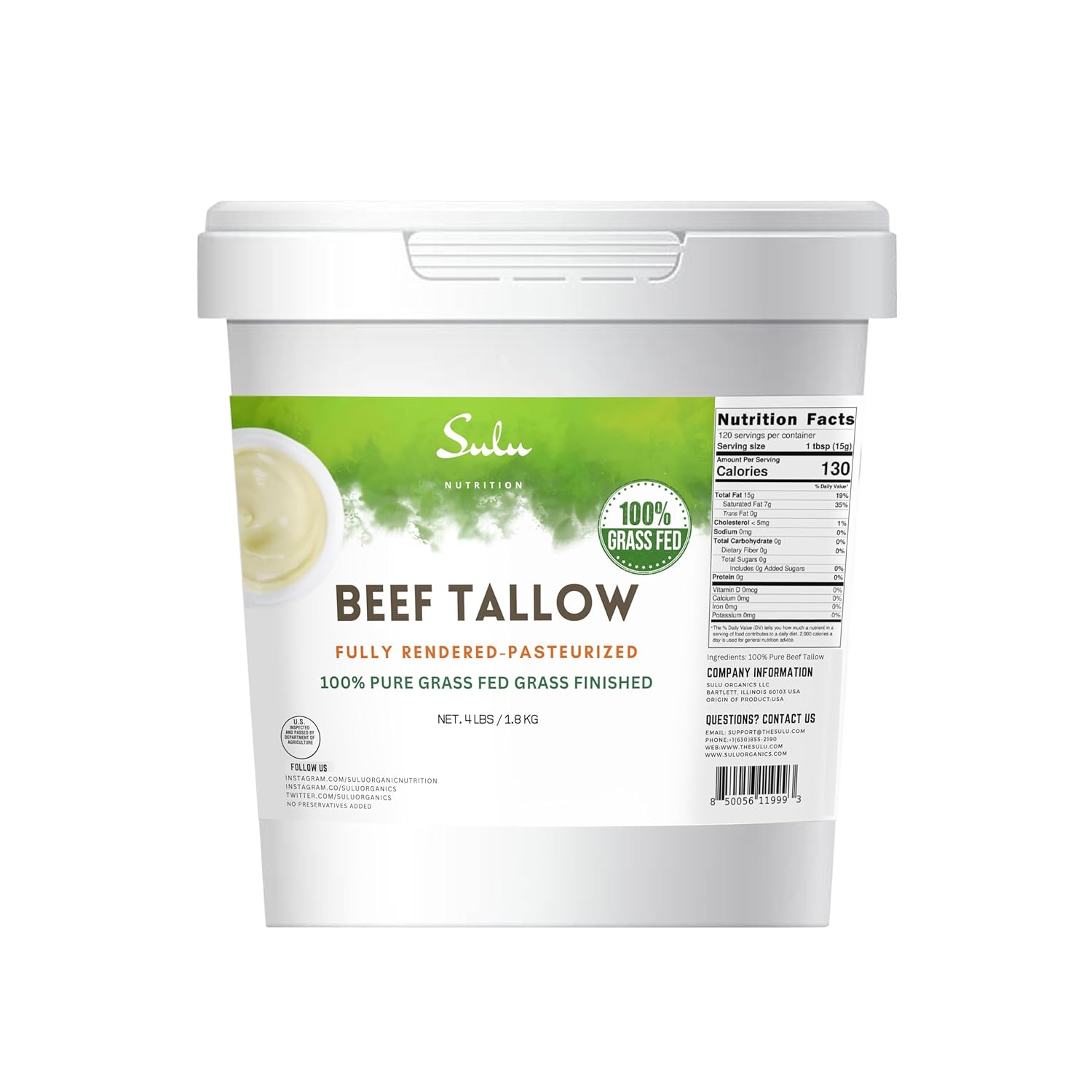
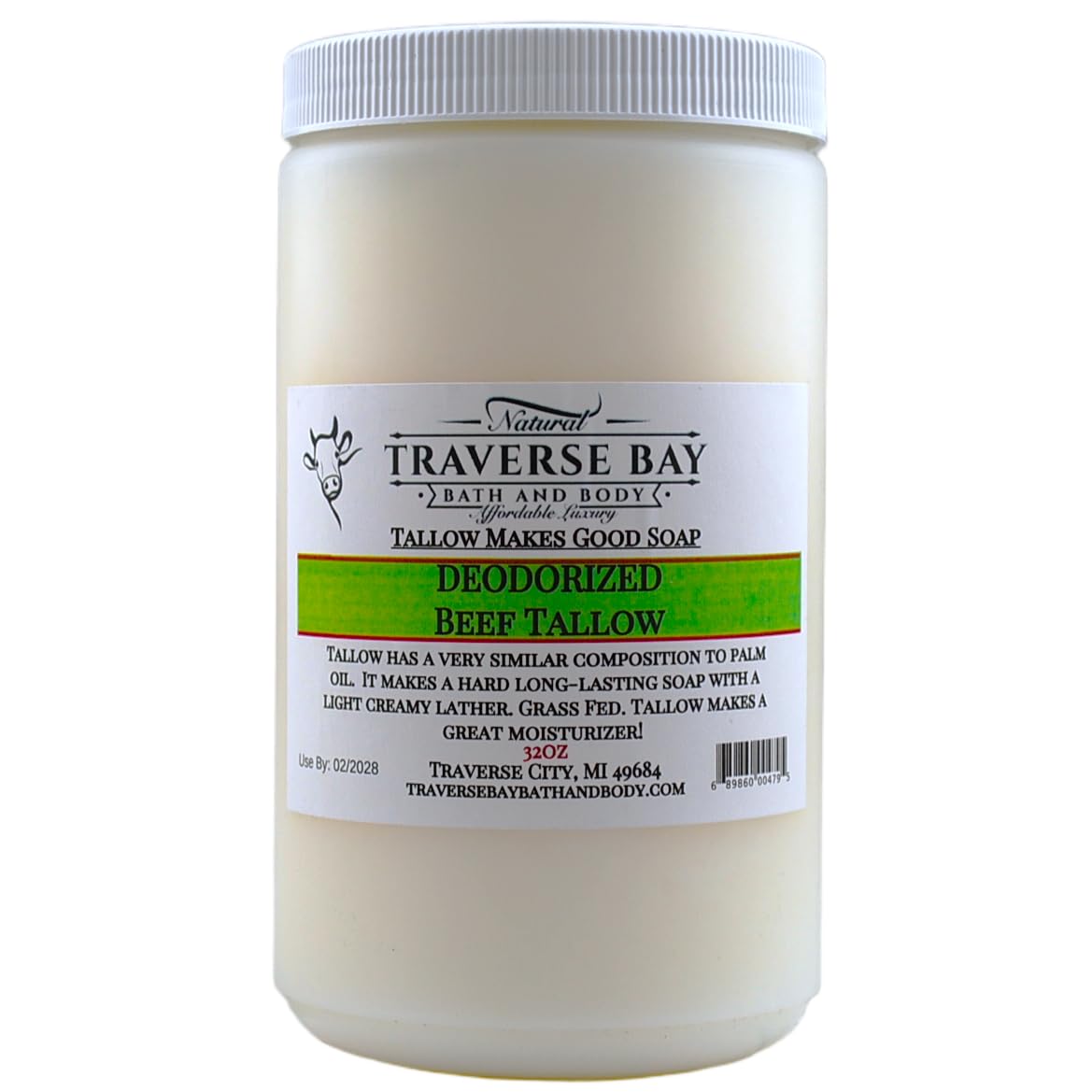
Florida's local supply is thinner than Texas or California, so online is a more important channel. The 100% Pure Grass-Fed Beef Tallow (4 lbs) is the strongest value option and ships to all Florida zip codes in two to three days. The Traverse Bay Farms Beef Tallow (32 oz) is a budget pick for soap and candle making. Both ship in insulated packaging that handles Florida summer heat. White Oak Pastures direct-from-ranch shipping is also reliable across the state.

Reliable online options that ship to Florida

We test and research the products we recommend. If you buy through these links we may earn a commission at no extra cost to you.

What to look for on the label

Florida labels are looser than coastal-state norms. Read feed claims carefully.

Label What it means
Grass-fed and grass-finished Grass-finished is the meaningful standard. Florida grass-finished tallow is achievable because bahiagrass supports year-round grazing.
USDA Organic Rare in Florida due to the difficulty of organic certification under humid subtropical conditions. A few Ocala-area ranches hold the cert.
Certified Regenerative (ROC) Used by White Oak Pastures across the border in Georgia. Very limited in-state Florida adoption.
Fresh from Florida Florida Department of Agriculture marketing program indicating in-state origin. A sourcing claim, not a quality claim.
Pasture-raised vs feedlot-finished Most Florida cow-calf beef is pasture-raised. The animals shipped west for finishing become feedlot-finished. The ones that stay home are usually pasture-finished by small operations.

What it actually costs in Florida

Florida pricing sits between Plains-state cheap and coastal-state expensive.

Tier Per pound
Direct from rancher (raw suet) $2 - $4
Local butcher rendered $8 - $12
Farmers market premium $14 - $18
Specialty grocer $14 - $20
Online national brands $8 - $14

When to buy

Florida's beef cycle differs from northern states because grass grows year-round.

Spring (Mar-May)

Late dry season tapering into wet. Grass quality improves. Most spring calves are still nursing, slaughter is moderate.

Summer (Jun-Aug)

Wet season, lush pasture, but heat stress reduces gain. Slaughter slows. Shipping rendered tallow becomes harder in extreme heat.

Fall (Sep-Nov)

Cooling temperatures and good forage. Slaughter picks up. Best months for fresh local rendered tallow.

Winter (Dec-Feb)

Dry season. Many ranches harvest finished animals through the holidays. Rendered tallow shelves are deepest now.

Where to look outside Florida

Florida buyers can effectively treat South Georgia and Alabama as an extended in-state supply.

Georgia

90 minutes from Tallahassee, 4 hours from Jacksonville

White Oak Pastures in Bluffton is the most important regenerative source in the Southeast.

Try: White Oak Pastures, Bluffton, GA

Alabama

3 to 5 hours from the Panhandle

Several Wiregrass-region grass-fed operations sell to Florida buyers.

Try: Conecuh Springs Christian Farm, AL

South Carolina

5 to 7 hours from northern FL

Manchester Farms and Greenbrier Farms have rendered tallow programs.

Try: Greenbrier Farms, Easley, SC

Render it yourself

Most Florida butchers will sell raw suet at $2 to $4 per pound. Rendering it produces 8 to 12 ounces of finished tallow per pound of suet, so your finished cost is roughly $3 to $6 per pound. Heat and humidity make Florida rendering slightly trickier, work in air conditioning and store finished tallow in the refrigerator rather than the pantry to extend shelf life. Read /blog/how-to-render-beef-tallow-at-home-step-by-step-guide/ for the full method, and use the surplus for /make/soap or /make/face-cream.

How locals cook with it in Florida

Florida cooking blends Southern, Caribbean, and Cuban traditions; tallow shows up in all three.

Cuban ropa vieja finished in tallow

Miami home cooks often finish ropa vieja with a spoon of rendered beef tallow at the end of braising. The fat amplifies the brisket and flank flavor and adds gloss to the sauce.

Cracker-cattle tallow biscuits

Old Florida cattle culture, the cracker-cattle tradition, used beef tallow biscuits as everyday bread. A few Heartland diners still serve them.

Tallow-fried plantains

Tostones and maduros fried in rendered beef tallow are a small but growing Cuban-American refinement in Miami and Tampa, replacing the canola standard.

Smoked mullet with tallow rub

Panhandle smokehouses occasionally use a tallow-based dry rub on smoked mullet, the fat helps the rub adhere through the long smoke.

Conch fritters in tallow

Key West conch fritters fried in beef tallow are a deeper-flavored variation on the standard vegetable-oil version, more common at older restaurants.

Local & Regional Brands

Roam Ranch (ships to FL)

White Oak Pastures (Georgia, close by)

Florida Sourcing Tips

  • Central Florida has many cattle ranches
  • Check Publix for rendered tallow in cooking section
  • Miami has specialty butchers with tallow
  • Look for Florida grass-fed beef producers

Major Cities in Florida

Miami Orlando Tampa Jacksonville Fort Lauderdale

These cities typically have the best selection of local butchers, farmers markets, and specialty stores carrying beef tallow.

Frequently asked questions

Is grass-fed tallow easy to find in Florida?
Less easily than in Texas, California, or Colorado, but more easily than most Southeastern states. Whole Foods, Fresh Market, and Publix GreenWise carry national grass-fed brands and White Oak Pastures across all major metros. Farmers markets in Sarasota, Orlando, Tampa, and Miami have at least one local rancher selling rendered tallow most weekends. Expect $14 to $18 per pound for in-state grass-finished, or order from White Oak Pastures or Amazon for consistent supply.
What is the cheapest way to buy tallow in Florida?
Order online. The [Amazon 4-pound grass-fed jug](https://amzn.to/3Q3UUp9) at roughly $10 to $13 per pound is the cheapest reliable supply. Locally, buying raw suet from Publix or an independent butcher at $2 to $4 per pound and rendering at home brings finished cost to $3 to $6 per pound, the lowest available.
Can I get raw suet at Publix?
Yes. Most Publix meat counters will set aside raw beef suet with one day's notice at $2 to $4 per pound. Publix GreenWise locations are even more reliable because their butchers expect those requests. Call the Saturday morning butcher and ask for kidney fat or leaf trim, white pieces, minimal red meat attached. Fresh Market and Whole Foods will do the same at slightly higher prices.
Are there halal-certified tallow sources in Florida?
Yes. Orlando, Tampa, and South Florida have growing halal markets. Halal Quality Market in Orlando, Sahara Market in Tampa, and several Miami-area halal butchers sell rendered halal tallow or will render to order. Expect $14 to $20 per pound. Confirm certification with the store directly.
What about kosher tallow in Florida?
Limited. South Florida has the largest Jewish population in the South, and kosher butchers in Aventura, Hollywood, and Boca Raton can sometimes source rendered tallow. Most observant Floridians order from KOL Foods or Grow and Behold, which ship reliably to all Florida zip codes.
How does Florida tallow compare to Georgia tallow?
Very similar. The Wiregrass region of Georgia uses similar bahiagrass and bermudagrass pastures, and the breed mix overlaps. White Oak Pastures is the dominant regenerative brand in the region and ships freely between the two states. Functionally treat Georgia tallow as an extension of Florida supply rather than a different product.
Which Florida farmers market has the most tallow vendors?
Sarasota Farmers Market on Saturdays is the strongest for direct ranch sales statewide. Hyde Park Farmers Market in Tampa is second. Orlando's Audubon Park Community Market and Winter Park Farmers Market are good for Central Florida. Miami markets are more produce-focused with thinner meat vendor presence.
Is it cheaper to render my own tallow in Florida?
Yes. Suet at $2 to $4 per pound yields 8 to 12 ounces of finished tallow, putting your finished cost at $3 to $6 per pound, well below the $14 to $18 per pound retail premium. Florida heat makes rendering best done in an air-conditioned kitchen with the cooktop on low. Refrigerate the finished tallow rather than pantry-storing it to extend shelf life past three months.
Does Florida have rendered tallow brands worth ordering online?
Florida has fewer in-state brands than Texas or California. Deep Creek Ranch (St. Cloud) and Adena Farms (Ocala) are the most credible in-state names with online ordering. White Oak Pastures across the Georgia border is the dominant regional brand and effectively functions as an in-state option for shipping speed.
Can I ship raw suet across state lines into Florida?
Possible but expensive. Raw suet must stay below 40 degrees Fahrenheit during transit and Florida summer shipping is harder than most states. Overnight insulated shipping costs typically exceed the price of the suet by four to five times. The smarter approach is to source raw suet locally and order only rendered tallow online.
What is the best tallow rendering service in Florida?
Small USDA processors in Okeechobee, Hardee, and Marion counties will render customer-supplied suet. Call ahead and expect a 25 pound minimum at $1.50 to $3 per pound finished. Independent butchers in major metros sometimes render on request but most prefer to sell rendered jars rather than render small lots.
Do any Florida grocery chains stock rendered tallow?
Publix GreenWise, Whole Foods, Fresh Market, Sprouts, and Earth Fare all carry rendered tallow in their cooking-fats aisles. Standard Publix and Winn-Dixie usually do not stock rendered tallow but their butchers will sell raw suet. Trader Joe's has occasionally carried a private-label tallow but it is not a consistent item.
Is regenerative tallow available in Florida?
Through White Oak Pastures across the Georgia border, yes, easily. In-state regenerative-certified production is small. Adena Farms in Ocala practices regenerative methods without formal ROC certification. Deep Creek Ranch is moving in that direction.
Does humidity affect Florida tallow storage?
Humidity itself does not affect properly rendered tallow because rendered tallow contains almost no water. Heat does. Florida summer pantry temperatures can sit above 80 degrees Fahrenheit, which accelerates oxidation. Refrigerate or freeze your tallow in Florida, even rendered. Shelf life in a fridge runs six to twelve months easily.

Sources

  1. [1] USDA NASS Cattle Inventory, January 2026 Read source →
  2. [2] Florida Department of Agriculture and Consumer Services, Beef Industry Read source →
  3. [3] Florida Cattlemen's Association, producer directory and statistics Read source →
  4. [4] University of Florida IFAS Extension, Beef Cattle Production Read source →
  5. [5] Fresh from Florida marketing program, FDACS Read source →