Skip to content
King TallowKing Tallow
Southeast Region

Where to Buy Beef Tallow in North Carolina

Buy beef tallow in North Carolina at Earth Fare, Whole Foods, and Weaver Street Market in the Triangle, plus the State Farmers Market in Raleigh, the Asheville City Market, and direct from Hickory Nut Gap Farm or the Firsthand Foods cooperative. Expect $4 to $6 per pound for raw suet from a butcher and $12 to $17 per pound for finished grass-fed jars. Best buying window runs October through January.

Last updated May 26, 2026 by Miles Carter

Cattle ranking
18th nationally
Head of cattle
Approximately 770,000 head (USDA NASS 2026)
Typical $/lb
$5 raw suet, $13 finished retail jar
Best months
October through January
Grass-fed
Strongest in the western mountains and Piedmont. Firsthand Foods aggregates dozens of small farms. Hickory Nut Gap is the visible brand.
Major cities
Charlotte, Raleigh

Why North Carolina matters for beef tallow

North Carolina is not a top-tier cattle state by volume but it punches well above its weight on grass-fed and pasture-finished beef thanks to mountain topography that suits small herds and a strong Piedmont farm-to-table economy. The NC Choices network at NC State has built one of the country's better pasture-based meat infrastructures.

BBQ culture pulls tallow into kitchens

Lexington-style and eastern NC whole-hog BBQ traditions normalize working with animal fats. Pitmasters and home cooks buy tallow and lard for hush puppies, biscuits, and cornbread. That demand keeps small butchers stocking suet year-round in a way you do not see in non-BBQ states of similar size.

NC Choices and Firsthand Foods built the rails

NC Choices, run out of NC State's Center for Environmental Farming Systems, has spent two decades building processing, certification, and marketing for pasture-based meat. Firsthand Foods aggregates beef from dozens of NC family farms and gets it onto Triangle and Triad retail shelves. For a tallow buyer, that means a real local supply chain exists even when individual farms are small.

Mountain pasture suits grass-finishing

Western NC mountain pasture, especially around Hickory Nut Gap and the Madison and Yancey county hills, grows cool-season fescue and clover that finishes cattle on forage alone. Hickory Nut Gap Farm is the visible brand from this region and consistently produces grass-finished tallow.

Eastern coastal plain runs differently

Eastern NC has fewer cattle and more pork operations. Tallow availability drops east of I-95 and prices climb. If you live in Wilmington, Greenville, or coastal NC, plan on driving to Raleigh or ordering from Firsthand Foods online rather than expecting a local source.

Regional context

Climate

Humid subtropical statewide with cooler mountain microclimates above 2,500 feet. Pasture grows nearly year-round in the Piedmont; mountain pastures slow December through March.

Terrain

Coastal plain east, Piedmont rolling hills center, Blue Ridge and Appalachian mountains west. Cattle density runs highest in the western mountains and northern Piedmont.

Feed practices

Mountain farms run rotational grazing year-round on cool-season fescue, clover, and orchard grass. Piedmont operations follow similar patterns with more hay through January and February. Mid-size programs hay-finish; small farms increasingly grass-finish for the Triangle and Asheville markets.

In-state rendering

Most rendering for retail happens at small farms and at NC Choices-affiliated butcher facilities. Industrial rendering goes through Valley Proteins (now Darling) for biofuel and pet food, not retail. For cosmetic-grade tallow, ask for leaf fat rendered low and slow under 220 F.

Where to buy beef tallow in North Carolina

1

Local butchers and meat markets

The Butcher's Market (Cary, Raleigh) sells rendered tallow in jars and raw suet by the pound. Left Bank Butchery (Saxapahaw) is the gold-standard Triangle butcher and a Firsthand Foods retail outlet. Cliff's Meat Market (Carrboro) handles suet by request. Mister Beef (Hendersonville) and Hickory Nut Gap's own retail store (Fairview) cover western NC. Wyatt's Meat Center (Boone) is the workhorse high-country shop. In Charlotte, Local Loaf and Reid's Fine Foods handle small batches. In Wilmington, the Pinpoint Restaurant butcher program runs occasional retail.

2

Farmers markets

State Farmers Market (Raleigh, open daily) is the largest in the state and the most consistent walk-in source. Western Wake Farmers Market (Cary, Saturdays) and Carrboro Farmers Market (Saturdays year-round, Wednesdays in season) both carry Firsthand Foods and small-farm tallow. Asheville City Market (Saturdays April through December) brings Hickory Nut Gap and other mountain farms. Charlotte Regional Farmers Market and Atherton Mill in Charlotte cover the southwestern Piedmont. Durham Farmers Market on Saturdays year-round is small but reliable.

3

Ranches and direct-to-consumer

Hickory Nut Gap Farm (Fairview, near Asheville) is the visible NC brand and ships rendered tallow statewide. Firsthand Foods aggregates dozens of NC small farms and sells through retail and direct online ordering, this is the easiest way to buy from real NC pasture-based operations without vetting each farm. Baucom's Best Beef (Monroe), Reverence Farms (Saxapahaw), Cane Creek Farm (Snow Camp), and Bear Wallow Beef (Burnsville) all run direct-to-consumer programs. For larger orders, contact NC Choices for a producer list.

4

Specialty and natural grocers

Earth Fare (multiple NC locations) stocks grass-fed tallow consistently and is locally rooted in Asheville. Whole Foods (Raleigh, Durham, Cary, Charlotte, Asheville) keeps national brands and rotates in Firsthand Foods seasonally. Weaver Street Market (Carrboro, Hillsborough, Raleigh, Chapel Hill) is the Triangle co-op and reliable. Compare Foods (Charlotte), Trader Joe's (no beef tallow under store brand), and Harris Teeter (limited grass-fed jars) round out the retail trail. Healthy Home Market in Charlotte and Three Bears Co-op in Burnsville are smaller but worth knowing.

Reliable online options that ship to North Carolina

We test and research the products we recommend. If you buy through these links we may earn a commission at no extra cost to you.

What to look for on the label

North Carolina uses USDA grades plus state-level Goodness Grows in North Carolina branding and NC Choices producer certifications. Knowing the NC-specific labels saves time at the farmers market.

Label What it means
USDA Prime / Choice / Select Carcass marbling grades. Affect steak quality but not tallow rendering yield or composition in any meaningful way.
100% Grass-Fed and Grass-Finished Cattle on forage from weaning to slaughter. Higher CLA, deeper yellow color in finished tallow. Hickory Nut Gap, Baucom's Best, and Reverence Farms carry this claim.
Goodness Grows in North Carolina State agriculture department branding indicating the product is grown or produced in NC. Not a quality grade on its own, but useful for sourcing local.
Animal Welfare Approved (AWA) / Certified Humane Third-party welfare certifications carried by Hickory Nut Gap and several Firsthand Foods farms. AWA in particular requires pasture-based systems, which correlates strongly with grass-fed tallow.
NC Choices certified pasture-based NC Choices, part of CEFS at NC State, runs a producer verification program for pasture-based meat. Not a USDA label but a real audit trail. Many NC small farms carry this.

What it actually costs in North Carolina

North Carolina tallow runs at or just below the national average for grass-fed product. Asheville and the Triangle command a slight premium; eastern NC is cheaper for raw suet but harder to find finished jars.

Tier Per pound
Raw suet from a butcher (frozen, unrendered) $3 to $5
Conventional rendered tallow, food-grade $7 to $10
Grass-fed rendered tallow, retail jar $12 to $15
Cosmetic-grade leaf tallow, small-batch $15 to $20
Specialty grocer premium (single-farm) $17 to $22

When to buy

NC slaughter peaks in fall when mountain pasture cattle finish. Eastern NC supply is thinner year-round. Plan your bulk DIY buy for late fall.

Spring (March to May)

Fall-rendered inventory still on shelves. Raw suet harder to source. Strong window for retail jar buying at Weaver Street and Earth Fare.

Summer (June to August)

Lowest supply, especially raw suet. Pre-order from Hickory Nut Gap or Firsthand Foods. Mountain humidity makes summer rendering tougher at home; many cooks wait.

Fall (September to November)

Best buying window. Mountain pasture cattle finish October and November. Butchers stock the most suet of the year. Prices ease 10% to 15%.

Winter (December to February)

Strong supply through holiday cooking demand. January is the quietest counter-buy month for bulk DIY base.

Where to look outside North Carolina

NC borders Virginia, Tennessee, South Carolina, and Georgia. Each offers something useful when in-state supply runs thin.

Virginia

3 hours from Charlotte to Roanoke; 4 hours from Raleigh to Charlottesville

Shenandoah Valley pasture and Polyface Farm (Swoope) are within driving range. Polyface sells tallow direct and ships nationally.

Try: Polyface Farm (Swoope, VA); JM Stock Provisions (Charlottesville)

Tennessee

2 hours from Asheville to Knoxville; 4 hours to Nashville

Sequatchie Cove Farm and other east Tennessee pasture operations sit close to Asheville. Useful for western NC buyers.

Try: Sequatchie Cove Farm (Sequatchie, TN); Porter Road Butcher (Nashville)

Georgia

4 hours from Charlotte to Atlanta

White Oak Pastures in Bluffton, GA is one of the country's flagship regenerative operations and ships rendered tallow direct.

Try: White Oak Pastures (Bluffton, GA)

Render it yourself

If you have a Triangle or Asheville butcher willing to sell raw suet, render at home for $3 to $5 per pound input cost and a clean cosmetic-grade product. The complete method is at /blog/how-to-render-beef-tallow-at-home-step-by-step-guide/. From there the tallow soap recipe suits humid NC summers because real tallow soap holds up better than coconut-heavy bars in heat, and the tallow face cream walkthrough is a strong winter project for dry mountain-air skin.

How locals cook with it in North Carolina

NC cooking centers on BBQ, biscuits, hush puppies, and country ham. Tallow has a real seat at the table in each of these dishes.

Western NC vinegar-pepper mop blends 2 tablespoons of rendered tallow into 1 cup apple cider vinegar, 1 tablespoon ketchup, 1 teaspoon red pepper flakes, salt. The tallow keeps the mop emulsified and bastes the bark instead of drying it out over a 12 hour smoke.

Substitute tallow for vegetable oil in a 1 inch deep skillet at 360 F. Cornmeal batter, chopped onion, buttermilk, baking soda, salt. Drop tablespoon balls, fry 3 minutes per side. The tallow gives a tighter crust and stays cleaner across multiple batches than vegetable oil.

Substitute 50% tallow for the butter in a buttermilk biscuit dough. Cut chilled cosmetic-grade tallow to pea size, work fast, bake at 425 F for 12 minutes. Pair with thin-sliced country ham. The tallow gives a flakier biscuit that holds its structure under the salty ham.

Pan-fry fresh sliced okra in 2 tablespoons of tallow at 375 F with a cornmeal and salt dredge. The tallow seals the cornmeal coating fast, which is what prevents the sliminess okra is famous for in lower-heat oil.

Pour 1 tablespoon melted tallow into a hot cast iron skillet before adding cornmeal batter. The fat sizzles up the sides and creates the dark crisp edge that defines proper southern cornbread. Bake at 425 F for 22 minutes.

Local & Regional Brands

Firsthand Foods

Hickory Nut Gap Farm

North Carolina Sourcing Tips

  • Asheville has excellent farm-to-table resources
  • State Farmers Market in Raleigh is huge
  • Look for NC Choices grass-fed network
  • Piedmont region has many small farms

Major Cities in North Carolina

Charlotte Raleigh Greensboro Durham Winston-Salem

These cities typically have the best selection of local butchers, farmers markets, and specialty stores carrying beef tallow.

Frequently asked questions

Where in Raleigh can I buy beef tallow today?
The State Farmers Market on Lake Wheeler Road is open daily and has multiple vendors carrying rendered tallow. Weaver Street Market in Raleigh stocks Firsthand Foods grass-fed jars. The Butcher's Market in Cary handles both rendered tallow and raw suet, typically with same-day availability. Whole Foods Raleigh on Wade Avenue carries national brands consistently. For walk-in convenience, Weaver Street or Whole Foods is the highest probability bet.
How much does grass-fed beef tallow cost in North Carolina?
Retail jars at Weaver Street, Earth Fare, and Whole Foods run $12 to $15 per pound. Cosmetic-grade small-batch tallow from Hickory Nut Gap or Reverence Farms sits at $15 to $20 per pound. Raw suet at a butcher counter is $3 to $5 per pound with a 60% to 70% yield on home rendering. NC pricing is slightly below the national grass-fed average.
Is Hickory Nut Gap tallow worth the price?
For skincare, yes. Hickory Nut Gap is Animal Welfare Approved and runs 100% grass-fed and grass-finished cattle on western NC mountain pasture. The tallow is rendered slow at low heat, with a pale color and mild scent. For deep-fry cooking, commodity grass-fed at $12 per pound performs the same in the pan.
What is Firsthand Foods and how do I buy from them?
Firsthand Foods is a Durham-based cooperative that aggregates beef and pork from dozens of NC family farms and sells through Triangle retail (Weaver Street, Whole Foods, Left Bank Butchery) and direct online ordering at firsthandfoods.com. For a buyer who wants traceable pasture-based NC tallow without vetting each farm individually, this is the shortest path.
Where can I buy tallow in Asheville?
Earth Fare and Whole Foods in Asheville stock grass-fed jars consistently. Asheville City Market on Saturdays April through December brings Hickory Nut Gap and other mountain farms. Hickory Nut Gap's own retail store in Fairview is a 25 minute drive from downtown. Mister Beef in nearby Hendersonville handles raw suet. Three Bears Co-op in Burnsville is a smaller mountain option.
Where can I buy tallow in Charlotte?
Whole Foods has multiple Charlotte locations stocking grass-fed jars. Healthy Home Market and Reid's Fine Foods are the local options. Atherton Mill and Charlotte Regional Farmers Market bring Piedmont small farms on market days. For direct-to-consumer, Baucom's Best Beef in Monroe is a 35 minute drive and worth the trip if you want bulk grass-fed suet.
Is NC tallow grass-fed by default?
It depends on the source. Hickory Nut Gap, Reverence Farms, Cane Creek Farm, and Bear Wallow Beef are 100% grass-fed and grass-finished. Many smaller NC farms aggregated through Firsthand Foods are grass-fed but hay-finished. Read the label or ask the producer. NC Choices producer verification gives a real audit trail when you see it.
What is the best month to buy tallow in North Carolina?
October through January. Mountain pasture cattle finish in late fall and butchers carry the most suet of the year through the holiday cooking window. Prices ease 10% to 15% versus summer. January is the quiet sweet spot for bulk DIY buys at the counter before spring demand returns.
Does Polyface tallow reach NC?
Yes, by mail. Polyface Farm in Swoope, VA ships rendered tallow nationally and is a 4 hour drive from Raleigh and 3 hours from Charlotte. For NC buyers who want the most famous regenerative operation in the country, this is the cleanest path. They sometimes appear at northern Virginia farmers markets that NoVa-adjacent NC buyers can reach.
Can I get tallow at Earth Fare?
Yes. Earth Fare is rooted in Asheville and has stocked grass-fed tallow consistently across NC locations for years. Brands rotate between Fatworks, US Wellness, and seasonal Firsthand Foods jars. Pricing typically lands at $13 to $15 per pound. Earth Fare is the highest probability walk-in option outside of the major farmers markets.
Can I freeze NC tallow?
Yes. Tallow freezes well for up to a year at 0 F with no quality loss. Keep it in the original jar or vacuum-seal. NC summer humidity makes this strategy especially useful, buy fall-rendered jars in November and December and freeze whatever you cannot use by spring.
Where do I buy bulk tallow for soap-making in NC?
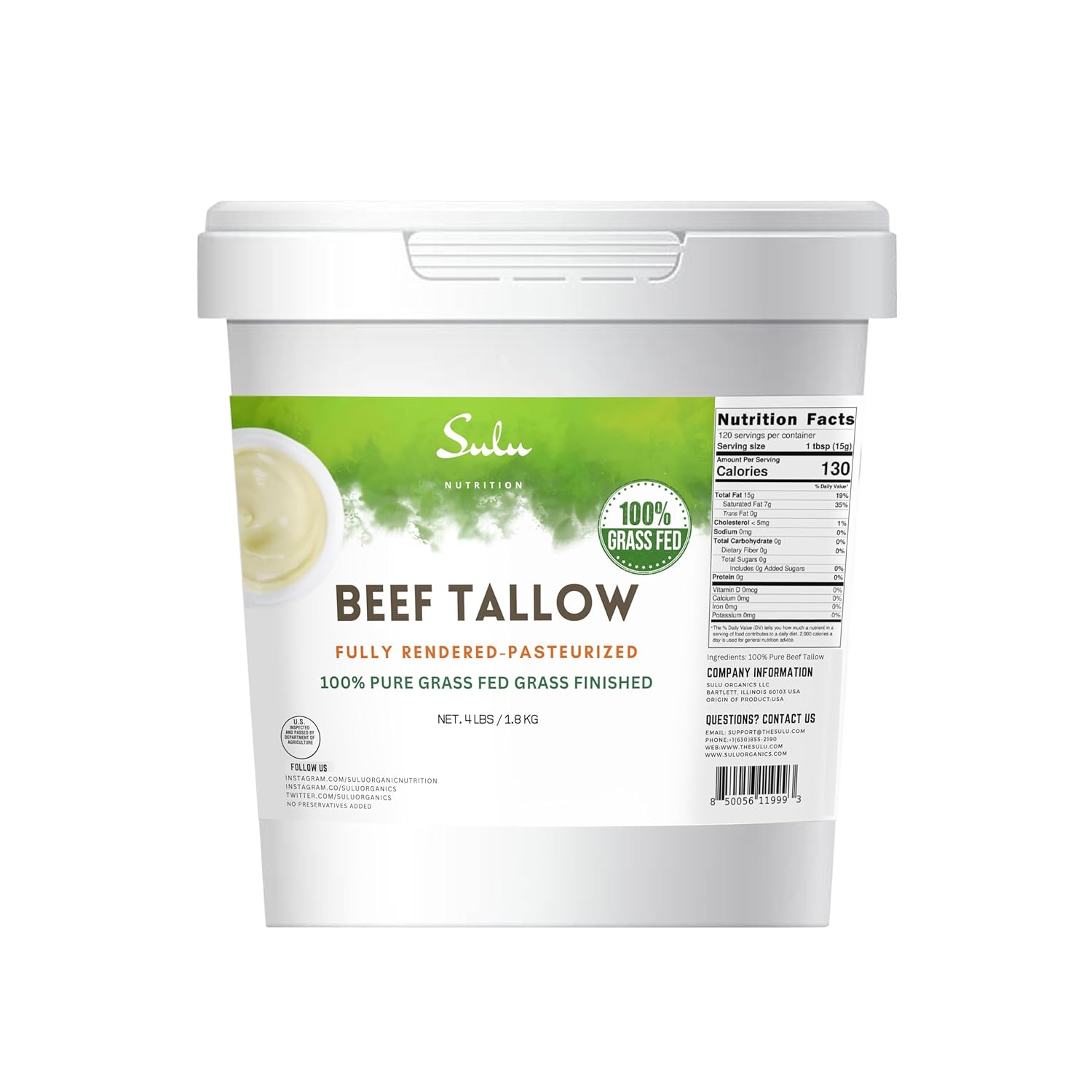
Call Hickory Nut Gap or contact Firsthand Foods directly for 5 to 25 pound orders. Pricing drops 20% to 30% versus retail jar pricing. For larger commercial soap operations, Reverence Farms in Saxapahaw handles wholesale. For an online bulk starting point that ships fast, the [100% Pure Grass-Fed Beef Tallow (4 lbs)](https://amzn.to/3Q3UUp9) is the most efficient first buy.
Why is NC tallow cheaper than VA tallow?
Smaller cattle premium market overall, lower DC-metro buying power pulling prices up, and a stronger BBQ-culture demand for working-grade fats that keeps everyday rendering affordable. Mountain NC pricing is close to VA Shenandoah Valley pricing; Piedmont NC runs 10% to 15% cheaper than NoVA.
Can I get tallow in eastern NC near Wilmington or Greenville?
Harder. Eastern NC has fewer cattle and more pork operations. Whole Foods Wilmington stocks national brands. Tidal Creek Cooperative is the Wilmington co-op option. For pasture-based local product, plan on driving to Raleigh, ordering from Firsthand Foods online, or going to the [100% Pure Grass-Fed Beef Tallow (4 lbs)](https://amzn.to/3Q3UUp9) for an online ship-to-door option.
How does NC tallow differ from Texas tallow?
NC mountain pasture cattle finish on cool-season fescue and clover, giving tallow with a slightly grassier scent and deeper yellow color than Texas Hill Country tallow which finishes on warm-season native grasses or grain. For cooking the difference is minor; for cosmetic-grade work the NC mountain product is often a touch milder once rendered slow at low heat.

Sources

  1. [1] USDA NASS Cattle Inventory 2026, North Carolina State Summary Read source →
  2. [2] North Carolina Department of Agriculture, Livestock Division Read source →
  3. [3] NC Choices, Center for Environmental Farming Systems (NC State) Read source →
  4. [4] Firsthand Foods Cooperative Read source →
  5. [5] Animal Welfare Approved (A Greener World) Producer Directory Read source →