Beef Tallow Pie Crust Recipe: Flakier Than Butter, Better Than Lard
Reader-supportedTested beef tallow pie crust recipe with cold tallow cut into flour for shattering flake. Side-by-side notes vs all-butter and all-lard, plus pot pie tips.

This post contains affiliate links. We may earn a commission if you purchase through these links, at no extra cost to you.
The first time I made pie crust with beef tallow I made it because I was out of butter and too lazy to drive into town. I expected it to be edible. I did not expect it to be the flakiest pastry I had ever rolled out of a bowl.
Three years later it is the only pie crust I make for savory work. Pot pies, hand pies, beef and onion turnovers, chicken pies, even quiche. The texture shatters in a way that butter crust never quite matches, and it skips the porky note you get from a pure lard crust. If you eat meat already, tallow makes more sense as a fat in a meat pie than butter ever did.
This is the recipe I use every week, the technique that makes or breaks it, and the honest comparison with the two crusts most people grew up on.
The Recipe
This makes one generous single crust or a thin double crust for a 9-inch pie. Double the batch for a deep pot pie with a lid.
Ingredients
- 1.5 cups all-purpose flour
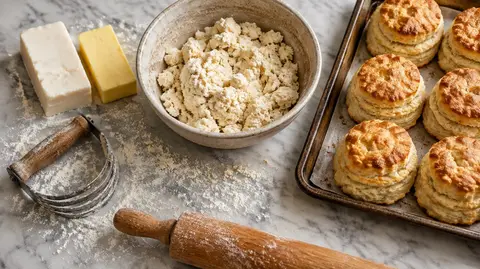
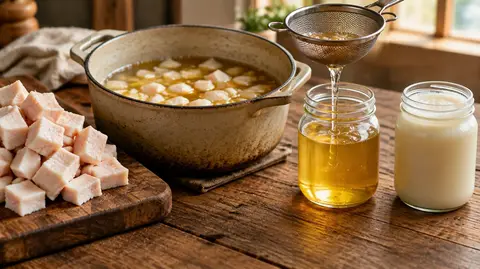
- 1/2 cup cold beef tallow, cut into pea-sized pieces
- 4 to 6 tablespoons ice water
- Pinch of fine sea salt
That is the whole list. No sugar in the savory version. If you are making a sweet pie with this crust, add a teaspoon of sugar to the flour.
I use 100% Pure Grass-Fed Beef Tallow because I always have a tub of it in the fridge for cooking and skincare projects. If you are buying tallow specifically for pastry, the deodorized Traverse Bay Farms jar is a quieter option that lets fillings carry the flavor.
Why Tallow Works So Well in Pastry
The science is the part that converted me. Pie crust flake comes from two things working in tandem. You need a fat that stays solid as you cut it into the flour, and you need that fat to hold flat sheets between layers of dough as it heats.
Beef tallow has the highest saturated fat content of the common pastry fats. Higher than butter. Higher than lard. That high saturation keeps it firm at room temperature, which means it does not smear into the flour the way soft butter does when you work too long. Smeared fat coats every flour particle, blocks gluten, and gives you a crumbly cookie texture instead of a flaky pastry.
The melt point is the other piece. Tallow melts at around 104 to 113 degrees Fahrenheit, well below oven temperature. As the crust hits the oven, those cold tallow shards melt and release steam from the moisture trapped in the flour, puffing the layers apart. The result is a stack of paper-thin sheets that crackle when you cut into them.
Lard does the same thing, but lard runs softer at room temperature and gives the crust a slight pork flavor. Butter contributes flavor but only has about 80 percent fat (the rest is water and milk solids), which limits how flaky it can get.
Tallow is 100 percent fat. Neutral if you buy a deodorized version, beefy in a good way if you do not.
Technique That Actually Matters
The recipe is short. The technique is where most people go wrong.
Keep everything cold. I freeze the tallow for 20 minutes before I cube it. I put the flour bowl in the freezer too. The water gets ice cubes added at least 10 minutes before I need it.
Cube the tallow into pea-sized pieces by hand first. Do not throw cold tallow into a food processor and hope. Cube it with a knife, then pulse it briefly with the flour. Two short pulses, then check. You want visible chunks the size of small peas, not a fine sand. Those chunks are your future flake sheets.
Use a fork to mix in water, not your hands. Drizzle a tablespoon of ice water across the flour and tallow mixture. Stir with a fork. Push the damp clumps to one side, drizzle the next tablespoon over the dry part, repeat. You will use somewhere between 4 and 6 tablespoons depending on humidity. Stop the second the dough holds together when you squeeze it.
Press, do not knead. Dump everything onto plastic wrap, gather it with the wrap, and press it into a disk. No kneading. No working. Refrigerate 30 minutes minimum, ideally an hour.
Roll cold. Flour your surface, flour the pin, work fast. If the dough starts to feel sticky, it is too warm. Slide it back into the fridge for 10 minutes.
I covered the broader pastry conversion logic in the beef tallow baking substitution guide, which is worth a read if you are starting to swap tallow into recipes that originally called for butter or shortening.
Comparison: Tallow vs Butter vs Lard
I baked the same chicken pot pie three times in the same week with three different crusts. Same filling, same oven, same pie plate. My wife and my brother were the blind tasters.
All-butter crust. Familiar. Soft texture, mild flake, nice golden color. It tasted like a butter pastry. Both tasters knew which one it was inside of one bite.
All-lard crust. The flakiest of the three by a small margin, but the pork flavor pushed through the chicken filling in a way that bothered my brother and did not bother my wife. Visually beautiful. The shortening texture was excellent.
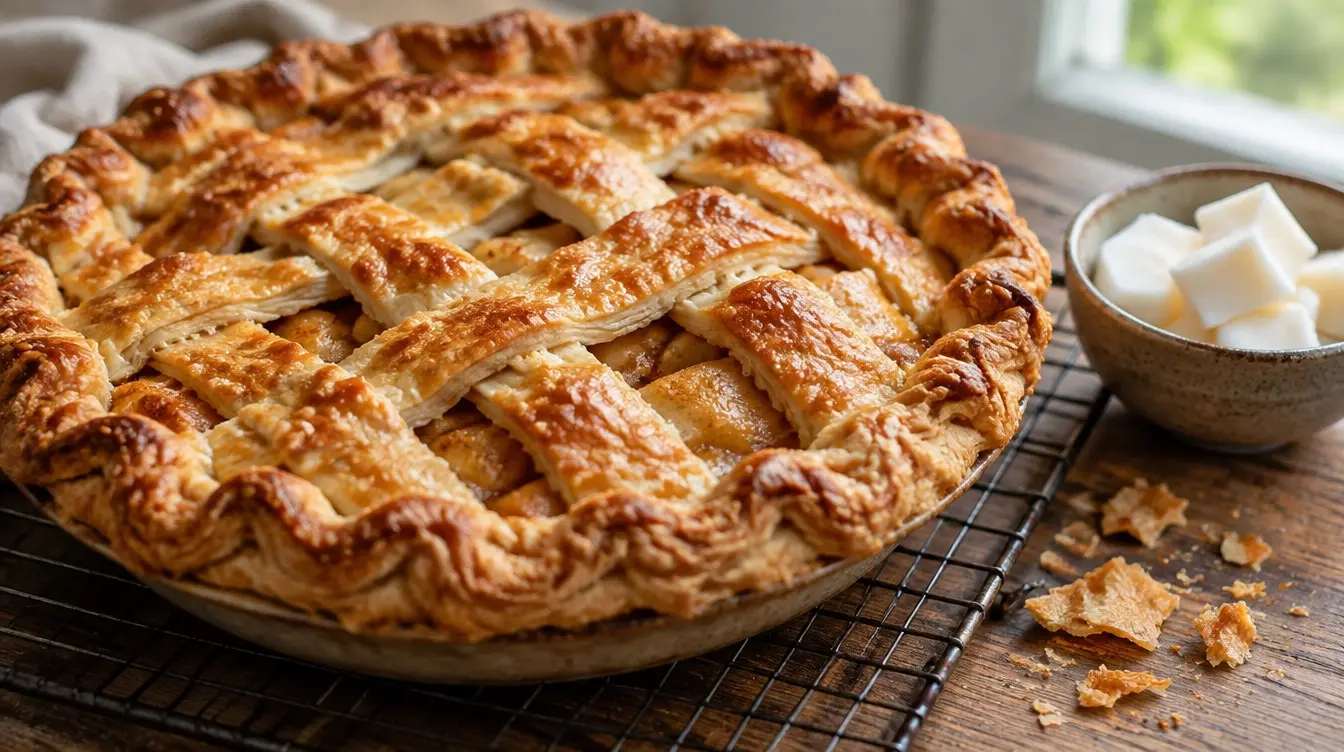
All-tallow crust. Almost as flaky as the lard crust, with a savory beef note that complemented the chicken filling instead of competing with it. The texture stayed crisp longer at the table. After 20 minutes uneaten the lard crust was already going slack. The tallow crust still shattered.
Both tasters picked the tallow crust as their favorite. I have repeated this test with apple pie (butter still wins for sweet), beef hand pies (tallow wins by a mile), and a quiche (tallow ties butter, depending on the filling).
The rule I landed on: tallow for savory, butter for sweet, lard if you want a flake-first showpiece and do not mind the pork note.
Best Applications for a Tallow Crust
This is where I use it on rotation.
Pot pies. Beef pot pie is the obvious one. Chicken pot pie is the sleeper. The tallow crust holds up to gravy better than butter without going soggy underneath.
Hand pies and Cornish pasties. Tallow crust holds shape in a hand pie better than any other fat. You can wrap it around ground beef and root vegetables, crimp it, and bake it without the bottom going soft. This is the original use case for tallow pastry. British miners ate Cornish pasties wrapped in tallow crust for centuries because the crust held up to being carried into the mines and eaten cold hours later.
Quiche. The savory note pairs with eggs and cheese. I use a tallow crust under a leek-and-bacon quiche and the bottom stays crisp through the whole bake.
Empanadas. I have made beef empanadas with this dough and the result was better than any restaurant version I have eaten.
Galettes. Free-form rustic galettes with caramelized onions and gruyere work beautifully on tallow dough.
I would skip it for fruit pies and sweet bakes where butter flavor is part of the point. A cherry pie wants butter. A meat pie wants tallow.
For more on cooking applications, the top cooking uses for beef tallow overview covers where else this fat earns its keep, and the smoke point and temperature guide is the piece I send people who are nervous about baking with animal fat.
Common Problems and Fixes
My dough is crumbly and will not hold together. You need more water. Add half a tablespoon at a time. Modern flour is drier than what older recipes account for.
My crust shrank during blind baking. You overworked the dough, or you skipped the rest in the fridge. Glutens need time to relax. Always rest at least 30 minutes before rolling, and dock the crust with a fork before blind baking.
My crust is tough. Too much water, too much working, or rolled too thin. Aim for 1/8 inch.
The bottom is soggy. Brush the bottom of the par-baked crust with beaten egg white before adding wet filling. Creates a moisture barrier.
The tallow smell is too strong. You bought a non-deodorized tallow, or you bought low quality. Switch to a deodorized version for pastry. I covered what good tallow should look and smell like in the tallow color guide.
Frequently Asked Questions
Can I substitute beef tallow for butter in any pie crust recipe?
Yes, at a 1:1 ratio by weight or volume. Reduce water by about 10 percent because tallow has no water content of its own. The crust will be flakier and slightly less rich in flavor.
Can I freeze tallow pie dough?
Yes. Wrap it tight in plastic, slide it into a freezer bag, and freeze for up to three months. Thaw overnight in the fridge before rolling. Do not microwave to thaw or you will melt the tallow shards that give you the flake.
What kind of tallow should I use for pie crust?
Any high-quality, food-grade tallow with a clean smell and white-to-cream color. Deodorized tallow is best for sweet pies. Regular grass-fed tallow is excellent for savory work. Avoid anything yellow, soft, or with a strong off-smell.
Can I use a stand mixer with the paddle attachment?
You can, on the lowest speed for short bursts. I prefer a fork or a pastry cutter because you have more control. A stand mixer can overwork the dough fast.
Is tallow pie crust healthier than butter or shortening?
Tallow has no trans fats, no industrial seed oils, and is shelf-stable without hydrogenation. Compared to vegetable shortening it is the clear winner nutritionally. Compared to butter it is comparable, with a slightly different fat profile.
Will my pie crust taste like beef?
A good deodorized tallow tastes neutral. A regular tallow has a faint savory note that disappears completely under sweet fillings and adds depth to savory ones. If your crust tastes strongly of beef, your tallow was not well-rendered.
Bottom Line
Beef tallow pie crust is the easiest upgrade you can make to a savory pie. The recipe is four ingredients. The technique is keep it cold, work it fast, rest it long. The result is a flake that lard fans recognize and butter fans usually prefer.
Start with a good grass-fed tallow for everyday work, or the Traverse Bay deodorized jar if you want a neutral version dedicated to pastry. Make a pot pie this weekend. The crust alone will sell you on the swap.
Explore more tallow guides
Browse our collection of recipes, comparisons, reviews and DIY tutorials.
View all guidesKing Tallow is reader-supported. We research and test the products we recommend, and when you buy through links on this page we may earn a commission at no extra cost to you. See our affiliate disclosure.
Published