

Fatworks vs South Chicago Packing Tallow: Grass-Fed vs Wagyu Compared
Independent reviewFatworks grass-fed vs South Chicago Packing wagyu beef tallow: sourcing, sizes, searing, fries and baking results, where each is sold and which is better value.

We test and research the products we recommend. If you buy through our links, we may earn a commission at no extra cost to you.
Quick Verdict
South Chicago Packing wins for flavor and premium cooking. Fatworks wins for versatility and availability. South Chicago’s wagyu tallow has a richer, more complex beefy depth that elevates seared steaks, roasted vegetables, and fries to restaurant-caliber levels. Fatworks is a cleaner, more neutral tallow that works across every cooking application without calling attention to itself. If you want the most flavor for searing and frying, buy South Chicago Packing Wagyu Beef Tallow (42 oz). If you want one reliable tallow for everything, including eggs and baking, buy Fatworks Grass-Fed Beef Tallow. If budget is the main factor, a 100% Pure Grass Fed Tallow 4 lbs beats both on price per ounce.
Head-to-Head Comparison
| Feature | Fatworks Premium | South Chicago Packing Wagyu |
|---|---|---|
| Size | 14 oz jar | 42 oz tub (also an 11.5 oz glass jar and a 7 oz spray) |
| Source | 100% grass-fed, grass-finished (organic jar sold separately) | American wagyu beef |
| Smoke Point (Tested) | ~395F | ~400F |
| Flavor Profile | Clean, mild, neutral | Rich, beefy, complex |
| Certifications | Whole30 Approved; USDA Organic on the Organic jar | Marketed as Keto, Paleo and Whole30-friendly |
| Packaging | Glass jar | Plastic tub or glass jar |
| Retail listings (Sept 2026) | Costco, Walmart, Amazon, fatworks.com | Walmart, Whole Foods (spray), Sam’s Club (Angus jar), Amazon, southchicagopacking.com |
| Best For | All-purpose cooking | Searing, frying, premium applications |
| Price Per Ounce | $$$ | $$ (bulk tub) |
| Buy | Check price | Check price |
These are the two brands that come up most often when serious home cooks discuss premium tallow. Different philosophies, different price structures, different target users.
Round 1: Ingredients and Sourcing
Fatworks
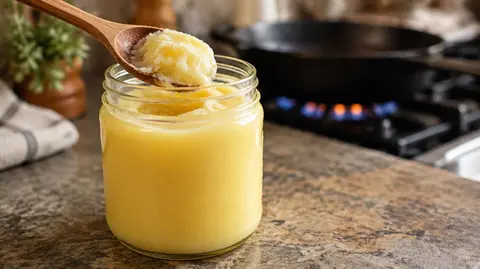
Fatworks sells a single ingredient: 100% grass-fed, grass-finished beef tallow. That’s it. No additives, no blending with other fats, no flavor enhancers. The standard jar is Whole30 Approved, and Fatworks sells a separate USDA Organic jar if you want certified organic sourcing. Fatworks is an independent, Colorado-based company, and it also makes an American Wagyu tallow if you like the brand but want wagyu flavor.
The grass-fed/grass-finished distinction matters. Cattle that eat grass their entire life produce tallow with more omega-3s, more CLA, and a cleaner flavor that doesn’t carry the tallowy funk cheap tallow can have.
The tallow opens as a clean, white-to-cream solid with zero graininess, no water pockets, and no bits of tissue. Someone is filtering this carefully. For more on what quality rendering looks like, our guide on how to identify high-quality beef tallow covers the visual and scent markers.
South Chicago Packing
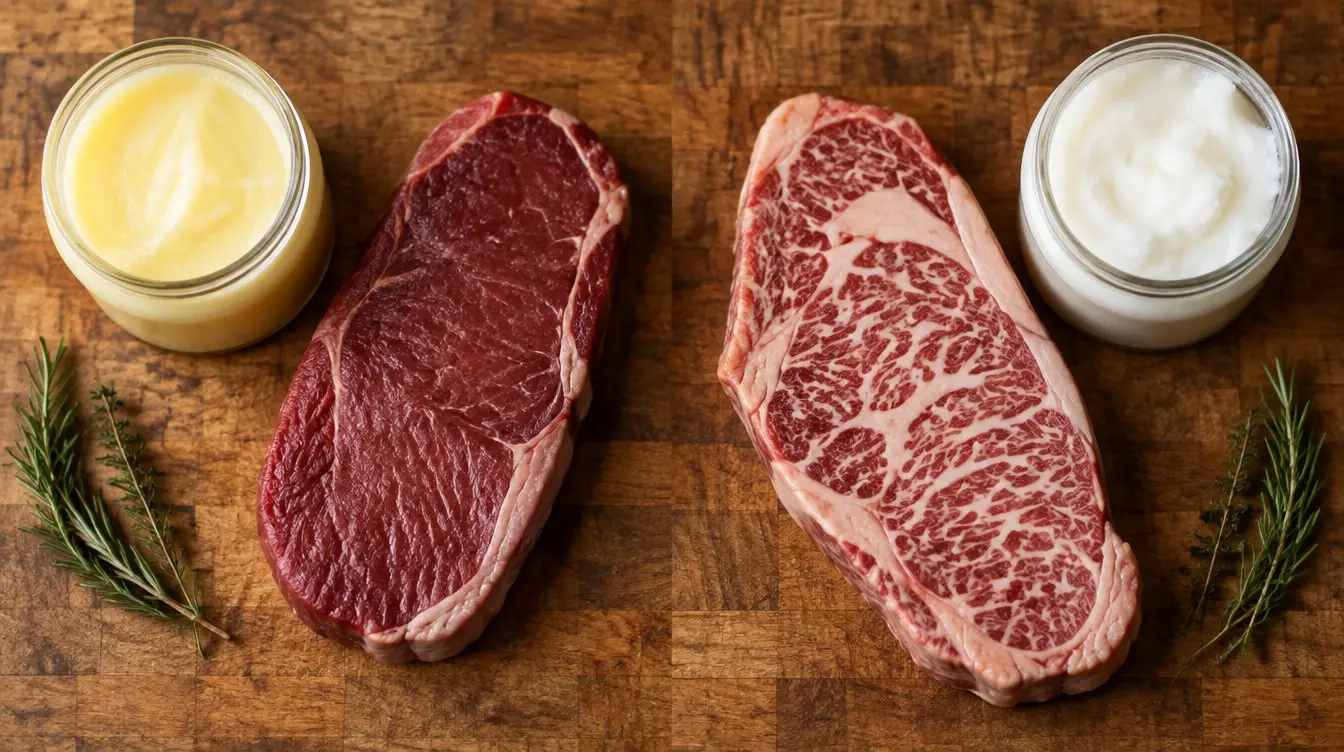
South Chicago Packing takes a completely different approach: wagyu beef tallow. Wagyu cattle are genetically predisposed to higher levels of intramuscular fat with more monounsaturated fatty acids, particularly oleic acid. That’s the main fatty acid in olive oil, and it’s present in significantly higher concentrations in wagyu fat than in standard grass-fed beef.
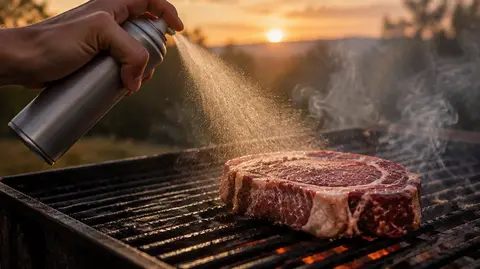
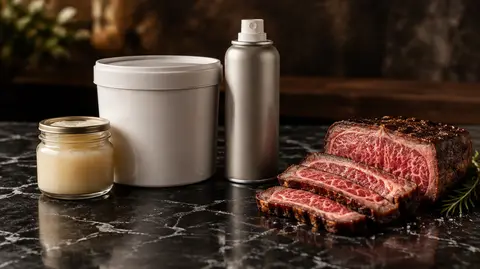
South Chicago Packing is a Chicago company that makes lard, shortening and beef tallow, and it sells wagyu tallow in three formats: a 42-ounce tub, an 11.5 oz glass jar, and a 7 oz aerosol spray. It also sells a cheaper Angus beef tallow. The 42-ounce tub is a real commitment, built for people who cook with tallow regularly.
South Chicago Packing doesn’t carry USDA Organic certification or a grass-fed claim. The wagyu is American and the product is a single ingredient, but it lacks the third-party verification Fatworks offers. For the full brand story, see the South Chicago Packing wagyu review.
The rendering quality is excellent. Clean melt, no foam, no off-smells when heated. The tallow has a slightly deeper cream color than Fatworks, typical of wagyu fat due to its higher oleic acid content.
Round 1 Winner: Fatworks
Both are quality products with clean single-ingredient lists. Fatworks edges ahead because of its grass-finished sourcing, Whole30 approval and optional organic jar, which provide independent verification. South Chicago Packing’s wagyu sourcing is compelling, but without comparable third-party certification, you’re taking the brand at their word.
Round 2: Texture and Kitchen Performance
Fatworks
Fatworks tallow opens as a firm, white solid at room temperature. It scoops cleanly and melts steadily in a heated pan. There’s no sputtering or popping during the melt phase, which tells you there’s essentially no water content. Well-rendered tallow should be pure fat.
In a cast iron skillet at medium-high heat, Fatworks reached searing temperature without visible smoke at 395F by my infrared thermometer. The neutral character makes it a genuine all-rounder. Eggs taste like eggs. Fish doesn’t pick up a beefy note. That versatility matters when you’re cooking breakfast, lunch, and dinner with the same fat.
South Chicago Packing
South Chicago Packing’s wagyu tallow has a slightly softer consistency at room temperature. The higher oleic acid content means it’s closer to a semi-firm solid than the hard block you get from standard grass-fed tallow. This is actually convenient — it scoops more easily and melts faster in the pan.
In the same cast iron test, the wagyu tallow coated the pan with a slightly thicker layer. It reached a tested smoke point of approximately 400F, which is on the high end for beef tallow and gives you excellent headroom for high-heat searing.
As the wagyu tallow heats, it releases a faint, savory aroma that standard tallow doesn’t produce. It’s subtle, almost buttery, and it fills the kitchen with a rich, meaty scent. That aroma translates directly to the food.
Cleanup is identical for both. Wipe the pan while warm and everything comes off. Let either cool and you’ll be scraping. Our cast iron seasoning guide covers keeping your pan in shape between cooks.
Round 2 Winner: South Chicago Packing
Slightly higher tested smoke point, faster melt time, and that wagyu aroma factor. For pure kitchen performance, the wagyu tallow has an edge. Fatworks is extremely competent, but South Chicago Packing adds a flavor dimension that changes the cooking experience.
Round 3: Cooking Results
I tested both tallows head-to-head across four standard cooking applications. Same cuts, same temperatures, same equipment. Back to back.
Steak Searing
Fatworks: One tablespoon in a preheated cast iron. Room-temperature ribeye, 4 minutes per side. The crust developed evenly with a deep mahogany color. Flavor was clean and beefy — the tallow amplified the steak’s natural taste without adding its own personality. A solid, reliable sear.
South Chicago Packing: Same setup. The wagyu tallow produced a visibly deeper crust color. The steak had a richer, more complex flavor with a subtle sweetness in the crust that Fatworks didn’t produce. It reminded me of the difference between a good steakhouse and a great steakhouse — both are seared perfectly, but one has that extra depth.
Winner: South Chicago Packing. The wagyu fat adds a dimension to steak that standard grass-fed tallow can’t replicate.
French Fries
This is the ultimate tallow test, and both brands delivered excellent results using the double-fry method (325F blanch, rest, 375F finish). Check our beef tallow french fries guide for the full technique.
Fatworks: Golden, crisp, classic tallow fry flavor. The tallow stayed clear through both rounds and filtered cleanly afterward.
South Chicago Packing: Slightly deeper golden color with a richer, almost buttery flavor. The wagyu tallow stayed clean but had a touch more foam during the first fry.
Winner: South Chicago Packing by a hair. The wagyu adds a richness that’s noticeable side by side but might not matter if you’re eating them solo with ketchup.
Eggs
Fatworks: A teaspoon at medium heat, scrambled eggs. No smoke, no sticking, no detectable flavor beyond “eggs.” This is Fatworks at its best — a completely invisible cooking medium.
South Chicago Packing: Same setup. The eggs had a faint richness that Fatworks eggs didn’t. Pleasant, not overwhelming, but present. Some mornings I appreciated it. Other mornings I wanted my eggs to just taste like eggs.
Winner: Fatworks. For everyday cooking where you don’t want the fat to announce itself, the more neutral tallow wins. Not everyone wants beefy eggs at 7 AM.
Biscuits
I replaced butter with cold tallow in a buttermilk biscuit recipe. Baked at 425F for 14 minutes.
Fatworks: Flaky, with slightly more defined layers than butter biscuits. The flavor was neutral enough that buttermilk and salt dominated. You wouldn’t know it was tallow unless someone told you.
South Chicago Packing: Equally flaky, but with a faint savory note in the background. Not beefy, exactly, but richer. It worked in the biscuit, but some people might prefer the completely neutral Fatworks version for baking.
Winner: Fatworks. Baking benefits from a neutral fat. The wagyu richness, while delicious in savory applications, slightly complicates baked goods where you want a clean canvas.
Round 3 Winner: Tie (2-2)
South Chicago Packing wins the flavor-forward applications (steak, fries). Fatworks wins the neutrality-dependent applications (eggs, biscuits). Your kitchen priorities determine which matters more. If you’re buying tallow primarily for searing and frying, South Chicago Packing is the better choice. If you use tallow for everything including baking, Fatworks gives you more range.
Round 4: Price and Value
Fatworks
A 14-ounce glass jar at premium pricing. You’re paying for grass-finished sourcing, Whole30 approval, small-batch rendering, and retail availability. Costco’s 2-packs bring the per-jar price down if you’re a member.
At my usage rate (daily cooking, occasional frying), a single jar lasted about 3 weeks. That’s a high recurring cost for a cooking fat.
South Chicago Packing
The 42-ounce tub changes the math. Despite being a premium wagyu product, the per-ounce cost is significantly lower than Fatworks because you’re buying in bulk. At the same daily usage rate, the tub lasted me nearly 3 months.
The Budget Alternative
For everyday cooking, a generic grass-fed tub does most of what these two do for less per ounce. It won’t match the wagyu’s flavor or Fatworks’ verification, but it’s good enough for frying and roasting. The beef tallow price guide shows where each format lands per pound.
If you’re curious about which tallow is best for your specific cooking needs, our best beef tallow for cooking guide ranks eight brands across every price point.
Round 4 Winner: South Chicago Packing
Wagyu quality at a lower per-ounce price than standard Fatworks. The bulk size is the deciding factor. If Fatworks sold a comparable tub size at a competitive per-ounce rate, this would be closer. But at current sizing and pricing, South Chicago Packing offers better value for serious cooks.
Who Should Buy Which
Buy Fatworks If You:
- Want Whole30 approval and the option of a USDA Organic jar
- Need a versatile, neutral-flavored fat for all cooking methods
- Prefer to buy locally at Costco or Walmart
- Cook with tallow occasionally and don’t need bulk quantities
- Bake with tallow and want zero flavor interference
- Value glass packaging and brand transparency
Buy South Chicago Packing If You:
- Want the richest possible flavor for searing and frying
- Cook with tallow daily and need bulk supply
- Prioritize value per ounce over certifications
- Make a lot of steaks, fries, and roasted vegetables
- Shop at Walmart or online, where the 42 oz tub is easiest to find
- Want a premium upgrade from standard grass-fed tallow
Buy the Budget Alternative If You:
- Want great grass-fed tallow at the lowest per-ounce cost
- Are new to cooking with tallow and want to experiment first
- Need a large supply for regular frying without premium pricing
- Don’t need organic certification or wagyu flavor
Check 100% Pure Grass Fed Tallow 4 lbs on Amazon
Final Winner
South Chicago Packing wins 2-1-1. It takes kitchen performance and value, ties on cooking results, and only loses to Fatworks on ingredient certifications. For home cooks who prioritize flavor and use tallow regularly, the wagyu tallow at bulk pricing is the better investment.
Fatworks remains the safer recommendation for people who want certified organic sourcing and a neutral fat that works everywhere. If you bake as much as you sear, or if you want the convenience of buying tallow at your local store without planning ahead, Fatworks makes more sense.
If price per ounce matters more than flavor or certification, a bulk grass-fed tub costs less than either, and the savings can go toward better steaks.
For a deeper look at Fatworks specifically, check our full Fatworks review. And for the complete breakdown of how all these brands stack up, our best cooking tallow guide covers everything from budget to premium.
FAQ
Is wagyu tallow actually better for cooking than regular grass-fed tallow?
For flavor-forward applications like searing steak and making fries, yes. Wagyu tallow has higher oleic acid content, which gives it a richer, more complex taste. For neutral applications like baking and eggs, standard grass-fed tallow is equally good and often better since it doesn’t add unwanted flavor.
Can I use Fatworks or South Chicago Packing for deep frying?
Both work for deep frying, but the economics are different. Fatworks’ 14-ounce jar barely fills a small pot. South Chicago Packing’s 42-ounce tub gives you enough for real deep frying with tallow to spare. For regular frying, a bulk grass-fed option is the most practical choice.
How long does each product last once opened?
Both last 12-18 months if refrigerated after opening. Tallow is remarkably shelf-stable because it’s mostly saturated fat. Watch for off smells or color changes, which signal oxidation. Keep the lid tight and avoid introducing water into the container.
Does Fatworks’ organic version matter for cooking tallow?
It depends on your priorities. The Organic jar is a separate product from the standard grass-fed jar. USDA Organic means the cattle were raised without antibiotics or synthetic hormones, and the feed was organic. This can affect the fatty acid profile slightly, but the bigger factor for cooking performance is whether the tallow was well-rendered and properly filtered. Both products pass that test.
Is the smoke point really different between these two?
The difference I measured was about 5 degrees F (395F vs 400F), which is negligible in practice. Both handle every standard cooking temperature with ease. You’ll never notice that difference in a home kitchen. For a deeper explanation of how smoke point works in real cooking, check our temperature guide.
Where can I buy South Chicago Packing tallow?
As of September 2026, the 11.5 oz jar, the 42 oz tub and the spray are listed on Walmart’s website, the spray is listed at Whole Foods, and Sam’s Club lists a 2-pack of the Angus jar. All three wagyu formats are on Amazon (42 oz tub, 11.5 oz jar). Stock varies by store.
Can I mix Fatworks and South Chicago Packing tallow together?
Yes. Some cooks blend a spoonful of wagyu tallow into a pot of standard tallow to add flavor without the full wagyu price tag. It works well for frying — you get some of the wagyu richness at a fraction of the cost.
Explore more tallow guides
Browse our collection of recipes, comparisons, reviews and DIY tutorials.
View all guidesKing Tallow is reader-supported. We research and test the products we recommend, and when you buy through links on this page we may earn a commission at no extra cost to you. See our affiliate disclosure.
Published · Last updated