
Rancid Beef Tallow: How to Tell If It's Gone Off and What to Do
Reader-supportedLearn the difference between normal beefy tallow smell and true rancidity, why it happens, how to prevent it, and whether you can safely use tallow that turned.

This post contains affiliate links. We may earn a commission if you purchase through these links, at no extra cost to you.
I have thrown out exactly two batches of beef tallow in five years of rendering my own. Both times I knew within about three seconds of opening the jar. Rancid tallow has a smell that does not belong in a kitchen, and once you have met it, you do not forget it.
The tricky part is the in-between. Tallow is supposed to smell like beef. A faint roast-pan aroma off a fresh jar is normal and healthy. The question most people are actually asking is whether their tallow has crossed the line from beefy into broken. This is the post I wish I had written for myself the first time I sniffed a jar and was not sure.
I will cover what rancidity actually is, the four sensory cues that tell you the fat has turned, how to prevent it from happening in the first place, and what to do with a jar you are not sure about.
Normal Beef Smell vs Actually Rancid
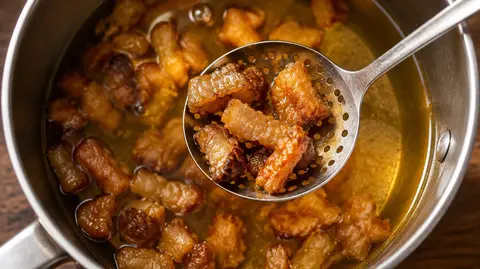
Fresh tallow smells like a clean roasting pan after the meat is gone. Warm. Slightly mineral. A bit of grass if it is grass-fed. If you grew up around home cooking you might call it comforting. If you did not, you might call it strong, but it is not unpleasant.
Rancid tallow smells like one of these, sometimes all four at once.
- Crayons or wax pencils
- Old house paint or oil-based varnish
- Sour, almost yogurt-gone-wrong
- Wet cardboard or stale nuts
If you are getting any of those, especially the crayon note, the fat has oxidized far enough that you can smell the breakdown products directly. That is rancidity. It is not a “maybe.” Trust your nose.
The one trap I want to call out: tallow from heritage cattle, organ fat, or under-deodorized commercial blocks can have a strong beef-broth smell that catches people off guard. Strong beef is not rancid. If you ever rendered suet around grandparents, that is the smell. There is more on this in why beef tallow smells like beef, which covers normal-strong vs broken-down in detail.
What Is Actually Happening: A Quick Look at Oxidation
You do not need a chemistry degree to store tallow well, but a sentence or two of background helps you understand why some jars last two years and some last six weeks.
Fats go rancid through oxidation. Oxygen reacts with the carbon-carbon double bonds in fatty acids, breaking them into smaller molecules called aldehydes and ketones. Those smaller molecules are what you smell. The crayon note is mostly hexanal and nonanal. The paint note is mostly 2,4-decadienal. Those are the same compounds you would smell off a bottle of old flax oil or a forgotten jar of walnuts.
Here is the part that matters for storage. Saturated fats oxidize slowly. Polyunsaturated fats oxidize much faster, roughly ten to twenty times faster depending on which polyunsaturated fatty acid you are looking at. Beef tallow is about 50% saturated, 42% monounsaturated, and 4% polyunsaturated. The small polyunsaturated fraction is the part that goes first, and once it starts breaking down it can chain-react into the rest of the fat.
This is also why grain-finished tallow with a slightly higher polyunsaturated percentage tends to turn faster than grass-finished tallow with a leaner polyunsaturated profile. Not dramatically, but enough that you notice it on the second jar from the same brand a few months apart.
Appearance Changes That Confirm What Your Nose Already Said
Smell is the first signal. Appearance is the confirmation.
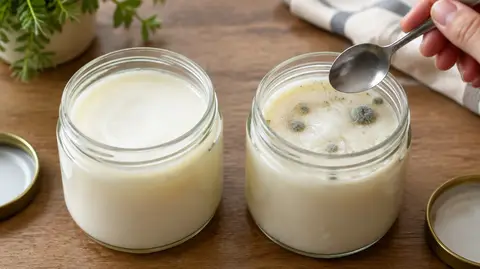
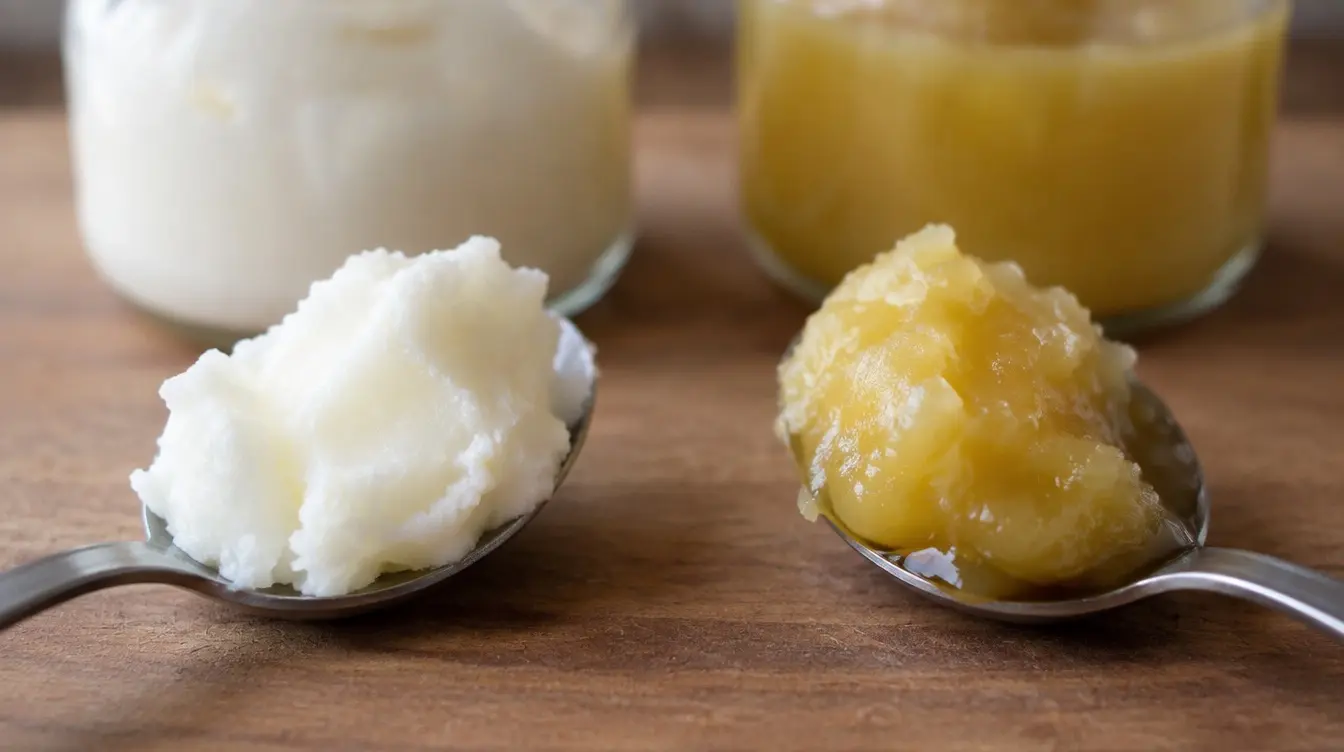
A fresh jar of tallow is uniformly off-white to pale yellow, smooth on top, and the same color from edge to center. If you tip the jar, the surface flexes like firm butter and snaps clean.
A jar that is starting to turn shows up like this.
- A faint yellow ring around the inside of the jar where the fat meets the glass. The ring is darker than the rest.
- A slightly sticky or tacky surface instead of the matte snap-clean texture of fresh fat.
- A thin translucent layer on top that looks almost like a polish or a film.
- In bad cases, brown or amber spots, especially around the rim.
If you scoop down into the fat with a clean spoon and the inside still looks white, smooth, and smells normal, the rancidity is shallow. You can sometimes scrape off the top quarter inch and use the rest within a week. If the smell and the color penetrate the whole jar, do not bother. That fat is done.
How I Store Tallow So It Does Not Get Here
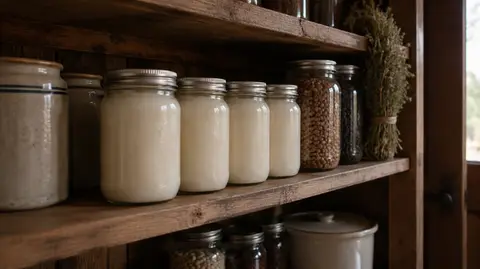
Three things matter for tallow storage. Light, temperature, and air. The cool dark spot in a glass jar is not just a phrase. Each one of those words is doing work.
Glass over plastic. Plastic is mildly permeable to oxygen. A sealed plastic tub of tallow in a pantry will turn a few months faster than the same fat in a sealed glass jar. I have run this side by side. The plastic version had the yellow ring and the wet-cardboard smell at month seven. The glass jar from the same batch was clean at month fourteen.
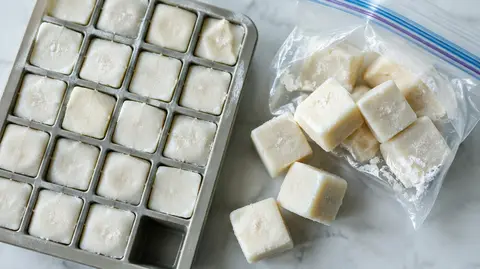
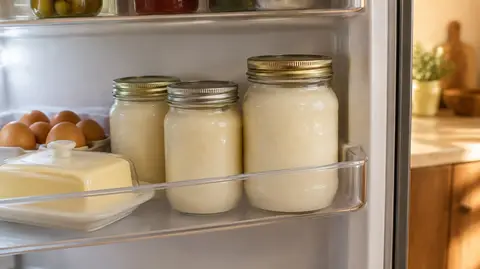
Cool and dark. Heat speeds oxidation. Light, especially UV, kicks off the chain reaction in the first place. A pantry shelf at 65 to 70 degrees away from the stove is fine for 6 to 12 months. A fridge takes you to 12 to 18 months easy. A deep freezer pushes you past two years.
Top off the air gap. This is the trick I learned later than I should have. When you use half a jar, the empty headspace is a reservoir of oxygen sitting right on top of the fat. Two options. Either transfer the remaining tallow to a smaller jar so it is full to the lid, or melt a fresh layer and pour it on top to seal out the air. Some people add a drop or two of vitamin E (mixed tocopherols) to the melted top layer as an antioxidant. It works. I do it on jars I expect to keep more than six months.
For the full storage breakdown including freezer protocols, see the beef tallow shelf life and storage guide and the related post on why your beef tallow smells bad and how to fix it.
The base tallow I use for nearly everything skincare and cooking is 100% Pure Grass-Fed Beef Tallow (4 lbs). The four-pound block comes vacuum-sealed, so the clock does not really start until you open it, and once I divide it into smaller glass jars I get over a year of fresh fat without thinking about it.
Is Rancid Tallow Dangerous? An Honest Answer
Eating rancid tallow will not send you to the hospital. Your gut will not be happy with you, but you are not going to get acutely sick the way you would from a foodborne illness. This is the answer most people are looking for after they take a big bite of something and taste paint.
That said, there are two real reasons not to eat it anyway.
First, it tastes awful. The aldehydes and ketones I mentioned earlier are the same compounds in stale chips and old nut oil. They do not go away in cooking. They get worse, actually, because heat makes more of them.
Second, the long-term concern. Oxidized fats and the aldehyde byproducts are inflammatory in mechanism. You are not going to suffer noticeable harm from one bite of a bad jar. But making rancid fat a regular part of your diet is not a good plan. If a jar smells off, it is not worth the calories.
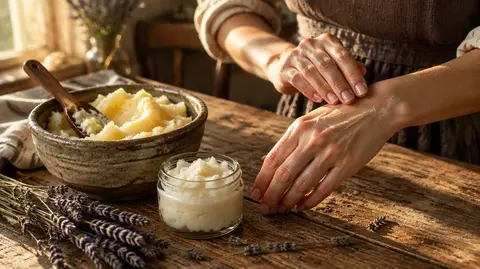
For skincare use, the same logic applies. Rancid tallow on your face is not going to scar you, but the inflammatory byproducts are the opposite of what you put fat on your skin for in the first place. Toss it.
When to Discard, When to Salvage
Here is the decision tree I actually use.
Toss it if:
- You open the jar and the first smell is crayon, paint, or sour.
- The whole jar has a yellow tint that was not there at the start.
- The texture has gone tacky or weepy.
- It has been more than 18 months unopened in a pantry, or you cannot remember when you opened it.
Use it up fast if:
- The smell is stronger than usual but still on the beef side.
- The top quarter inch has a slightly waxy film but the deeper fat is clean.
- It has been in the pantry 6 to 12 months and you have been dipping in regularly.
Salvage path:
- Scrape off any discolored or sticky top layer down to clean white fat.
- Melt the remaining tallow gently in a small saucepan over low heat.
- Strain through a fine sieve or coffee filter into a clean glass jar.
- Top off the headspace and refrigerate. Use within four weeks.
Salvage works. Just do not lie to yourself about which jar you are dealing with. If the smell is unmistakable, you are not saving money by stretching a bad jar into bad fries.
Frequently Asked Questions
How long does beef tallow actually last before going rancid?
Sealed at room temperature in glass, 12 to 18 months. Sealed in the fridge, up to two years. Sealed in a deep freezer, three years or more. Once opened, those numbers cut roughly in half, and the real-world answer depends on how often you open the jar and how much air sits above the fat.
Can I use rancid tallow for non-food purposes like candles or soap?
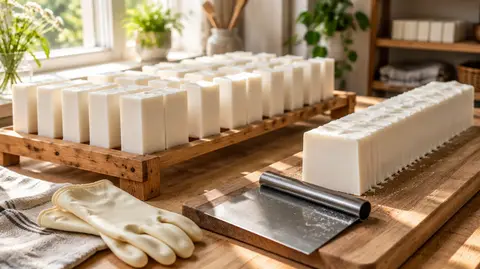
You can, and people have for centuries. Rancid tallow still saponifies into soap and still burns as a candle. The soap will smell unpleasant during the cure but the lye reaction destroys some of the offending compounds. The candles will smell worse when burning. I would not bother. Buy a fresh budget base like Traverse Bay Farms Beef Tallow (32 oz) instead. Your soap will turn out better.
Does grass-fed tallow go rancid faster than grain-fed?
Slightly slower in most cases. Grass-fed tallow has a higher saturated and lower polyunsaturated profile and also brings more natural antioxidants like vitamin E and beta-carotene. The differences are small. Storage conditions matter more than feed source.
Will adding vitamin E really extend shelf life?
Yes, and the effect is measurable. Mixed tocopherols at 0.05% to 0.1% by weight slow oxidation noticeably in lab tests on animal fats. In a home kitchen, two drops of a 1000 IU vitamin E capsule stirred into a melted pint jar before it cools is enough. It is not a miracle. It buys you months, not years.
Can I cook out the rancid smell?
No. Heat accelerates the breakdown that caused the smell in the first place. Whatever notes you smell off the cold jar will multiply when you heat it. If you are trying to cook past the rancidity, the smoke point will not save you either, since the offending compounds are already volatile at frying temperatures.
My tallow smells fine but tastes a bit waxy. Is that rancid?
A waxy mouthfeel without a crayon or paint smell is usually just hard saturated fat coating your tongue. Try a smaller amount, or use the tallow in a recipe where it gets cut with acid or stock. A truly rancid sample will smell off before it tastes off. Trust the nose first.
Bottom Line
Rancid tallow smells like crayons, paint, sour milk, or wet cardboard. Those notes are not subtle once you know what you are smelling for. If you get any of them off a jar, the fat has oxidized past the point of being useful, and no amount of cooking or scraping is going to rescue the whole batch. The top quarter inch is sometimes salvageable. The whole jar usually is not.
Store fresh tallow in clean glass, in the cool and the dark, with as little air above the fat as you can manage. Buy in sizes you will actually use in 6 to 12 months. A reliable, well-packaged base like grass-fed 4 lb tallow divided into pint jars will give you a year of cooking without a single bad scoop.
If you are still unsure about a jar, lean on the nose, then the eye, then the texture. If two of the three are off, throw it out. A jar of tallow is a few dollars. Your dinner is worth more.
Explore more tallow guides
Browse our collection of recipes, comparisons, reviews and DIY tutorials.
View all guidesKing Tallow is reader-supported. We research and test the products we recommend, and when you buy through links on this page we may earn a commission at no extra cost to you. See our affiliate disclosure.
Published