

Rendered Beef Fat vs Tallow: What Rendered Fat Is and What It's Called
Independent reviewWhat is rendered fat? Rendered beef fat is called tallow. How rendered beef fat, tallow, dripping, and raw beef fat differ, and when the label actually matters.

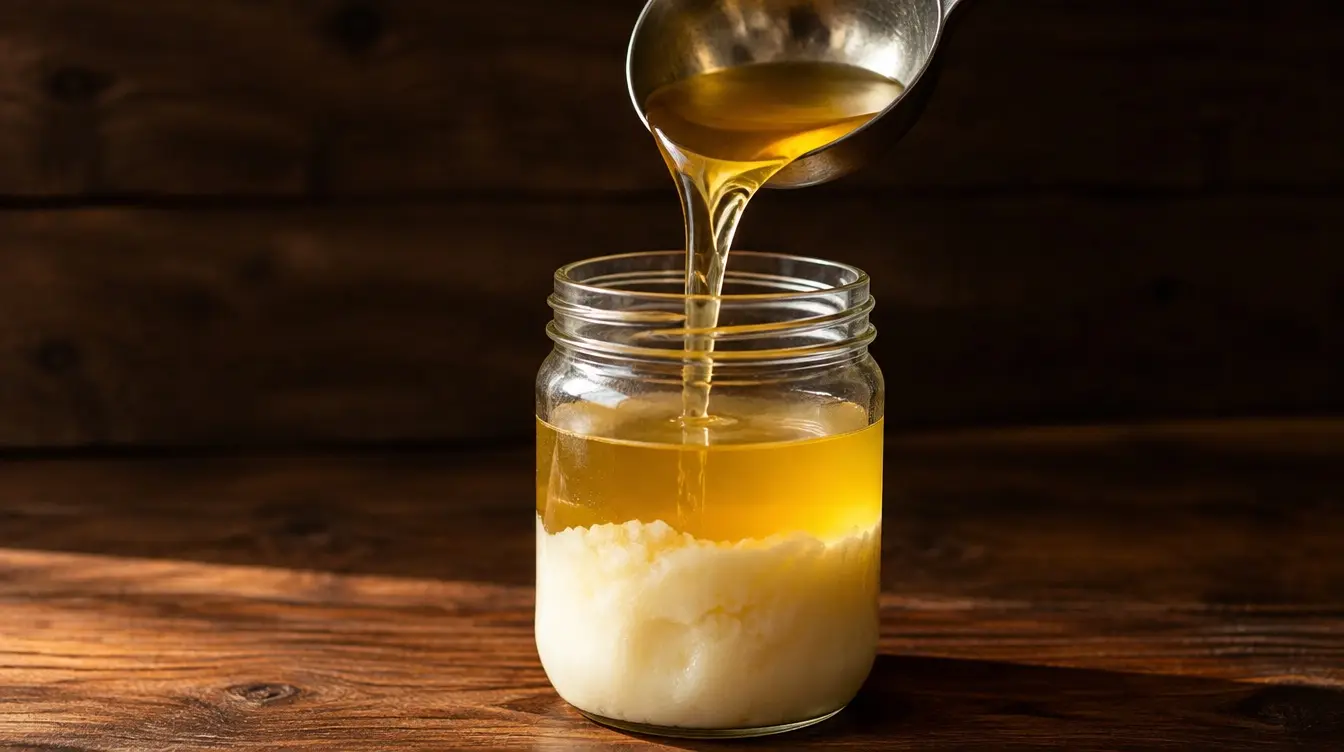
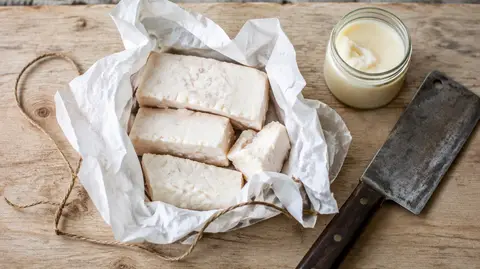
Rendered fat is animal fat that has been melted out of raw fatty tissue by slow heating, then strained to separate the pure fat from water, protein, and connective tissue. Rendered beef fat is called tallow. In everyday cooking, “rendered beef fat” and “beef tallow” mean the same thing. The distinction only matters in the rendering industry, where “tallow” also implies a firm fat that meets a minimum solidification point, and in skincare, where the source fat and purity make a bigger difference.
We test and research the products we recommend. If you buy through our links, we may earn a commission at no extra cost to you.
What Is Rendered Fat? A Definition
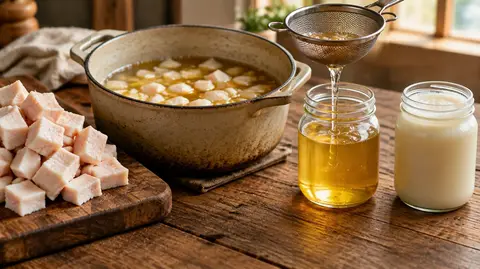
To render fat is to heat raw fatty tissue until the fat cells release their contents as liquid oil. The liquid is strained off and cooled. What remains in the strainer (browned bits of membrane and protein) are cracklings.
Rendering does three things:
- Separates fat from tissue. Raw fat is fat stored in cells held together by connective tissue, with some water and protein.
- Removes water. Water is what lets raw fat spoil within days, so removing it makes the fat shelf-stable.
- Leaves a pure fat that is solid or semi-solid at room temperature, depending on the animal.
In cooking, “render” also describes what happens in the pan: when you cook bacon or the fat cap on a steak, the fat “renders out” into the pan.
What is rendered beef fat called?
Rendered beef fat is called tallow. The name for rendered fat changes by animal:
| Animal | Rendered fat is called | Comparison |
|---|---|---|
| Cattle | Tallow (beef tallow) | This guide |
| Sheep | Tallow (mutton or lamb tallow) | Lamb tallow |
| Pig | Lard | Beef tallow vs lard |
| Bacon | Bacon grease | Tallow vs bacon grease |
| Chicken | Schmaltz | Tallow vs schmaltz |
| Duck / goose | Duck fat / goose fat | Tallow vs duck fat |
Beef fat collected from the bottom of a roasting pan, with meat juices mixed in, is called dripping. It is also rendered beef fat, but it carries more flavor and more impurities. See beef dripping vs beef tallow.
Beef Fat vs Tallow
These are two stages of the same thing:
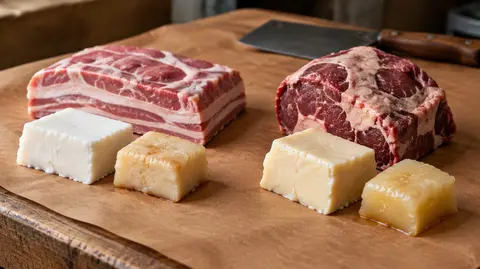
| Raw beef fat | Beef tallow | |
|---|---|---|
| State | Unrendered fatty tissue | Rendered, strained fat |
| Contains | Fat, water, connective tissue, some protein | Nearly pure fat |
| Shelf life | Days refrigerated, months frozen | Months at room temperature if sealed; a year or more refrigerated |
| Texture | Rubbery or crumbly, depending on the cut | Smooth, firm, waxy |
| Uses | Grinding into burgers, rendering, traditional suet puddings | Frying, searing, roasting, baking, soap, candles, balms |
Raw beef fat from around the kidneys is called suet, and it is the best starting material for tallow. See suet vs tallow for the full comparison.
Is Rendered Beef Fat the Same as Tallow?
In the kitchen, yes. All beef tallow is rendered beef fat, and any cleanly rendered beef fat will fry, sear, and roast the same way tallow does.
The two terms can differ in three contexts:
1. The rendering industry definition
Commercial renderers classify rendered animal fat by its titer, the temperature at which the fatty acids solidify. Fat with a titer of 40°C (104°F) or above is classed as tallow; softer fat below that point is classed as grease. Most beef fat meets the tallow threshold, but softer fats (and blends that include pork) may not.
2. The traditional definition
Historically, “tallow” meant fat rendered from the hard suet around the kidneys and loins. Softer fat from elsewhere on the animal was called dripping or simply rendered fat. Today most products labeled “beef tallow” are rendered from a mix of fat sources, and the word has broadened to mean any firm, well-rendered beef fat.
3. Edible vs inedible grades
Tallow sold for food must be rendered from inspected fat under food-safety rules. Inedible (technical) tallow is made from fat not approved for human food and is used for soap, lubricants, animal feed, and biodiesel. Industrial inedible tallow is traded in grades based on titer, free fatty acid content, color, and moisture. None of that is sold as cooking fat. For how quality is judged in consumer products, see beef tallow grades and quality standards.
Where the Source Fat Matters
The part of the animal the fat comes from changes how the tallow turns out:
- Kidney fat (suet): the firmest, whitest, and mildest tallow, with the highest yield. Preferred for skincare, soap, and candles.
- Trim fat and back fat: most commercial tallow. Slightly softer, with a bit more beef flavor. Good for cooking and frying.
- Caul and other soft internal fats: softer, and may fall below the industrial tallow titer threshold.
Details by cut are in types of beef tallow: leaf fat vs kidney fat vs back fat and best cuts of beef for rendering tallow.
When the Label Matters
Cooking
Here the terms are interchangeable. What matters is how carefully the fat was rendered and strained:
- Smoke point: clean, well-filtered tallow smokes around 400-420°F. Fat with leftover protein bits or water smokes earlier. See the beef tallow smoke point guide.
- Flavor: kidney fat tallow is milder; trim fat tallow is beefier.
- Reuse for frying: cleaner fat holds up over more fry sessions before it darkens and develops off flavors.
Skincare
This is where purity matters most. Skincare tallow is usually rendered from suet, rendered gently, strained finely, and often washed to reduce odor. Rendered fat from a butcher may carry more protein residue and a stronger smell, which is fine in a pan but less pleasant on skin. Tallow is widely used as a moisturizer, but evidence for specific skin benefits is limited, and it is not suitable for everyone. See beef tallow for skincare for what is and is not known.
Soap and candles
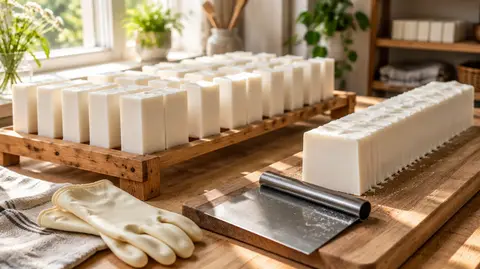
For soap, firmer, higher-titer fat makes harder, longer-lasting bars. For candles, firmer fat holds its shape and drips less. Softer rendered fats work, but results are softer.
What Labels Mean
- “Beef tallow”: rendered beef fat from any part of the animal; quality depends on the brand.
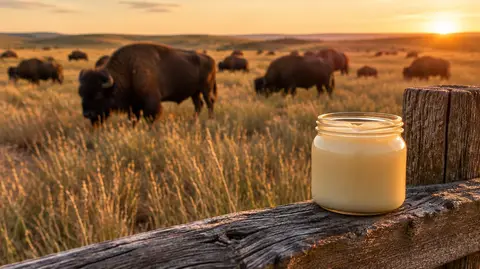
- “Grass-fed beef tallow”: says how the cattle were raised, not which fat was used.
- “Suet tallow” or “kidney fat tallow”: names the premium fat source.
- “Rendered beef fat”: the generic term, common from butchers and farms. Usually a mix of fat sources.
- “Beef dripping”: fat and meat juices from roasting. Great for roast potatoes and Yorkshire pudding; not used for skincare or candles.
How to Clean Up Rendered Beef Fat
If you have rendered beef fat that is off-color or smells strong, a water wash usually improves it:
- Melt the fat over low heat.
- Add about 1 cup of water per pound of fat, with a teaspoon of salt if you like, and simmer gently for 20-30 minutes.
- Strain through a fine-mesh strainer lined with cheesecloth into a bowl.
- Refrigerate until the fat sets into a solid disk on top of the water.
- Lift off the disk, scrape any residue from its underside, and pat it dry.
- Repeat if needed.
This is the same method used for “deodorizing” tallow for balms. For clarity problems, see why rendered tallow turns cloudy and how to filter and strain tallow. To render from raw fat, follow how to render beef tallow at home.
Frequently Asked Questions
Is rendered beef fat the same as tallow?
For cooking, yes. Rendered beef fat is tallow. In industrial use, “tallow” also means the fat has a titer of at least 40°C.
What is the difference between beef fat and tallow?
Beef fat is the raw tissue; tallow is the fat after rendering and straining. Raw fat spoils in days; tallow keeps for months.
Is beef dripping the same as tallow?
Close, but dripping includes meat juices from roasting, so it has more flavor and a shorter shelf life. Tallow is rendered from raw fat and is purer.
Why is some rendered beef fat yellow and some white?
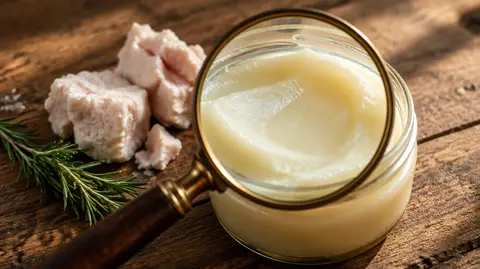
Grass-fed beef fat often looks cream to yellow because of beta-carotene from pasture. Fat rendered too hot, or old fat, can turn darker yellow or tan. See the beef tallow color guide.
Can I use rendered beef fat from my butcher on my skin?
If it is white, firm, and smells clean, it can work, especially after a water wash. For facial use, a tallow rendered from suet and deodorized is the more predictable choice. Patch-test first.
Does it matter nutritionally?
Very little. Grass-fed fat can have somewhat more CLA and a lower omega-6 to omega-3 ratio than grain-fed fat, but source and rendering method do not change the basic makeup: mostly saturated and monounsaturated fat. See beef tallow nutrition facts.
Bottom Line
Rendered fat is animal fat melted out of raw tissue and strained, and rendered beef fat is called tallow. For cooking, the names are interchangeable; judge it by how clean it looks and smells. For skincare, soap, and candles, look for tallow rendered from suet and well filtered. If you want a ready-made option, the 100% Pure Grass-Fed Beef Tallow 4 lb tub works for cooking, and Traverse Bay 32 oz is a deodorized base for DIY balms and soap.
Explore more tallow guides
Browse our collection of recipes, comparisons, reviews and DIY tutorials.
View all guidesKing Tallow is reader-supported. We research and test the products we recommend, and when you buy through links on this page we may earn a commission at no extra cost to you. See our affiliate disclosure.
Published · Last updated