Best Beef Tallow for Soap Making: Top Picks, SAP Values, and Blends
Independent reviewThe best beef tallow for soap making, compared: deodorized vs grass-fed, bulk sizes, where to buy, tallow SAP values, soap trait scores, and blends that work.

This post contains affiliate links. We may earn a commission if you purchase through these links, at no extra cost to you.
The best beef tallow for soap making is clean, fully rendered, dry, and low in odor. For small batches and scented bars, a deodorized tallow like Traverse Bay 32 oz is the easiest start. For repeated batches, a bulk grass-fed tub (4 lb or 7.5 lb) costs less per bar. Grass-fed sourcing changes the finished soap very little, because saponification converts the fat; rendering quality and smell matter much more.
This page covers which tallow to buy for soap, where to buy it, the SAP values and trait scores behind tallow soap, and the blends that work. For full recipes with lye and water weights and the step-by-step cold process method, see the tallow soap recipe guide.
Best Tallow for Soap Making: Quick Picks
Best overall for soap: Traverse Bay Deodorized Beef Tallow 32 oz. Deodorized, sold for DIY use, and a manageable size for a first few batches.
Best dual-use bulk option: 100% Pure Grass-Fed Beef Tallow 4 lb. Food grade, grass-fed, and enough for several loaves plus cooking.
Best for big batches: Cornhusker Kitchen Grass-Fed Beef Tallow 7.5 lb. A large tub for people making multiple loaves a month.
Best for full control: tallow you render yourself from suet, strained twice.
Comparison Table
| Tallow | Size | Grass-fed | Deodorized | Best soap use | Price tier |
|---|---|---|---|---|---|
| Traverse Bay 32 oz | 32 oz | No | Yes | Scented bars, first batches | $ |
| Grass-Fed Tallow 4 lb | 4 lb | Yes | No (mild scent) | Repeated batches, cooking and soap | $$ |
| Cornhusker Grass-Fed 7.5 lb | 7.5 lb | Yes | Not marketed as deodorized | Large or frequent batches | $$ |
| Premium cooking tallow (e.g., Fatworks) | 14 oz | Yes | No | Small test batches only | $$$ |
| Home-rendered from suet | Varies | Your choice | You control it | Custom bars, lowest cost per pound | $ |
Where to Buy Tallow for Soap Making
Online. The three tubs above ship anywhere and give consistent results batch to batch, which matters because your lye math assumes the same fat every time. Check the label says 100% beef tallow with nothing added.
Butchers and meat processors. Beef suet or trim is often cheap or free, and you render it yourself. Ask for kidney fat (suet) for the whitest, mildest tallow. The guide to buying beef tallow near you lists what to ask for.
Grass-fed ranches and farmers markets. Good for grass-fed suet or rendered tallow in bulk. See where to buy grass-fed beef tallow for sources.
Soap-making suppliers. Some carry tallow alongside lye and molds. Prices vary, so compare per-pound cost against the bulk tubs.
Whatever you buy, avoid tallow blended with other fats, seasoned “cooking” tallow, or anything with added preservatives, since those change the lye requirement.
Detailed Picks
1. Traverse Bay 32 oz: Best Overall for Soap Making
Traverse Bay is deodorized and marketed for bath and body use, so it has less of the beefy smell that can carry into a bar. That matters most if you plan to scent your soap with essential oils, because a neutral base lets the fragrance come through. It is conventional tallow, not grass-fed, which makes little difference in soap: saponification converts the fatty acids into soap, and the fat-soluble vitamins people value in grass-fed tallow for balms do not survive as-is.
I have made plain tallow, tallow-coconut, tallow-olive-coconut, and honey-oatmeal bars with it, and all cured into firm bars. The 100% tallow version was the hardest.
Good: deodorized, neutral base for scented bars, easy size for a first few batches. Less good: not grass-fed; 32 oz covers only about two batches of a 16 oz recipe, so frequent soap makers go through it quickly.
2. 100% Pure Grass-Fed Beef Tallow 4 lb: Best Dual-Use Bulk
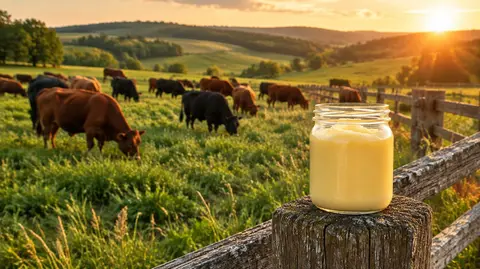
If you cook with tallow and make soap, one 4 lb tub covers both. For soap, grass-fed sourcing is mostly a sourcing and labeling preference. In my side-by-side bars against Traverse Bay after a full cure, the differences in hardness and lather were small. Grass-fed tallow tends to be more yellow than grain-fed because of carotenoids from pasture, so unscented bars can come out cream or ivory rather than bright white.
If you sell soap, “grass-fed beef tallow” is a label claim many customers look for, which is the strongest reason to pay for it.
Good: grass-fed, food grade, good per-pound value, doubles as cooking fat. Less good: mild natural tallow scent; more yellow than deodorized tallow.
3. Cornhusker Kitchen Grass-Fed Beef Tallow 7.5 lb: Best for Big Batches
At 7.5 lb, this is enough tallow for about seven batches of the basic 16 oz recipe, or two to three full loaves of a larger recipe. Buying one large tub also keeps your fat source consistent across batches, which makes results more repeatable. Store the unopened portion cool and dark so it stays fresh through a long run of soaping.
Good: large size, grass-fed, consistent source over many batches. Less good: not sold as deodorized; too much tallow if you only make soap a couple of times a year.
4. Home-Rendered Tallow: Best for Full Control
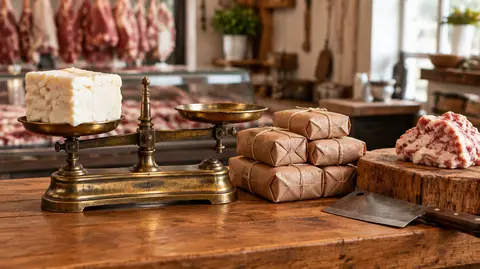
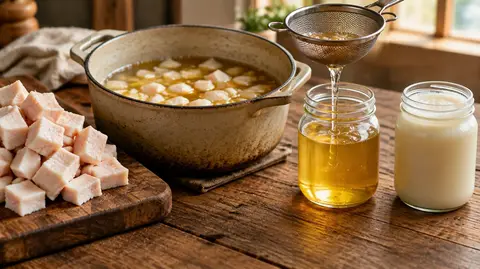
Rendering suet yourself gives you control over the source, the method, and how clean the fat gets. Butcher suet is usually one of the cheapest fats per pound you can buy, and a well-rendered batch yields most of its weight as tallow. The trade-off is time: rendering takes several hours, and soap-grade tallow should be strained twice, first through cheesecloth and then through a coffee filter, to remove protein bits that can cause rancid spots in finished bars.
The step-by-step tallow rendering guide covers stovetop, oven, and slow cooker methods, and the filtering and straining guide covers getting it clean enough for soap.
Why Tallow Makes Good Soap
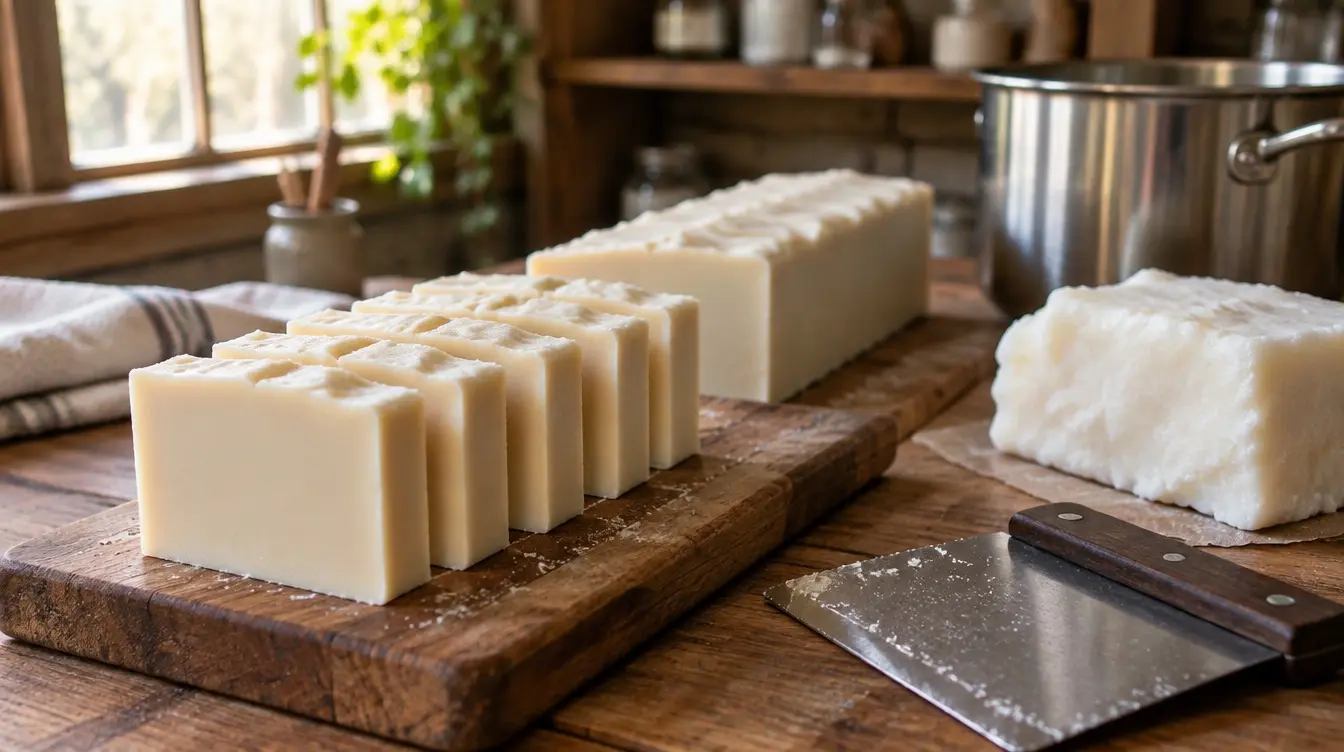
Hardness. Tallow is high in palmitic and stearic acid, both saturated fatty acids that make hard, slow-dissolving bars. A tallow bar holds its shape in the shower far better than a bar made mostly from olive or sunflower oil.
Creamy lather. Tallow gives a dense, stable lather with small bubbles rather than the big, quick bubbles of coconut oil soap.
Mild cleansing. Tallow has very little lauric or myristic acid, the fatty acids that make coconut soap strongly cleansing. That is why a 100% tallow bar feels gentle, and also why it makes fewer bubbles.
Cost. Per pound, tallow is one of the cheapest bar-soap fats, especially if you render your own.
History. Before vegetable oils took over, bar soap in cattle country was largely tallow soap, and 19th-century industrial soap makers built their businesses on tallow. Sodium tallowate, the soap made from tallow, still appears on the ingredient lists of some mass-market bars.
SAP Values: The Numbers You Need
Saponification value (SAP) is the amount of lye needed to fully convert a fat into soap.
For beef tallow, most lye calculators list:
- Sodium hydroxide (NaOH), for bar soap: about 0.140 to 0.143
- Potassium hydroxide (KOH), for liquid or soft soap: about 0.197 to 0.200
So 16 oz (454 g) of tallow needs roughly 2.25 to 2.29 oz (64 to 65 g) of NaOH to saponify completely. At the usual 5% superfat, that drops to about 2.14 to 2.18 oz (61 to 62 g). The tallow soap recipe guide uses 61.2 g for exactly this reason.
Two rules:
- Always superfat. Using 5% less lye than full saponification leaves a little unreacted fat in the bar. That makes it milder and protects you from small weighing errors. Much above 8% and a tallow bar softens and goes rancid sooner.
- Always use a lye calculator. SoapCalc, Bramble Berry’s calculator, and similar tools handle oil blends, superfat, and water. SAP values vary a little between tallow sources and between calculators, so recalculate any time you change fats.
Soap Trait Scores for Beef Tallow
Soap calculators score recipes on a few traits based on fatty acid content. Using a typical beef tallow profile, a 100% tallow bar comes out roughly:
| Trait | 100% tallow (approx.) | Commonly suggested range for a bar |
|---|---|---|
| Hardness | ~58 | 29-54 |
| Cleansing | ~6-8 | 12-22 |
| Conditioning | ~40 | 44-69 |
| Bubbly lather | ~6-8 | 14-46 |
| Creamy lather | ~50 | 16-48 |
| Iodine | ~45-50 | 41-70 |
| INS | ~147 | 136-165 |
Your calculator’s numbers may differ by a few points depending on the fatty acid profile it uses. Read together, the scores say that pure tallow sits a little above the usual hardness range, well below the usual cleansing and bubbly ranges, and at the top of the creamy range. That is a very hard, very mild bar with creamy but modest lather, which is why so many recipes blend tallow with a smaller share of coconut oil (more cleansing and bubbles) or olive oil (more conditioning).
Fatty Acid Profile
Typical published ranges for beef tallow (they vary with breed, diet, and which fat was rendered):
- Oleic acid: about 36-43% (monounsaturated; conditioning)
- Palmitic acid: about 24-28% (saturated; hardness, creamy lather)
- Stearic acid: about 19-24% (saturated; hardness, creamy lather)
- Myristic acid: about 3-6% (saturated; some cleansing and bubbles)
- Linoleic acid: about 2-4% (polyunsaturated; conditioning)
- Lauric acid: under 2%
The large palmitic plus stearic share makes tallow hard. The oleic share keeps it conditioning. The small lauric and myristic share is why coconut oil pairs so well with it.
Why Deodorized Tallow Helps in Soap
Rendered tallow has a beefy smell that is welcome in a frying pan and less welcome in a bar of soap. Saponification and cure reduce it, but a strongly scented tallow can still leave a faint note.
Your options:
- Buy deodorized tallow, such as Traverse Bay.
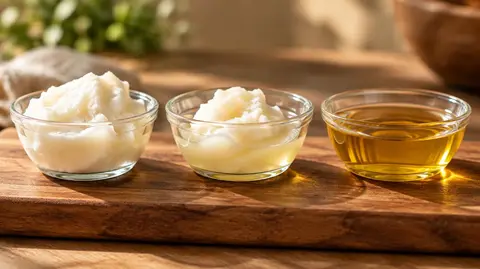
- Clean it yourself. Wet-render or re-melt the tallow with water and a little salt, let it solidify, scrape impurities off the bottom, and repeat two or three times. The guide to rendering tallow without the smell covers the method.
- Scent the bar. Essential oils cover a mild tallow note, though scent fades during cure, so this works best with already-mild tallow.
Blends That Work
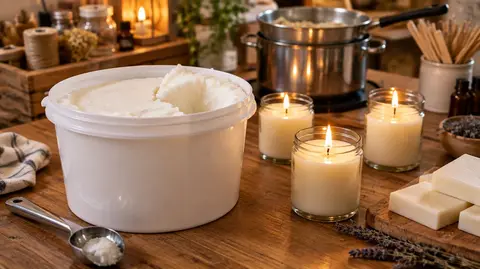
A 100% tallow bar is a good bar. Blends let you shift it toward more lather or more conditioning. Weights and lye amounts for most of these are in the tallow soap recipes section. Run every blend through a lye calculator.
| Blend | Ratio | What it changes |
|---|---|---|
| Tallow + coconut | 75% tallow, 25% coconut | More bubbles and cleansing; classic everyday bar |
| Tallow + olive | 70-75% tallow, 25-30% olive | Milder and more conditioning; longer cure (8-12 weeks) |
| Shaving soap | 70% tallow, 25% coconut, 5% castor + clay | Dense, stable lather |
| Salt bar | 80% coconut, 20% tallow, high superfat, salt at 50-100% of oils | Exfoliating bar that lathers in salty water |
| Tallow + lard | 60% tallow, 40% lard | Slightly softer, smooth old-style household bar |
| Four-oil loaf | 55% tallow, 23% coconut, 18% olive, 4% castor | Balanced hardness, lather, and conditioning |
Four-oil loaf formula. For a 44 oz (1,247 g) oil batch that fills a larger loaf mold: 24 oz (680 g) tallow, 10 oz (283 g) coconut oil, 8 oz (227 g) olive oil, 2 oz (57 g) castor oil. At 5% superfat and SAP values of 0.142 (tallow), 0.183 (coconut), 0.135 (olive), and 0.128 (castor), that works out to about 6.25 oz (177 g) NaOH and 16.7 oz (474 g) distilled water at 38% of oil weight. Verify in your calculator before mixing and follow the cold process steps in the tallow soap recipe guide.
Cold Process vs Hot Process With Tallow
Cold process gives smoother bars and room for swirls and layers. Bars cure 4 to 6 weeks, and a 100% tallow bar keeps improving to 8 weeks or more.
Hot process cooks the batter until saponification is done, so bars are safe to use within days, with a more rustic texture. They still get harder with a few weeks of cure.
Tallow works well either way. For personal-use bars, pick whichever method you find easier.
Cure Times and Final Quality
Cure 100% tallow bars at least 4 weeks, and 8 to 12 weeks for the hardest, mildest bar. Olive-heavy blends need the longer end. Set bars on a rack with air on all sides, away from sun and heat, and flip them occasionally. A tallow bar used at 3 weeks is softer and lathers less than the same bar at 8 weeks.
Frequently Asked Questions
How much tallow do I need per batch of soap?
For the basic 100% tallow recipe, 16 oz (454 g), which makes six to eight bars. A standard 42 oz silicone loaf mold, like the DD-life loaf mold with wooden box, holds about 1.75 times that recipe. A 4 lb tub covers about four basic batches.
Is grass-fed beef tallow better for soap making?
Not in any way that shows up clearly in the finished bar. Saponification converts the fat, so grass-fed and grain-fed tallow make very similar soap. Grass-fed tallow is often more yellow, which can tint unscented bars, and it is a sourcing claim some buyers want. Choose it for those reasons, not for a different lather.
Can I use store-bought beef tallow for soap?
Yes. Any pure, food-grade beef tallow with nothing added works. Deodorized tallow is easier to scent.
Does tallow soap smell like beef?
Not when it is made from clean, mild tallow. Saponification and cure remove most of the smell. A strongly scented tallow can leave a faint note, which deodorized tallow or clean re-rendering avoids.
Can I make soap with 100% tallow?
Yes. It makes a very hard, mild, long-lasting bar with creamy, modest lather. Adding 20 to 25% coconut oil gives more bubbles if you want them.
What is saponified beef tallow?
It is beef tallow that has reacted with lye and become soap. On commercial labels the same thing is listed as sodium tallowate. The tallow soap recipe guide explains the chemistry briefly.
What else do I need besides tallow?
Pure sodium hydroxide, such as Essential Depot food grade lye, distilled water, a digital scale, a stick blender, a mold, and splash goggles and gloves. The full equipment list with safety notes is in the tallow soap recipe guide.
Can I make tallow shampoo bars?
You can, but tallow is rarely the main fat in a shampoo bar. Shampoo bars usually need more cleansing and bubbles, so coconut oil takes a larger share (often 30 to 40%) with tallow around 30% plus castor and olive. The soap making guide and the tallow soap making uses page cover more formulations.
How long does a tallow soap bar last in the shower?
Longer than most commercial bars of the same size, because a fully cured tallow bar is very hard. Keep it on a draining dish between uses so it dries out.
Bottom Line
For most home soap makers, Traverse Bay 32 oz is the easiest start because it is deodorized. If you also cook with tallow or make soap often, the 4 lb grass-fed tub or the 7.5 lb Cornhusker tub gives you better per-pound value and a consistent fat source. Rendering your own is cheapest if you have the time to strain it well.
Whichever tallow you choose, run every recipe through a lye calculator, superfat at about 5%, and give the bars a full cure. When you are ready to mix, the tallow soap recipe guide has five formulas and the full step-by-step method.
Explore more tallow guides
Browse our collection of recipes, comparisons, reviews and DIY tutorials.
View all guidesKing Tallow is reader-supported. We research and test the products we recommend, and when you buy through links on this page we may earn a commission at no extra cost to you. See our affiliate disclosure.
Published · Last updated