Traverse Bay Beef Tallow Review: Deodorized Budget Tallow for Soap, Candles and Balms
Reader-supportedTraverse Bay deodorized beef tallow review: 32 oz tub tested in cold-process soap, candles and a DIY body balm, plus why it isn't our pick for cooking.

We test and research the products we recommend. If you buy through our links, we may earn a commission at no extra cost to you.
The verdict up front (4.2 out of 5): Traverse Bay Bath and Body beef tallow is the best value option for DIY soap, candles, and homemade skincare formulas. A 32 oz tub in the budget ($) price tier makes it one of the cheapest ways per ounce to buy rendered tallow for projects. It’s deodorized, so it won’t give your candles or soaps a beefy smell. The trade-off? It’s not grass-fed and it’s not marketed for direct skincare use. If you want a ready-to-use moisturizer, look elsewhere. If you want affordable, workable tallow for crafting, this is the one to buy.
What Is Traverse Bay Beef Tallow?
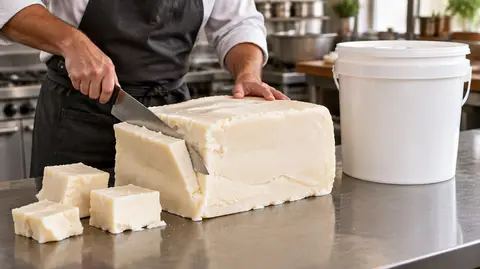
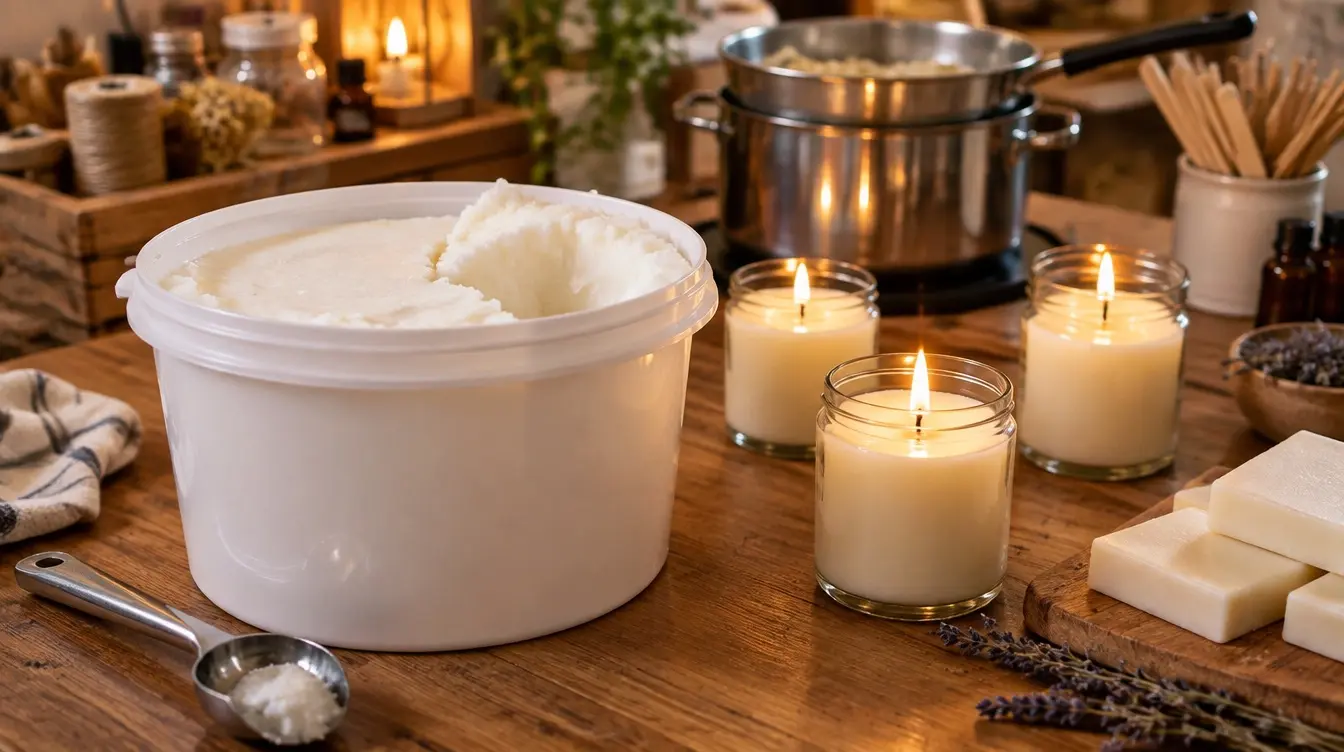
Traverse Bay Bath and Body sells a 32-ounce (2 lb) tub of deodorized beef tallow designed specifically for DIY and crafting applications. This isn’t a finished skincare product or a cooking fat. It’s a raw material — rendered, filtered, and deodorized tallow meant to be an ingredient in your own creations.
The deodorizing process removes the characteristic beefy smell that raw tallow carries. This matters enormously for soap and candle makers. Nobody wants their lavender candle to smell like a steakhouse.
Key specs:
- Size: 32 oz (2 lbs)
- Type: Deodorized beef tallow
- Source: Not specified as grass-fed
- Processing: Rendered and deodorized
- Best for: Soap making, candle making, DIY balm and lotion bases
- Not ideal for: Direct skin application, cooking
Testing for Soap Making
I used Traverse Bay tallow as the primary fat in three different cold-process soap batches. Here’s what I found.
Trace time was excellent. Tallow soaps reach trace faster than pure olive oil recipes, and Traverse Bay performed exactly as expected. I hit light trace within 3-4 minutes using a stick blender, which is right in the sweet spot for cold process. This gives you enough working time to add fragrance oils, colorants, or swirl patterns before the batter thickens too much.
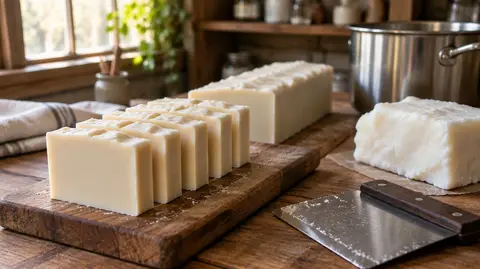
The bar quality impressed me. Tallow produces a hard, long-lasting bar with a creamy, stable lather. My test bars (70% tallow, 20% coconut oil, 10% olive oil) cured for four weeks and came out dense, smooth, and white. The lather was rich without being overly bubbly — more of a creamy, lotion-like foam.
No beefy smell in the finished product. This was my biggest concern, and Traverse Bay’s deodorizing process handled it. My finished soaps smelled only of the essential oils I added. Even the unscented test bar had no animal odor at all.
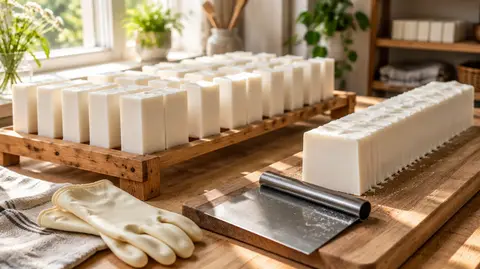
Unmolding was easy. Tallow soaps harden faster than all-vegetable recipes. I unmolded at 24 hours with clean edges and no sticking. Olive oil-heavy soaps often need 48-72 hours.
If you’re new to soap making with tallow, our guide on how to make tallow soap from scratch walks through the full process, including lye calculations. For how tallow behaves in soap compared with other fats, see best beef tallow for soap making.
My Go-To Tallow Soap Recipe
This is the basic recipe I tested with Traverse Bay:
- 70% beef tallow (Traverse Bay)
- 20% coconut oil (for lather and cleansing)
- 10% olive oil (for conditioning)
- Lye (NaOH) calculated at 5% superfat
- Essential oils added at light trace (optional)
Run every recipe through a lye calculator before making it. Superfat percentages and lye amounts change based on your specific oil weights.
Testing for Candle Making
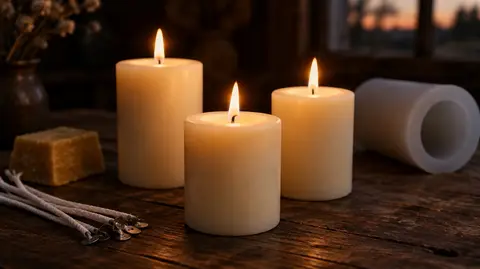
Tallow candles have a long history — they were the standard before paraffin wax existed. I made a batch of container candles and a batch of taper-style candles using Traverse Bay tallow.
Burn quality was good but not perfect. Tallow candles burn with a warm, steady flame. The light has a slightly softer, more yellow tone compared to soy or beeswax candles. I found the burn time comparable to soy wax in similar-sized containers.
Scent throw is moderate. Tallow holds fragrance oils reasonably well, but it doesn’t project scent as aggressively as soy wax. If you want a candle that fills a room, you’ll need to increase your fragrance load or blend tallow with beeswax. I got the best results at about 8-10% fragrance oil by weight.
No beefy smell when burning. Again, the deodorizing pays off. My test candles smelled clean, carrying only the added fragrance. One unscented candle had a very faint, almost sweet background note — not unpleasant, and definitely not beefy.
Texture and appearance need work. Pure tallow candles have a rougher surface than soy or paraffin. They can develop small air pockets and aren’t as glossy. Blending with about 20% beeswax improves the appearance significantly and helps with scent throw too.
For a detailed walkthrough of the full candle-making process, including wick sizing and pour temperatures, see our tallow candle making guide.
Tallow Candle Tips
- Pour temperature: 140-150 degrees F for container candles
- Add fragrance at: 135-140 degrees F
- Wick size: Go one size up from what you’d use for soy wax
- Blend suggestion: 80% tallow / 20% beeswax for better appearance and scent throw
- Cure time: Let candles cure 3-5 days before burning for best results
Testing as a DIY Balm Base
This is where Traverse Bay gets interesting for skincare enthusiasts who want to make their own products at a fraction of retail cost.
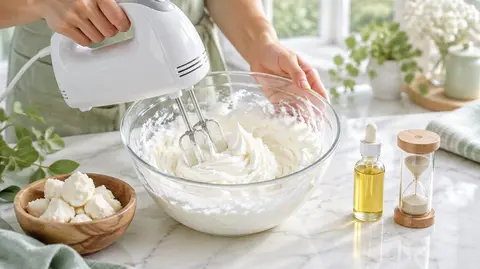
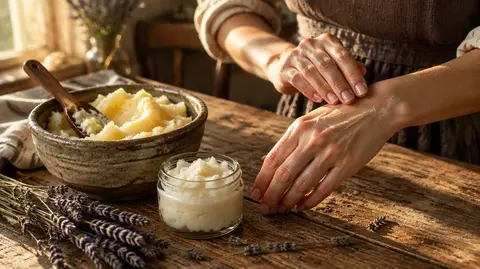
I used it as the tallow base in a simple whipped body butter recipe: 1 cup melted tallow, 1/3 cup jojoba oil, 10 drops lavender essential oil, whipped to a fluffy consistency.
The resulting balm was functional. It spread well, absorbed reasonably, and moisturized effectively. I used it on my hands and arms for a week.
But it’s not the same as grass-fed tallow. Traverse Bay doesn’t specify grass-fed sourcing, and research on beef fat shows grass-finished cattle tend to carry more CLA, omega-3s and carotenoids than grain-finished cattle. Deodorizing may also strip some minor compounds. How much any of that matters on skin hasn’t been studied directly. For a deeper dive into why this matters, our guide on grass-fed vs. grain-fed tallow covers the differences in detail.
For body use, it works fine. Hands, elbows, feet, general body moisture — Traverse Bay handles these applications well when formulated into a balm. For face products, many makers prefer a grass-fed base, or you can skip DIY and buy a finished balm like Amallow. Patch-test any homemade balm before using it on your face.
Simple DIY Tallow Balm Recipe
- 1 cup Traverse Bay beef tallow (melted gently)
- 1/3 cup carrier oil (jojoba, sweet almond, or olive)
- 10-15 drops essential oil (optional)
- Melt tallow, mix in carrier oil, cool to semi-solid, whip with hand mixer for 5-10 minutes
- Store in glass jars in a cool, dark place
What About Cooking?
We don’t recommend cooking with Traverse Bay tallow. It’s sold by Traverse Bay Bath and Body as a supply for handmade soap and bath products, not as a food product, so it isn’t packaged or labeled to food standards.
Even setting that aside, the deodorizing process strips the natural flavor that makes tallow good for frying and searing. You’d be paying for processing that removes the very thing you want in a cooking fat.
If you need cooking tallow, look for products sold for culinary use: undeodorized, food-grade, and ideally grass-fed, such as the 4 lb grass-fed tub or the brands in our best beef tallow for cooking roundup. Traverse Bay’s sweet spot is crafting.
The Real Cons
Not grass-fed. The sourcing isn’t specified, which most likely means conventional beef. For soap and candles, this doesn’t matter. For skincare formulas, some makers prefer grass-fed tallow for its fatty-acid profile.
Not food-grade marketed. While it’s still rendered beef tallow, the product is positioned for bath and body use. If cooking is your goal, buy a product designed for it.
The tub packaging is basic. You get a simple plastic container. It works, but it’s not resealable in a way that keeps the tallow perfectly fresh long-term. I’d recommend transferring unused portions to glass mason jars if you’re not using it all at once.
Texture varies slightly between batches. I’ve ordered Traverse Bay three times now. The color ranged from pure white to very pale cream, and the firmness varied slightly. This is normal for natural animal fats and doesn’t affect performance, but it’s worth mentioning if you expect industrial-level consistency.
32 oz is a lot if you’re just experimenting. If you’re making your first batch of soap ever, you’ll have a lot of tallow left over. That’s not necessarily bad — it stores well — but it is a commitment. Tallow keeps for months at room temperature and over a year in the fridge, so you’ll use it eventually.
Price and Value Comparison
This is where Traverse Bay dominates. Let’s compare cost per ounce:
| Product | Size | Price tier | Relative cost per oz |
|---|---|---|---|
| Traverse Bay deodorized tallow | 32 oz | $ | Lowest |
| Grass-fed cooking tallow (jars) | 11-16 oz | $ per jar | Roughly 2-3x Traverse Bay |
| Finished tallow balm (retail) | 2-4 oz | $$ per jar | Many times Traverse Bay |
Check current prices on the listing, since they change. Per ounce, Traverse Bay is consistently among the cheapest ways to buy rendered tallow for projects, and far cheaper than finished retail balms. The beef tallow price guide shows typical per-pound tiers.
For DIY makers producing multiple bars of soap or a batch of candles, this pricing makes the hobby economically viable. A single 32 oz tub gives you enough tallow for approximately:
- 8-10 bars of cold-process soap (at 70% tallow recipes)
- 6-8 container candles (8 oz containers)
- 8-10 jars of whipped body butter (4 oz jars)
Who Should Buy Traverse Bay
This is for you if:
- You make soap and want an affordable, high-performing tallow base
- You’re experimenting with tallow candles
- You create DIY balms, lotions, or body butters
- You want bulk tallow at the lowest possible cost per ounce
- You need deodorized tallow for scented products
This is NOT for you if:
- You want a ready-to-use skincare product (buy Amallow instead)
- You need grass-fed tallow for maximum nutrient density
- You want cooking tallow (look for food-grade, undeodorized options)
- You’re only making a single small project and don’t need 32 oz
The Bottom Line
Traverse Bay beef tallow is the value pick for DIY tallow projects. The deodorized formula works well in soap, performs decently in candles, and makes a capable base for homemade body balms. Few rendered tallows cost less per ounce.
The limitations are real but predictable. It’s not grass-fed, it’s not optimized for cooking, and the basic packaging could be better. But for its intended purpose — giving DIY makers a clean, workable, affordable tallow base — it nails every requirement.
If you’re making soap, candles, or DIY balms with any regularity, Traverse Bay should be your default tallow supply. For project ideas, see making soap with tallow and tallow candles.
Explore more tallow guides
Browse our collection of recipes, comparisons, reviews and DIY tutorials.
View all guidesKing Tallow is reader-supported. We research and test the products we recommend, and when you buy through links on this page we may earn a commission at no extra cost to you. See our affiliate disclosure.
Published · Last updated