


Best Deep Fryer for Beef Tallow: 5 Picks by Capacity and Budget
Independent reviewThe best deep fryer for beef tallow, from a 4-cup FryDaddy to a 4.5L fryer and a Dutch oven. How much tallow each needs, melting solid fat, and reuse.

This post contains affiliate links. We may earn a commission if you purchase through these links, at no extra cost to you.
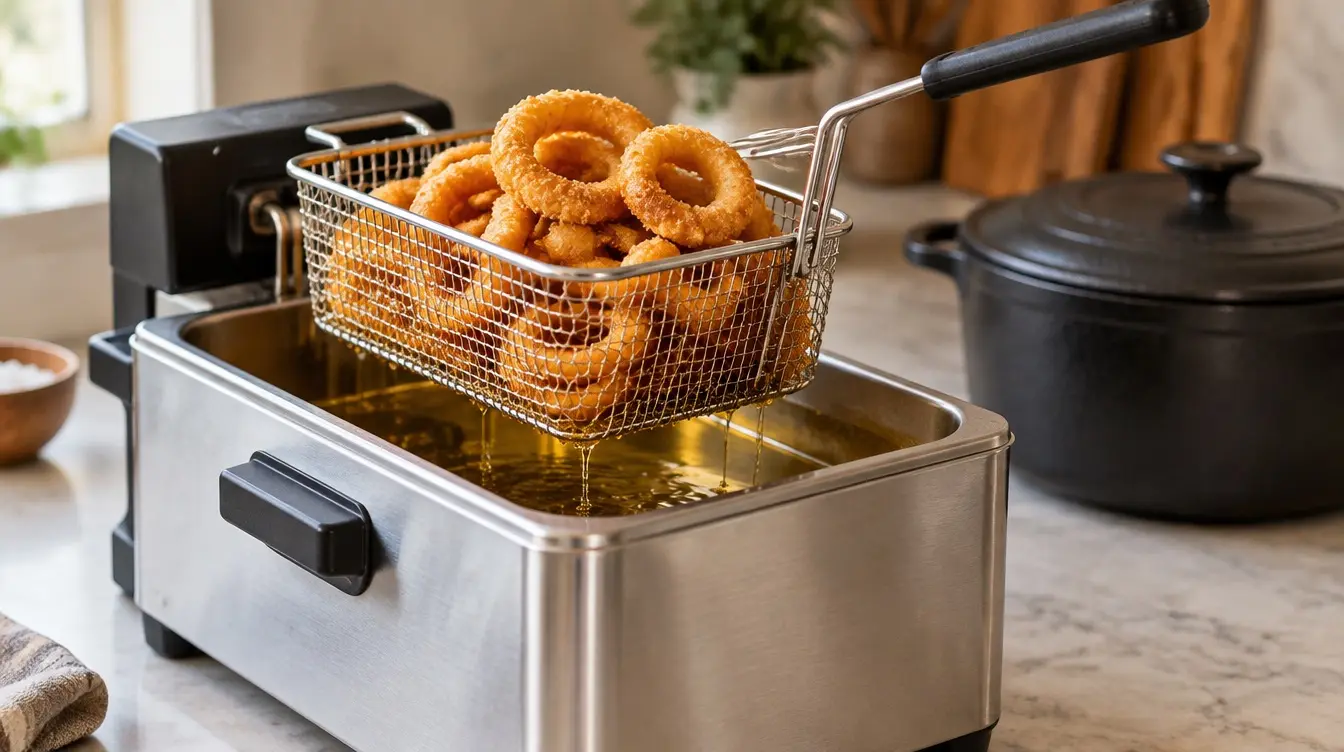
The best deep fryer for beef tallow is one that holds a steady temperature, has a capacity that matches how much tallow you want to buy, and lets you melt solid fat safely. For most home cooks that means a 3.5 to 4-quart electric fryer with an adjustable thermostat, such as the Cuisinart CDF-200P1 or the T-fal 3.5L with oil filtration. For small batches, a Presto FryDaddy needs only about 2 pounds of tallow. And a heavy Dutch oven with a clip thermometer does the job without buying an appliance.
Yes, you can use beef tallow in a deep fryer. The one extra step is how you get it in: tallow is solid at room temperature, so in most fryers you should melt it on the stove first and pour it in.
Quick Comparison
Capacities are as each manufacturer lists them. Tallow weights assume melted tallow at about 0.9 grams per milliliter, so one quart is roughly 1.9 pounds.
| Fryer | Stated oil capacity | Approx. tallow to fill | Tier | Best for |
|---|---|---|---|---|
| Presto 05420 FryDaddy | 4 cups | About 1.9 lb | $ | One or two people, small batches |
| T-fal 3.5L with Oil Filtration | 3.5 liters | About 7 lb | $$ | Easy straining and storage |
| Cuisinart CDF-200P1 | 4 quarts | About 7.5 lb | $$ | Fast recovery with an immersion element |
| Hamilton Beach 35034 | 4.5 liters (19 cups) | About 9 lb | $$ | Families and bigger batches |
| Lodge 6-qt enameled Dutch oven + ThermoPro TP509 | Fill no more than halfway | 3.75 to 5.5 lb (2 to 3 qt) | $$ | No appliance, total flexibility |
What Matters When Frying in Tallow
Most deep fryer reviews assume liquid vegetable oil. Tallow changes a few priorities.
Melting solid fat
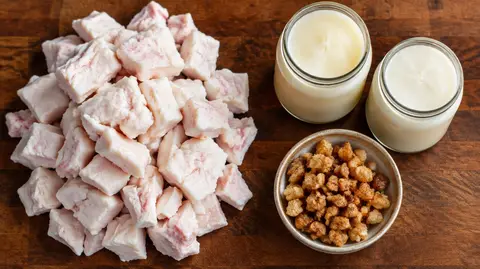
Beef tallow is solid below roughly 100°F to 115°F. A block of solid fat packed around a heating element cannot circulate, so the fat touching the element can overheat and smoke, and some elements can be damaged before the rest has melted. Many fryer manuals warn against melting solid fat in the fryer for this reason, particularly on models with an immersion element (a heating coil that sits in the oil) or with an oil-drain system.
The safe routine for any electric fryer: melt the tallow in a saucepan over low heat, let it cool a little, and pour the liquid into the fryer up to the fill line. Check your model’s manual before you do anything else. Some fryers with the heating element built into the base of the pan, like the FryDaddy, give instructions for solid shortening; others say to use liquid oil only.
Capacity in pounds of fat
Fryer capacity is listed in cups, quarts or liters, but tallow is sold by the pound. The table above does the conversion. A 3.5 to 4-quart fryer takes roughly 7 to 7.5 pounds of tallow, which is more than one 4-lb tub. If you choose a mid-size or larger fryer, a bulk tub such as the Cornhusker Kitchen 7.5 lb is a better fit than buying several small jars. Our best beef tallow for deep frying guide compares bulk options.
Temperature accuracy and recovery
Tallow fries and fried chicken both depend on hitting target temperatures: about 325°F to blanch fries and 350°F to 375°F for most finishing and frying. An adjustable thermostat is the minimum. Recovery matters too; when cold food drops the fat temperature, a higher-wattage element brings it back faster, and fast recovery is what keeps food crisp rather than greasy.
Tallow’s smoke point is usually cited around 400°F to 420°F, above the top setting on most home fryers. The beef tallow smoke point guide explains why used or poorly strained tallow smokes at lower temperatures.
Filtration and storage
Tallow is worth reusing, so a fryer that makes straining and storing easy saves money. Built-in filtration drains the fat through a filter into a sealed box. Without it, you strain by hand through a fine-mesh strainer and cheesecloth.
Cleaning
A removable pot or dishwasher-safe parts make cleanup simpler. Wipe the lid filter and pot rim regularly; old fat residue there goes rancid and can taint the next batch.
The Picks
1. Presto 05420 FryDaddy: best budget fryer for small batches
The FryDaddy is a small, simple electric fryer. Presto says it makes four servings of french fries with four cups of oil and maintains frying temperature automatically. That small capacity is its main advantage with tallow: one quart of fat, or about 1.9 pounds, fills it, so a single 4-lb tub covers a fill and a top-up.
The trade-off is control. The FryDaddy has a fixed thermostat rather than an adjustable dial, so you cannot set a separate 325°F blanching temperature for double-fried fries. It suits single-fry foods like frozen fries, chicken tenders, fish, and onion rings. Its heating element is in the base rather than immersed, which is the design type most likely to tolerate solid fat, but follow Presto’s instructions for solid shortening.
Tallow needed: about 1.9 lb.
2. T-fal 3.5L Deep Fryer with Oil Filtration: best for reusing tallow
T-fal’s fryer has a 3.5-liter oil capacity, a 1,700-watt heater, and an adjustable range of 300°F to 375°F. Its main feature is the filtration system: after frying, it drains the fat through a filter into a sealed container for storage. For tallow, that container doubles as a storage tub you can put in the fridge between sessions.
One caution is specific to tallow. The drain path only works while the fat is liquid. If the fat cools past its setting point before it finishes draining, it can clog the path. Read T-fal’s manual on solid fats and drain timing before the first use, and pour pre-melted tallow into the fryer rather than melting a block in it.
Tallow needed: about 7 lb.
3. Cuisinart CDF-200P1 4-Quart: best temperature recovery
The Cuisinart has a 4-quart capacity and an 1,800-watt immersion-style heating element, which Cuisinart promotes for fast heat-up and recovery. Quick recovery is useful for double-fried fries and bone-in chicken, where each batch cools the fat significantly.
Because the element sits in the fat, always pre-melt the tallow on the stove and pour it in. When it sets between sessions, lift it out and remelt it rather than switching the element on inside a solid block.
Tallow needed: about 7.5 lb.
4. Hamilton Beach 35034 4.5-Liter: best for bigger batches
Hamilton Beach lists this professional-style fryer at 4.7 quarts (19 cups) of oil capacity and says it fries up to 12 cups of food at a time. For a household that fries for four or more people, larger capacity means fewer batches and less temperature drop per batch.
It also needs the most tallow of the electric picks, around 9 pounds for a full fill, so bulk tallow and careful straining matter most here.
Tallow needed: about 9 lb.
5. Lodge 6-Quart Dutch Oven + ThermoPro TP509: best without a dedicated appliance
Lodge Dutch oven · ThermoPro TP509 clip thermometer
A heavy enameled cast iron Dutch oven holds heat well, handles solid tallow with no special steps (it simply melts in the pot), and goes on to braise, bake and render when you are not frying. The trade-off is that you control the temperature yourself, so a clip-on thermometer is required. A digital clip model stays in the fat and shows the drop and recovery around each batch.
Never fill a pot more than halfway with fat; food and bubbling raise the level quickly. In a 6-quart pot, 2 to 3 quarts of melted tallow gives roughly 1.5 to 2 inches of depth depending on the pot’s width, enough for fries and chicken pieces in small batches. Add a spider strainer for lifting food out.
A pre-seasoned Lodge 5-quart is a lower-cost alternative that needs more care against rust.
Tallow needed: 3.75 to 5.5 lb.
How Much Beef Tallow to Deep Fry
Fill to the manufacturer’s minimum-to-maximum line on an electric fryer, and to no more than half the pot’s height on the stove. As a rule of thumb:
| Setup | Melted tallow | Weight |
|---|---|---|
| 4-cup fryer | 1 quart | About 1.9 lb |
| 3.5 to 4-quart fryer | 3.7 to 4 quarts | About 7 to 7.5 lb |
| 4.5-liter fryer | About 4.75 quarts | About 9 lb |
| 6-quart Dutch oven | 2 to 3 quarts | 3.75 to 5.5 lb |
Expect to top up 5 to 10 percent of the fat every session or two, since food absorbs some and a little is lost in straining.
How to Strain and Reuse Tallow from a Fryer
- Cool to warm. Let the fat cool until it is warm but still fully liquid. Straining very hot fat risks burns; letting it set means starting over on the stove.
- Strain. Pour it through a fine-mesh strainer lined with grade 90 cheesecloth. For clearer fat, strain a second time through a #4 paper coffee filter. Fryers with built-in filtration handle this step for you, but still skim out large crumbs first.
- Store. Cover the fat and refrigerate it. Fat stored in the fryer at room temperature, with the lid on and away from light, keeps for a shorter time. Strained tallow in wide-mouth quart jars stacks neatly in the fridge.
- Keep separate batches if you can. Fat used for fish or breaded foods picks up flavor, so many cooks keep one batch just for potatoes.
How long does beef tallow last in a fryer?
There is no fixed number of uses. Heat, food type, and straining all change it. Tallow used for plain potatoes and strained after every session commonly lasts 5 to 8 sessions; fat used for breaded chicken or fish breaks down sooner. Discard it when you see any of these:
- It has darkened noticeably and stays dark after straining.
- It foams persistently when food goes in.
- It smokes at normal frying temperatures (350°F to 375°F).
- It smells sharp, fishy, or rancid.
- It feels thick or gummy when warm.
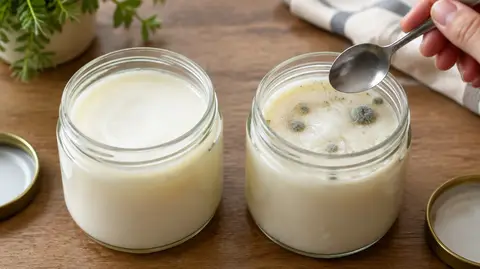
The how to reuse beef tallow after frying guide covers these signs in more depth, and does beef tallow go bad covers storage spoilage.
Frequently Asked Questions
Can you put beef tallow in a deep fryer?
Yes. Melt it first on the stove and pour it in, unless your fryer’s manual specifically allows solid fat. Once it reaches frying temperature it behaves like any other frying fat.
Can I mix tallow with vegetable oil in a fryer?
You can, and it lowers the cost per fill. Blends reduce tallow’s flavor and heat stability in proportion to how much oil you add. McDonald’s pre-1990 frying fat was a tallow and cottonseed oil blend; see McDonald’s beef tallow fries for that history.
What temperature should I fry in tallow?
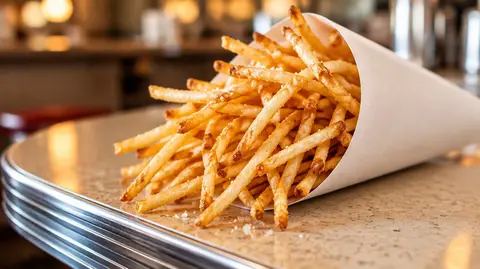
325°F for the first fry of double-fried fries, 350°F to 375°F for most other foods and for finishing. The tallow french fries guide walks through the full double-fry method.
Will tallow solidify inside my fryer?
Yes, once it cools. That is normal. Lift it out and remelt it on the stove before the next session, or follow your manual’s guidance for restarting with solid fat.
Bottom Line
For most people frying in tallow a few times a month, a 3.5 to 4-quart fryer with an adjustable thermostat is the right size: the Cuisinart CDF-200P1 for fast recovery or the T-fal 3.5L for easy filtration. Choose the Presto FryDaddy if you fry small batches and want to buy less tallow, the Hamilton Beach 35034 for bigger households, or a Lodge Dutch oven with a clip thermometer if you would rather skip the appliance. Whatever you choose, melt the tallow before it goes in, strain it after every session, and size your tallow purchase to the fryer.
For what to cook once it is set up, see our pages on deep frying with tallow, french fries in tallow and fried chicken in tallow.
Explore more tallow guides
Browse our collection of recipes, comparisons, reviews and DIY tutorials.
View all guidesKing Tallow is reader-supported. We research and test the products we recommend, and when you buy through links on this page we may earn a commission at no extra cost to you. See our affiliate disclosure.
Published