How to Reuse Beef Tallow After Frying: Filtering and Storage Guide
Reader-supportedHow to filter, store, and reuse beef tallow after frying. Cheesecloth + coffee filter method, when to toss it, and how to get 5-8 clean batches from one jar.

This post contains affiliate links. We may earn a commission if you purchase through these links, at no extra cost to you.
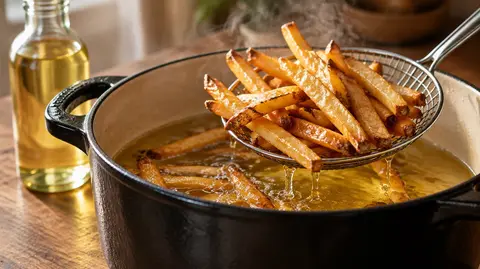
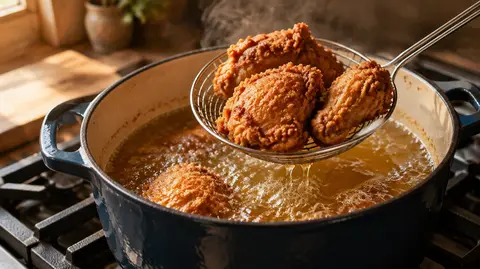
I fry in tallow every other weekend. French fries one week, chicken wings the next, occasionally a batch of beer-battered fish. A single half-gallon of tallow lasts me about two months because I filter and reuse it after every batch. If I tossed it after one fry, the math would be brutal.
This is the method I use. It is not complicated, it does not need special equipment, and once you do it twice it adds about ten minutes to your cleanup. The payoff is five to eight clean reuses from a single batch of tallow, plus a flavor base that gets richer every time you fry potatoes in it.
I will walk you through the filtering, the storage, the realistic reuse count, the signs that tell you when to throw it out, and the small habits that double the working life of your fry fat.
Why Tallow Holds Up to Reuse
Most cooking fats break down fast when you fry in them. Vegetable oils oxidize. Olive oil polymerizes and gets gummy. Even peanut oil, which is a respected fry fat, hits its useful end around four batches in a home setup.
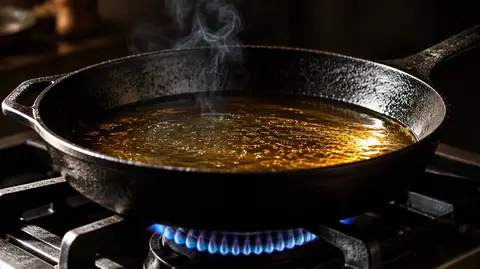
Tallow is different for two reasons. It is mostly saturated, around 50% to 55% saturated fatty acids, which means the molecular bonds are stable and resist oxidation. And its smoke point sits around 400F to 420F, which is comfortably above the 350F to 375F target for most fry work, so you are never running it at its limit.
The result is a fat that comes off the stove cleaner than it went on, especially for the first three or four reuses. Every fry leaves a tiny amount of meat or starch behind in the oil, but the fat itself is still mostly intact. Filtering removes the debris. Storage protects the rest.
The tallow vs vegetable oil comparison covers the oxidation math in more detail. The frying temperatures piece is the one I recommend for getting the heat right on the first batch.
What You Need
The setup is minimal.
- A fine-mesh strainer that fits over your storage container
- Two or three layers of cheesecloth, or a clean cotton dishtowel you do not mind staining
- A standard paper coffee filter
- A wide-mouth glass or stainless storage container with a tight lid
- A funnel if your jar mouth is narrow
- A sharpie for dating the jar
I store my fry tallow in the original Traverse Bay Farms 32 oz jar that the tallow came in, because the wide mouth makes pouring easy and the food-grade plastic is fine for shelf-temperature storage. If you started with the 4 lb tub, that container works too. Glass mason jars are great if you want to see the color through the side.
The Filtering Method
Do this while the tallow is still warm but not hot. Around 150F is the sweet spot. The fat is fully liquid and pours fast, but it is not so hot that it warps plastic or scares you to handle.
Step 1: Let the fryer cool
After you finish frying, turn off the heat and let the tallow sit untouched for at least 30 minutes. The bigger debris will sink. The fat will drop from 350F to around 200F. You can do this longer if you want to walk away, but do not let it cool fully to room temperature or you will be re-melting before you can pour.
Step 2: Skim the surface
Use a slotted spoon or a fine strainer to skim any floating debris off the top. There usually is not much for the first few batches, but starch from fries and breading from chicken can leave a brown foam.
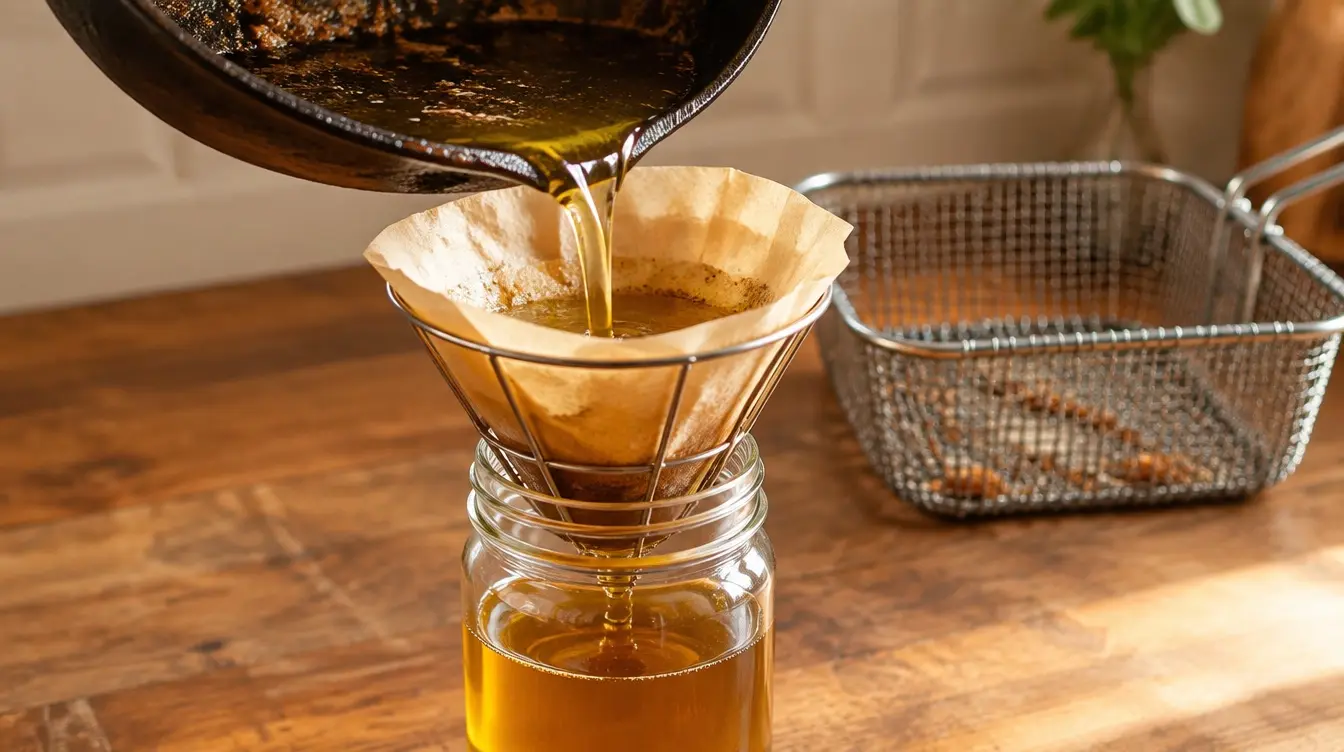
Step 3: Set up the double filter
Line your fine-mesh strainer with two layers of cheesecloth. On top of the cheesecloth, lay a paper coffee filter. The coffee filter catches the smallest particles that pass through cheesecloth. Together they trap nearly everything.
Set this over your storage container with the funnel if needed.
Step 4: Pour in stages
Pour the tallow through the filter setup in small amounts, maybe a cup at a time. Let it drain through before adding more. Resist the urge to dump the whole pot at once. The coffee filter slows the flow on purpose. If you overload it, the fat just runs around the edges and the small debris goes through.
Toward the bottom of your fry pot you will see a layer of dark sediment. That is the part you do not want. Stop pouring before that hits the strainer. The sediment goes in the trash with the used coffee filter.
Step 5: Cool and seal
Leave the container uncovered until the tallow has cooled to room temperature and resolidified. A warm seal traps condensation, and condensation is the enemy. Once the surface is fully white and firm, cap the jar tight and date it with the sharpie.
How to Store Filtered Tallow
The two enemies of stored fat are heat and oxygen. Light is a minor third.
A dark, cool pantry shelf is fine for two to four weeks of storage between fries. Past that, move it to the refrigerator. Refrigerated, filtered tallow keeps for three to six months easily, and frozen it lasts a year or more.
Do not leave a partially used jar on the counter next to the stove. That spot gets warm every time you cook, and the temperature swings shorten the life of the fat.
If you are someone who fries every week or two, pantry storage works. If you fry monthly, fridge storage is the safer default.
For a deeper breakdown of storage temperatures and times across raw and used tallow, the shelf life and storage guide is the full reference.
How Many Times Can You Reuse Tallow?
This is the question I get asked the most. The honest answer is five to eight reuses for clean, low-residue batches like fries or hash browns. Two to four reuses if you are frying coated or battered foods like fried chicken, where breading sheds into the fat. One or two reuses if you fried fish, because fish flavor and a slight ammonia note carry into the next batch no matter how well you filter.
A useful rule. Group your fries by intensity.
Low intensity: french fries, potato cakes, hash browns, doughnuts, plain vegetables. These leave almost nothing in the fat.
Medium intensity: chicken wings without coating, breaded onion rings, tempura.
High intensity: breaded fried chicken, fried fish, anything dredged in flour and egg.
You can run a single batch of tallow through low intensity work for six or seven sessions before the color and flavor degrade. Medium intensity cuts that in half. High intensity cuts it again.
If you are frying fish, dedicate a separate jar. Mark it. Use it only for fish. The flavor transfer is not subtle, and frying potatoes in fish-flavored tallow is a one-way trip you cannot reverse.
Signs Your Tallow Needs to Go
There are five things to look for. If you see any of them, do not reuse the tallow.
Dark color
Fresh tallow is creamy white when solid and golden when melted. After a few fries it will deepen to a pale tan, which is normal. When it gets to the color of weak coffee, the fat has oxidized too far. Time to start fresh.
Foam that does not break
A small ring of foam at the surface during frying is normal. Persistent foam across the entire pot, the kind that does not break when you give the oil a stir, means the fat has degraded. The free fatty acid content has risen and the surface tension has changed.
Smoke at lower temperatures
Fresh tallow should not smoke until it crosses 400F. If you are seeing visible smoke at 350F or 360F, the smoke point has dropped, which is the most direct sign of breakdown.
Off smell
Stored properly, used tallow should smell faintly like roast beef or warm potato. If you open the jar and get a sour, paint-like, or strongly fishy smell, that is rancidity. Throw it out. Cooking with rancid fat is unpleasant and produces oxidized compounds you do not want in your food. The bad smell troubleshooting piece covers the diagnostic in more detail.
Bitter or burnt flavor in the food
If the fries from your latest batch taste bitter or carry a flavor you do not recognize, the tallow has gone past its useful point. Even if it looks and smells fine.
Habits That Extend the Life of Your Fry Tallow
Keep the temperature steady. Wide swings above and below your target temperature stress the fat more than holding a steady 360F for the same total time. A clip-on candy thermometer helps. A dedicated fry thermometer helps more.
Salt food after frying, never before. Salt accelerates oxidation in fat. The same applies to spice rubs heavy in salt. Coat fries with salt in the bowl after they drain.
Drain food well between batches. Wet food drops more debris into the fat. Use a wire rack over a sheet pan for the first 60 seconds after pulling.
Do not crowd the fryer. Crowded food drops the oil temperature, which means the food sits in cooler fat longer and absorbs more. The fat stays at the lower temperature longer, which means more time spent below the cleanest fry window.
Filter every time. Even if you are frying again in three days. The longer debris sits in the fat, the more flavor and breakdown it contributes.
For the actual french fry recipe I use this tallow for, the McDonald’s-style fries recipe is the one that taught me how to fry properly in the first place. The tallow french fries at home post has the home-kitchen version.
Frequently Asked Questions
Can I mix old tallow with fresh tallow?
You can, and many home fryers do. Topping up a working jar with fresh tallow extends its useful life because the fresh fat dilutes the degradation in the used portion. Do not mix tallow from different sources or different ages if the smell or color is already drifting. You are just dragging the new fat down.
How long does filtered tallow last in the fridge?
Three to six months in a sealed jar at refrigerator temperature. Frozen, it lasts a year or more. Frozen tallow is fine for frying after a slow defrost on the counter or in the fridge overnight. Do not microwave frozen tallow in the storage jar.
Should I refrigerate or store at room temperature?
Room temperature works if you will use the tallow within two to four weeks. Past that window, refrigerate. The difference in shelf life is large.
What about cross-flavor between meat and vegetables?
Tallow used for fries develops a deepened potato flavor that is, honestly, an upgrade. Tallow used for chicken picks up a poultry note. Tallow used for fish carries fish flavor into anything you cook next. The first two are features. The third is the reason to keep a fish jar separate.
Can I cook other things in used fry tallow?
Yes. Once you filter it, used fry tallow is excellent for roasting vegetables, sauteeing greens, or basting a steak. The carried flavor is mild and usually flattering. Treat it the same way you would treat bacon grease.
Is reused tallow less healthy than fresh?
The longer fat is heated and reheated, the more oxidized compounds form. This is true for every cooking fat. Tallow oxidizes more slowly than vegetable oils because it is more saturated, but it still oxidizes. The five-to-eight reuse window I recommend keeps oxidation within a reasonable range. Going past that point trades a few dollars in fat savings for a meaningful drop in fat quality.
Bottom Line
Filter your fry tallow through cheesecloth and a coffee filter while it is still warm but not hot, store it in a sealed wide-mouth jar in a cool dark spot, and you will get five to eight reuses from a single batch on low-intensity foods like fries. Watch the color, smell, and smoke point for the signs that it is done.
If you fry at home regularly, the 4 lb grass-fed jar is the most economical buy for a household that wants to keep a dedicated fry batch going year-round. The 32 oz jar is the right size if you fry monthly and want to refresh more often.
Explore more tallow guides
Browse our collection of recipes, comparisons, reviews and DIY tutorials.
View all guidesKing Tallow is reader-supported. We research and test the products we recommend, and when you buy through links on this page we may earn a commission at no extra cost to you. See our affiliate disclosure.
Published