
A5 Wagyu Beef Tallow: What It Is, Where to Buy It, and Is It Worth It?
Reader-supportedA5 wagyu beef tallow explained: what the A5 grade means, why A5 fat is rare, where to buy it, how it compares with American wagyu tallow, and when to buy it.

This post contains affiliate links. We may earn a commission if you purchase through these links, at no extra cost to you.
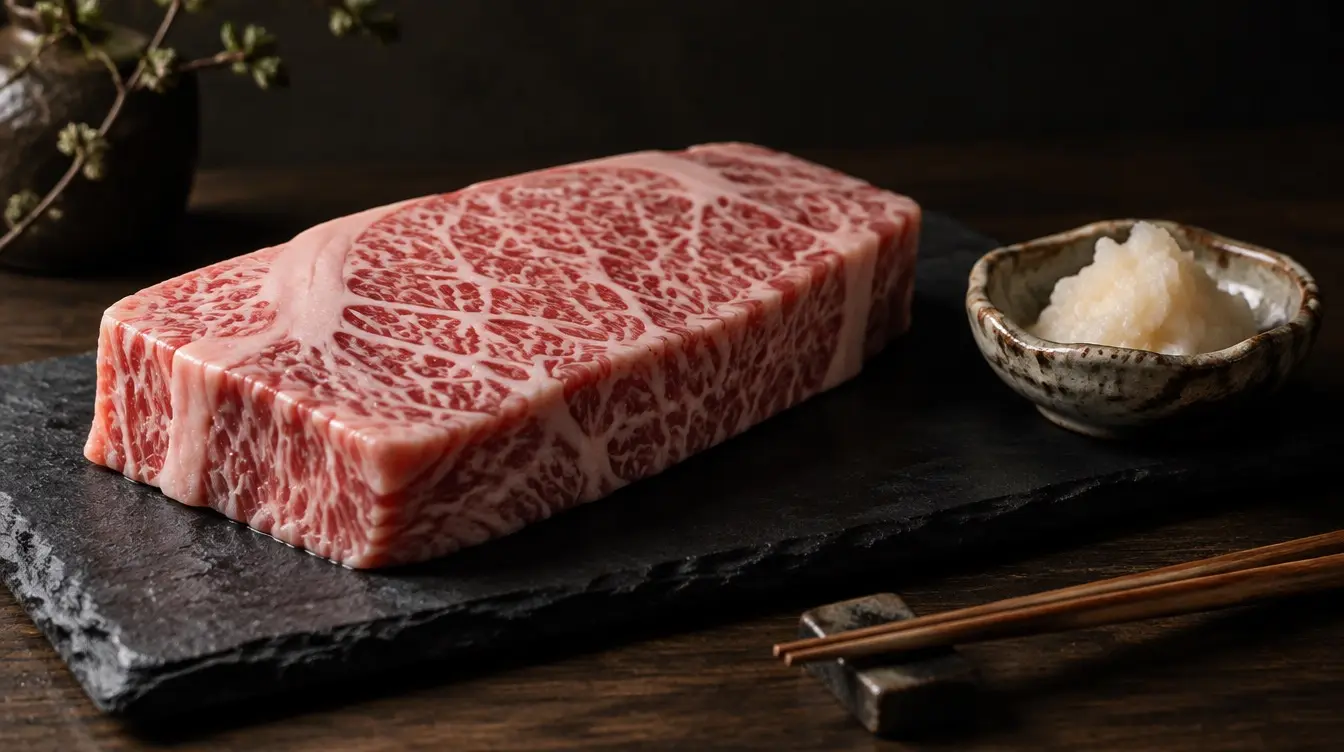
A5 wagyu beef tallow is fat rendered from Japanese wagyu cattle graded A5, the top grade in Japan’s beef grading system. It is softer, more buttery, and far more expensive than regular tallow. The easiest A5 tallow to buy in the US is Fatworks 100% Pure A5 Japanese Wagyu Tallow; Costco has also listed an “Authentic Wagyu” Japanese A5 wagyu tallow in two-jar packs on its website. It is worth buying as a finishing fat for steak and a few special dishes, not as an everyday cooking fat.
The first time I saw A5 wagyu tallow at a butcher shop in Houston, the price made me walk away. The second time, six months later, I was cooking a steak for my anniversary and decided to find out what the fuss was about. I bought it, finished a grocery-store ribeye in it, and understood why people pay for it. It is real and different from standard tallow, but there are clear situations where it is not worth the money.
A5 Tallow vs Other Wagyu Tallow
| A5 Japanese wagyu tallow | American wagyu tallow | Regular beef tallow | |
|---|---|---|---|
| Example | Fatworks A5 Japanese Wagyu | South Chicago Packing, Fatworks American Wagyu, Bear & Burton’s | Fatworks Grass-Fed |
| Cattle | Full-blood Japanese wagyu graded A5 | Wagyu and wagyu-cross cattle raised in the US | Conventional or grass-fed beef |
| Texture | Very soft, softens at room temperature | Soft, spoonable | Firm |
| Flavor | Buttery, sweet, low beefiness | Rich, buttery-beefy | Mild beef |
| Price tier | $$$ | $$ | $ |
| Best use | Finishing and basting | Searing, fries, everyday wagyu flavor | Everything, including deep frying |
Check current price on each listing.
What A5 Actually Means
A5 is a Japanese beef grade from the Japan Meat Grading Association. The letter (A, B, or C) measures yield, meaning how much usable meat the carcass gives; A is the highest. The number (1 to 5) measures meat quality: marbling, meat color, firmness and texture, and fat color and quality. A5 is the top of both scales.
Marbling is scored on the Beef Marbling Standard (BMS), which runs from 1 to 12. A5 requires BMS 8 or higher. That dense marbling is what people picture when they think of wagyu, and it is what makes wagyu fat behave differently from standard beef fat. For the broader picture of wagyu tallow, see our best wagyu beef tallow guide.
Why A5 Tallow Is Rare
A5 beef in the US goes mostly to restaurants and specialty butchers and is sold as steaks at very high prices. The trim fat that tallow comes from is a byproduct, and to make A5 tallow, someone has to collect trim from A5 carcasses and render it separately from lower-grade fat. Most processors have not bothered, because the labor is high and demand was low until recently.
A5 tallow reaches consumers through a few channels:
- Established fat brands such as Fatworks, which sells a 14 oz A5 Japanese Wagyu Tallow.
- Warehouse clubs. Costco’s website has listed an A5 wagyu tallow from “Authentic Wagyu” in a two-jar pack.
- High-end butchers that keep A5 trim separate.
- Small online sellers sourcing through restaurant supply chains or importers. Quality and authenticity vary most here.
What It Costs
A5 wagyu tallow sits in the top price tier ($$$). Per ounce, expect several times the price of standard grass-fed tallow and roughly double to triple most American wagyu tallow. Check current prices, since they move with supply. The economics only work if you use it by the spoonful.
What You Get for the Price
Japanese Black wagyu fat is known for high oleic acid content. Research on Japanese Black cattle has reported monounsaturated fat making up well over half of the fat, compared with roughly 40-47% in conventional beef tallow. In the jar and the pan, that shows up as:
- A lower melting point. A jar softens at warm room temperature.
- A butter-like aroma when cold.
- A sweet, creamy note when heated. Japanese researchers have attributed part of the distinctive “wagyu aroma” to lactone compounds released when the fat is heated.
- A silky mouthfeel rather than the waxier feel of standard tallow.
That last quality is the one you cannot get another way. Standard tallow basted over a steak adds flavor. A5 tallow adds flavor and a richness that makes a midrange cut taste like a more expensive one.
When A5 Tallow Is Worth It
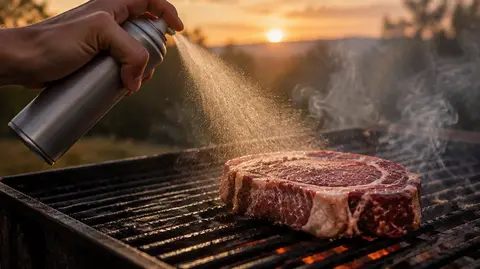
Finishing a midrange steak. This is the best use. Cook a grocery-store ribeye or strip in a hot cast iron pan, then spoon a tablespoon of A5 tallow over it and baste for the last 90 seconds. The cost is a tablespoon of fat, and the result tastes like a much pricier steak. Our tallow steak recipe covers the method.
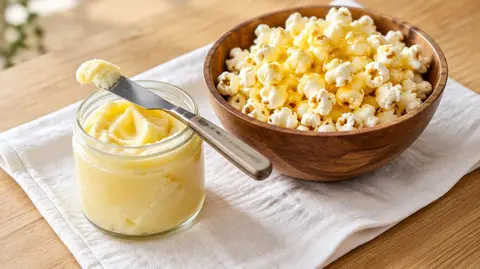
Popcorn. A few tablespoons of A5 tallow with half a cup of kernels, salt only.
Mushrooms. Wild mushrooms sautéed in A5 tallow with thyme make a steakhouse-style side.
A gift for a serious home cook. A small jar is more memorable than another bottle of olive oil.
When to Skip It
Daily cooking. The flavor difference disappears in dishes with several ingredients. Use standard tallow; see best beef tallow for cooking.
Deep frying. A fryer needs pounds of fat. Use a bulk tallow from our beef tallow for frying guide.
Skincare. A5 tallow is softer and more prone to rancidity than standard tallow, and it is not deodorized. If you want tallow for skin, a purpose-made balm like Amallow Unscented is easier to use.
Stir-fries and sautéed vegetables. You will not taste the difference.
Baking. The low melting point works against flaky pastry, and the price is hard to justify.
An A5 steak. If the steak is already A5, its own fat does the job. Save the tallow for upgrading cheaper cuts.
American Wagyu Tallow as the Middle Ground
For most home cooks, American wagyu tallow delivers much of the A5 experience at a fraction of the price. South Chicago Packing Wagyu Beef Tallow is the most widely available and comes in a 42 oz tub. Fatworks American Wagyu comes in a glass jar, and Bear & Burton’s Wagyu Beef Tallow is a small-batch option made with an American wagyu ranch.
If you have never used wagyu tallow, start with the American tier. If you have used it, loved it, and want to taste the next step, A5 is the upgrade. Reviews: South Chicago Packing and Bear & Burton’s.
How to Make a Small Jar Last
- Store it in the fridge. Its higher unsaturated fat content makes it less stable than standard tallow.
- Use it as a finishing fat, not a primary cooking fat.
- Use a clean, dry spoon every time; water and food bits speed spoilage.
- Plan it for a couple of special meals a week, and a 14 oz jar should last well over a month.
- Pair it with high-flavor dishes such as steak, popcorn, mushrooms, and roasted root vegetables.
See how to store rendered tallow for more.
Frequently Asked Questions
What is the difference between A5 and Kobe?
Kobe is a certified brand of wagyu from Hyogo Prefecture, Japan. It must come from Tajima-strain Japanese Black cattle raised in Hyogo and meet specific quality grades, typically grade 4 or 5 with high marbling. All Kobe beef is wagyu, but not all wagyu is Kobe. Very little Kobe is exported, so “Kobe tallow” labels deserve skepticism unless the seller documents certification.
Is A5 tallow healthier than regular tallow?
It is more monounsaturated and less saturated than regular tallow, which some consider a small advantage. At a tablespoon a few times a week, the practical health difference is negligible. Buy it for flavor.
How do I know A5 tallow is real?
Ask where it came from. Legitimate sellers can name the processor and the cattle source. Australian wagyu is sometimes marketed as “A5,” which is misleading: Australia grades beef with its own marble scores, not the Japanese A5 system. True A5 is Japanese.
Can I render my own A5 tallow?
Yes, if you can buy A5 trim fat from a butcher, which is hard outside major cities. The technique is the same as any tallow; see our rendering safety guide and rendering equipment guide.
What does A5 tallow taste like?
Sweet, creamy, and buttery, with brown-butter notes when heated and very little beefy or gamy character. It is closer to high-end butter than to typical beef fat.
Is it safe to buy online?
Yes. Sealed rendered tallow ships well without refrigeration. The bigger risk is authenticity, so buy from sellers who state the grade and source.
Bottom Line
A5 wagyu beef tallow is real, rare, and a genuine upgrade in a few narrow uses: finishing steak, popcorn, and a special side dish. If you want to try it, Fatworks A5 Japanese Wagyu Tallow is the straightforward buy. For everyday wagyu flavor, South Chicago Packing Wagyu costs far less, and for daily cooking and frying, regular tallow is the right choice. Buy one small jar, use it for a few memorable meals, and make it last.
Explore more tallow guides
Browse our collection of recipes, comparisons, reviews and DIY tutorials.
View all guidesKing Tallow is reader-supported. We research and test the products we recommend, and when you buy through links on this page we may earn a commission at no extra cost to you. See our affiliate disclosure.
Published · Last updated