


Beef Tallow vs Coconut Oil for Skin: Which Is Better?
Independent reviewHonest skin comparison of beef tallow vs coconut oil. Comedogenic ratings, lipid biomimicry, eczema results, when each one wins, and what I keep on my shelf.

This post contains affiliate links. We may earn a commission if you purchase through these links, at no extra cost to you.
I used coconut oil on my face for almost two years before I finally admitted it was the cause of the blackheads along my jawline. I went looking for what to use instead, and that is the story of how I ended up on the tallow rabbit hole. Coconut oil is a good product. It is just not a good product for every job, and faces are one of the jobs it loses on.
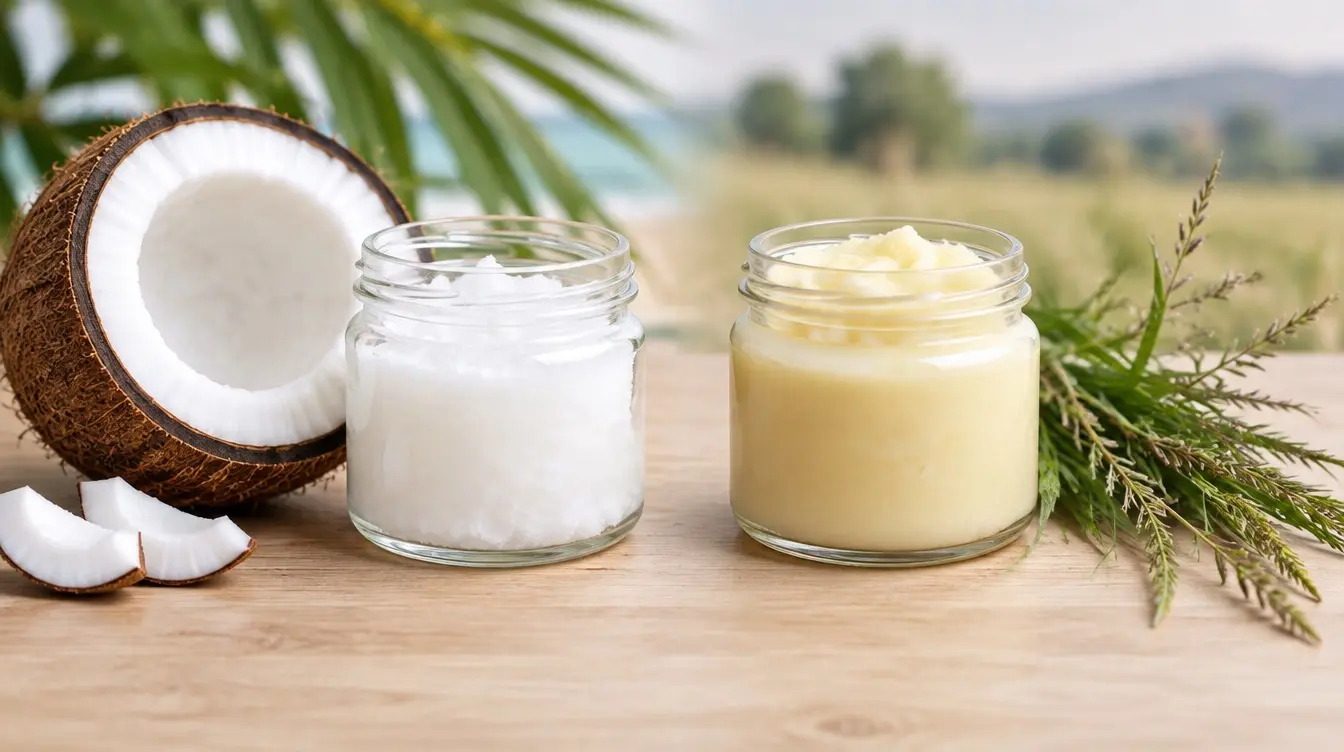
This is the comparison I wish someone had handed me back then. I will go through how the two fats actually behave on skin, the comedogenic numbers people throw around without context, where coconut oil still wins, and where tallow takes the prize.
The Comedogenic Rating Side By Side
Comedogenic rating is a 0-to-5 scale that estimates how likely a substance is to clog pores. Zero means the ingredient does not clog pores at all. Five means it almost certainly will. The scale was originally developed using rabbit ear studies in the 1970s, which means it is imperfect, but it is still the most-cited reference dermatology students learn.
Beef tallow comes in at a 2 out of 5. That puts it in the same range as shea butter and grapeseed oil. It is low enough that most people, including some acne-prone people, tolerate it on the face without breakouts.
Coconut oil comes in at a 4 out of 5. That is high. It is in the same range as cocoa butter and wheat germ oil. For body skin where you do not have many pores or where the pores are large enough not to clog easily, that 4 is irrelevant. For your face, where the pores are smaller and there are more of them, that 4 is the reason a lot of people break out in the second or third week of trying coconut oil.
I broke down the full pore-clogging analysis in the beef tallow comedogenic rating breakdown, but the short of it is that the comedogenic rating gap between these two is real and explains most of the difference in skin outcomes.
Lipid Biomimicry: The Part Nobody Explains Well
Here is the science I had to dig for. Your skin produces an oil called sebum. Sebum is what keeps your skin barrier intact and your moisture in. The fatty acid profile of sebum is roughly 25% palmitic acid, 25% oleic acid, with some palmitoleic, stearic, and a long tail of other fats.
Beef tallow is about 47% monounsaturated fat (mostly oleic), about 42% saturated (mostly palmitic and stearic), and a small amount of polyunsaturated. Human sebum is also rich in oleic and palmitic acid (see Pappas 2009, PMC2835893, a review of skin surface lipids), which is why tallow is often described as “skin-like”. That overlap is real, but no published study has tested tallow itself on the skin barrier, so treat the resemblance as a plausible reason it feels compatible and not as proof.
Coconut oil is roughly 50% lauric acid, which sebum contains almost none of. Coconut oil also has very high medium-chain triglyceride content. Those medium-chain fats are great for absorbing through the gut, which is why coconut oil works well as a food. They are not particularly close to what your skin produces. Your skin treats coconut oil like a foreign substance that needs to be either absorbed slowly or sit on the surface and occlude.
That is not bad. Occlusion is useful. It is just a different mechanism than skin barrier repair, and for people whose skin barrier is already in trouble (eczema, dry patches, post-shave irritation) it does not solve the underlying problem.
When Coconut Oil Wins
I do not want to bury coconut oil. There are jobs where it is the better tool.
Hair. Coconut oil penetrates the hair shaft better than most other fats. There is real research on this (Rele and Mohile, 2003) showing that the lauric acid in coconut oil is one of the few oils that actually gets inside the hair cuticle rather than just coating the outside. If you are doing a pre-wash hair mask, coconut oil is the right choice. Tallow will sit on top of the hair and weigh it down.
Oil pulling. The antimicrobial properties of lauric acid make coconut oil the traditional choice for oil pulling. I do not do this myself, but if you are into it, coconut oil is what you want. Tallow is not.
Cooking with high coconut flavor. If a recipe calls for coconut flavor (Thai curry, certain baked goods), coconut oil obviously wins on flavor. Tallow is neutral or beefy depending on quality.
Wood cutting boards. Coconut oil resists rancidity better at room temperature than tallow does. For a wood butter on a board you store at room temp, food-grade mineral oil is technically better than either, but if you only have these two, coconut wins.
Tropical climates. In a Phoenix summer, tallow turns into pure liquid in the jar. Coconut oil also melts but does so a little more cleanly. This is a minor point but it matters if you live somewhere hot.
When Tallow Wins
Now the side I went looking for in the first place.
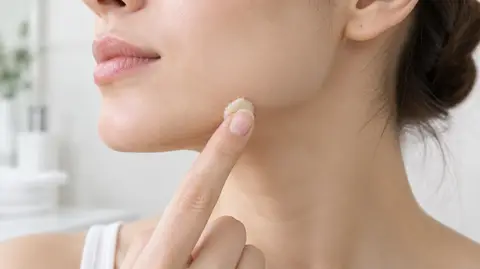
Face. For all the comedogenic reasons above. If you want to switch your face routine to a single-ingredient fat, tallow is the safer bet. My deep dive on beef tallow for face covers application protocol. The product I reach for most days is Amallow Unscented Whipped Tallow Balm because the whipped texture lets me apply a thin enough layer that nothing pools.
Body, especially dry winter body. Tallow’s saturated fat content makes it a heavier moisturizer than coconut oil. For someone whose calves and shins go dry and itchy in January, tallow under a long-sleeve pajama is the right move. Vanman’s Tallow Balm is the heavy formula I keep in the bathroom for that purpose.
Eczema and barrier disorders. This is the one with the strongest case. Eczema is a barrier disease. The skin is leaking water because the lipid bilayer is malformed. You want to replace it with something the skin recognizes. Tallow’s fatty acid match to sebum makes it close to ideal. Coconut oil’s lauric acid is not what the broken barrier is asking for. The full breakdown is in beef tallow for eczema.
Newborn and baby skin. Baby skin is thin, sensitive, and easily irritated. Coconut oil works for some babies and triggers eczema in others (the same lauric acid issue). A minimal-ingredient tallow like Santa Cruz Paleo Beef Tallow Moisturizer (three ingredients) is what I would reach for first.
Stretch marks. During my wife’s pregnancy we tried both. Tallow stuck better, absorbed deeper, and was easier to apply to a large area without feeling greasy or fragrant. The protocol I followed is in tallow for stretch marks.
Diaper rash. Coconut oil works for mild diaper rash. For the angry, broken-skin kind, tallow is the better call. The tallow for diaper rash post has the full reasoning.
Razor burn and post-shave. Tallow’s biomimicry shines here because freshly shaved skin has lost its top layer of sebum and is essentially asking to be re-coated.
Side By Side: What I Felt
I did a 14-day half-face test on myself. Coconut oil on the left side, tallow on the right. Same amount, same timing, same cleanser.
Day 1-3: Both felt fine. Skin felt soft both sides. Coconut had a slightly tackier finish.
Day 4-7: Started seeing tiny bumps along the left jawline. Right side still clear.
Day 8-10: Three actual whiteheads on the left jawline. Right side normal. Both sides felt moisturized.
Day 11-14: Quit the coconut side, kept the tallow. Bumps cleared in five days.
That is anecdote, not science. I have heard from readers who tolerate coconut oil on their face just fine. But for me, and for most people I have talked to with combination or oily skin, that result repeats.
The Cost and Shelf Life Story
Coconut oil is cheaper. A 30 oz jar of organic virgin coconut oil runs around $15. A comparable jar of grass-fed tallow runs $25 to $35. If budget is the deciding factor and you are using it for body skin only, coconut oil costs less per ounce.
Shelf life is closer than people think. Rendered, sealed tallow keeps for 12 to 18 months at cool room temperature and years frozen. Coconut oil keeps about 2 years at room temperature. Both are stable fats. The detailed numbers are in my beef tallow shelf life guide.
For a DIY base for skincare projects, I keep two products on hand. 100% Pure Grass-Fed Beef Tallow (4 lbs) is my workhorse jar that doubles as cooking fat. Traverse Bay Farms Beef Tallow (32 oz) is the budget option I recommend to anyone who only plans to use it on skin.
Frequently Asked Questions
Can I mix coconut oil and tallow?
Yes. A 50/50 blend gives you a softer, more spreadable consistency than pure tallow with most of tallow’s biomimicry benefits. I used this combo in early DIY body butters. The texture is great. The downside is you reintroduce the coconut-oil pore-clogging risk for facial use, so I would not recommend it for the face.
Is coconut oil really bad for skin?
No. Coconut oil is a perfectly good product for the right uses. It is bad for clogging pores on the face if you are acne-prone, and it does not match sebum chemistry the way tallow does. For body, hair, and household applications it is solid.
Will tallow give me acne?
Most people, no. Some acne-prone people, yes. Pure tallow is a 2/5 on the comedogenic scale, which is low but not zero. If your acne is hormonal, no topical fat will fix the underlying issue. If your acne is from a damaged barrier, tallow may help. The full discussion is in best beef tallow for acne-prone skin.
What about sensitive skin or eczema?
Tallow wins clearly. Tallow is the gentler choice here: it’s an occlusive fat without the lauric acid load, and coconut oil’s lauric acid is sometimes irritating to eczema-prone skin. Start with Terra Lotus Organic Unscented Tallow Balm.
Does coconut oil clog tallow’s absorption if I use them together?
Not exactly clog, but the coconut oil’s higher melt point and surface-sitting behavior can slow tallow’s absorption. If you want both benefits, layer them. Tallow first into clean skin, coconut oil on top as a sealing layer.
Which one smells better?
Subjective. Coconut oil smells like coconut, which most people like. Unrefined grass-fed tallow has a mild beefy note that some people notice and some do not. Deodorized tallow (like the Traverse Bay jar) is essentially scent-free. For face products you want neutral.
Bottom Line
Coconut oil is a great hair mask, a fine body moisturizer, and an excellent cooking fat for certain recipes. It is not a great face product for most people because of the 4/5 comedogenic rating and the lauric acid that does not match sebum chemistry.
Beef tallow wins on face skin, on eczema-prone skin, on baby skin, and on any body application where you want a heavier, biomimetic moisturizer. The 2/5 comedogenic rating and the close match to human sebum (Pappas, PMC2835893) make it the right tool for those jobs.
If you only buy one fat for skincare, make it tallow. Amallow Unscented for daily face, Vanman’s for heavy body, Santa Cruz Paleo for baby and sensitive uses. Keep the coconut oil in the kitchen.
Explore more tallow guides
Browse our collection of recipes, comparisons, reviews and DIY tutorials.
View all guidesKing Tallow is reader-supported. We research and test the products we recommend, and when you buy through links on this page we may earn a commission at no extra cost to you. See our affiliate disclosure.
This article is for general information and is not medical advice. Patch test new skincare and talk to a dermatologist or doctor about persistent skin conditions.
Published