
What Is Whipped Tallow? Uses, Benefits, and Whipped vs Regular Balm
Reader-supportedWhat is whipped tallow? Beef tallow beaten with air, usually plus a liquid oil. What it's used for, whether it suits your face, and how it compares to balm.

We test and research the products we recommend. If you buy through our links, we may earn a commission at no extra cost to you.
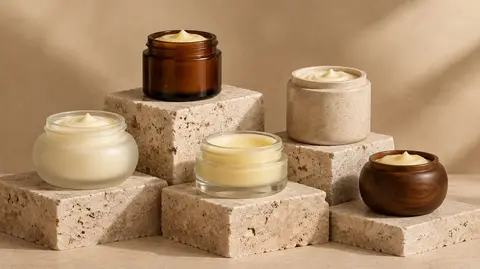
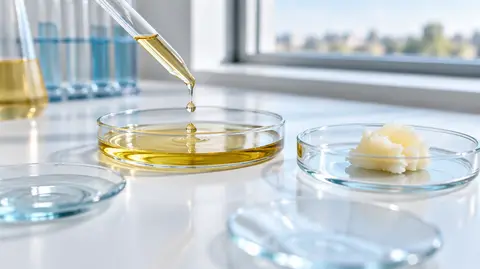
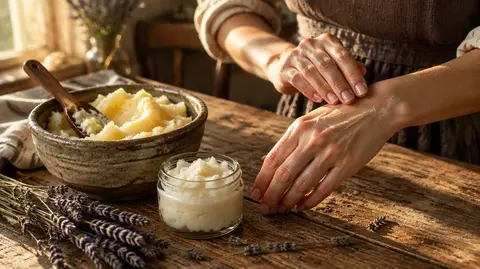
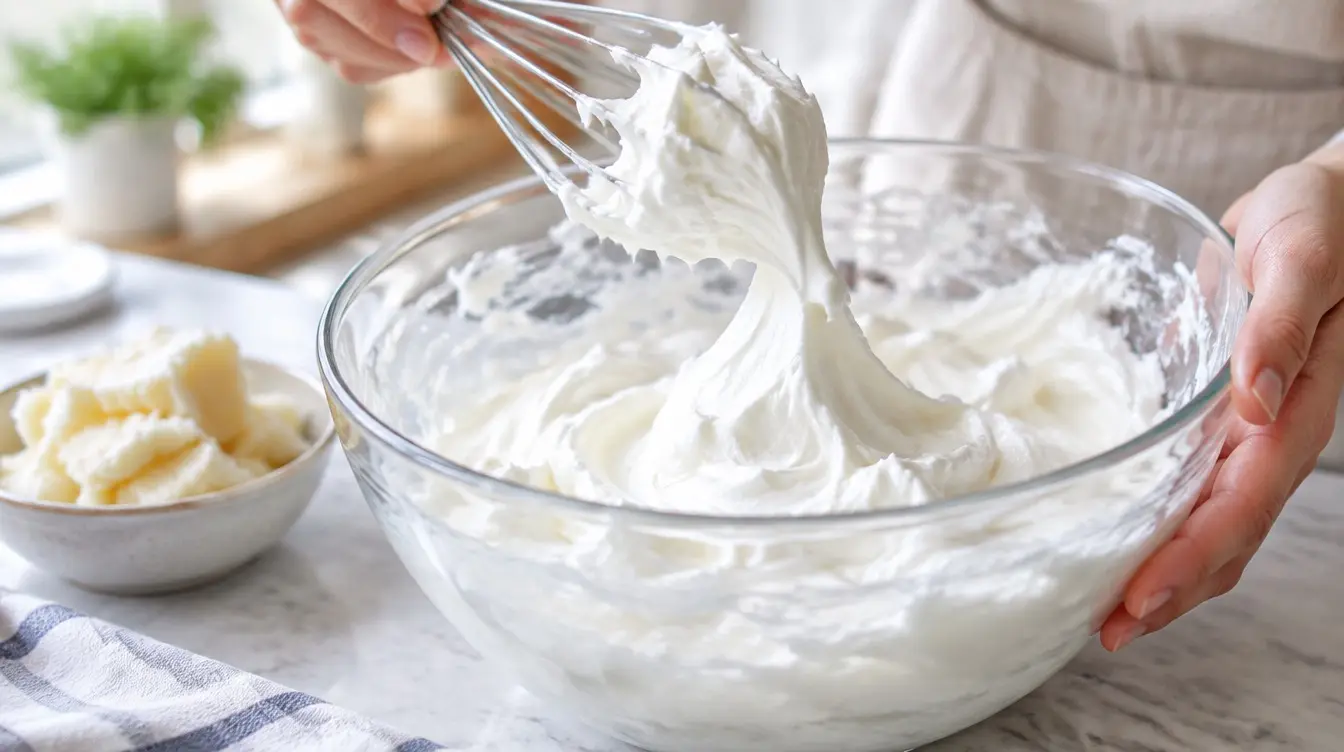
What is whipped tallow? Whipped tallow is rendered beef fat that has been beaten with a mixer while it cools, which traps air and turns it soft and fluffy, like frosting. Most commercial jars also blend in a liquid oil such as sweet almond, jojoba, or olive oil so it stays soft. People use it as a face and body moisturizer, and the whipping changes how it feels and spreads, not what the fat does on your skin.
This guide covers what whipped tallow is, what it is used for, how it compares to regular tallow balm, what the evidence says about using it on your face, and how to use it or make it. If you just want product picks, our best whipped tallow balm rankings compare the brands side by side.
What Is Whipped Tallow, Exactly?
Whipped tallow starts as the same rendered tallow used in solid balms and in cooking. The difference is one extra step:
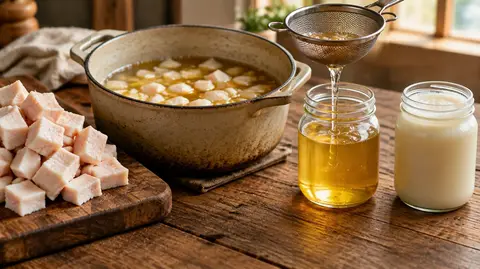
- Render. Beef fat, usually suet from around the kidneys, is heated slowly so the pure fat separates from the connective tissue. See our home rendering guide for the method.
- Blend (usually). A liquid oil is stirred into the melted fat. This keeps the finished product soft at room temperature. Plain tallow sets firm, and without a softer oil it tends to lose its air and go dense within weeks.
- Cool to a soft set. The mixture is chilled until it is opaque and about as firm as softened butter.
- Whip. A stand mixer or hand mixer beats it for several minutes until it turns white and roughly doubles in volume.
- Jar. It is spooned into jars while still soft.
No emulsifiers or processing aids are needed. The air sits in tiny pockets inside the fat.
What’s in a typical jar of whipped tallow
Pure whipped tallow with nothing else in it exists but is uncommon. Most products are tallow plus one or two extras. From current listings:
- Amallow Unscented: grass-fed tallow and sweet almond oil
- Amallow Clean Cloud: the same base plus an essential oil blend
- Wrath & Remedy Whipped Tallow and Honey: organic tallow and raw honey
- HolyCow Grass Fed Beef Tallow with Jojoba: whipped tallow with jojoba oil
“Whipped tallow cream,” “whipped tallow balm,” and “tallow body butter” usually describe the same thing. Almost none contain water. If a whipped tallow lists water or aloe juice, it is an emulsion and needs a preservative; a water-based product without one is a red flag. Our tallow balm vs tallow cream explainer covers the labeling in more detail.
Whipped Tallow vs Non-Whipped Tallow Balm
| Whipped tallow | Regular (non-whipped) balm | |
|---|---|---|
| Texture | Light, airy, frosting-like | Dense, waxy, firm |
| Scooping | Soft enough for a fingertip | Often needs scraping or warming |
| Spreading | Melts on contact | Needs warming between fingers |
| Feel after applying | Thinner film, less shine | Heavier film that lasts longer |
| Typical extras | Liquid oil to keep it soft | Often beeswax for firmness |
| Tallow per jar | Less (air takes up volume) | More per ounce |
| Heat tolerance | Collapses if it gets warm | Holds its shape better |
| Best for | Daily face and body use | Cracked heels, hands, lips, overnight |
Is whipped tallow better than balm?
Neither is better overall. Whipped tallow is easier to use every day, especially on the face, because it spreads thin and does not leave a heavy film. A dense balm is better where you want a longer-lasting protective layer: cracked hands, heels, elbows, and lips.
When I first tried a whipped and a dense balm from the same brand side by side for two weeks, the whipped one felt absorbed in about three minutes while the dense one still felt greasy at ten. By the next morning, my skin felt the same with both. The practical difference is how easy each is to live with during the day.
Price is the other trade-off. Because a 4 oz jar of whipped tallow is partly air, you get less fat per jar than a 4 oz jar of balm. You also tend to use less per application, so the cost per use is closer than the label suggests.
What Is Whipped Tallow Used For?
Whipped tallow is used the same ways as any tallow moisturizer, just in places where a lighter texture helps:
- Face moisturizer, morning or night, especially for dry or normal skin
- Body moisturizer after a shower, on damp skin
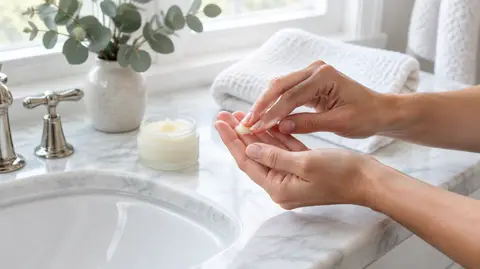
- Hands, because it absorbs fast enough to use between tasks
- Lips, as an overnight layer (a beeswax lip balm lasts longer during the day)
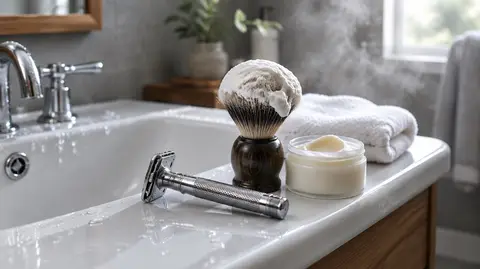
- After shaving, on the face, legs, or underarms
- Dry patches on elbows, knees, and shins
What it is not: a sunscreen, a wound treatment, or an acne treatment. Tallow has no meaningful SPF, so keep your usual sunscreen on top in the morning.
Is Whipped Tallow Good for Your Skin?
The honest answer is that tallow is a reasonable, simple moisturizer for many people, and the stronger claims made for it go beyond the evidence. Whipping does not change any of this; it only changes texture.
What tallow is chemically. Beef tallow is almost entirely triglycerides. USDA FoodData Central lists about 25 g palmitic acid, 19 g stearic acid, 42 g monounsaturated fat (mostly oleic acid), and 3 g linoleic acid per 100 g.
The “matches your sebum” claim is looser than it sounds. Human sebum is only about 57% triglycerides and free fatty acids; the rest is wax esters (26%), squalene (12%), and cholesterol compounds (Picardo et al., Dermato-Endocrinology, 2009). Its main 16-carbon unsaturated fat, sapienic acid, is unique to human skin and is not found in tallow. Tallow and sebum share some of the same common fatty acids, which is part of why tallow feels compatible, but it is not a copy of your skin’s oil.
The vitamin claims are mostly marketing. USDA data for beef tallow shows zero vitamin A, about 0.7 µg of vitamin D, and 2.7 mg of vitamin E per 100 g. A pea-sized amount on your face is well under a gram, so it carries around a hundredth of a milligram of vitamin E. Grass-fed beef does contain more beta-carotene and vitamin E than grain-fed beef (Daley et al., Nutrition Journal, 2010), but the amounts in a face-sized dab are still tiny.
What it does do. Tallow forms a lipid film that slows water loss and softens rough, dry skin. That is the same job every occlusive moisturizer does. There are no published controlled trials of tallow on human skin, so claims that it heals eczema, reverses wrinkles, or clears acne are not supported.
One caveat worth knowing. Tallow is about 40% oleic acid. Studies on oleic-rich olive oil found it disrupted the skin barrier, while linoleic-rich sunflower oil did not (reviewed by Lin, Zhong, and Santiago, International Journal of Molecular Sciences, 2017). That research was on plant oils, but it is a reason eczema-prone skin should patch test tallow rather than assume it will help.
Our complete guide to beef tallow for skin goes through the research in more depth.
Is whipped tallow good for your face?
For dry and normal skin, often yes. The whipped texture is the easiest way to use tallow on the face because a thin layer absorbs without the heavy shine of a dense balm, and it sits well under sunscreen or makeup.
For acne-prone or oily skin, be cautious. Any rich, oil-based moisturizer can contribute to clogged pores in skin that is prone to them, and tallow’s comedogenic ratings come from old animal tests that vary by source. Patch test along the jawline for a week or two before using it on your whole face. Our comedogenic rating explainer and beef tallow for face guide cover how to test it.
Whipped tallow benefits, realistically
- Softens and moisturizes dry skin
- Easy to spread thin, which helps with face use and layering
- Short ingredient lists are common, which helps if you react to long cosmetic formulas
- Unscented versions avoid fragrance, the most common cosmetic allergen
- Fast to apply to large areas of body skin
Who Should Skip Whipped Tallow
Tree-nut allergies. Sweet almond oil is a common softening oil in whipped tallow. Read the full ingredient list.
Acne-prone skin during a breakout. Don’t introduce a rich new moisturizer while you are breaking out. See a dermatologist for active or cystic acne.
Fragrance or essential oil sensitivity. Many whipped tallows are scented. Stick to unscented versions; our best tallow balm for sensitive skin guide compares them by ingredient.
Hot homes without air conditioning. Whipped tallow collapses and turns soupy when it gets warm. It still works, but the texture is gone.
Vegans and vegetarians. It is rendered beef fat. Shea butter or jojoba are the closest plant-based alternatives.
How to Use Whipped Tallow
On your face
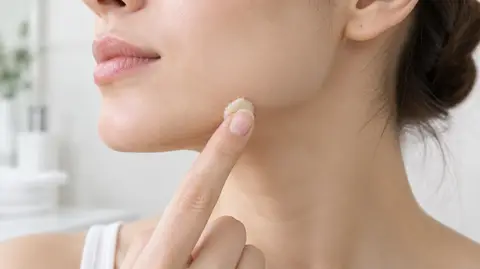
- Cleanse and leave skin slightly damp.
- Take a pea-sized amount with a clean, dry fingertip.
- Warm it between your fingertips for a few seconds.
- Press and pat it over the face, starting on the driest areas.
- Wait 3 to 5 minutes before sunscreen or makeup.
If you have oily or combination skin, start at night only and use less than you think you need.
On your body
Apply to damp skin after a shower. About a tablespoon covers the whole body. Focus on elbows, knees, shins, and any rough patches. You can usually get dressed within five minutes.
On lips and hands
Dab a small amount on your lips before bed. For hands, keep a small jar by the sink; the whipped texture absorbs quickly enough that you will not leave grease on your phone or keyboard.
Common mistakes
- Using too much. A thick layer stays greasy and defeats the point of the whipped texture.
- Storing it warm. Keep it below about 75°F. A hot bathroom shelf will collapse it.
- Double-dipping with wet fingers. Most whipped tallows have no preservative. Keep water out of the jar.
Can You Eat Whipped Beef Tallow?
Food-grade tallow can be whipped for cooking (whipped tallow spreads on bread or stirs into mashed potatoes the way whipped butter does), and plain rendered cooking tallow is safe to eat. Whipped tallow sold as skincare is a different product. It often contains essential oils, nut oils, or other ingredients that are not meant to be eaten, and it is not made or labeled as food. Don’t eat your skincare jar. If you want to cook with tallow, buy a food-grade jar; our best beef tallow for cooking guide compares them.
How to Pick a Good Whipped Tallow
Read the whole ingredient list. Know which liquid oil is in it and why. Sweet almond oil means a nut allergen. Olive oil adds more oleic acid. Jojoba is a liquid wax that many people tolerate well.
Decide on scent before you shop. If your skin is reactive, choose unscented. “Fragrance” or “parfum” on a label can hide dozens of compounds.
Check the sourcing language. “Grass-fed” or “grass-finished” tells you something about the cattle; “natural” tells you nothing.
Look for real whipped texture in the photos. Real whipped tallow looks matte and fluffy. A shiny, dense surface usually means a soft blended balm labeled as whipped.
Red flags: water in the ingredients with no preservative, no full ingredient list on the listing, and health claims about curing skin conditions.
How to Make Whipped Tallow at Home
Whipping tallow at home is simple once you get the temperature right.
- Gently melt 1 cup of rendered tallow in a double boiler.
- Stir in 1/3 cup of a liquid oil (jojoba or sweet almond are common choices).
- Chill until the mixture is opaque and about as firm as softened butter.
- Whip on medium-high for 5 to 10 minutes until white and fluffy.
- Add essential oils in the last minute only if your skin tolerates them.
- Spoon into clean, dry glass jars.
If it will not hold air, it is still too warm; chill it for another 10 minutes and whip again. If it turns grainy, it cooled unevenly; remelt fully, cool faster, and whip again. Our grainy and cloudy tallow troubleshooting guide explains why this happens.
For full ratios and variations, see our tallow balm DIY recipe and the beef tallow body butter guide. Homemade costs far less per ounce than commercial whipped tallow; the trade-off is time and less consistent texture.
How Long Does Whipped Tallow Last?
Most whipped tallow lasts 6 to 12 months stored cool and dark with the lid on. The extra air can speed oxidation slightly compared with a dense balm. Toss it if it smells sour, sharp, or like old crayons. Our tallow storage guide covers the details.
If your whipped tallow melts, it is not ruined. Let it cool to a soft set and re-whip it with a hand mixer, or simply use it as a dense balm.
Whipped Tallow Picks
If you want to buy rather than make it, these are the three we would start with. The full comparison, including texture, scent, and value, is in our best whipped tallow balm rankings.
- Best everyday whipped tallow: Amallow Unscented. Tallow and sweet almond oil, no fragrance, light texture. Skip it if you have a tree-nut allergy.
- Budget and body use: Wrath & Remedy Whipped Tallow and Honey. Two ingredients, larger jar, lower price.
- Lightly scented: Amallow Clean Cloud. Same base as the unscented version with an essential oil blend. Not for reactive skin.
Frequently Asked Questions
What is whipped tallow good for?
Mainly moisturizing dry or normal skin on the face and body, with a lighter feel than a solid balm. It is also used on hands, lips overnight, and after shaving.
Is whipped tallow the same as tallow body butter?
Usually, yes. Both terms describe aerated tallow, often blended with a liquid oil. Some brands use “body butter” for a softer formula with more liquid oil.
Does whipping tallow change its benefits?
No. Whipping only adds air. The fat is the same; you are just applying it in a thinner, easier layer.
Is whipped tallow good for your skin every day?
For many people with dry or normal skin, daily use is fine. If you are acne-prone, start a few nights a week and watch for clogged pores before using it daily.
Can I refrigerate whipped tallow?
Yes. It will firm up, so let it sit out for 5 to 10 minutes before use. Refrigeration helps in hot climates and can extend shelf life.
Can I use whipped tallow under makeup?
Yes. Use a thin layer and wait about five minutes before sunscreen or makeup.
Bottom Line
Whipped tallow is beef tallow beaten with air, usually with a liquid oil added to keep it soft. It does the same job as any tallow moisturizer, which is sealing in moisture and softening dry skin, in a texture that is much easier to use every day. It will not deliver meaningful vitamins, and it is not a treatment for skin conditions.
If you are new to tallow, a whipped version is the easiest place to start. Amallow Unscented is a simple first jar for most people without a nut allergy. For more options, see the best whipped tallow balm rankings.
Explore more tallow guides
Browse our collection of recipes, comparisons, reviews and DIY tutorials.
View all guidesKing Tallow is reader-supported. We research and test the products we recommend, and when you buy through links on this page we may earn a commission at no extra cost to you. See our affiliate disclosure.
This article is for general information and is not medical advice. Patch test new skincare and talk to a dermatologist or doctor about persistent skin conditions.
Published · Last updated