

Cornhusker Kitchen Beef Tallow Review: The Budget Deep-Frying Pick
Independent reviewCornhusker Kitchen beef tallow review: the 1.5 lb tub, wagyu and grass-fed versions, deep-fry performance, value vs Fatworks and EPIC, and who should buy it.

This post contains affiliate links. We may earn a commission if you purchase through these links, at no extra cost to you.
Quick verdict: Cornhusker Kitchen’s rendered beef tallow tub is my budget pick for deep frying. It is a single-ingredient tallow in a 1.5 lb tub, it costs well under Fatworks and EPIC per ounce, and it held up through three or four strained fry sessions. It’s less good for delicate searing and baking, where its beefier flavor shows, and it’s no good for skincare, because it isn’t deodorized. Rating: 3.9 out of 5. Check the current price of the Cornhusker Kitchen beef tallow tub.
| Cornhusker Kitchen Beef Tallow | |
|---|---|
| Reviewed | Premium Rendered Beef Tallow Tub, 1.5 lb |
| Ingredients | Rendered beef tallow |
| Sourcing claim | US beef; the standard tub makes no grass-fed claim |
| Other versions | Wagyu tub (listed as from corn-fed cattle), Grass-Fed 7.5 lb, Wagyu Tallow Spray |
| Price tier | $ (budget per ounce) |
| Best for | Deep frying fries, chicken, and donuts in volume |
| Skip for | Skincare, very delicate flavors, grass-finished buyers |
Who Makes Cornhusker Kitchen Tallow
Cornhusker Kitchen is the company behind Duck Fat Spray, and it sells its fats through its own site (duckfatspray.com), on Amazon, and through some retailers. Its tallow line covers:
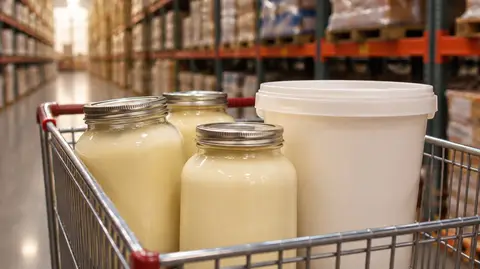
- Premium Rendered Beef Tallow, in a 1.5 lb tub and a 14 oz jar (the tub is the one reviewed here)
- Premium Rendered Wagyu Beef Tallow: 1.5 lb tub and larger jars. The Amazon listing says the cattle are corn-fed
- Grass-Fed Beef Tallow, 7.5 lb: a bulk grass-fed version for heavy fryers
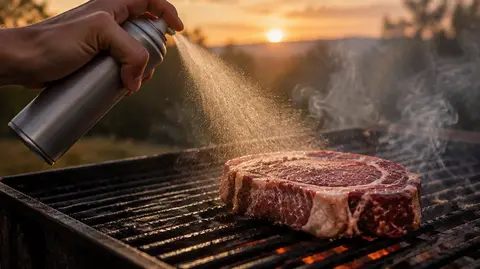
- Wagyu Beef Tallow Spray: wagyu tallow blended with olive oil in an aerosol can
The standard tub doesn’t claim grass-fed, grass-finished, organic or Whole30 status. It is rendered US beef fat, and it is priced accordingly. For deep frying, the fatty-acid differences between grass-finished and grain-finished tallow don’t change how the fries turn out. If sourcing matters to you, the 7.5 lb grass-fed tub is the Cornhusker option to look at, or see the Fatworks review and Brandt review.
Texture, Smell, and Color
The ingredient list is one item: rendered beef tallow. There are no added oils to keep it soft and no preservatives. The tub is plastic, which keeps shipping weight down but doesn’t look as nice on the counter as a glass jar.
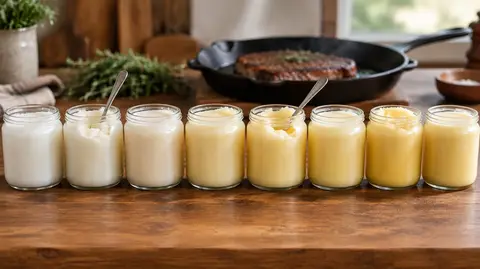
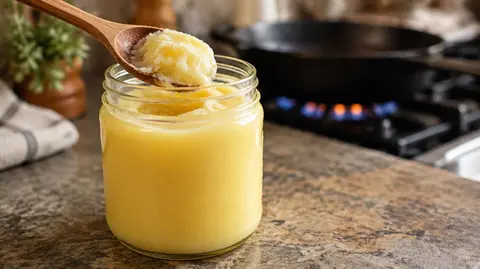
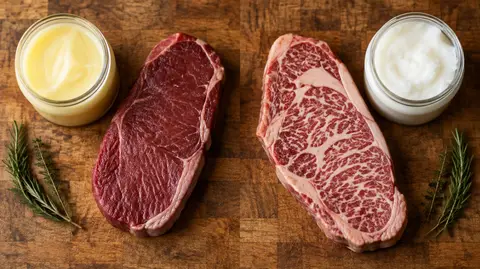
The fat is uniform, with no oily layer or graininess. It is a warm cream color, a shade deeper than Fatworks, and it melts to a clear gold. At room temperature it is firm and dense, a little closer to lard in feel, and you need some pressure to scoop it with a spoon.
Out of the tub it smells mildly beefy, a little more than Fatworks, and the smell fades within a minute. Deep frying gave the most neutral fry smell I’ve had from a budget tallow. Pan-searing brings out more beef flavor than Fatworks does, which is fine on steak and noticeable in eggs.
How It Performs at the Stove
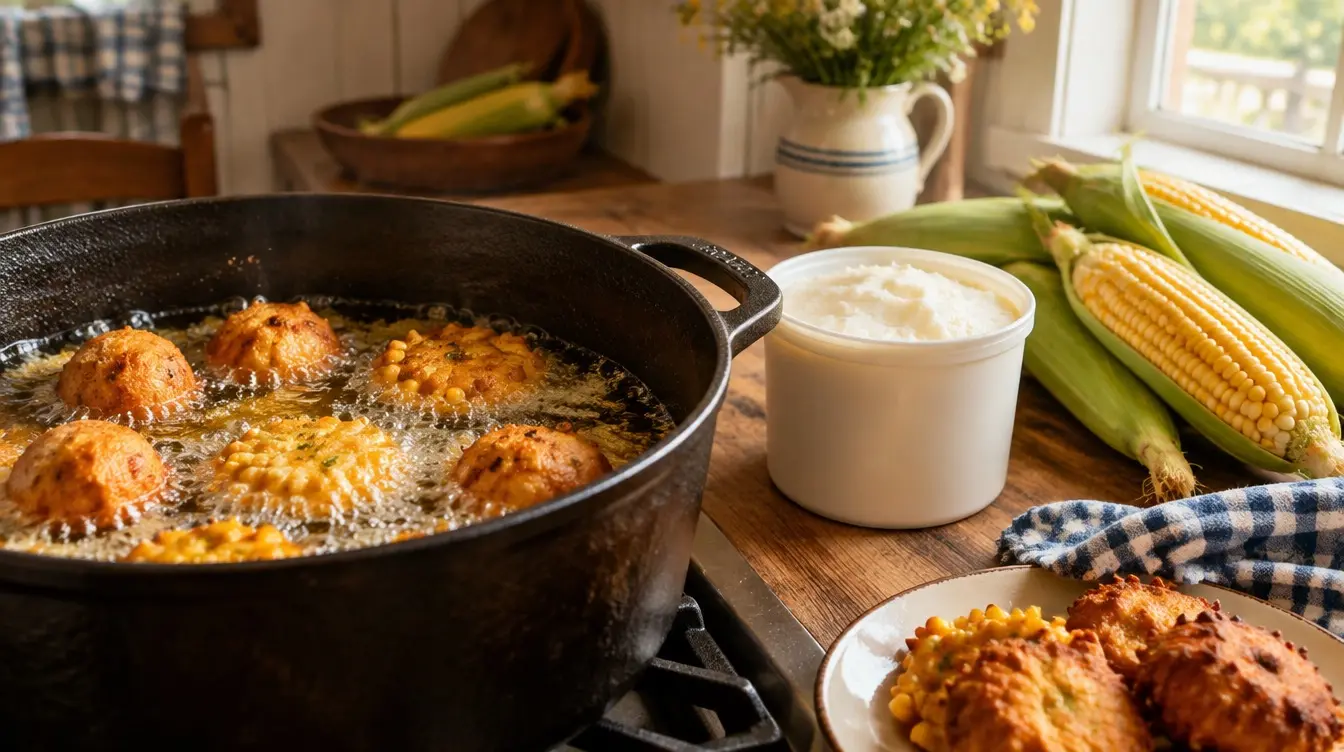
Deep frying. This is what it’s for. It held about 405°F for hash browns with no acrid smell, and when strained between sessions it lasted three or four fry sessions before retiring. That is a little less than Fatworks and more than the cheapest bulk tallows. For a Saturday of fries, fried chicken and donuts, open this tub. The deep-frying with tallow page has heat settings by food.
French fries. The main reason to buy it. The low price per ounce makes it sensible to fill a Dutch oven, and the fries taste the way tallow fries should. The McDonald’s-style fry recipe walks through the double-fry method.
Steak searing. It works, but it isn’t the best. The stronger beef note comes through in the crust. Some people like that; others prefer the cleaner taste of Fatworks or EPIC. The beef tallow steak recipe covers the method.
Biscuits and pie crust. It works fine. The denser texture takes more effort to grate into flour, but the finished biscuit is comparable to one made with Fatworks.
For heat limits by method, see the smoke point guide.
Value: Where Cornhusker Wins
Premium jars are worth it for searing, biscuits and recipes where you taste the fat. In deep frying, the tallow is mostly a heating medium, and paying premium prices won’t give you a noticeably better fry. A batch of fries can use two pounds of fat, which is where a budget tub saves real money over 14 oz premium jars.
| Tallow | Size | Price tier | Best use |
|---|---|---|---|
| Cornhusker beef tallow tub | 1.5 lb | $ | Deep frying on a budget |
| Cornhusker grass-fed tallow | 7.5 lb | $$ | Grass-fed bulk frying |
| Fatworks Grass-Fed | 14 oz | $ (premium per oz) | Searing, baking |
| EPIC Beef Tallow | 11 oz | $ (premium per oz) | Grab-and-go jar |
Prices change often, so check the current price per ounce on each listing before you buy. The beef tallow price guide explains what counts as a good price per pound.
How Cornhusker Stacks Up
- vs Fatworks: Fatworks wins on how cleanly it’s rendered, how many reuses you get, and searing. Cornhusker wins on price per ounce and deep-frying value. A kitchen that does both can keep both.
- vs EPIC: EPIC wins on grocery-store availability and its glass jar. Cornhusker wins on price and frying volume. They cook more alike than the price gap suggests.
- vs Brandt: Brandt tallow comes from a single family-owned beef operation in Brawley, California, and is sold in 1 lb, 4 lb and 50 lb sizes. It appeals if you care about provenance. Cornhusker is the cheaper small tub.
- vs a generic 4 lb grass-fed tub: The 4 lb grass-fed tub gives you grass-fed sourcing at a bulk price if you’ll use four pounds. Cornhusker’s 1.5 lb tub is easier to finish while it’s fresh.
For more on frying fats, see best beef tallow for deep frying and best beef tallow for French fries.
What I Don’t Love
- Plastic tub. It isn’t a quality problem, but glass looks better on the counter and doesn’t hold odors.
- No grass-fed claim on the standard tub. If you care about grass-finished sourcing for nutritional or ethical reasons, buy the 7.5 lb grass-fed version or another brand.
- Stronger beef note in delicate dishes. You won’t notice it in fries or steak, but you might in eggs or biscuits.
Who Should Buy Cornhusker
Buy it if:
- You deep fry once a month or more and want the best value per fry
- You make fried chicken, donuts or battered foods at home in volume
- You want a cooking-only tallow and don’t need premium sourcing
- You want a smaller tub you’ll finish while it’s fresh
Pass if:
- Grass-finished sourcing is non-negotiable
- You need a deodorized base for skincare DIY
- You want USDA Organic or Whole30 labels
- You want a glass jar
Frequently Asked Questions
Is Cornhusker Kitchen tallow grass-fed?
The standard beef tallow tub makes no grass-fed claim, and the wagyu tub’s Amazon listing says the cattle are corn-fed. Cornhusker sells a separate Grass-Fed Beef Tallow in a 7.5 lb size if you want grass-fed sourcing from the same brand.
How long does a tub last for deep frying?
A 1.5 lb tub fills a small saucepan, not a Dutch oven. For a full Dutch-oven batch of fries, plan on more than one tub or the 7.5 lb size. If you strain and refrigerate the fat between uses, you’ll get three or four sessions out of it. The guide on how to reuse beef tallow after frying covers straining.
Is Cornhusker wagyu tallow worth it?
It costs a bit more than the standard tub and tastes richer and more buttery, which some people like for searing and roast potatoes. Compare it with other wagyu options in best wagyu beef tallow.
Is the Cornhusker wagyu tallow spray pure tallow?
No. The Amazon listing says it is wagyu tallow infused with extra virgin olive oil, which keeps it liquid enough to spray. It is handy for air fryers and grill grates, but it isn’t a substitute for jarred tallow in frying.
Is Cornhusker tallow good for skincare?
I wouldn’t use it. It isn’t deodorized, so the beef note comes through in balms. For a DIY base, Traverse Bay 32 oz is deodorized.
Where can I buy Cornhusker Kitchen tallow?
On Amazon, direct from duckfatspray.com, and at some retailers (shoppers have reported it at Costco Canada). Amazon is the most reliable option nationally.
How does it compare to lard for deep frying?
Both work. Tallow is firmer, holds up a little better to reuse, and gives potatoes a slightly crisper finish. Lard tastes milder and is the traditional choice for fried chicken in some regions. See beef tallow vs lard.
Bottom Line
Cornhusker Kitchen’s beef tallow tub is the budget pick for deep frying. It costs well under Fatworks and EPIC per ounce and fries just as well. If you fry a lot of potatoes, chicken or donuts at home, open this tub instead of using up premium jars.
For searing, biscuits and recipes where the fat carries the flavor, premium jars are worth the price. For grass-fed sourcing at bulk volume, look at Cornhusker’s own 7.5 lb grass-fed tub. For the whole field, start with the best beef tallow for cooking roundup.
Check the current price of the Cornhusker Kitchen beef tallow tub
Explore more tallow guides
Browse our collection of recipes, comparisons, reviews and DIY tutorials.
View all guidesKing Tallow is reader-supported. We research and test the products we recommend, and when you buy through links on this page we may earn a commission at no extra cost to you. See our affiliate disclosure.
Published · Last updated